Discover effective techniques on how to meditate for relaxation after gym to enhance your recovery process and promote overall well-being. Incorporating meditation into your post-workout routine can significantly reduce muscle tension, calm the nervous system, and support mental clarity, making it an essential practice for athletes and fitness enthusiasts alike.
This guide explores the optimal environment setup, various meditation methods, breathing exercises, timing considerations, and helpful tools to facilitate a seamless and effective relaxation experience after your physical activities.
Understanding the importance of relaxation after gym workouts
Engaging in physical activity at the gym provides numerous benefits, including improved cardiovascular health, increased strength, and enhanced overall fitness. However, the post-exercise period is equally critical for recovery and ensuring that the benefits of the workout are fully realized. Incorporating relaxation techniques, such as meditation, into this phase can significantly influence both mental and physical well-being.
Post-exercise relaxation is essential for reducing muscle tension, lowering stress hormone levels, and promoting overall recovery. It helps mitigate the physiological stress responses triggered by intense training sessions, such as elevated heart rate, increased cortisol levels, and muscle fatigue. By dedicating time to relaxation, individuals can accelerate muscle repair, prevent injuries, and enhance their mental clarity and emotional stability.
Physiological Responses to Intense Gym Sessions and the Role of Meditation
Intense workouts activate the sympathetic nervous system, leading to a ‘fight or flight’ response characterized by increased adrenaline and cortisol production. These physiological reactions, although beneficial during training, can persist beyond the workout if not adequately managed, resulting in heightened stress levels, muscle tightness, and fatigue.
Research indicates that meditation can effectively counteract these responses. A study published in the Journal of Clinical Psychology found that regular meditation practices reduce cortisol levels by up to 30%, contributing to decreased muscle tension and improved recovery. Additionally, meditation promotes parasympathetic nervous system activation, which fosters a state of relaxation, lowers heart rate, and enhances blood flow to muscles, facilitating quicker recovery.
Further, meditation has been shown to influence neurological pathways that regulate pain perception and emotional stress, supporting a holistic approach to post-exercise recovery. This not only alleviates physical discomfort but also cultivates mental resilience, making subsequent workouts more effective and less stressful.
Preparing the Environment for Effective Meditation After Gym
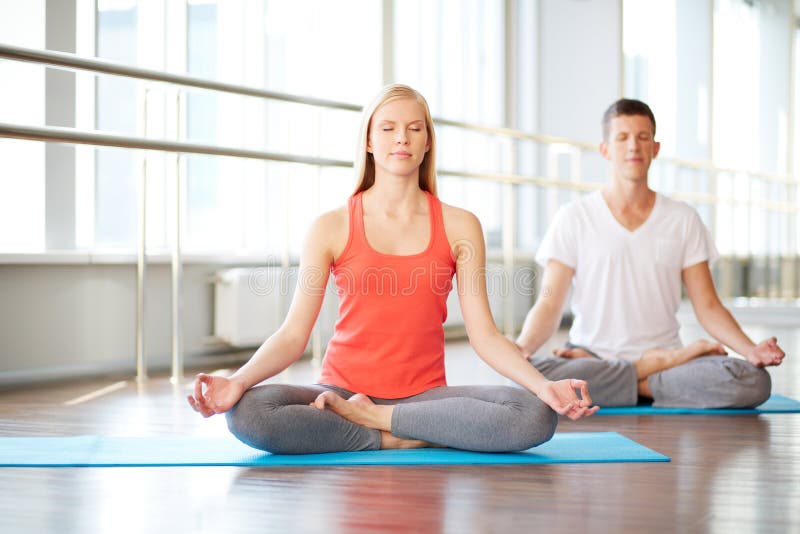
After engaging in a vigorous workout, establishing a calm and inviting environment is essential to maximize the benefits of post-exercise meditation. Creating the right space helps to transition smoothly from physical exertion to mental relaxation, allowing the body to recover and the mind to achieve a state of tranquility. The environment’s setup influences the quality of meditation, making it more comfortable and effective in promoting relaxation and restoring energy.A thoughtfully prepared space enhances focus, minimizes distractions, and encourages a sense of peace, making it easier to attain a meditative state.
Whether in a dedicated room or a corner of your home, attention to ambient factors such as lighting, sound, and temperature, alongside comfortable seating or lying arrangements, can greatly improve your post-workout meditation experience.
Creating a Calming Space for Meditation
To ensure your environment supports deep relaxation, follow these practical steps:
- Choose a Quiet Location: Select a space away from noise and high traffic areas. A quiet corner of your home, a spare room, or a dedicated meditation nook are ideal. If external noise persists, consider using white noise machines or calming nature sounds to mask distractions.
- Declutter and Clean: Clear the space of unnecessary items and keep it clean. A tidy area reduces visual clutter, helping your mind to settle and focus on your breathing and meditation.
- Set Up Ambient Factors: Adjust lighting, sound, and temperature to create a soothing atmosphere. These elements play a crucial role in inducing calmness and helping your body relax post-exercise.
- Incorporate Natural Elements: Add plants, natural fabrics, or subtle aromatherapy like lavender or chamomile to enhance the environment’s tranquility.
Ideal Ambient Factors for Post-Gym Meditation
The right ambient conditions are vital to support relaxation and deepen your meditation. Below is a detailed table outlining optimal factors with specific suggestions to help you create an ideal environment:
| Factor | Recommended Settings | Examples/Notes | Additional Tips |
|---|---|---|---|
| Lighting | Soft, dim, or warm lighting | Use bedside lamps, paper lanterns, or adjustable dimmers | Avoid harsh fluorescent or bright overhead lights, which can hinder relaxation |
| Sound | Calming background sounds or silence | Nature sounds, white noise, or gentle instrumental music | Ensure sound levels are low and non-intrusive; use noise-canceling headphones if needed |
| Temperature | Comfortably warm or cool environment | Maintain room temperature between 20-22°C (68-72°F) | Avoid drafts or extreme temperatures that could cause discomfort |
| Air Quality | Fresh, well-ventilated space | Open windows or use air purifiers | Fresh air aids in relaxation and oxygenates the body |
Creating an environment with balanced lighting, soothing sounds, comfortable temperature, and good air quality significantly enhances the effectiveness of your post-workout meditation.
Seating and Lying Arrangements for Post-Workout Meditation
The choice of seating or lying position directly impacts your ability to relax and meditate effectively after physical activity. The key is selecting arrangements that support comfort, stability, and ease of breathing, allowing your body to unwind and your mind to settle.When selecting a seating or lying arrangement:
- Opt for Supportive Seating: Use meditation cushions, padded chairs, or stools with back support. These help maintain an upright posture without causing strain, aiding in alert but relaxed meditation.
- Ensure Comfort for Lying Down: Use a yoga mat or padded surface with a soft blanket or cushion under your head. Lying on your back with arms resting comfortably by your sides or on your abdomen encourages deep relaxation.
- Maintain Proper Alignment: Keep the spine straight but relaxed, and avoid positions that cause discomfort or tension. This promotes better breathing and reduces physical distractions.
- Adjust for Post-Exercise Fatigue: After intense workouts, lying on your back with knees slightly bent can reduce lower back strain. Alternatively, seated positions allow for gentle stretching and ease into relaxation.
The goal is to create a posture that feels natural and supports sustained ease, enabling you to focus inwardly and fully benefit from your meditation session after exercise.
Techniques for Meditating for Relaxation Post-Gym
After an intense workout, your body and mind can benefit immensely from targeted meditation practices designed to promote relaxation and recovery. Employing specific meditation techniques can help soothe muscle tension, reduce stress levels, and enhance overall well-being. Understanding the various methods and how to perform them correctly allows you to optimize the calming effects of meditation following physical exertion.Effective meditation after exercise involves techniques that focus on breath control, body awareness, and guided visualization.
These methods can be adapted to suit individual preferences and physical conditions, making it easier to integrate relaxation practices into your post-workout routine. By practicing these techniques consistently, you develop a mental and physical state conducive to recovery and relaxation.
Guided Meditation for Post-Gym Relaxation
Guided meditation involves listening to a trained instructor or recording that leads you through a series of calming visualizations and mental exercises. This method provides structure and focus, making it particularly suitable for those new to meditation or seeking targeted relaxation after intense activity.To perform guided meditation:
- Find a comfortable seated or lying position in your prepared environment, ensuring minimal disturbances.
- Close your eyes gently and take a few deep, slow breaths to center yourself.
- Begin playing a guided meditation recording or follow a mental narration that encourages you to visualize peaceful scenes, such as a quiet beach or a lush forest.
- Allow the voice to guide your thoughts, focusing on sensations, sounds, and images described, which helps divert your attention from physical discomfort.
- Maintain this state for 10 to 20 minutes or as long as feels beneficial.
- Gradually bring your awareness back to your physical surroundings, taking a few deep breaths before opening your eyes.
Common obstacles include wandering thoughts or difficulty concentrating, which can be alleviated by gently returning focus to the guided narration or your breath whenever distractions arise.
Body Scan Meditation
The body scan technique emphasizes mindful awareness of bodily sensations, helping to release muscle tension accumulated during exercise. It encourages a systematic focus on different body parts, fostering relaxation and self-awareness.To perform a body scan:
- Lie comfortably on your back with arms resting alongside your body, in your prepared environment.
- Start by taking slow, deep breaths to settle into a calm state.
- Bring your attention to your toes, noticing any sensations, such as warmth, tingling, or tension.
- Gradually move your focus upward through your body—feet, calves, thighs, hips, abdomen, chest, arms, neck, and face—dedicating a few moments to each area.
- If you encounter areas of tightness or discomfort, breathe into those spots, imagining the tension melting away with each exhale.
- Finish by observing your entire body as a single, relaxed entity, maintaining awareness for several minutes before slowly concluding the practice.
- Position yourself comfortably, either sitting or lying in your prepared environment.
- Place one hand on your chest and the other on your abdomen to monitor your breathing pattern.
- Inhale slowly through your nose for a count of four, allowing your abdomen to rise as your lungs fill with air.
- Hold the breath briefly for a count of two, maintaining awareness of your body’s sensations.
- Exhale slowly through pursed lips or your nose for a count of six, feeling your abdomen fall and releasing tension.
- Repeat this cycle for 5 to 10 minutes, focusing solely on your breath to anchor your attention.
- Lie down or sit comfortably with your back straight and shoulders relaxed.
- Place one hand on your chest and the other on your abdomen just below the ribcage.
- Inhale slowly through your nose for about 4 seconds, focusing on expanding your abdomen rather than your chest.
- Feel the hand on your belly rise as you fill your lungs with air.
- Exhale gently through pursed lips for about 6 seconds, allowing your abdomen to fall naturally.
- Repeat this cycle for 5 to 10 minutes, maintaining awareness of the movement of your abdomen and breath flow.
- Sit comfortably with your back supported and shoulders relaxed.
- Close your eyes if comfortable, and inhale quietly through your nose for a count of 4.
- Hold your breath briefly at the top for a count of 7.
- Exhale slowly and completely through your mouth for a count of 8, making a gentle whooshing sound if desired.
- Repeat this cycle at least four times, gradually increasing repetitions over time as you become more familiar with the pattern.
- Find a comfortable seated position, with your spine upright and shoulders relaxed.
- Inhale slowly through your nose for a count of 4, visualizing drawing air into your lungs.
- Hold the breath at the top of the inhalation for 4 seconds.
- Exhale gently through your mouth or nose for 4 seconds, releasing tension.
- Hold the exhaled breath at the bottom for 4 seconds before beginning the next cycle.
- Repeat these steps for 5 to 10 minutes, maintaining a steady, even rhythm.
- Light workouts (e.g., leisurely yoga, stretching, short cardio): 5-10 minutes
- Moderate workouts (e.g., moderate weight training, brisk walking): 10-15 minutes
- Intense workouts (e.g., heavy lifting, high-intensity interval training): 15-20 minutes or more
- Mats: Offer insulation from cold or hard surfaces, providing a stable and comfortable foundation.
- Cushions: Help maintain an upright posture, reducing fatigue and physical tension.
- Props: Bolsters, blankets, or blocks assist in achieving comfortable positions, accommodating various body types and flexibility levels.
- Schedule Meditation Immediately After Workouts: Allocate 10-15 minutes immediately following your exercise session, whether at the gym, home, or outdoors. This leverages the natural physiological state of post-workout relaxation.
- Create a Ritual: Develop a specific pre-meditation routine, such as changing into comfortable clothing, dimming lights, or playing calming music, to signal your mind that relaxation time has arrived.
- Prioritize Consistency: Set fixed days and times for meditation sessions to reinforce habit formation. For example, meditate after your strength training on Mondays, Wednesdays, and Fridays, and after cardio sessions on Tuesdays and Thursdays.
- Adjust Based on Workout Types: Recognize the differing needs of various workouts; post-heavy weightlifting, for example, may require longer relaxation, whereas lighter sessions may need shorter meditation periods.
- Use Reminders and Tracking Tools: Utilize alarms, calendar alerts, or meditation apps to prompt you and monitor your adherence, thus fostering discipline and accountability.
- Duration and frequency of each session
- Post-meditation physical sensations, such as muscle relaxation or reduced tension
- Mental states, including stress levels and overall mood
- Notable changes in sleep quality or recovery markers
- Increasing meditation duration or frequency if relaxation benefits plateau
- Switching to different meditation techniques to prevent habituation
- Adjusting timing—perhaps earlier or later—to find the most restorative window
- Incorporating new tools or aids, such as guided recordings or aromatherapy, to enhance engagement
Obstacles such as wandering attention can be managed by gently redirecting focus without judgment, reaffirming your intention to relax.
Deep Breathing Exercises
Deep breathing exercises are fundamental relaxation techniques that activate the parasympathetic nervous system, promoting calmness and reducing post-exercise stress. They are simple to perform and highly effective.To practice deep breathing:
Common difficulties include shallow breathing or mind wandering, which can be addressed by consciously expanding your breath and gently returning focus to the sensation of air entering and leaving your body.
Incorporating Breathing Exercises to Enhance Relaxation
After an invigorating workout, integrating specific breathing exercises into your relaxation routine can significantly soothe the nervous system, promote mental calmness, and facilitate physical recovery. Controlled breathing techniques help reduce residual tension, lower cortisol levels, and foster a sense of tranquility, making them an essential component of post-gym mindfulness practices.Properly engaging in breathing exercises can transition your body from the sympathetic nervous system’s alert state to the parasympathetic state’s restful mode.
This shift not only alleviates stress but also improves overall well-being, ensuring you reap lasting benefits from your fitness efforts while maintaining mental clarity and emotional balance.
Controlled Breathing and Its Role in Calming the Nervous System
Controlled breathing exercises function by consciously regulating the breath to influence the autonomic nervous system. When practiced diligently, they activate the vagus nerve, which promotes relaxation, reduces heart rate, and diminishes adrenaline levels. This process counters the physiological effects of intense exercise, helping your body recover more efficiently and fostering a deep sense of calmness.Scientific studies have demonstrated that diaphragmatic breathing and other slow, deliberate breathing patterns can decrease cortisol, a primary stress hormone, thereby lowering overall stress levels.
Incorporating these techniques after your workout ensures that your body transitions smoothly into recovery mode, reducing feelings of post-exercise agitation or tension.
Breathing Patterns and Techniques for Relaxation
Understanding and practicing different breathing patterns can provide targeted benefits for relaxation. Below are some effective methods, each with specific cues to help you maintain focus and maximize their calming effects.
Consistent and mindful practice is key to experiencing the full benefits of these breathing exercises. Use visual cues, such as placing one hand on your chest and the other on your abdomen, to observe and ensure diaphragmatic engagement. Focus on slow, deliberate inhalations and exhalations, and avoid rushing through the patterns.
Diaphragmatic Breathing
This technique emphasizes deep breathing that engages the diaphragm, promoting fuller oxygen intake and enhancing relaxation.
4-7-8 Breathing Technique
This pattern helps calm the nervous system by lengthening the exhalation, which stimulates relaxation.
Box Breathing (Square Breathing)
This method creates a rhythmic, meditative pattern that fosters mental focus and calmness.
During each of these techniques, visual or descriptive cues can enhance focus. For example, imagine inhaling through a calm, blue sky and exhaling as if diffusing away stress like a gentle wave. Alternatively, visualize a square shape whose sides you trace with your breath, aligning each side with the breathing segments of the pattern. These cues help anchor your awareness and deepen the relaxation response.
Timing and Duration of Post-Gym Meditation Sessions

After completing a workout, choosing the optimal time and session length for meditation plays a crucial role in maximizing relaxation benefits and enhancing recovery. Proper timing helps your mind and body transition smoothly from physical exertion to restorative calmness, while the duration of your meditation can influence the depth of relaxation achieved. Understanding these aspects ensures that your post-gym meditation routine is both effective and sustainable, allowing you to enjoy improved mental clarity, reduced muscle tension, and overall well-being.The ideal timing for meditation after exercise varies depending on individual preferences, workout intensity, and daily schedules.
Immediate meditation, performed within a few minutes of finishing your workout, can help alleviate heightened adrenaline levels and prevent lingering fatigue from influencing your mood or sleep patterns. Conversely, some individuals prefer to wait for a short period—around 15 to 30 minutes—to allow their heart rate and breathing to return closer to resting levels, providing a more receptive state for meditation.
Recognizing your body’s signals and experimenting with different timings can help identify what works best for you.The duration of meditation sessions should be tailored to workout intensity and personal comfort. Engaging in longer meditation sessions may be beneficial after intense or prolonged workouts, aiding in deep muscle relaxation and mental recovery. Conversely, shorter sessions can suffice for lighter workouts or when time constraints exist.
Below are recommendations based on workout intensity and individual needs:
Recommended Meditation Durations Based on Workout Intensity
For beginners, gradually extending meditation duration helps build comfort and consistency without feeling overwhelmed. Starting with 5-minute sessions and slowly increasing by a minute or two each week can promote adherence and deepen relaxation. Using a timer or guided meditations can assist in this gradual progression, ensuring the experience remains enjoyable and sustainable.
Effective post-gym meditation balances timing, duration, and personal comfort, fostering quicker recovery and mental refreshment with consistent practice.
Additional tools and aids to support meditation after gym
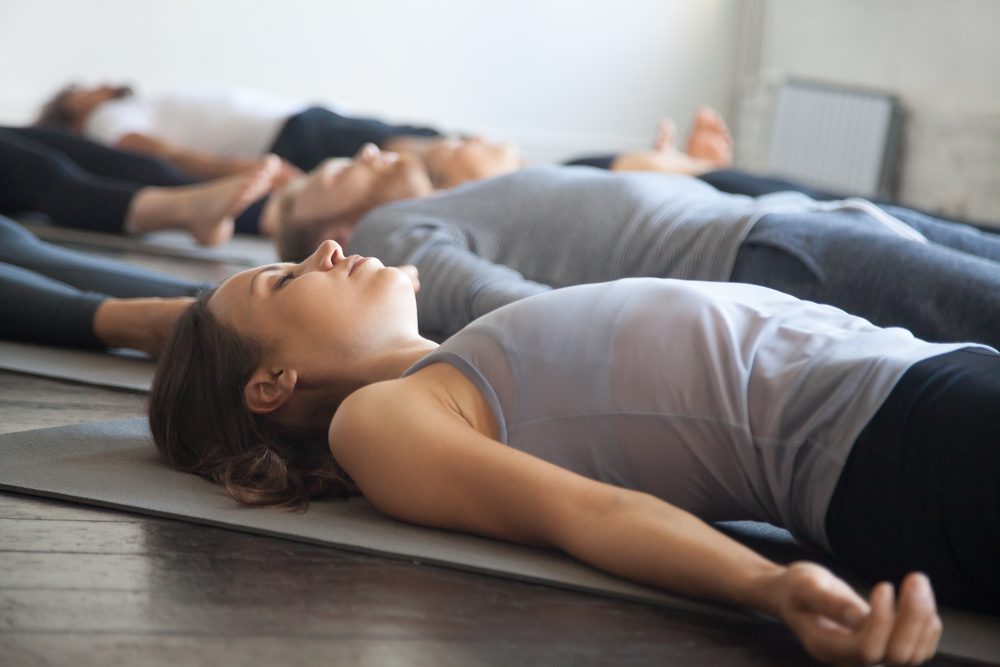
Engaging in post-gym meditation can be significantly enhanced by utilizing various tools and aids designed to promote comfort and focus. These resources help create an environment conducive to relaxation, making it easier to transition from physical exertion to mental calmness. Proper tools can also improve the overall effectiveness of your meditation session, leading to better stress relief and recovery.Utilizing suitable aids and tools can make a noticeable difference in your meditation practice, especially after intense workouts.
They help in establishing a dedicated space, minimizing distractions, and fostering a sense of tranquility that supports mental and physical relaxation. Incorporating these tools into your routine encourages consistency and a more profound meditative experience.
Meditation mats, cushions, and props
Comfortable seating arrangements are essential for effective meditation, particularly after physical activity. Meditation mats provide a clean, cushioned surface that isolates you from hard floors, reducing physical discomfort. Meditation cushions or Zafus help elevate the hips, aligning the spine and promoting proper posture. Props such as bolsters or blankets can offer additional support for longer sessions or for individuals with specific needs, ensuring that relaxation is not hindered by physical strain.
Calming music, white noise, and nature sounds
Creating an auditory environment that fosters tranquility can significantly enhance the meditation experience. Soft, calming music or ambient soundscapes help drown out external distractions and evoke a serene atmosphere. White noise machines or nature sounds—such as flowing water, chirping birds, or gentle wind—can mask background noise, helping the mind to focus inward and deepen relaxation.Using soundscapes aligns with the body’s natural relaxation response, reducing stress hormones and encouraging a meditative state.
These auditory aids are especially beneficial after a workout when the mind may still be active or restless, providing a consistent and soothing backdrop for meditation.
“Sound has the power to influence mood and mental state, making it a vital tool for effective relaxation post-exercise.”
Guided meditation apps and recordings
Digital tools like guided meditation apps and recordings serve as valuable aids for those new to meditation or seeking structured guidance. These resources provide voice instructions, visualizations, and breathing prompts that can help focus the mind and deepen the meditative state. Many apps feature specific sessions designed for relaxation and recovery, often tailored to post-workout needs.The benefits of guided meditations include reducing the effort needed to maintain focus, offering consistent instruction, and providing variety to prevent monotony.
They can be used with headphones for immersive experiences or played through speakers to create an ambient environment. Popular apps like Calm, Headspace, or Insight Timer offer diverse programs that cater to different preferences and levels of experience.
“Guided meditations support beginners and seasoned practitioners alike by providing structure, reassurance, and variety to their relaxation routines.”
Developing a Consistent Post-Gym Meditation Routine
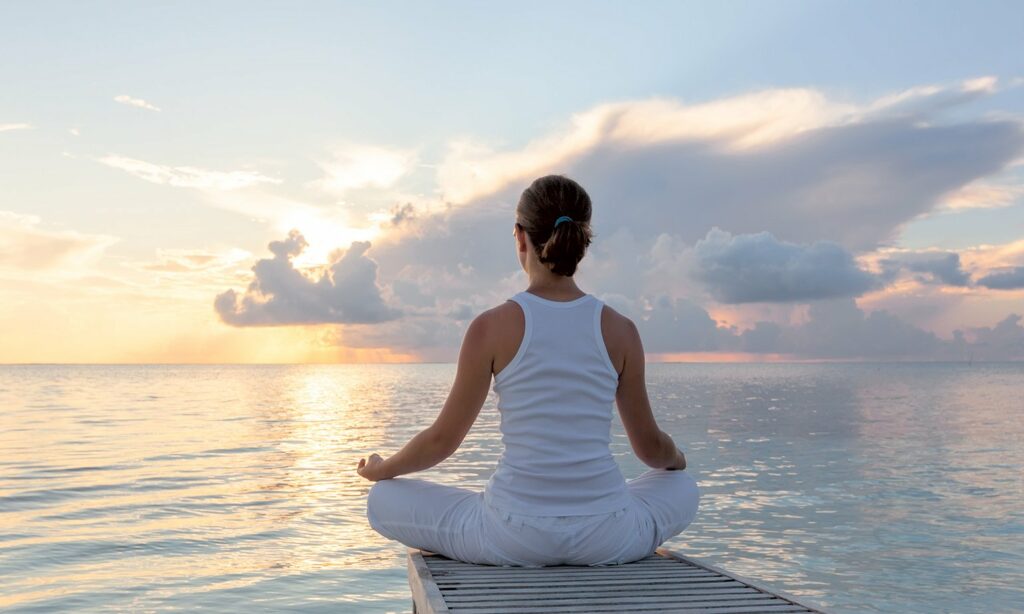
Establishing a reliable meditation practice after your workout not only enhances relaxation but also promotes long-term mental and physical well-being. Consistency is key to experiencing the full benefits of post-exercise meditation, including reduced stress, improved recovery, and a more balanced mindset. Integrating meditation seamlessly into your fitness schedule requires thoughtful planning and commitment, ensuring it becomes a natural part of your routine rather than an occasional activity.A well-structured routine helps your body and mind anticipate relaxation periods, making the practice more effective and sustainable over time.
By developing habits that align with your training schedule, you can maximize recovery, reduce muscle tension, and foster mental clarity. Regularly reviewing and adjusting your routine can prevent stagnation and keep your meditation practice engaging and beneficial.
Strategies for Integrating Meditation Seamlessly into Regular Fitness Schedules
Effective integration of post-gym meditation into your weekly routine involves designing a flexible yet consistent approach. The following strategies can facilitate this process:
Organizing a Weekly Meditation Plan Based on Workout Types
Creating a diverse weekly plan ensures your meditation practice complements your varied exercise routines, promoting balanced recovery and relaxation. Incorporating different meditation practices tailored to the intensity and nature of each workout can enhance benefits.Below is an example of a weekly plan:
| Day | Workout Type | Post-Workout Meditation Practice |
|---|---|---|
| Monday | Strength Training (Upper Body) | Body scan meditation focusing on releasing tension in the arms, shoulders, and neck. |
| Tuesday | Cardio (Running or Cycling) | Breath-focused meditation emphasizing slow, deep diaphragmatic breathing to calm the nervous system. |
| Wednesday | Strength Training (Lower Body) | Guided visualization to promote muscle recovery and mental relaxation. |
| Thursday | High-Intensity Interval Training (HIIT) | Progressive muscle relaxation to release residual tension and improve flexibility. |
| Friday | Yoga or Pilates | Mindfulness meditation focusing on body awareness and gratitude. |
| Saturday | Active Rest (Light stretching or walking) | Brief meditation session emphasizing breathing and present-moment awareness. |
| Sunday | Rest or light activity | Relaxation meditation to prepare for the upcoming week. |
Tracking Progress and Adjusting Routines for Sustained Relaxation Benefits
Maintaining motivation and ensuring continuous improvement requires monitoring your meditation practice and making adjustments as needed. Regular tracking helps identify which techniques are most effective and highlights areas for refinement.Consider using journaling, digital apps, or habit-tracking tools to record:
Based on these observations, modify your routine by:
Consistent evaluation and flexibility in your routine foster sustained relaxation, contribute to overall well-being, and support your fitness goals over time.
Ending Remarks
Incorporating meditation into your post-gym routine offers a powerful way to enhance both physical recovery and mental relaxation. By selecting suitable techniques, creating a calming environment, and maintaining consistency, you can enjoy the full benefits of mindful relaxation. Embrace these practices to foster a healthier, more balanced lifestyle and improve your overall fitness journey.