Discovering effective methods on how to meditate to improve breathing can significantly enhance your respiratory health and overall well-being. Through mindful meditation practices focused on breath awareness, individuals can cultivate greater lung capacity, reduce stress, and promote mental clarity. This comprehensive guide introduces fundamental techniques, ideal environments, guided sessions, and scientific insights to support your journey toward healthier breathing.
Whether you are a beginner or seeking to deepen your practice, understanding how meditation influences respiratory function can empower you to incorporate these techniques into your daily routine effectively. By exploring various breathing exercises and addressing common challenges, you will be equipped to achieve a more relaxed and efficient respiratory system, leading to improved quality of life.
Introduction to Meditation for Breathing Improvement
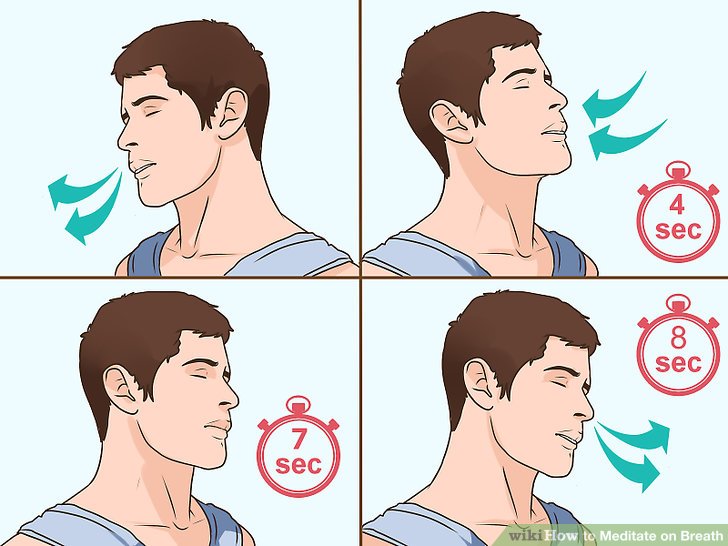
Meditation focused on breathing enhancement is a mindful practice that encourages individuals to cultivate awareness of their respiratory patterns. By intentionally directing attention to the breath, practitioners can develop healthier breathing habits, reduce stress, and foster a sense of calm and clarity. This form of meditation emphasizes slow, deep, and controlled breathing, which can significantly influence both physical and mental health.
Engaging in regular meditation centered on breath can lead to tangible benefits such as increased lung capacity, improved oxygen exchange, and enhanced respiratory efficiency. Additionally, mindful breathing practices are associated with lowered cortisol levels, reduced anxiety, and improved emotional regulation. The practice acts as a bridge between physical health and mental well-being, promoting balance and resilience through simple yet powerful breathing techniques.
Influence of Meditation on Respiratory Health and Mental Well-Being
Consistent meditation practices that focus on breathing can positively impact respiratory health by strengthening diaphragm muscles, promoting fuller lung expansion, and reducing occurrences of shallow or rapid breathing patterns often associated with stress and anxiety. These benefits contribute to increased oxygen intake and more efficient removal of carbon dioxide, supporting overall respiratory function.
Beyond physical advantages, mindful breathing meditation fosters mental health by calming the nervous system. This practice activates the parasympathetic nervous system, which is responsible for the relaxation response. As a result, individuals often experience decreased heart rate, lowered blood pressure, and a reduction in stress-related symptoms. The combined effect of improved respiratory function and mental tranquility creates a holistic improvement in overall health, making meditation an accessible and effective tool for long-term wellness.
Fundamental Techniques of Breathing Meditation

Mastering the basic techniques of breathing meditation lays a solid foundation for cultivating calmness, enhancing mental clarity, and improving overall respiratory health. These techniques serve as essential practices that can be adapted to various skill levels, providing a pathway toward more profound meditation experiences. Whether you are a beginner or seeking to deepen your existing practice, understanding the core methods is vital for effective breathing meditation.
Each technique emphasizes mindful awareness of breath, fostering a sense of presence and relaxation. They can be incorporated into daily routines, helping to reduce stress, improve lung capacity, and promote emotional stability. Below, we explore simple, intermediate, and advanced breathing meditation methods, each with specific step-by-step procedures and expected outcomes.
Simple Breathing Techniques
This introductory level focuses on cultivating basic awareness of breath, suitable for beginners. These techniques emphasize gentle observation and natural breathing patterns to develop mindfulness and relaxation.
- Basic Breath Awareness
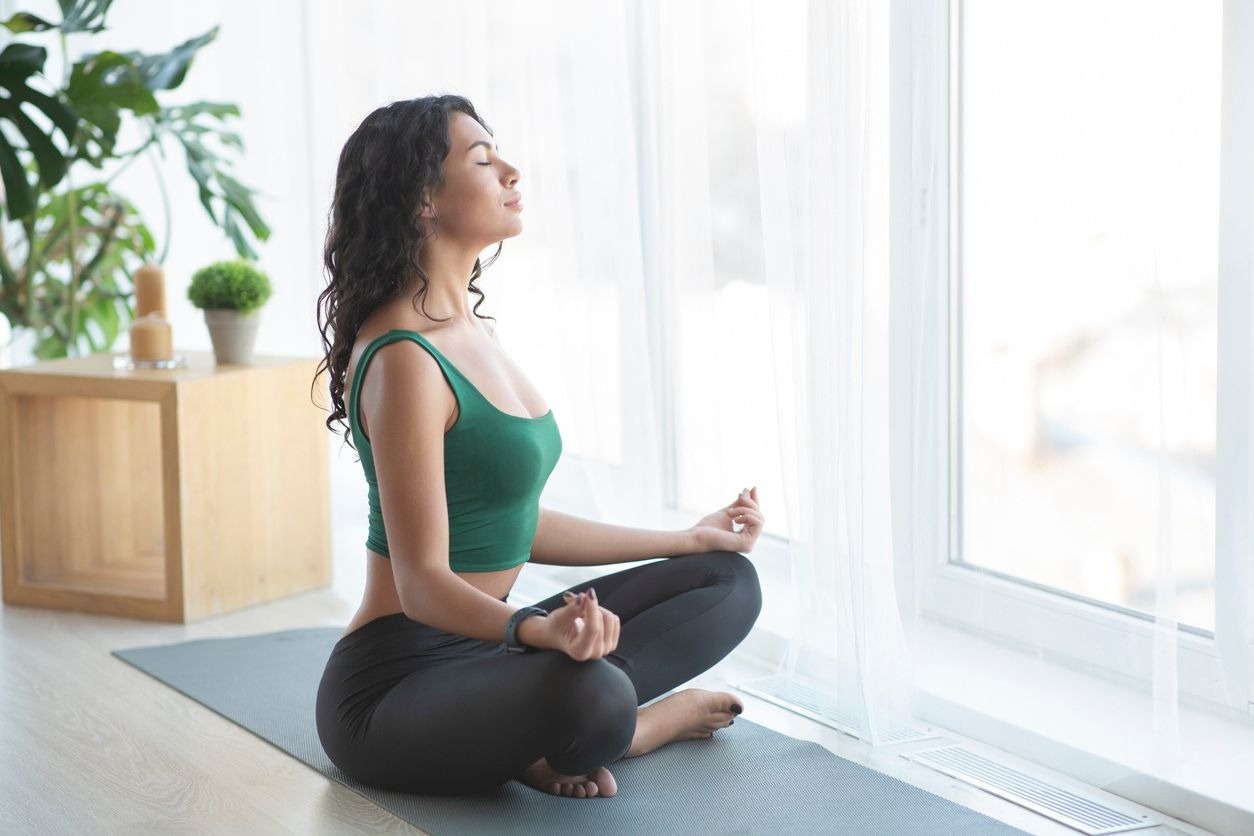
- Find a comfortable seated position with your back straight but relaxed.
- Close your eyes softly or keep a gentle gaze downward.
- Bring your attention to the natural rhythm of your breath without attempting to control it.
- Observe the sensation of air entering and leaving your nostrils, or the rising and falling of your abdomen.
- If the mind wanders, gently redirect it back to your breath without judgment.
- Practice for 3-5 minutes initially, gradually increasing as comfort develops.
Intermediate Breathing Techniques
Building on the basic awareness, these techniques introduce controlled breathing patterns to enhance focus and respiratory efficiency. They are suitable for practitioners with some experience in meditation.
- Box Breathing (Square Breathing)
- Inhale slowly through your nose for a count of four.
- Hold your breath for a count of four.
- Exhale smoothly through your mouth or nose for a count of four.
- Hold the breath out for a count of four.
- Repeat the cycle for 5-10 minutes, maintaining a relaxed and steady rhythm.
- This technique promotes balance between inhalation and exhalation, fostering calmness and mental clarity.
- Deep Diaphragmatic Breathing
- Place one hand on your chest and the other on your abdomen.
- Inhale deeply through your nose, focusing on expanding your diaphragm and pushing the abdomen outward.
- Allow your chest to rise minimally, prioritizing abdominal movement.
- Exhale slowly and completely, engaging the abdominal muscles to expel air.
- Practice for 5-8 minutes, aiming for smooth, controlled breaths that deepen your relaxation.
Advanced Breathing Techniques
These methods involve more precise control of breath and may incorporate subtle variations to enhance respiratory and mental benefits. They are recommended for experienced practitioners seeking deeper states of mindfulness or addressing specific respiratory or emotional issues.
- Alternate Nostril Breathing (Nadi Shodhana)
- Sit comfortably with a straight spine and close your right nostril with your thumb.
- Inhale slowly through the left nostril, filling your lungs completely.
- Close the left nostril with your ring finger, release the thumb from the right nostril, and exhale through the right nostril.
- Inhale through the right nostril, then close it and exhale through the left nostril.
- Repeat this alternating pattern for 10-15 minutes, maintaining a relaxed pace.
- This technique balances the nervous system and promotes mental clarity.
- Ujjayi Breathing (Victorious Breath)
- Inhale deeply through your nose, slightly constricting the back of your throat to create a gentle hissing sound.
- Allow your breath to be smooth and steady, maintaining the constriction throughout exhalation.
- Focus on the sound and sensation of breath, encouraging increased awareness and internal heat.
- Practice for 10-20 minutes, emphasizing sustained, controlled inhalations and exhalations that deepen concentration.
Breathing Techniques Comparison Table
This table summarizes different breathing meditation techniques, indicating their typical duration and the expected mental or physiological outcomes.
| Technique | Duration | Expected Outcomes |
|---|---|---|
| Basic Breath Awareness | 3-5 minutes | Relaxation, mindfulness, stress reduction |
| Box Breathing | 5-10 minutes | Calmness, mental clarity, emotional stability |
| Diaphragmatic Breathing | 5-8 minutes | Deeper relaxation, improved lung capacity, reduced anxiety |
| Alternate Nostril Breathing | 10-15 minutes | Balance, mental focus, nervous system regulation |
| Ujjayi Breathing | 10-20 minutes | Enhanced concentration, internal heat, mental steadiness |
Setting Up a Meditation Space for Breathing Practice
Creating an ideal environment for breathing meditation is essential to foster focus, relaxation, and consistency in practice. A well-designed meditation space can significantly enhance your ability to concentrate on breath awareness and deepen your mindfulness experience. The right setting not only minimizes distractions but also cultivates a sense of calm that supports sustained meditation sessions.
When establishing your meditation area, consider both physical comfort and psychological serenity. Thoughtful arrangement and personalization of the space can transform a simple corner into a sanctuary dedicated to your breathing practice. This deliberate setup encourages regular engagement and helps you associate the environment with mindfulness and tranquility.
Guidelines for Selecting a Quiet, Comfortable Environment
Choosing an environment that minimizes external noise and interruptions is vital to maintaining focus during breathing meditation. A quiet space allows you to listen inwardly to your breath and remain present without distraction. Select a location that naturally offers tranquility, such as a corner of a room away from high-traffic areas or external disturbances. If external noise is unavoidable, consider using soundproofing techniques or white noise devices to create an acoustic buffer.
Comfort is equally important; the space should promote physical ease to prevent discomfort from hampering your practice. Choose a location with adequate ventilation to ensure fresh air circulation, and maintain a temperature conducive to relaxation. The environment should evoke a sense of safety and serenity, encouraging you to settle into your meditation without tension or unease.
Necessary Items or Props That Enhance the Meditation Experience
Enhancing your meditation space with specific items can deepen your breathing practice and promote a sense of mindfulness. These props serve both functional and aesthetic purposes, helping to create a dedicated atmosphere.
- Cushions or Meditation Chairs: Provide comfort and proper posture support to maintain an upright, relaxed position during meditation. Cushions can help elevate the hips, reducing strain on the back and making it easier to breathe naturally.
- Blankets: Offer warmth and a sense of security, especially in cooler environments. They can also be used to cover the shoulders or lap to enhance comfort.
- Incense or Essential Oils: Using calming scents such as lavender or sandalwood can create a soothing atmosphere that signals the beginning of meditation and encourages relaxation.
- Lighting: Soft, ambient lighting or candles can help set a tranquil mood, avoiding harsh or bright lights that might cause visual distraction.
- Timer or Bell: A gentle timer or meditation bell can mark the beginning and end of your session, facilitating focus without the need to check the clock frequently.
Organizing and Personalizing the Space for Optimal Breathing Focus
Effective organization of your meditation space involves arranging items to support ease of use and mental clarity. Keep props within arm’s reach to minimize movement and disturbance during practice. A clutter-free environment fosters a calm mind and helps prevent distractions.
Personalization is key to making the space inviting and meaningful. Incorporate elements that evoke positive emotions or cultural significance, such as meaningful symbols, artwork, or natural elements like stones or plants. Personal touches reinforce your commitment and create a sense of ownership that encourages regular practice.
Design your meditation space as a sanctuary where your mind can settle easily. A thoughtfully organized and personalized environment acts as a physical and emotional cue, preparing you for mindful breathing and fostering consistency in your practice.
Guided Breathing Meditation Sessions
Guided breathing meditation sessions serve as an effective approach to deepen awareness of the breath and cultivate relaxation. Structured guidance helps practitioners stay focused, maintain proper breathing techniques, and experience the calming benefits of deep diaphragmatic breathing. These sessions are particularly useful for beginners and those seeking a more disciplined practice to enhance respiratory health and mental clarity.
In these sessions, the emphasis is placed on gentle, consistent guidance that encourages participants to observe their breath, relax their muscles, and foster a state of inner calm. Clear instructions and timed phases ensure a smooth progression through different stages of the meditation, making it easier to develop a sustainable and effective routine.
Designing Scripts for Guided Breathing Sessions
Effective scripts for guided breathing meditation should focus on creating a calm and welcoming environment, providing step-by-step instructions, and emphasizing mindfulness of the breath. The scripts should include prompts that guide practitioners to engage in deep diaphragmatic breathing, gradually deepen relaxation, and sustain focus without distraction.
Below are key elements to include in a guided breathing script:
- Introduction and grounding: Begin with a gentle welcome, encouraging participants to settle into a comfortable seated or lying position and to close their eyes if they wish.
- Focus on breath awareness: Invite participants to notice the natural rhythm of their breath without trying to control it initially.
- Deep diaphragmatic breathing instruction: Guide them to breathe deeply into the belly, expanding the abdomen on inhalation and gently releasing on exhalation.
- Use of visualization and affirmations: Incorporate calming imagery or affirmations to promote relaxation and sustained focus.
- Gradual transition and closing: Encourage gentle awareness of the body and surroundings before slowly bringing the session to a close, maintaining a sense of calm.
Structured Meditation Session with Timed Phases
Implementing a structured session with designated timed phases enhances consistency and helps practitioners manage their focus and relaxation levels throughout the practice. A typical session can be divided into several stages, each with specific durations:
| Phase | Description | Duration |
|---|---|---|
| Preparation | Settling into a comfortable position, closing eyes, and taking a few initial breaths to center attention. | 2 minutes |
| Focused breathing | Observing natural breath flow, becoming aware of the inhale and exhale cycles without interference. | 3 minutes |
| Deep diaphragmatic breathing | Guided instructions to breathe deeply into the diaphragm, emphasizing expansion of the abdomen during inhalation and gentle relaxation during exhalation. | 5 minutes |
| Relaxation and visualization | Fostering relaxation through visualization and affirmations, encouraging a sense of calm and spaciousness within the body and mind. | 3 minutes |
| Closing | Gradually returning awareness to the surroundings, gently opening the eyes, and reflecting on the experience. | 2 minutes |
“Consistent, guided practice helps reinforce proper breathing techniques, leading to improved respiratory function and mental well-being.”
Practitioners are encouraged to follow this structured timing, adjusting durations based on individual comfort levels and experience. Regular sessions of 10 to 15 minutes can significantly enhance breathing capacity, reduce stress, and promote overall health.
Techniques to Improve Breathing Through Meditation
Enhancing respiratory health and lung capacity through meditation involves practicing specific breathing techniques that strengthen the respiratory muscles, increase lung efficiency, and promote better oxygen exchange. These techniques are designed to cultivate mindful awareness of breath patterns, allowing individuals to optimize their breathing habits and experience lasting health benefits.
By integrating controlled breathing exercises into regular meditation routines, practitioners can develop greater respiratory resilience. These exercises help to expand lung capacity, improve airflow, and reduce respiratory fatigue, especially beneficial for individuals with asthma, COPD, or those seeking to enhance overall respiratory function.
Progressive Breathing Exercises
Progressive breathing exercises involve systematic techniques that gradually improve lung function and breathing control. The most effective methods include belly breathing, box breathing, and alternate nostril breathing. Each technique offers unique benefits and can be adapted to suit individual needs and experience levels.
| Technique Name | Steps | Benefits | Duration |
|---|---|---|---|
| Belly Breathing (Diaphragmatic Breathing) |
|
|
5–10 minutes per session, repeated 2–3 times daily. |
| Box Breathing (Square Breathing) |
|
|
5–10 minutes per session, adaptable based on comfort. |
| Alternate Nostril Breathing (Nadi Shodhana) |
|
|
5–15 minutes, practiced 1–2 times daily. |
Each of these techniques contributes to improved lung function by emphasizing slow, controlled, and mindful breathing. Regular practice helps build respiratory endurance, reduces breathing irregularities, and fosters a sense of calm and physical well-being. Incorporating these exercises into meditation routines can facilitate sustained health improvements and support overall respiratory efficiency.
Common Challenges in Breathing Meditation and Solutions
Practicing breathing meditation can sometimes present obstacles that hinder progress or diminish the overall experience. Recognizing these common difficulties and implementing practical solutions can help deepen your practice and promote more effective breathing patterns. Being aware of potential issues allows practitioners to address them proactively, creating a more comfortable and fruitful meditation environment.Many individuals encounter challenges such as distraction, shallow breathing, or physical discomfort during their meditation sessions.
These issues can disrupt focus, reduce the benefits of the practice, or even discourage continued effort. Understanding the root causes of these problems and applying targeted strategies can significantly improve your meditation experience, making it more sustainable and enjoyable.
Distraction and Wandering Mind
Distraction and a wandering mind are among the most frequent challenges faced during breathing meditation. External noises, intrusive thoughts, or emotional disturbances can pull attention away from the breath, affecting concentration and relaxation.To address this challenge, practitioners can:
- Use mental cues such as softly repeating a calming word or phrase to anchor attention.
- Set a gentle intention at the beginning of each session to remain focused on the breath.
- Accept distractions without judgment, gently guiding attention back to the breath each time the mind wanders.
- Create a quiet, dedicated meditation space to minimize external interruptions.
Shallow or Chest Breathing
Many beginners tend to breathe shallowly, primarily using their chest rather than engaging their diaphragm. Shallow breathing limits oxygen intake and can lead to feelings of dizziness or fatigue, impairing meditation quality.Strategies to promote deeper, diaphragmatic breathing include:
- Focusing on expanding the abdomen gently with each inhale, which encourages diaphragmatic engagement.
- Practicing slow, deliberate inhalations and exhalations to develop awareness of full, deep breathing.
- Adjusting posture to a more upright position, which facilitates better lung expansion and diaphragm movement.
- Using visualizations, such as imagining the breath filling the belly like a balloon inflating, to reinforce diaphragmatic breathing.
Physical Discomfort and Restlessness
Uncomfortable postures, cramped muscles, or restlessness can distract from meditation and reduce endurance over time. Discomfort may manifest as back pain, tight shoulders, or an uneasy feeling that compels movement.Effective solutions include:
- Adjusting your seated position to find a stable, comfortable posture, using cushions or chairs as needed.
- Ensuring that your meditation space has proper support and ergonomics to prevent strain.
- Incorporating gentle stretching before sitting to release tension in the neck, shoulders, and back.
- Scheduling shorter meditation sessions initially and gradually increasing duration to build tolerance and comfort.
Troubleshooting Persistent Issues
Despite best efforts, some difficulties may persist, requiring specific troubleshooting techniques:
Persistent distraction: Use visual anchors such as focusing on a specific object or your breath’s tip. Practice mindfulness throughout the day to improve overall concentration.
Shallow breathing despite awareness: Incorporate breathing exercises outside of meditation to strengthen diaphragmatic function. Consult a healthcare professional if underlying respiratory issues are suspected.
Discomfort that worsens: Reassess posture and environment, and consider consulting a meditation instructor or medical professional to rule out physical conditions.
By applying these targeted strategies and being patient with the process, meditation practitioners can overcome common challenges, leading to more effective breathing practices and a greater sense of calm and clarity during meditation sessions.
Scientific Insights on Meditation and Respiratory Health
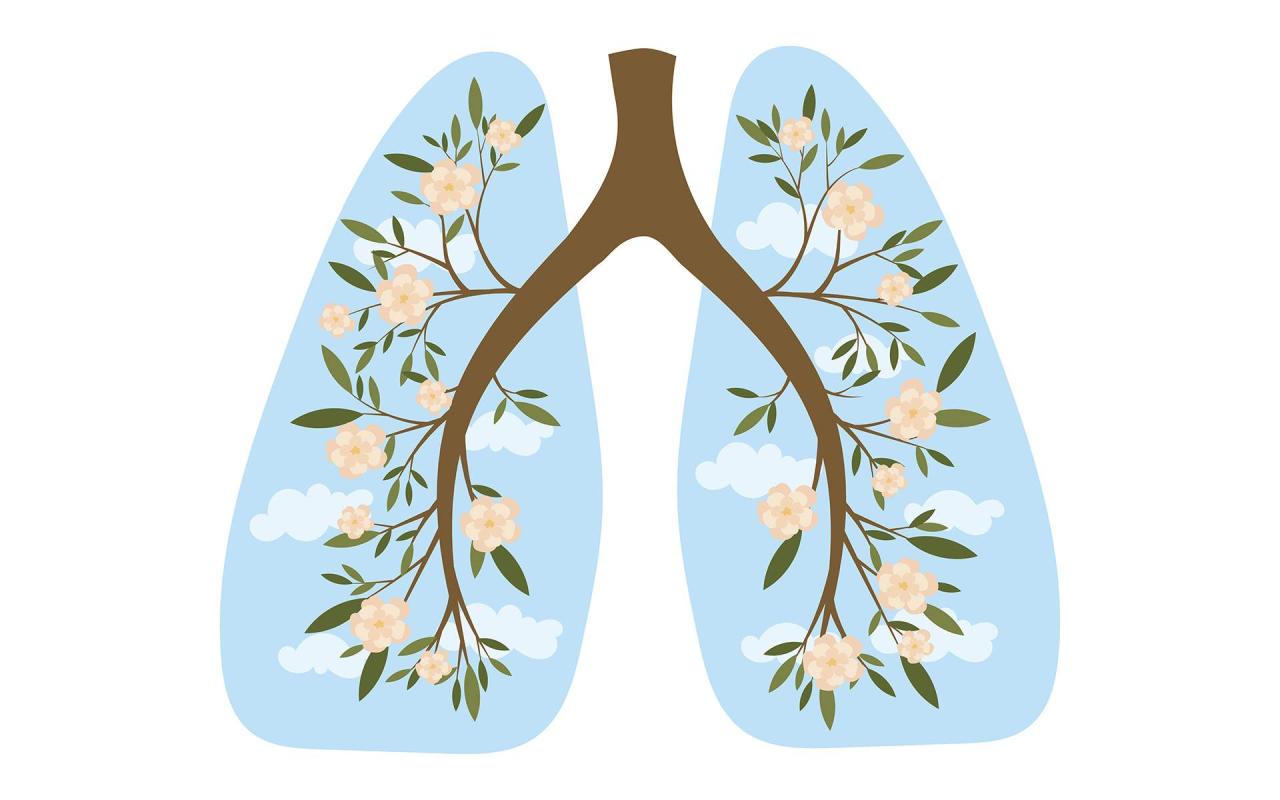
Recent scientific investigations have increasingly highlighted the positive impact of meditation practices on respiratory function and overall lung health. As interest grows in holistic approaches to wellness, understanding the physiological mechanisms underlying these benefits provides valuable insights into how meditation can serve as a complementary tool for respiratory improvement.
Research studies have demonstrated that regular meditation can enhance lung capacity, improve oxygen exchange, and reduce respiratory symptoms in various populations. These findings are supported by a growing body of evidence from clinical trials, neuroimaging studies, and physiological assessments, shedding light on the complex interactions between meditation practices and respiratory health.
Physiological Mechanisms Involved in Improved Respiration Through Meditation
Several physiological processes are activated through consistent meditation that contribute to better breathing and lung function. These mechanisms include modulation of the autonomic nervous system, reduction of systemic inflammation, and enhancement of respiratory muscle strength.
Meditation techniques often promote parasympathetic nervous system activation, which leads to decreased heart rate, lowered blood pressure, and relaxation of airway muscles. This relaxation can alleviate symptoms related to asthma and chronic obstructive pulmonary disease (COPD), and improve overall airflow. Additionally, meditation influences neural pathways involved in respiratory control, fostering more efficient breathing patterns and greater lung capacity.
Neurophysiological studies have shown that meditation reduces activity in the sympathetic nervous system, which is often overactive in individuals with respiratory problems. This shift toward parasympathetic dominance improves respiratory efficiency and helps restore normal breathing rhythms, especially during stress responses that typically exacerbate breathing difficulties.
Comparison of Breathing Metrics Before and After Meditation Practice
Understanding measurable changes in respiratory parameters provides concrete evidence of meditation’s benefits. The following table summarizes typical breathing metrics observed before and after consistent meditation sessions, based on recent scientific studies:
| Breathing Metric | Before Meditation Practice | After Regular Meditation Practice | Observed Improvements |
|---|---|---|---|
| Forced Vital Capacity (FVC) | Approximately 3.0 liters | Increased to about 3.4 liters | Enhanced lung volume and capacity |
| Peak Expiratory Flow Rate (PEFR) | Average around 400 L/min | Increased to approximately 450 L/min | Improved airflow and airway patency |
| Respiratory Rate | Usually 14-20 breaths per minute | Reduced to about 12-16 breaths per minute | More efficient, relaxed breathing pattern |
| Oxygen Saturation (SpO2) | Typically 96-98% | Maintained around 98-99% | Better oxygen exchange and tissue oxygenation |
| Heart Rate Variability (HRV) | Lower HRV indicating stress | Higher HRV reflecting relaxation | Enhanced autonomic balance and respiratory regulation |
These improvements underscore the significant physiological benefits of meditation on respiratory health, offering a non-invasive, accessible means to support lung function and overall well-being through consistent practice.
Outcome Summary
In summary, mastering how to meditate to improve breathing offers a practical pathway to enhanced respiratory health and mental relaxation. Consistent practice, combined with proper technique and environment setup, can lead to meaningful benefits that extend beyond breathing alone. Embrace these methods to nurture your body and mind, and enjoy the lasting advantages of mindful breathing.