Discovering effective meditation techniques before hitting the gym can significantly boost both your mental clarity and physical performance. Incorporating these practices into your pre-workout routine prepares your mind for focused activity, enhances motivation, and helps set positive intentions for the session ahead. By understanding and applying a variety of meditation methods, you can create a more mindful and energized approach to your fitness journey.
Introduction to Meditation Before Gym
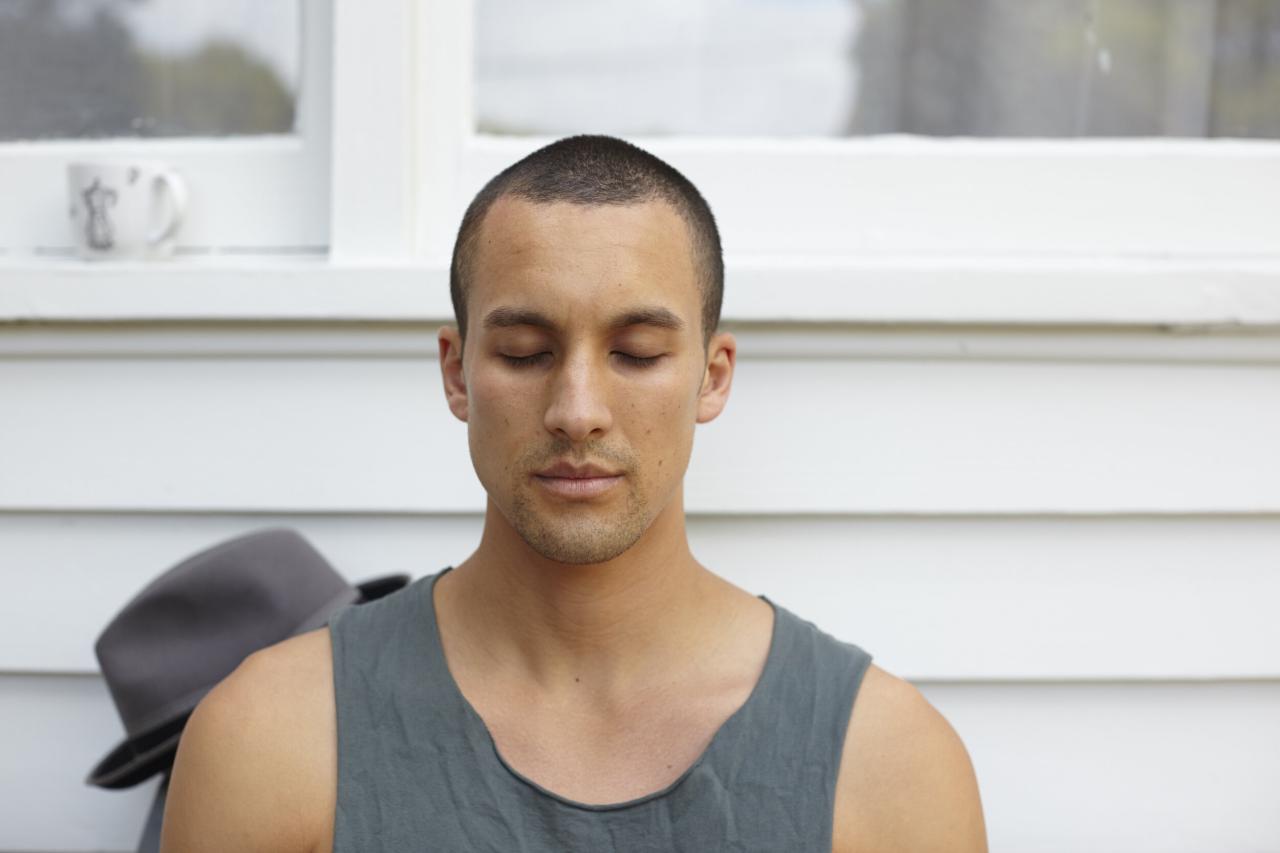
Incorporating meditation into your workout routine offers a powerful way to enhance both mental clarity and physical performance. When practiced before hitting the gym, meditation serves as an effective mental warm-up, preparing your mind and body for an optimal exercise session. It fosters a state of calm focus, reduces pre-workout anxiety, and boosts overall motivation, making your workout more efficient and enjoyable.
By integrating meditation as part of your pre-gym routine, you create a mindful transition from daily stresses to physical activity. This mental preparation helps in setting clear intentions for your workout, whether it’s building strength, increasing endurance, or improving flexibility. Additionally, a few moments of centered awareness can sharpen concentration, enabling you to perform exercises with better form and reduced risk of injury.
Overall, meditation acts as a bridge that aligns mental and physical readiness, leading to improved results and a more fulfilling fitness journey.
Setting Intentions and Enhancing Focus
One of the key benefits of meditating before exercise is the ability to set meaningful intentions. This practice allows individuals to clarify their goals, whether they aim to push through a challenging set or focus on proper technique. Intentions cultivated during meditation can serve as motivational anchors, keeping you committed during strenuous moments.
Furthermore, meditation enhances focus by calming racing thoughts and promoting present-moment awareness. As a result, athletes and fitness enthusiasts can concentrate more deeply on their movements, breathing, and body sensations. This heightened focus translates into more precise and effective workouts, improving performance and reducing the likelihood of mistakes or injuries. Regular pre-exercise meditation cultivates mental discipline, empowering you to approach each session with clarity and purpose, ultimately leading to better fitness outcomes.
Overview of 12 Meditation Techniques Suitable Before Gym
Engaging in meditation prior to your workout can significantly enhance focus, reduce pre-exercise anxiety, and prepare your mind for optimal physical performance. The following twelve meditation techniques are curated to fit various time frames and purposes, ensuring you can select the most suitable method based on your available time and personal preference. Each technique offers unique benefits, whether you’re seeking quick mental clarity or a more extended session to deepen relaxation and mindfulness.
The diversity of these meditation styles allows exercisers to tailor their pre-gym routine, integrating mindfulness seamlessly into their fitness regimen. Understanding each technique’s purpose and suitability will help you maximize both mental and physical benefits, leading to more effective workouts and improved overall well-being.
List of 12 Meditation Techniques with Brief Descriptions
| Technique | Description | Suitable Duration |
|---|---|---|
| Mindful Breathing | Focuses on deep, intentional breaths to anchor attention in the present moment, calming the mind and body. | Quick sessions (2-5 minutes) |
| Body Scan Meditation | Involves systematically directing awareness through different parts of the body to release tension and promote relaxation. | Moderate (5-10 minutes) |
| Guided Visualization | Uses mental imagery to visualize successful workouts or calming scenes, enhancing motivation and mental clarity. | Short to moderate (5-10 minutes) |
| Progressive Muscle Relaxation | Gradually tenses and relaxes muscle groups to reduce physical tension and increase bodily awareness. | Moderate (5-10 minutes) |
| Loving-Kindness Meditation | Involves cultivating compassion and positive feelings towards oneself and others, fostering mental positivity. | Longer sessions (10-15 minutes) |
| Counting Breaths | Focuses on counting each breath cycle to deepen concentration and block out distractions. | Quick (2-5 minutes) |
| Walking Meditation | Combines mindful awareness with slow, deliberate walking to activate both body and mind. | Moderate (5-10 minutes) |
| Chanting or Mantra Meditation | Repeats a specific word, phrase, or sound to center the mind and foster focus. | Moderate (5-10 minutes) |
| Visualization of Goals | Imagines achieving specific fitness goals to boost motivation and mental readiness. | Short to moderate (5-10 minutes) |
| Alternate Nostril Breathing | A yogic technique balancing the nervous system by alternately breathing through each nostril. | Moderate (5-10 minutes) |
| Focused Attention Meditation | Directs attention to a single object, sound, or thought, promoting deep concentration. | Quick to moderate (3-10 minutes) |
| Affirmation Meditation | Uses positive affirmations to reinforce confidence and mental positivity before exercise. | Short to moderate (5-10 minutes) |
Organizing Techniques by Type and Purpose
To facilitate efficient selection, the techniques can be grouped based on their primary purpose and duration. Quick, focused practices are ideal when time is limited, offering rapid mental refreshment. Longer sessions allow for more profound relaxation and mental clarity, beneficial for individuals seeking a deeper pre-workout mental state.
Quick sessions (2-5 minutes): Mindful Breathing, Counting Breaths, Focused Attention Meditation, Visualization of Goals
Moderate sessions (5-10 minutes): Body Scan Meditation, Guided Visualization, Progressive Muscle Relaxation, Walking Meditation, Alternate Nostril Breathing, Affirmation Meditation
Longer sessions (10-15 minutes): Loving-Kindness Meditation, Visualization of Goals, some breathing techniques
Step-by-Step Guide to Practicing Each Technique
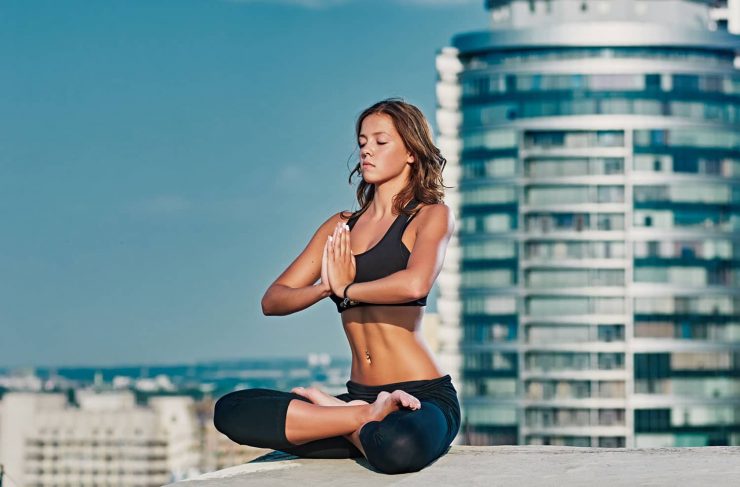
Mastering each of the 12 meditation techniques before your gym session involves understanding precise procedures that optimize focus, relaxation, and mental clarity. This guide provides detailed instructions on how to prepare, adopt the correct posture, regulate your breathing, and determine an appropriate duration for each technique. Following these steps ensures consistency and effectiveness in your pre-workout meditation routine.
Each technique requires specific considerations to maximize benefits. Below, a structured comparison table Artikels the procedural elements for each method, highlighting similarities and differences to facilitate easy practice and recall.
Preparation and Environment Setup
Before beginning any meditation technique, ensure the environment is conducive to focus and relaxation. Items and settings that enhance the experience include:
- Quiet, distraction-free space
- Comfortable seating or cushion
- Soft lighting or natural light
- Comfortable clothing that does not restrict movement
- Optional: calming background music or natural sounds
Procedures for Each Meditation Technique
| Technique | Preparation | Posture | Breathing | Duration |
|---|---|---|---|---|
| Mindful Breathing | Find a quiet space, sit comfortably | Sit upright with back straight, hands resting on lap | Deep inhalations through nose, slow exhalations through mouth or nose | 5-10 minutes |
| Body Scan | Lie down or sit comfortably, close eyes | Maintain an upright or reclined posture, relaxed shoulders | Gentle, natural breaths; focus on each body part during inhale and exhale | 10-15 minutes |
| Guided Visualization | Read or listen to a guided script, settle into a comfortable position | Sit or lie down, keeping spine straight or relaxed | Normal breathing, focus on imagined scenes or images | 10-20 minutes |
| Counting Breaths | Sit comfortably, minimize distractions | Straight back, relaxed shoulders, hands on thighs | Inhale and exhale slowly, count each breath cycle up to 10 | 5-10 minutes |
| Mantra Repetition | Choose a calming mantra, sit comfortably | Sit with spine erect, hands resting comfortably | Inhale deeply, repeat mantra on exhale | 10-15 minutes |
| Walking Meditation | Find a quiet, open space, preferably indoors or in nature | Stand upright, walk slowly with mindful awareness | Breathing synchronized with steps, deep and steady | 10-20 minutes |
| Focused Attention on Breath | Sit comfortably, close eyes or soften gaze | Straight back, relaxed facial muscles | Pay attention solely to the sensation of breath entering and leaving nostrils or chest | 10-15 minutes |
| Progressive Relaxation | Lie down or sit in a comfortable position | Loose, relaxed posture, eyes closed | Deep, slow breaths, progressively tensing and releasing muscle groups | 15-20 minutes |
| Chanting or Affirmations | Select a calming chant or affirmation, find a quiet spot | Sit upright with relaxed shoulders | Normal breathing, repeat chant or affirmation rhythmically | 10-15 minutes |
| Alternate Nostril Breathing | Sit comfortably, hands resting on knees | Back straight, shoulders relaxed | Use thumb and ring finger to alternate closing nostrils, inhale and exhale through alternate nostrils | 5-10 minutes |
| Visualization of Success | Relaxed seated position, eyes closed | Sit upright, spine straight | Steady, relaxed breathing | 10-15 minutes |
| Mindful Observation | Sit or stand comfortably, focus on surroundings or an object | Maintain an alert yet relaxed posture | Natural, unforced breaths | 10 minutes |
Incorporating Meditation Techniques into Your Pre-Gym Routine
Engaging in meditation before your workout can significantly enhance your focus, reduce stress, and prepare your mind for physical activity. Integrating meditation seamlessly into your pre-gym routine ensures you maximize these benefits without disrupting your workout schedule. Proper planning and mindful execution can help establish a consistent habit that complements your fitness goals and promotes overall well-being.A well-structured approach involves scheduling dedicated time for meditation prior to exercising and creating a smooth transition from mental preparation to physical movement.
This process not only sets a positive tone for your workout but also cultivates mental clarity and physical readiness, leading to improved performance and reduced risk of injury. By adopting specific strategies and maintaining consistency, you can transform your pre-gym routine into a holistic practice that nurtures both mind and body.
Suggested Schedule for Integrating Meditation Before Workouts
To effectively incorporate meditation into your pre-exercise routine, consider establishing a clear and consistent schedule. The ideal timing depends on your workout routine and daily commitments, but the following guidelines can serve as a foundation:
- Allocate 5-10 minutes immediately before your workout for meditation. This duration is sufficient to calm the mind and enhance focus without delaying your exercise session.
- Choose a quiet, comfortable space where you won’t be disturbed. This could be a corner in your home, a quiet gym area, or even outdoors in a peaceful setting.
- Set a regular daily time, such as morning before breakfast or evening before bed, to reinforce the habit and ensure consistency.
For example, if you typically head to the gym at 7:00 AM, plan to arrive by 6:45 AM to dedicate 5-10 minutes to meditation. This approach creates a structured routine that your mind associates with physical activity, fostering mental readiness.
Methods for Transitioning from Meditation to Physical Activity
A smooth transition from meditation to exercise minimizes disruptions and maintains the mental clarity gained. Implementing deliberate steps can facilitate this process:
- Gradually increase physical activity intensity: After completing your meditation, start with light stretching or gentle warm-up exercises to ease your body into movement.
- Maintain awareness of your breath: Continue to focus on your breathing during the initial moments of exercise to preserve the calm and centeredness achieved through meditation.
- Use visualization techniques: Visualize your workout goals during meditation, which can motivate and prepare you mentally for the physical activity ahead.
- Stay mindful during the transition: Keep a gentle focus on your body and environment as you shift from the meditative state to active movement, avoiding sudden or abrupt changes.
For instance, after practicing mindfulness breathing, you might perform a few dynamic stretches while maintaining a deep, steady breath, allowing your mind to stay centered while your body warms up.
Tips for Maintaining Consistency and Enhancing Focus During Your Gym Session
Sustaining a meditation practice integrated into your workout routine requires discipline and intention. The following tips can help reinforce your efforts:
- Set clear intentions: Remind yourself of the benefits meditation provides, such as increased focus, reduced anxiety, and improved performance, to motivate consistency.
- Create a dedicated space and routine: Consistently meditate in the same location and follow the same steps to establish a recognizable and reinforcing pattern.
- Track your progress: Keep a journal or use reminder apps to monitor your meditation and workout consistency, celebrating small achievements to stay motivated.
- Incorporate mindful awareness during exercise: Continue applying mindfulness techniques during your workout, such as focusing on each movement or maintaining awareness of your breath, to sustain mental clarity.
- Adjust techniques as needed: If certain meditation methods resonate more with you, prioritize those to deepen your practice and enhance your focus over time.
For example, integrating breathing awareness during high-intensity intervals can help maintain composure and focus, leading to more effective workouts and a sustained meditative state that supports both mental and physical resilience.
Benefits of Using Different Meditation Techniques Before Gym
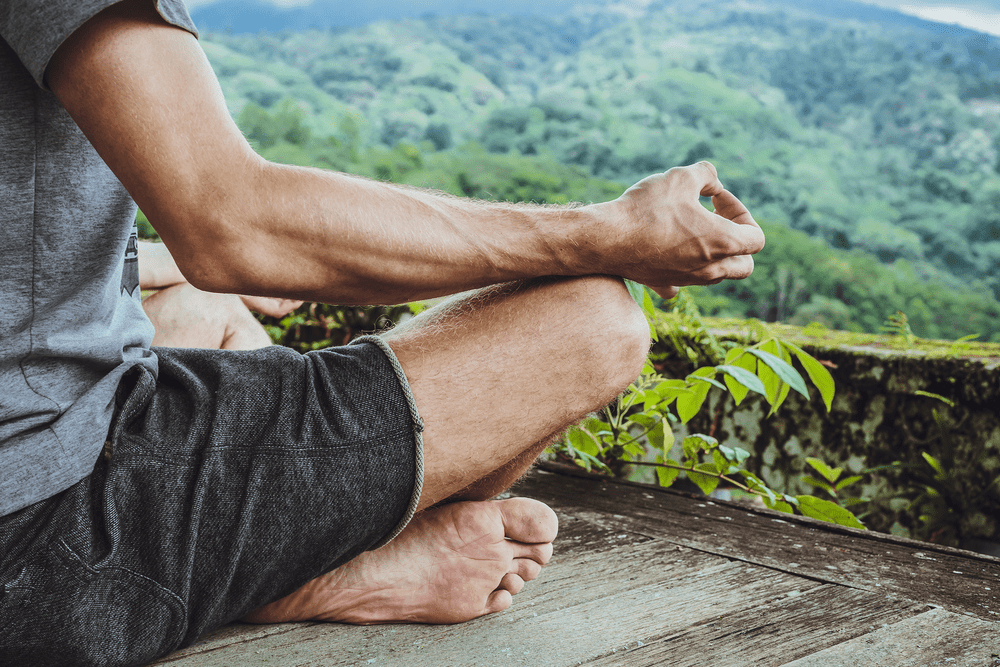
Incorporating various meditation techniques into your pre-gym routine can significantly influence your workout performance by enhancing energy levels, motivation, and mental clarity. Each technique offers unique advantages, allowing you to tailor your mental preparation to your specific fitness goals and personal preferences. Understanding how these practices affect your mind and body can help you optimize your exercise sessions for better results and a more enjoyable experience.
By engaging in different meditation styles before working out, individuals can experience a range of benefits that support physical activity. Whether it’s calming the mind, boosting energy, or improving focus, each technique contributes differently. Recognizing these effects enables a more strategic approach to mental preparation, ultimately leading to higher motivation, increased endurance, and improved workout quality.
Enhanced Energy and Motivation
Many meditation techniques serve to invigorate the mind and body, setting a positive tone before physical exertion. For instance, dynamic breathing exercises like energizing breathwork can increase oxygen flow, leading to heightened alertness and vitality. Similarly, visualization practices can enhance motivation by mentally rehearsing successful workouts, fostering a proactive attitude. These methods help overcome mental fatigue and inertia, making it easier to start and maintain high energy levels throughout the session.
Improved Mental Clarity and Focus
Techniques such as mindfulness meditation and body scans promote mental clarity and present-moment awareness. Engaging in these practices before your workout can sharpen focus, reduce distractions, and cultivate a sense of calmness. This heightened mental state supports better coordination, technique, and safety during exercise, ultimately contributing to more effective training sessions.
Comparison of Meditation Techniques and Their Effects on Workout Outcomes
| Technique | Effects on Energy Levels | Impact on Motivation | Influence on Mental Clarity |
|---|---|---|---|
| Deep Breathing (e.g., diaphragmatic or box breathing) | Significantly increases oxygen intake, resulting in immediate boosts in alertness and vitality. | Helps reduce anxiety and stress related to workout goals, fostering a motivated mindset. | Enhances focus by calming the nervous system and grounding attention. |
| Visualization | Prepares the body mentally for high performance, leading to a more energetic workout. | Strengthens motivation through mental rehearsal of success, increases confidence. | Sharpens focus on specific movements or goals, reducing mental clutter. |
| Mindfulness Meditation | Reduces stress, preventing fatigue caused by mental overload, thus maintaining steady energy. | Fosters a positive attitude towards exercise, promoting consistency. | Improves concentration, allowing for more precise and mindful movements. |
| Body Scan | Increases awareness of bodily sensations, helping identify areas of tension or fatigue early. | Encourages a respectful approach to physical limits, sustaining motivation through improved self-awareness. | Develops present-moment attention, supporting better technique and injury prevention. |
Achieving the right mental state through meditation can translate into tangible workout benefits, such as increased endurance, better form, and a greater sense of accomplishment.
Common Challenges and Solutions When Meditating Before Gym
Engaging in meditation prior to your workout can significantly enhance focus, reduce stress, and improve overall performance. However, many individuals face obstacles that hinder effective meditation practice in the limited time available before hitting the gym. Recognizing these challenges and implementing practical solutions ensures that your pre-gym meditation routine remains beneficial and sustainable.Effective meditation requires consistent practice and a conducive environment.
When obstacles such as time constraints, distractions, or difficulty focusing arise, they can diminish the quality of your meditation and potentially discourage regular practice. Addressing these common issues with targeted strategies can help you seamlessly incorporate meditation into your pre-workout routine, enhancing both your mental clarity and physical performance.
Time Constraints
One of the most prevalent challenges is finding sufficient time for meditation before a workout, especially on busy mornings or during packed schedules. Rushing through meditation can lead to superficial practice that offers limited benefits. To overcome this, it is essential to allocate specific time slots dedicated solely to meditation, even if only for 5-10 minutes. Preparing a consistent routine helps condition your mind to prioritize this time, making it a non-negotiable part of your pre-gym preparation.
Optimize your schedule by waking up 10 minutes earlier or integrating meditation into your warm-up routine to ensure consistency.
Distraction and Noise
External distractions such as noise, interruptions, or a cluttered environment can significantly impair focus during meditation. Creating a peaceful, designated space helps minimize these disruptions. Using noise-canceling headphones or playing calming background sounds can further enhance concentration. If external noise is unavoidable, focusing on breath or a mantra can help tune out distractions and anchor your attention inward.
Designate a quiet corner at home or in your gym locker area where you can meditate with minimal interruptions.
Difficulty Focusing
Maintaining focus during meditation can be challenging, especially for beginners or when experiencing pre-work jitters. Using mental strategies such as guided meditation, visualization, or focusing on bodily sensations can aid concentration. Setting a clear intention for each session and gently redirecting your attention when it wanders are key practices. Over time, these techniques strengthen your mental resilience and improve your ability to stay present.
Avoid self-criticism when your mind drifts; instead, practice gentle redirection to your chosen focal point.
Solutions Organized in a Table for Quick Reference
| Challenge | Effective Solution | Implementation Tips |
|---|---|---|
| Limited Time | Schedule short sessions and integrate into warm-up | Set alarms or reminders; practice for 5-10 minutes |
| External Distractions | Create a dedicated, quiet space and use calming sounds | Use noise-canceling headphones; choose a consistent location |
| Difficulty Focusing | Use guided meditations or focus on breath/body sensations | Download meditation apps; set a clear intention for each session |
| Pre-Workout Anxiety | Practice deep breathing or progressive muscle relaxation | Incorporate these techniques into your meditation to calm nerves |
Additional Tips for Maximizing Meditation Benefits Before Workout
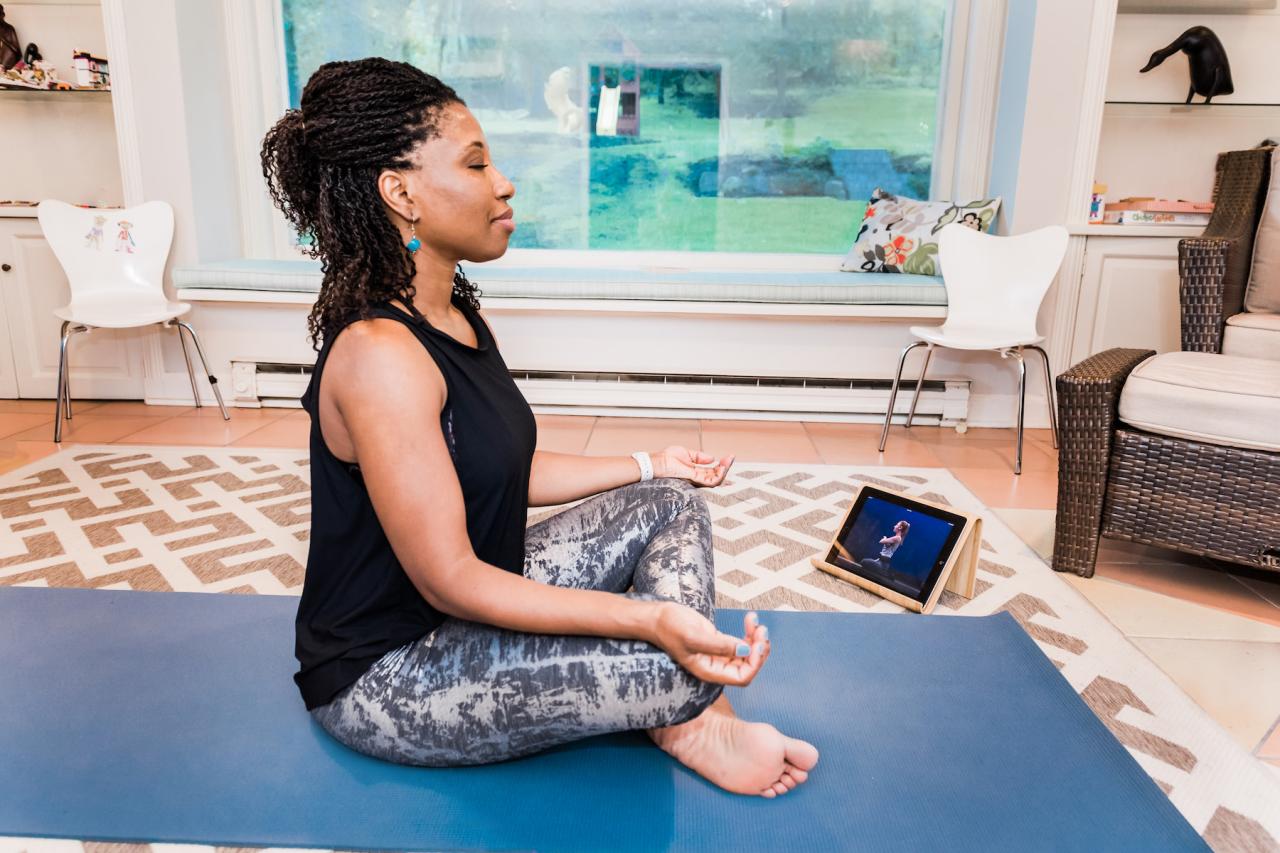
Engaging in meditation prior to your gym session can significantly enhance your focus, energy levels, and overall workout performance. To fully realize these benefits, it is essential to create an environment and routine that supports effective meditation practices. Implementing organizational strategies and specific techniques can help you establish consistency and deepen your experience, making your pre-workout meditation a powerful tool for physical and mental preparation.A well-structured approach ensures that your meditation session is not only effective but also seamlessly integrated into your pre-gym routine.
By paying attention to both your physical setup and mental cues, you can optimize the benefits of each meditation technique, leading to more energized and mindful workouts.
Creating a Dedicated Meditation Space
Establishing a specific area reserved for meditation encourages consistency and helps your mind associate that space with relaxation and focus. Choose a quiet, clutter-free corner in your home or gym area where distractions are minimal. Use calming elements such as soft lighting, comfortable seating, and perhaps some natural décor like plants or stones to cultivate tranquility. Regularly dedicating this space reinforces the habit and enhances the effectiveness of your meditation sessions.
Breathing Exercises and Mindfulness Cues to Enhance Focus
Deep breathing exercises serve as a cornerstone for sharpening concentration and calming the mind before exercise. Techniques such as diaphragmatic breathing, box breathing, or alternate nostril breathing can be practiced to regulate your heart rate and center your attention. Incorporate mindfulness cues such as gently acknowledging your thoughts without judgment or focusing solely on the sensation of your breath to deepen your presence during meditation.
These practices cultivate heightened awareness, which translates into improved mental clarity during your workout.
Quick Tips to Prepare Mentally and Physically
To maximize the benefits of your pre-gym meditation, consider the following quick tips:
- Arrive early: Allocate enough time before your workout to complete your meditation without feeling rushed.
- Set an intention: Clearly define your goal for the session, whether it is to boost energy, reduce anxiety, or improve focus.
- Wear comfortable clothing: Choose loose, breathable attire that facilitates relaxation and mindful breathing.
- Limit distractions: Turn off notifications on your devices and inform others of your meditation time to ensure uninterrupted focus.
- Stay hydrated: Drink a glass of water beforehand to support physical well-being and mental alertness.
- Use calming sounds or music: Gentle, ambient sounds can deepen your relaxation and help maintain focus.
- Maintain good posture: Sit with a straight spine to promote alertness and facilitate smooth breathing.
This mindful preparation primes both mind and body, creating an optimal state for your workout ahead.
Conclusive Thoughts
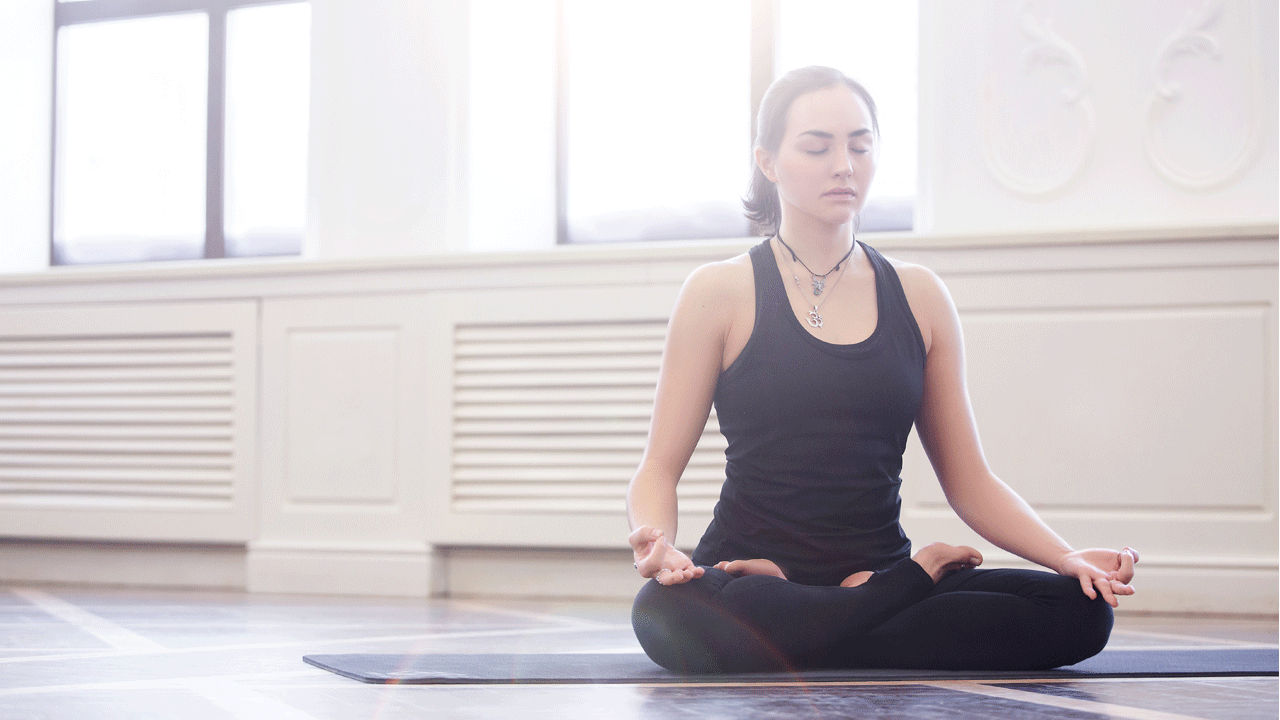
Incorporating twelve diverse meditation techniques into your pre-gym routine offers a powerful way to optimize your workout experience. These practices facilitate mental preparation, increase focus, and elevate motivation, ultimately leading to improved performance and greater satisfaction from your exercises. Embracing meditation as a regular part of your fitness regimen can transform your approach to physical activity and foster long-term wellness benefits.