Practicing meditation can significantly accelerate the recovery process by promoting mental clarity and physical healing. Understanding how to incorporate a simple, effective meditation routine into your daily life can lead to noticeable improvements in well-being. Whether you are recovering from an injury or managing stress, mastering these five steps provides a practical approach to harnessing meditation’s restorative power.
This guide offers a clear, step-by-step method to meditate effectively, along with tips on creating an ideal environment, enhancing your practice, and tracking your progress. By following these guidelines, you can deepen your recovery journey with mindfulness and focus, transforming your healing experience into a calming and empowering routine.
Introduction to Meditation for Faster Recovery
Meditation has emerged as a valuable tool in promoting faster physical and mental recovery, especially for individuals recovering from illness, injury, or stressful experiences. Its integration into recovery routines can significantly enhance the body’s natural healing processes, reducing stress and improving overall well-being. Recognizing the importance of mental calmness and focused awareness, meditation helps individuals manage pain, alleviate anxiety, and foster a resilient mindset essential for healing.
Research indicates that regular meditation stimulates the parasympathetic nervous system, often referred to as the body’s “rest and digest” mode. This activation encourages relaxation, lowers cortisol levels, and improves blood circulation—all critical factors in the recovery process. Additionally, meditation supports mental clarity and emotional stability, which are vital for maintaining motivation and positive outlooks during challenging recovery phases.
Benefits of Meditation in Recovery
Understanding the specific advantages meditation offers can motivate its integration into recovery plans. The following comparison highlights key benefits:
| Physical Benefits | Mental Benefits |
|---|---|
| Reduces inflammation, improving healing speed | Alleviates anxiety and depression related to health issues |
| Enhances immune system function | Improves focus and mental clarity |
| Reduces blood pressure and promotes better circulation | Fosters emotional resilience and stress management |
| Aids in pain management through relaxation techniques | Supports better sleep quality, essential for recovery |
“Consistent meditation practice can lead to measurable improvements in both physical healing and mental well-being, making it an indispensable part of comprehensive recovery strategies.”
Preparing for Meditation
Establishing an optimal environment is a crucial step in ensuring a successful meditation session aimed at fostering faster recovery. A well-prepared space minimizes distractions and promotes a sense of calm, allowing the mind to focus inwardly. Proper timing further enhances the effectiveness of your practice by aligning meditation sessions with periods of natural tranquility, making it easier to reach a relaxed and receptive state.
By thoughtfully selecting your environment and schedule, you create a conducive setting that supports consistency and deepens your meditation experience. This preparation sets a solid foundation upon which the subsequent steps of meditation can be effectively built, maximizing the benefits for your healing process.
Creating a Calm, Distraction-Free Space
Designing a meditation space free from disruptions is essential for maintaining focus and deepening relaxation. The goal is to craft an environment that signals your commitment to self-care and mental clarity, making it easier to transition into meditation without external disturbances.
- Choose a quiet location where noise levels are minimal, such as a dedicated corner of a room or a peaceful outdoor spot.
- Declutter the area to prevent visual distractions; keep only essential items like a cushion or chair.
- Use soft lighting options, such as dim lamps or candles, to create a soothing ambiance.
- Incorporate calming elements like plants, soft fabrics, or gentle scents to enhance serenity.
- Ensure the space is well-ventilated but free from drafts or direct airflow that could cause discomfort.
Selecting Appropriate Times for Meditation Sessions
Timing your meditation sessions during periods of natural calm and low external activity can significantly improve focus and relaxation. Consistency in scheduling helps reinforce your habit, making meditation a seamless part of your routine for faster recovery.
Identify times when your mind is naturally more receptive and your environment is quieter, such as early mornings or late evenings. Avoid periods immediately after meals or during highly busy segments of the day when mental alertness may be compromised.
| Environmental Factor | Ideal Condition | Notes |
|---|---|---|
| Lighting | Dim, warm, or natural light | Avoid harsh, bright lights to promote relaxation |
| Sounds | Quiet surroundings or gentle background sounds | Use sound machines or nature sounds if necessary |
| Comfort Levels | Supportive cushions or chairs, comfortable clothing | Ensure the seating supports prolonged sitting without discomfort |
| Temperature | Moderate and stable | Avoid extremes that may cause discomfort or distraction |
| Air Quality | Fresh, well-ventilated space | Consider opening windows or using air purifiers if needed |
Step-by-Step Guide to Meditate in 5 Steps
Practicing meditation with a structured approach can significantly enhance the speed and effectiveness of your recovery process. By following these five clear and simple steps, you can establish a consistent routine that promotes relaxation, mindfulness, and healing. Each stage builds upon the previous, helping you develop a deeper connection with your body and mind, ultimately facilitating faster recovery outcomes.
Implementing this guided sequence ensures that your meditation sessions are purposeful and focused, maximizing benefits in a shorter period. Whether you are new to meditation or looking to refine your practice, these steps provide a practical framework to support your journey toward faster physical and mental restoration.
Step 1: Find a Comfortable Seated or Lying Position
Begin your meditation by selecting a position that allows your body to relax fully without discomfort. Sitting on a supportive cushion with your back straight but not stiff, or lying flat on your back on a comfortable surface, creates a stable foundation for your practice. Ensuring that your body is supported helps prevent unnecessary distractions related to physical discomfort, enabling you to focus inward more effectively.
This initial step sets the tone for a focused and undisturbed meditation session.
Step 2: Focus on Deep, Slow Breathing to Calm the Mind
Once in position, direct your attention to your breath. Inhale slowly and deeply through your nose, allowing your abdomen to expand. Exhale gently and completely, releasing tension with each breath. This deliberate breathing pattern activates your parasympathetic nervous system, promoting relaxation and reducing stress. Concentrating on your breath also helps anchor your awareness in the present moment, which is vital for clearing mental clutter and preparing for deeper meditation practices.
Step 3: Use Guided Imagery or Visualization Techniques
To enhance your focus and stimulate your mind’s healing capacities, incorporate guided imagery into your session. Visualize a peaceful, restorative environment—such as a serene forest, a calm lake, or a gentle wave—allowing your mind to immerse in these calming images. This technique not only fosters relaxation but also stimulates the body’s natural healing processes. For example, imagining a warm light enveloping your body can promote cellular repair and energy flow, contributing to faster physical recovery.
Step 4: Incorporate Mindfulness or Body Scan Practices
Deepen your meditation by paying close attention to bodily sensations through mindfulness or a systematic body scan. Starting from your toes and progressing upward, observe any tension, discomfort, or sensations without judgment. This process enhances body awareness, helps release physical tension, and promotes emotional release. Cultivating mindfulness in this way can accelerate healing by identifying and addressing areas of pain or stress that may impede recovery, allowing for targeted relaxation and intervention.
Step 5: Gently Transition Out of Meditation and Reflect
Conclude your practice by gradually bringing your awareness back to your surroundings. Slowly deepen your breath, wiggle your fingers and toes, and stretch gently if needed. Spend a moment reflecting on the experience, acknowledging any feelings of calm, clarity, or relief. This gentle transition ensures you carry the benefits of your meditation into daily activities, reinforcing a state of relaxation and resilience that supports faster recovery and well-being.
Techniques to Enhance Meditation for Recovery

Implementing effective meditation techniques can significantly accelerate the recovery process by targeting specific mental and emotional states. Various methods cater to different preferences and recovery goals, allowing individuals to choose approaches that resonate best with their personal needs. Enhancing your meditation practice with complementary techniques can deepen relaxation, improve focus, and promote emotional healing.
Each meditation method offers unique benefits and can be tailored to specific recovery objectives, such as reducing stress, alleviating pain, or fostering positive emotions. Understanding and selecting the right technique can maximize the restorative effects and support your journey toward health and well-being.
Guided Meditation
Guided meditation involves listening to a facilitator or recording that guides you through the process, providing instructions on breathing, visualization, and relaxation. This approach helps maintain focus, especially for beginners, and can be customized for specific recovery needs such as pain management or emotional resilience.
- Find a quiet space and use headphones for better immersion.
- Select a guided meditation recording that aligns with your recovery goals, such as stress relief or healing visualization.
- Follow the instructor’s cues, focusing on their voice and instructions to deepen your relaxation.
- Practice regularly, ideally daily, to reinforce positive mental states and enhance recovery outcomes.
Breath Awareness Meditation
Breath awareness meditation centers on paying close attention to the breath as a means to cultivate calmness and mindfulness. This technique is particularly effective for reducing anxiety, lowering blood pressure, and fostering a sense of control during recovery.
- Sit or lie down in a comfortable position with eyes closed.
- Bring your attention to your breathing, noticing the inhale and exhale without trying to change it.
- Observe the sensations associated with each breath, such as the rise and fall of the chest or the feeling of air passing through the nostrils.
- If your mind wanders, gently redirect your focus back to your breath without judgment.
Loving-Kindness Meditation
Loving-kindness meditation focuses on cultivating compassion and positive emotions toward oneself and others. This method can enhance emotional healing, reduce feelings of anger or resentment, and promote social connectedness, all of which are beneficial during recovery.
- Begin with a period of deep breathing to settle into the practice.
- Silently repeat phrases such as “May I be happy, may I be healthy, may I be safe,” directing these wishes toward yourself.
- Gradually extend these well-wishes to loved ones, acquaintances, and even challenging individuals, fostering a sense of universal kindness.
- Engage in this practice for several minutes daily to nurture emotional resilience and compassion.
Selecting the most effective meditation technique for personal recovery goals involves considering individual preferences, specific health conditions, and the desired mental states. Experimenting with different methods can help identify which approach offers the most benefit, ensuring a tailored and sustainable meditation practice that supports faster and more holistic recovery.
Tips for Maintaining Consistency and Deepening Practice
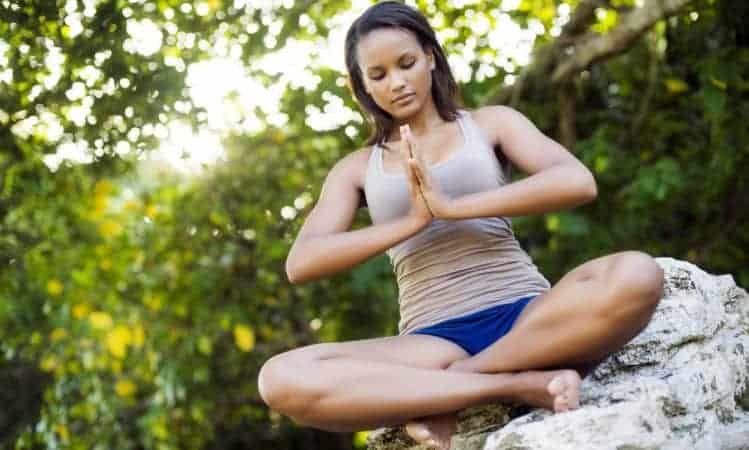
Establishing a consistent meditation routine is fundamental to experiencing lasting benefits, particularly when the goal is faster recovery and enhanced well-being. As you progress in your meditation journey, deepening your practice can lead to greater mental clarity, emotional resilience, and physical healing. Incorporating practical strategies into your daily life can facilitate both consistency and depth, ensuring that meditation becomes an integral part of your recovery process.Achieving consistency requires deliberate effort and habitual integration of meditation into everyday activities.
Over time, deepening your practice involves exploring advanced techniques and increasing the duration or complexity of your sessions. Here are effective suggestions to help you stay committed and enhance your meditation experience:
Incorporating Meditation into Daily Routines
Embedding meditation into your daily schedule transforms it from a task into a natural, routine activity. This consistency not only reinforces positive habits but also ensures that you consistently reap its health benefits. Practical approaches include:
- Setting Reminders: Use smartphone alarms or calendar notifications to prompt your meditation sessions at specific times each day, such as morning, lunch breaks, or before bedtime.
- Designating a Specific Space: Create a dedicated, calming area in your home where you meditate regularly. This space acts as a visual cue and helps condition your mind to associate that environment with relaxation and focus.
- Integrating with Existing Activities: Combine meditation with daily routines, such as practicing mindful breathing during your commute or before meals, to reinforce its practice without adding extra time.
- Utilizing Technology: Engage with meditation apps that offer guided sessions and progress tracking, which can motivate you to maintain regular practice.
Methods to Deepen Meditation Sessions Over Time
As familiarity with meditation grows, exploring methods to deepen your practice can enhance its healing potential. Gradually increasing session duration or employing advanced techniques can foster greater mental stillness and physical relaxation. Consider these strategies:
Progressive deepening involves gradually extending your meditation duration, experimenting with different techniques, and cultivating mindfulness in everyday activities.
- Extending Duration: Begin by adding 2-5 minutes each week to your sessions, aiming for longer periods of uninterrupted practice. For example, if you start with 10-minute sessions, gradually work towards 20 or 30 minutes as comfort and focus improve.
- Incorporating Advanced Techniques: Techniques such as body scan, visualization, or loving-kindness meditation can deepen relaxation and emotional healing. Experiment with different methods to discover what resonates most with your recovery goals.
- Practicing Mindfulness in Daily Life: Extend meditation’s benefits by being fully present during routine activities like walking, eating, or working. This ongoing mindfulness supports sustained mental clarity and emotional stability.
- Maintaining a Meditation Journal: Record your experiences, challenges, and insights after each session. Reflection helps identify progress, reinforce commitment, and adjust techniques for deeper engagement.
- Seeking Guidance and Community: Join meditation groups, workshops, or seek guidance from experienced practitioners. Sharing experiences and receiving feedback can motivate continued growth and provide new perspectives.
Maintaining consistency and gradually deepening your meditation practice are vital steps toward maximizing its healing potential. By integrating meditation seamlessly into daily routines and exploring advanced techniques over time, you can enhance both your recovery process and overall well-being, creating a sustainable and enriching practice that supports your health journey.
Monitoring Progress and Benefits
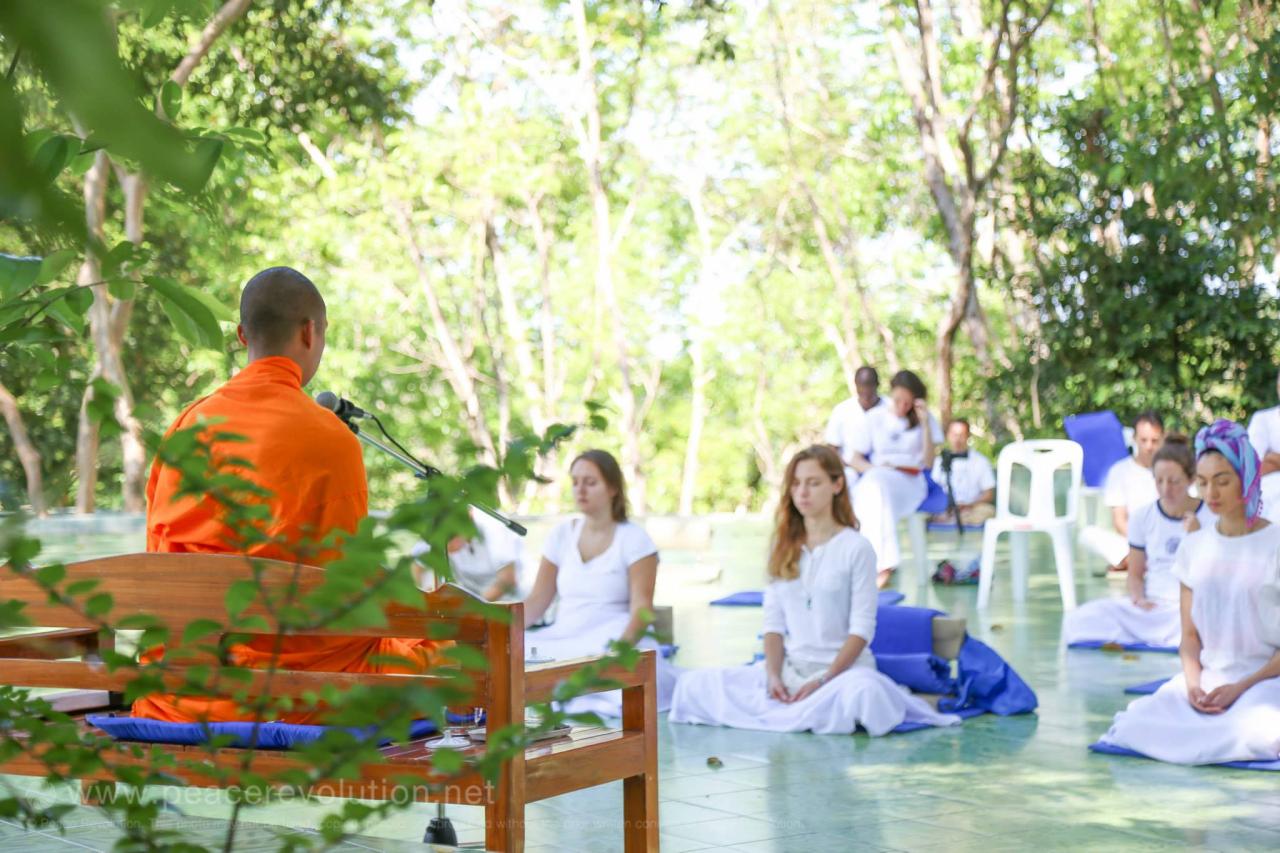
Effective meditation for faster recovery involves not only practicing regularly but also actively monitoring the physical and emotional changes that occur over time. Tracking these improvements provides motivation, highlights areas needing adjustment, and confirms the positive impact of your meditation routine. Recognizing subtle shifts in well-being encourages persistence and helps tailor your practice to maximize benefits.Consistent observation and documentation of your recovery journey enable you to identify patterns, measure milestones, and celebrate achievements.
Using structured logs or journals allows for a comprehensive overview of your progress, making it easier to refine your meditation techniques and enhance overall recovery outcomes.
Observing Physical and Emotional Improvements
Monitoring physical and emotional changes requires attentive awareness and honest self-assessment. Physical signs of progress may include reduced muscle tension, improved sleep quality, decreased pain levels, or greater energy and vitality. Emotionally, individuals often notice a decrease in anxiety or stress, increased feelings of calm, improved mood stability, and a sense of emotional resilience.To effectively observe these improvements:
- Maintain a regular practice schedule to develop consistency and facilitate meaningful observations.
- Conduct daily or weekly self-reflections, noting any changes in physical sensations such as relaxation levels, pain reduction, or sleep patterns.
- Pay attention to emotional states, including feelings of stress, frustration, or anxiety, and document any gradual improvements or setbacks.
- Use mindfulness to become more aware of subtle internal shifts during and after meditation sessions.
Documenting these observations helps you recognize tangible benefits and areas for further focus.
Recommended Logs or Journal Templates for Recovery Milestones
Structured logs or journals serve as valuable tools for tracking progress systematically. They encourage consistency, enable comparative analysis over time, and facilitate motivation by visualizing growth. Effective templates typically include sections for recording physical sensations, emotional states, meditation duration, and subjective assessments of well-being.Sample journal template elements:
Date: Record the date of each session.
Session Duration: Note the length of your meditation.
Physical Observations: Describe sensations such as relaxation, pain relief, or tension release.
Emotional State: Record feelings before and after meditation, such as calmness, frustration, or anxiety levels.
Notes & Reflections: Include insights, challenges, or changes noticed in recovery.
Overall Well-being: Rate overall recovery progress on a scale from 1 to 10.
Example Table Illustrating Progress Tracking
To visualize progress more clearly, a simple table can be used to record milestones and track improvements over weeks or months. Below is an illustrative example:
| Date | Session Duration | Physical Improvements | Emotional Improvements | Notes |
|---|---|---|---|---|
| 2024-01-01 | 10 minutes | Reduced muscle tension in shoulders | Feeling calmer post-session | Initial session, slight difficulty concentrating |
| 2024-02-01 | 15 minutes | Better sleep quality reported | Less anxious in daily activities | Practicing mindfulness regularly |
| 2024-03-01 | 20 minutes | Significant pain reduction in lower back | Increased emotional resilience | Noticing overall improvement in recovery process |
Monitoring your progress with these methods enhances self-awareness, reinforces your commitment, and provides tangible evidence of recovery. Regular documentation supports adjustments to your meditation practice, ensuring it continues to promote optimal healing and well-being.
Common Challenges and Solutions
Engaging in meditation as a pathway to faster recovery can present certain obstacles that may hinder consistency and effectiveness. Recognizing these challenges early allows practitioners to implement targeted strategies to maintain a steady and fruitful practice. Addressing common issues such as distractions, impatience, and fatigue is essential for creating a sustainable meditation routine that maximizes recovery benefits.Meditation involves mental focus and physical relaxation, which can sometimes be disrupted by external or internal factors.
By understanding typical hurdles and applying practical solutions, individuals can enhance their meditation experience, ensuring it supports their recovery process effectively.
Distractions During Meditation
Distractions are one of the most frequent challenges experienced during meditation sessions. External noises, interruptions from surroundings, or wandering thoughts can break concentration. These disruptions can diminish the quality of practice and cause frustration.To counteract distractions, it is helpful to:
- Choose a quiet, comfortable location where interruptions are minimal.
- Use earplugs or white noise machines if external sounds are unavoidable.
- Set a specific time for meditation when the environment is typically calmer.
- Gently acknowledge wandering thoughts without judgment, returning focus to the breath or chosen point of concentration.
- Incorporate calming background music or nature sounds if they help maintain focus.
Impatience and Frustration
Impatience often arises when practitioners expect immediate results or struggle with the slow progress in mental clarity or physical recovery. Frustration can lead to skipped sessions or a negative attitude towards meditation.Strategies to manage impatience include:
- Setting realistic, incremental goals for each session to foster a sense of achievement.
- Practicing patience by reminding oneself that recovery and mental calmness take time and consistent effort.
- Focusing on the process rather than outcomes, appreciating each moment of practice.
- Incorporating mindfulness into daily activities to build overall patience and presence.
- Using guided meditations tailored for relaxation and patience to support mental resilience.
Fatigue and Physical Discomfort
Physical fatigue or discomfort can interfere with maintaining proper posture or sitting still during meditation, leading to restlessness or distraction. This challenge is particularly relevant for individuals recovering from physical injuries or ailments.Effective solutions include:
- Adjusting posture by using cushions, chairs, or supports to find a comfortable position.
- Limiting meditation duration initially, gradually increasing as comfort improves.
- Practicing gentle stretching or relaxation exercises before meditation to reduce physical tension.
- Choosing softer or more supportive seating arrangements to prevent fatigue.
- Paying attention to hydration and nutrition, as dehydration or hunger can exacerbate fatigue.
Recognizing and addressing obstacles with patience and adaptability ensures that meditation remains a supportive and effective tool for recovery, fostering resilience and mental clarity throughout the process.
Closing Notes
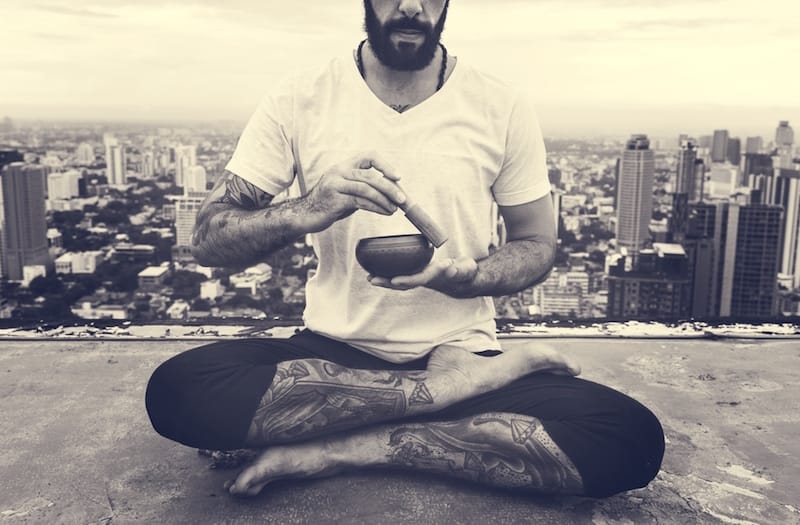
Incorporating these five meditation steps into your daily routine can serve as a powerful tool for faster physical and emotional recovery. Consistency and mindful practice are key to experiencing long-term benefits, helping you regain strength and balance more efficiently. Embrace the journey with patience and dedication, and allow meditation to support your path to wellness.