Learning how to meditate before jogging can significantly enhance both your mental clarity and physical readiness for exercise. Incorporating mindfulness practices into your pre-jog routine not only prepares your body but also cultivates a focused mindset that can improve overall athletic performance. This guide explores effective techniques, ideal environments, and tips to seamlessly integrate meditation into your jogging preparation, helping you achieve a more mindful and energized run.
The benefits of meditating before jogging
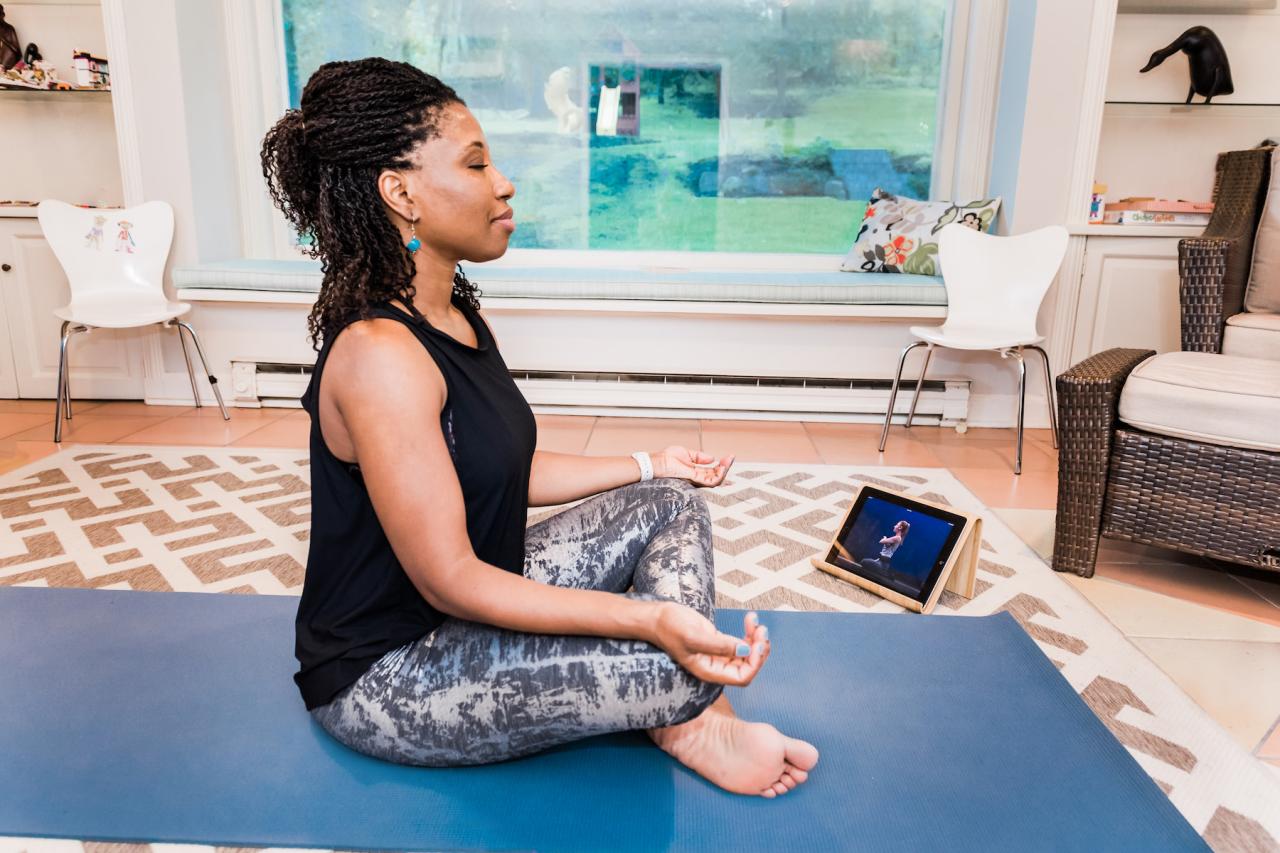
Engaging in meditation prior to jogging can significantly enhance both mental clarity and physical performance. This practice prepares the body and mind for exercise, leading to a more effective and enjoyable workout session. By dedicating a few moments to meditation, joggers can cultivate a sense of calm and focus that sets the tone for their entire run.Meditation before jogging acts as a mental and physical primer, helping to reduce anxiety and improve concentration.
This pre-exercise mindfulness fosters heightened awareness of the body’s signals, enabling runners to maintain better form and avoid injuries. Moreover, calming the nervous system through meditation can decrease stress hormones such as cortisol, which, when elevated, may detract from athletic performance. Studies have shown that athletes who incorporate meditation into their routines experience increased stamina, faster recovery times, and improved overall performance, highlighting the tangible benefits of this practice.
Enhancement of mental focus and physical readiness
Preparation for jogging extends beyond physical warm-up; mental readiness plays a crucial role in achieving optimal performance. Meditation sharpens concentration by encouraging present-moment awareness, which helps runners maintain their pace and navigate obstacles more effectively. This clarity minimizes distractions, allowing for a more centered and confident approach to exercise.A calm mind also contributes to better decision-making during physical activity, such as adjusting pace or responding to sensations of fatigue.
Moreover, meditation encourages controlled breathing patterns, which bolster oxygen intake and improve endurance. Research indicates that athletes who meditate regularly prior to workouts report increased mental alertness and physical preparedness, leading to more consistent training outcomes and a lower risk of injury.
Calming effects on the nervous system prior to exercise
Prior to jogging, the nervous system can often be in a heightened state due to stress or adrenaline. Meditation helps to deactivate the sympathetic nervous system—the body’s “fight or flight” response—and activate the parasympathetic nervous system, which promotes relaxation and recovery.This shift results in a visibly calmer state that reduces pre-exercise jitters and nervous tension. By lowering cortisol and adrenaline levels, meditation creates a more balanced physiological environment conducive to sustained physical activity.
For example, a study published in the Journal of Sports Sciences found that individuals who engaged in mindfulness meditation before exercise experienced lower heart rates and perceived exertion levels, indicating a more relaxed and manageable workout experience.
“Meditation modulates the nervous system, fostering a state of calm that enhances both mental focus and physical resilience during exercise.”
Preparing the Environment for Meditation Before Jogging
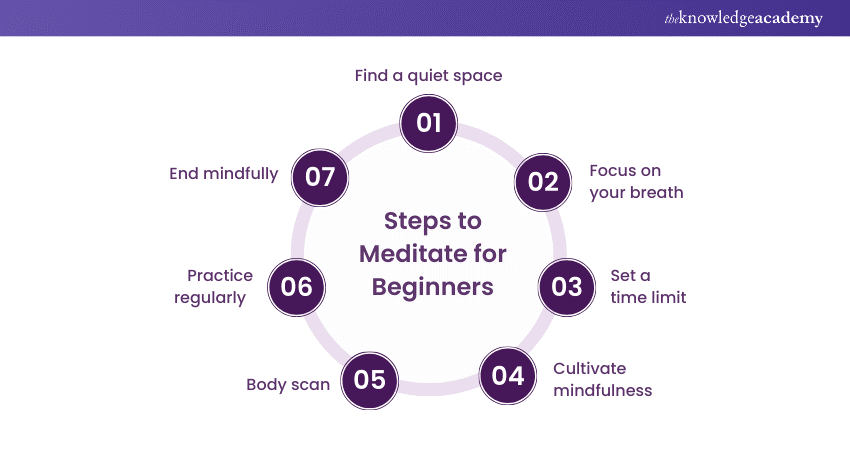
Establishing a suitable environment for meditation prior to jogging enhances the overall experience, helping to clear the mind and set a focused intention for the activity. Creating an optimal space is essential for achieving a calm state, minimizing distractions, and promoting relaxation. By paying attention to the environment, individuals can maximize the benefits of their pre-jog meditation routine and foster a more mindful approach to exercise.
A thoughtfully prepared environment involves careful selection of the space, appropriate ambiance, and the right tools or accessories. These elements work together to facilitate a serene and comfortable atmosphere that encourages deep breathing, mental clarity, and physical ease. Implementing simple adjustments can significantly improve the quality of meditation, making it a more effective precursor to jogging.
Selecting a Quiet, Comfortable Space for Meditation
Choosing the right location is a foundational step in cultivating an environment conducive to meditation. A quiet, secluded spot minimizes external noise and interruptions, allowing for greater concentration and tranquility. Ideal spaces include a corner of a living room, a quiet outdoor garden, or a dedicated meditation room if available. The key is to find a place where you feel safe, relaxed, and free from disturbances.
Comfort is equally important. The surface should support a comfortable seated position, whether on a cushion, chair, or directly on the floor with appropriate padding. The temperature and airflow should be pleasant, not too hot or cold, to prevent discomfort during meditation. Ensuring the space is clean and organized can also promote a sense of calm and readiness, encouraging a sustained meditation session.
Creating an Optimal Ambiance with Lighting, Positioning, and Minimal Distractions
Lighting plays a vital role in setting the mood for meditation. Soft, natural light or warm, dim lighting helps create a calming atmosphere. Avoid harsh, bright lights or flashing screens, which can disrupt focus and relaxation. Positioning oneself near a window with natural light can be beneficial, as it connects the practitioner with the natural environment. If natural lighting isn’t available, using a small lamp with warm bulbs can suffice.
Proper positioning within the space ensures comfort and stability. Sitting upright with an elongated spine promotes alertness, while maintaining a relaxed posture prevents tension. Using cushions or mats to elevate the hips can improve comfort and alignment. The space should be free from visual distractions, such as clutter or busy patterns, to help maintain concentration. Additionally, minimizing sounds from electronic devices or external sources helps sustain a peaceful atmosphere.
Recommended Tools and Accessories for Setting Up the Meditation Space
Utilizing appropriate tools and accessories can enhance the meditation experience, making it more comfortable and effective. Below is a table outlining essential items, their purposes, and ideal placements within the space:
| Item | Purpose | Placement |
|---|---|---|
| Meditation cushion or zafu | Provides support and comfort for seated posture | Center of the space, directly on floor or mat |
| Soft lighting or lamp | Creates a calming ambiance and reduces visual distractions | Near the sitting area, with adjustable brightness |
| Blanket or shawl | Maintains warmth and adds comfort during meditation | Folded nearby within arm’s reach |
| Clock or timer | Tracks meditation duration without needing to check a phone | Within sight but not distracting, such as on a side table |
| Incense or essential oils | Enhances the sensory environment and promotes relaxation | On a safe surface, away from flammable materials, near the sitting area |
| Dark curtain or eye mask | Blocks out excess light, aiding in focus and relaxation | Covering the window or placed over the eyes during meditation |
Creating an environment that balances tranquility, comfort, and minimal distraction supports a deeper and more effective meditation session, ultimately preparing the mind for an optimal jogging experience.
Techniques for Effective Meditation Prior to Jogging
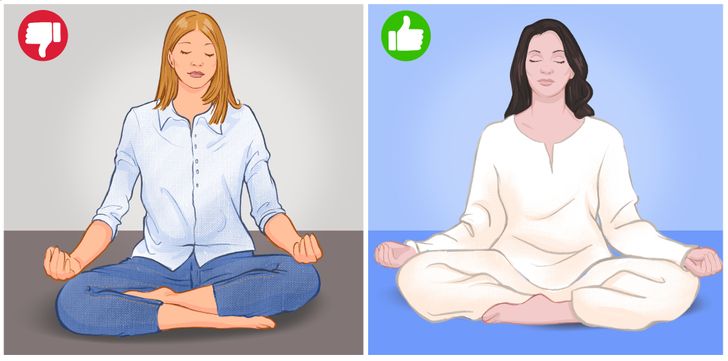
Engaging in meditation before jogging can significantly enhance your physical and mental readiness for exercise. Selecting the right meditation technique tailored to your needs can optimize your warm-up, improve focus, and foster a sense of calmness that benefits your overall running experience. This section explores various meditation methods suitable for before a jog, providing clear, step-by-step instructions and comparisons to help you incorporate these practices seamlessly into your routine.Effective pre-jog meditation techniques center around calming the mind, relaxing the body, and cultivating awareness.
Whether you prefer the simplicity of focused breathing, the comprehensive approach of a body scan, or mindfulness meditation, each method offers unique benefits. Understanding the procedures, optimal postures, and durations will enable you to choose and perform the techniques with confidence, ensuring you start your jog energized and centered.
Mindfulness Meditation
Mindfulness meditation emphasizes present-moment awareness and non-judgmental observation of thoughts and sensations. This practice prepares you to run with heightened focus and reduced mental distractions.
Key procedures for mindfulness meditation:
- Find a comfortable seated posture, either sitting cross-legged on the ground or on a chair with feet flat.
- Set a timer for 5 to 10 minutes to maintain consistency and avoid checking the clock frequently.
- Close your eyes gently or keep a soft gaze directed downward to minimize visual distractions.
- Focus your attention on your breath, noticing the inhale and exhale without trying to control it.
- If your mind wanders, gently acknowledge the distraction and redirect focus back to your breath.
- Maintain this awareness until the timer signals the end of your session.
Focused Breathing
Focused breathing centers explicitly on the rhythm and quality of your breath to induce relaxation, reduce pre-run anxiety, and improve oxygen intake during jogging.
Key procedures for focused breathing:
- Assume a comfortable upright posture, with shoulders relaxed and hands resting on your lap or thighs.
- Begin by taking slow, deep breaths through your nose, filling your lungs completely.
- Pay close attention to the sensation of the air entering and leaving your nostrils or the rise and fall of your chest or abdomen.
- Use a counting method, such as inhaling for a count of four, holding for two, then exhaling for four.
- Repeat this cycle for 5 to 8 minutes, maintaining a steady and unforced rhythm.
- Throughout, keep your focus on the breath, allowing the body to relax with each exhalation.
Body Scan Meditation
The body scan technique promotes physical relaxation and heightened bodily awareness, helping to release tension accumulated before a run and optimize muscle readiness.
Key procedures for body scan meditation:
- Lie down comfortably on a flat surface, with arms relaxed at your sides and legs uncrossed, or sit upright with an attentive posture.
- Close your eyes gently and take a few deep breaths to settle into the practice.
- Begin by bringing your attention to the top of your head, noting any sensations or tension.
- Slowly move focus downward, pausing at key areas such as the forehead, eyes, cheeks, jaw, neck, shoulders, arms, chest, abdomen, hips, legs, and feet.
- At each region, observe sensations, tightness, or discomfort without judgment, and imagine releasing tension with each exhalation.
- Spend about 20 to 30 seconds on each area, ensuring a thorough yet gentle scan.
- Conclude the session by taking a few deep, calming breaths and gradually bringing awareness back to the surroundings.
Comparing Different Meditation Styles for Warming Up
Each meditation style offers distinct advantages suited to different runner preferences and physical states. Mindfulness meditation is excellent for sharpening focus and cultivating mental clarity before running, making it ideal for competitive runners or those seeking mental resilience. Focused breathing is particularly effective for calming anxiety, controlling pre-run nerves, and enhancing respiratory efficiency, suitable for beginners or individuals prone to stress.
The body scan provides comprehensive physical relaxation and awareness, beneficial for runners preparing to engage in longer or more intense workouts, ensuring muscles are relaxed yet alert.Choosing between these styles depends on your specific goals:
- Mindfulness Meditation: Enhances mental clarity and present-moment awareness.
- Focused Breathing: Reduces pre-run anxiety and improves respiratory control.
- Body Scan: Promotes physical relaxation and muscular readiness.
In practice, combining elements from these techniques can also be effective, such as starting with a body scan to release tension, followed by focused breathing to deepen relaxation, and concluding with mindfulness to set mental intentions for the run.
Timing and Duration of Meditation Sessions Before Jogging

Engaging in meditation before jogging can significantly enhance your focus, energy levels, and overall performance. To maximize these benefits, understanding the optimal timing and duration for your meditation sessions is essential. Properly scheduling your meditation ensures that you enter your jog with a clear mind and a revitalized body, setting the stage for a productive exercise routine.The effectiveness of pre-jog meditation depends largely on choosing the right timing and length of session.
Too short, and you may not attain a sufficient mental reset; too long, and it could lead to fatigue or delay your exercise schedule. Striking a balance allows for mental preparation without compromising your overall workout plan. Additionally, integrating meditation seamlessly into your pre-jog routine helps maintain consistency and ensures that it becomes a beneficial habit rather than an additional task.
Optimal Timing and Duration for Meditation Before Jogging
Selecting the appropriate window for meditation involves considering your personal energy patterns and daily schedule. Generally, a meditation session lasting between 5 to 15 minutes, conducted approximately 10 to 30 minutes before jogging, tends to yield the best results. This timeframe allows sufficient mental preparation without diminishing physical readiness or causing impatience.Research indicates that a session of around 10 minutes can effectively reduce pre-exercise anxiety and improve focus, especially for those new to meditation.
For seasoned practitioners, extending the session slightly to 15 minutes can deepen relaxation and enhance mental clarity. It is advisable to avoid meditating immediately right before starting your run, as it might lead to a state of over-relaxation or drowsiness. Instead, aim for a window that balances mental calmness with physical alertness.
Guidelines for Integrating Meditation Into Pre-Jog Routines
To incorporate meditation effectively, allocate a specific, quiet space within your pre-jog setup. Consistency in timing—such as doing your meditation at the same point in your routine—helps establish a sustainable habit. Setting a gentle alarm or timer can assist in adhering to your planned duration, ensuring you don’t inadvertently extend or shorten your session.It is also beneficial to prepare your environment beforehand—dim lighting, comfortable seating, and minimal distractions facilitate a more focused meditation session.
Hydrate and do some light stretching after meditating to transition smoothly into jogging. By creating a seamless transition, you enhance the overall benefits, ensuring your mental and physical states are optimally synchronized for your workout.
Recommended Meditation Techniques, Duration, and Timing Table
| Technique | Recommended Duration | Best Time Before Jogging | Notes |
|---|---|---|---|
| Mindfulness Breathing | 5-10 minutes | 10-20 minutes prior | Focus on deep, slow breaths to calm the mind and body |
| Guided Visualization | 10-15 minutes | 15-30 minutes prior | Use recorded guidance to envision successful jogging and energy flow |
| Body Scan Meditation | 8-12 minutes | 10-20 minutes prior | Progressively relax each muscle group to reduce tension |
| Loving-kindness Meditation | 5-10 minutes | 10-15 minutes prior | Enhances positivity and mental readiness for exercise |
| Mantra Repetition | 5-10 minutes | 10-20 minutes prior | Repeating a calming phrase to center your focus |
Incorporating Meditation into a Pre-Jog Routine
Engaging in meditation before jogging can significantly enhance your overall workout experience by fostering mental clarity, focus, and relaxation. Integrating meditation seamlessly with warm-up activities like stretching ensures that both your mind and body are prepared for the physical exertion ahead. Properly structuring this combined routine helps maximize the benefits, reduce injury risk, and set a positive tone for your exercise session.A well-structured pre-jog routine that includes meditation typically involves a sequence where mental preparation complements physical readiness.
Beginning with a brief meditation session helps calm the mind, followed by dynamic stretching to loosen muscles, and concluding with light cardio warm-up to increase blood flow. This sequence encourages mindfulness, reduces tension, and enhances overall performance during your jog.
Structuring a Session Combining Meditation with Stretching and Warm-Up Exercises
To create an effective pre-jog routine that incorporates meditation, consider the following structure:
- Start with a 3-5 minute meditation session focusing on deep breathing or body scan techniques to center your attention and promote calmness.
- Transition into 5-10 minutes of dynamic stretching, targeting major muscle groups such as hamstrings, quadriceps, calves, and hip flexors. Use movements like leg swings, arm circles, and torso twists.
- Follow with 5 minutes of light cardio warm-up, such as brisk walking or slow jogging, to gradually elevate your heart rate and prepare your body for the main workout.
- Conclude with a brief mental check-in, reaffirming your focus and setting specific goals for your jog.
This sequence ensures that mental clarity is established first, which can enhance the effectiveness of physical warm-up exercises and improve overall performance.
Sample Timetable or Checklist for Organizing Activities
To assist in organizing your pre-jog routine, here is a sample timetable and a checklist to keep your session structured and efficient:
| Time | Activity | Details |
|---|---|---|
| 0:00 – 0:05 | Meditation | Deep breathing or body scan while seated or standing in a comfortable position |
| 0:05 – 0:15 | Stretching | Dynamic stretches focusing on lower body and hips |
| 0:15 – 0:20 | Warm-up jog | Light jogging or brisk walk to increase heart rate |
| 0:20 onwards | Start jogging session | Maintain mindfulness and focus during your run |
Checklist:
- Ensure a quiet, comfortable space for meditation.
- Prepare your workout gear and any necessary hydration.
- Set a timer to keep each activity within the designated time.
- Use a meditation app or guided session if preferred.
- Adjust durations based on your fitness level and routine preferences.
Routine Examples for Various Fitness Levels
Different fitness levels may require adjustments in the duration and intensity of each activity within the pre-jog routine. Here are some illustrative examples: Beginner Level
- Meditation: 3 minutes of simple breathing exercises to develop focus and relaxation.
- Stretching: 5 minutes of gentle dynamic stretches like ankle circles, shoulder rolls, and walking lunges.
- Warm-up: 3-5 minutes of slow walking or light jogs to gradually increase activity intensity.
Intermediate Level
- Meditation: 5 minutes practicing mindful breathing or body scan to enhance awareness.
- Stretching: 10 minutes including dynamic stretches such as high knees, butt kicks, and leg swings.
- Warm-up: 5-7 minutes of brisk walking or light jogging to prime muscles and cardiovascular system.
Advanced Level
- Meditiation: 5-7 minutes of focused meditation incorporating visualization techniques or affirmations.
- Stretching: 10-15 minutes of advanced dynamic stretches and mobility drills to optimize flexibility.
- Warm-up: 10 minutes of moderate jogging with strides to elevate heart rate efficiently.
Incorporating meditation thoughtfully into your pre-jog routine can significantly improve mental focus, physical preparedness, and overall enjoyment of your exercise. Tailoring the sequence and duration to your fitness level ensures a sustainable and beneficial practice that supports your health and performance goals.
Common challenges and solutions for meditating before jogging
Meditating before jogging can significantly enhance your physical and mental readiness, but it often presents certain difficulties that may hinder consistent practice. Recognizing these common challenges and implementing effective solutions can ensure that your pre-jog meditation sessions are both enjoyable and beneficial. Addressing issues such as distraction, impatience, or physical discomfort enables you to cultivate a more focused and peaceful state of mind, leading to a more rewarding jogging experience.Many individuals encounter obstacles like an inability to concentrate, restlessness, or discomfort during meditation.
These issues are natural, especially for beginners, but with targeted strategies, they can be effectively managed. The key is to create an environment and adopt techniques that foster comfort, focus, and patience, helping you to integrate meditation seamlessly into your pre-jog routine.
Common Challenges and Practical Solutions
Understanding typical difficulties faced during meditation allows for tailored approaches to overcome them. Below is a responsive table outlining common problems, suggested solutions, and practical tips:
| Problem | Suggested Solution | Tips |
|---|---|---|
| Distraction and wandering thoughts | Use guided meditation recordings or focus on a specific mantra or breath |
|
| Impatience or feeling restless | Start with brief meditation sessions and gradually increase duration |
|
| Physical discomfort or awkward posture | Adjust posture for comfort and use supportive seating or cushions |
|
| Difficulty maintaining consistency | Establish a routine and create a dedicated meditation space |
|
| Overcoming mental resistance or skepticism | Educate yourself on meditation benefits and start with simple practices |
|
By proactively addressing these challenges with practical solutions, you can cultivate a more effective and enjoyable meditation practice before jogging. Such preparation not only enhances your physical performance but also promotes mental clarity and emotional stability, ultimately enriching your overall fitness journey.
Enhancing Meditation Effectiveness for Jogging Preparation
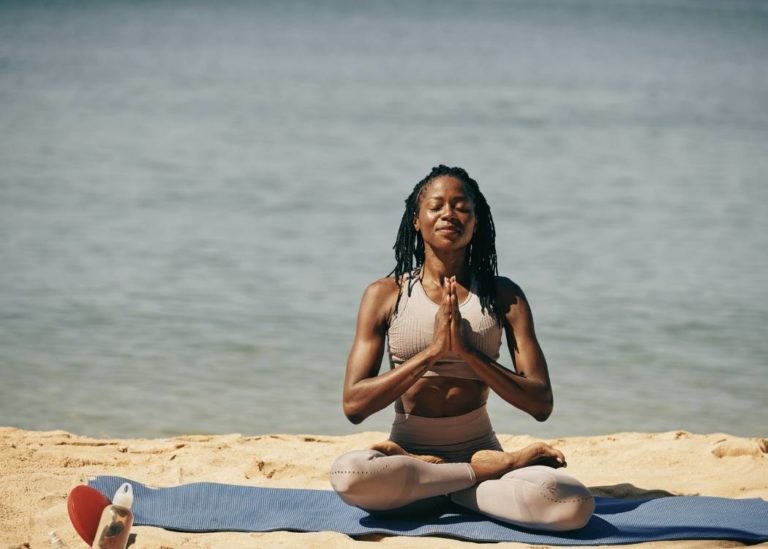
Effective meditation prior to jogging not only centers the mind but also enhances physical readiness, motivation, and mental clarity. To maximize these benefits, incorporating additional practices such as visualization and affirmation techniques can significantly deepen the meditative experience, making your pre-jog routine more impactful. Tailoring your approach with methods to deepen focus and designing personalized routines ensures that your meditation session aligns perfectly with your individual goals and preferences.
Augmenting your meditation with supplementary practices fosters a more profound state of relaxation and mental preparedness. These methods can reinforce positive mindsets, improve focus, and help you harness the full benefits of your pre-jog meditation. Personalization of routines ensures consistency and effectiveness, making meditation an integral and enjoyable part of your jogging preparation.
Complementary Practices to Boost Meditation Outcomes
Adding specific practices alongside meditation can elevate its effectiveness in preparing you for jogging. Visualization and affirmation techniques are particularly powerful as they actively engage your mind’s positive faculties, setting a mental tone conducive to a successful run.
- Visualization: This involves imagining yourself executing your ideal jog with energy, ease, and confidence. Visualizing your breathing, stride, and surroundings can create a mental rehearsal that boosts motivation and reduces anxiety. For example, picturing a peaceful park scene while feeling your footfalls landing softly on the ground can evoke calmness and readiness.
- Affirmation Techniques: Repeating positive statements during meditation can reinforce self-belief and focus. Phrases like “I am energized and prepared” or “My body is strong and resilient” serve as mental affirmations that boost confidence before your run.
Methods to Deepen Focus and Relaxation Before Running
Enhancing focus and relaxation before jogging involves specific techniques aimed at calming the mind and centering attention. These methods prepare you to transition smoothly into running with clarity and energy.
- Deep Breathing Exercises: Engaging in diaphragmatic breathing reduces stress and oxygenates the body, setting a calm baseline for physical activity. Practice slow, deliberate inhales and exhales, focusing on expanding and contracting the abdomen.
- Progressive Muscle Relaxation: Systematically tensing and relaxing muscle groups can release physical tension accumulated during the day. Starting from the toes and moving upward, this method enhances bodily awareness and relaxation.
- Focused Attention on Sensory Inputs: Concentrating on sounds, smells, or tactile sensations during meditation sharpens focus and anchors awareness in the present moment, reducing mental clutter prior to jogging.
Designing Personalized Meditation Scripts or Routines
Creating tailored meditation scripts involves integrating elements that resonate with individual preferences and goals. A personalized routine increases engagement, consistency, and effectiveness in preparing for jogging.
When designing your script, consider your specific objectives—whether it’s increasing energy, reducing anxiety, or cultivating mindfulness— and incorporate relevant imagery, affirmations, and breathing patterns.
Start by identifying your primary goal for meditation before jogging. For instance, if your aim is to energize, your routine might include visualization of vibrant sunlight and affirmations like “I am energized and ready.” For relaxation, focus on calming imagery such as a serene lake or forest, paired with gentle breathing and progressive muscle relaxation.
Incorporate sensory cues, personal affirmations, and preferred visualization themes to craft a session that feels natural and motivating. Consistently practicing this routine before each jog reinforces mental pathways, making the transition into physical activity more seamless and enjoyable. Periodically update your scripts to reflect changing goals or preferences, maintaining freshness and relevance in your practice.
Closure
Incorporating meditation into your pre-jog routine offers numerous benefits, from heightened focus to reduced stress. By selecting the right environment, practicing effective techniques, and overcoming common challenges, you can transform your warm-up into a mindful ritual that primes both your mind and body. Embrace these practices to enjoy more centered and enjoyable jogging experiences, ultimately enhancing your overall fitness journey.