Starting your training sessions with effective quick meditation techniques can significantly enhance your focus, reduce stress, and boost overall performance. Incorporating these practices into your routine offers a simple yet powerful way to prepare both mind and body for optimal results. Whether you’re preparing for physical activity or mental challenges, mastering these 15 quick points can make a meaningful difference in achieving your goals.
This guide explores practical methods to quickly center yourself through breathing exercises, visualization, mindful focus, and movement. By integrating these strategies seamlessly into your pre-training routine, you can cultivate clarity, confidence, and calmness, setting the stage for success in every session.
Overview of Meditation Before Training

Implementing quick meditation techniques prior to engaging in physical or mental training sessions can significantly enhance overall performance and well-being. These brief practices serve as a powerful tool to prepare the mind and body, fostering a state of calmness and mental clarity that sets a positive tone for any training activity.
Integrating short meditative routines into daily schedules offers numerous advantages, including improved concentration, reduced levels of stress and anxiety, and heightened resilience to distractions. Such practices are particularly vital in today’s fast-paced environment, where mental clutter can impede focus and diminish training outcomes. By dedicating even a few moments to meditation before training, individuals can optimize their readiness, ensuring they approach exercises with a balanced and focused mindset.
Enhancement of Focus and Mental Clarity
Pre-training meditation helps sharpen concentration by calming the mind and clearing mental fog. When the mind is cluttered with worries or distractions, it becomes difficult to fully engage in the training process. Short meditation sessions—often lasting just 5 to 10 minutes—serve as mental reset buttons, allowing practitioners to center their attention on their goals and upcoming activities. For example, athletes often use focused breathing techniques to visualize their performance and mentally prepare themselves, leading to better execution and increased confidence during training.
Reduction of Anxiety and Stress
Training environments can sometimes induce anxiety, especially when facing new challenges or high expectations. Brief meditative practices have been shown to lower cortisol levels—the hormone associated with stress—thus promoting a sense of calmness. Techniques such as mindful breathing or body scans before training sessions help individuals release tension, fostering emotional stability. This reduction in stress not only enhances the overall training experience but also minimizes the risk of injury caused by muscle tension or hurried movements.
Improvement of Performance and Resilience
Consistent use of short meditation routines cultivates mental resilience, which is crucial during intense training periods or competitive scenarios. Meditation encourages present-moment awareness, enabling athletes and learners to stay focused despite external pressures. For instance, a martial artist who practices quick mindfulness exercises prior to sparring sessions often demonstrates better control over impulses, leading to more strategic decision-making and sustained performance.
Additionally, these practices contribute to a positive mindset, reinforcing motivation and dedication towards training goals.
Preparing for Quick Meditation Sessions
Effective quick meditation starts with proper preparation to maximize focus and relaxation within a limited time frame. Establishing an ideal environment, adopting suitable postures, and organizing essential tools can significantly enhance the quality of each session. By thoughtfully preparing, practitioners can seamlessly integrate meditation into their busy schedules, ensuring consistency and effectiveness.
Careful preparation involves setting up a conducive space, selecting comfortable postures, and cultivating the right mindset. These elements work together to create a calm and distraction-free environment, enabling individuals to quickly transition into a mindful state, even during tight time windows or busy days. Below are key considerations and steps to prepare effectively for quick meditation sessions.
Preparing the Environment
The environment plays a crucial role in meditation effectiveness. A quiet, clean, and comfortable space minimizes distractions and fosters a sense of calm. Ideally, choose a location where interruptions are unlikely, such as a corner of a room, a dedicated meditation nook, or even a peaceful outdoor spot if weather permits. Dim lighting or natural light can enhance relaxation, while a tidy space prevents visual clutter from diverting attention.
Creating a dedicated, clutter-free environment helps condition your mind to associate that space with mindfulness and tranquility, making quick meditation sessions more effective.
Ideal Posture for Quick Meditation
Maintaining a comfortable and alert posture is vital for sustaining focus during brief meditation periods. Common postures include sitting upright on a chair with feet flat on the floor, sitting cross-legged on a cushion, or using a meditation bench. The key is to keep the spine straight yet relaxed, allowing energy to flow freely and preventing discomfort that could distract from the practice.
Resting hands comfortably on the lap or knees completes a balanced posture.
A posture that supports alertness without causing strain enables a seamless transition into meditation, even when time is limited.
Checklist of Items and Conditions for Focused Meditation
Having the right items and conditions prepared can significantly reduce setup time and help maintain focus. The following checklist serves as a quick reference:
| Environment | Posture | Tools | Mindset |
|---|---|---|---|
| Quiet, clutter-free space with soft lighting | Straight spine, relaxed shoulders, comfortable seated position | Optional meditation cushion or chair, timer, or app for timing | Open-mindedness, intention to relax, focus on the present moment |
Preparing these elements beforehand ensures that each meditation session is smooth and distraction-free, allowing practitioners to quickly settle into a mindful state without unnecessary adjustments or interruptions.
Breathing Techniques for Rapid Calmness
Effective breathing techniques serve as a cornerstone for achieving quick relaxation during meditation sessions. These methods help regulate the nervous system, reduce stress, and foster a sense of tranquility within moments. Learning and practicing these techniques can make meditation more accessible, especially when time is limited or stress levels are high.
By focusing on controlled breathing patterns, individuals can swiftly induce a state of calmness, which enhances concentration and emotional stability. Below are some of the most practical and widely used breathing methods designed for rapid relaxation, along with step-by-step instructions and sample patterns for easy implementation.
Diaphragmatic Breathing to Initiate Relaxation
Diaphragmatic breathing, also known as belly breathing, emphasizes deep inhalations that fully engage the diaphragm. This technique is highly effective for calming the nervous system and reducing feelings of anxiety or tension.
- Find a comfortable seated or lying position, ensuring your back is straight.
- Place one hand gently on your chest and the other on your abdomen, just below your ribcage.
- As you inhale slowly through your nose, focus on expanding your abdomen rather than your chest, allowing your diaphragm to descend and fill your lungs with air.
- Ensure the hand on your abdomen rises while the hand on your chest remains relatively still, indicating deep diaphragmatic inhalation.
- Pause briefly at the top of the breath, then exhale slowly and fully through your mouth or nose, allowing your abdomen to fall naturally.
- Repeat this cycle for 5–10 minutes, focusing on smooth, deep, and even breaths.
Alternative Breathing Methods for Quick Calmness
Supplementing diaphragmatic breathing with other structured patterns can further enhance relaxation and mental clarity. These techniques are straightforward to learn and can be used on the spot whenever swift relief from stress is needed.
- Box Breathing (Square Breathing): Inhale for a count of 4, hold your breath for 4, exhale for 4, and hold again for 4. Repeat the cycle for several minutes to promote stability and focus.
- 4-7-8 Technique: Inhale quietly through the nose for 4 seconds, hold the breath for 7 seconds, then exhale slowly and completely through the mouth for 8 seconds. This pattern helps relax the nervous system and prepares you for meditation or restful sleep.
Both techniques are simple yet powerful tools to induce rapid calmness. Regular practice can improve lung capacity and breathing efficiency, further supporting emotional regulation during stressful moments.
Examples of Breathing Patterns for Quick Reference
Here are some effective breathing patterns that can be easily memorized and used during meditation or stressful situations:
| Pattern | Procedure | Purpose |
|---|---|---|
|
Deep inhale through nose, expand abdomen; slow exhale through mouth | Promotes relaxation and reduces anxiety |
|
Inhale 4 sec, hold 4 sec, exhale 4 sec, hold 4 sec | Enhances focus and emotional stability |
|
Inhale 4 sec, hold 7 sec, exhale 8 sec | Induces calmness and prepares for sleep or meditation |
|
Close right nostril, inhale left; close left, exhale right; repeat | Balances energy and calms the mind |
Quick Visualization Strategies
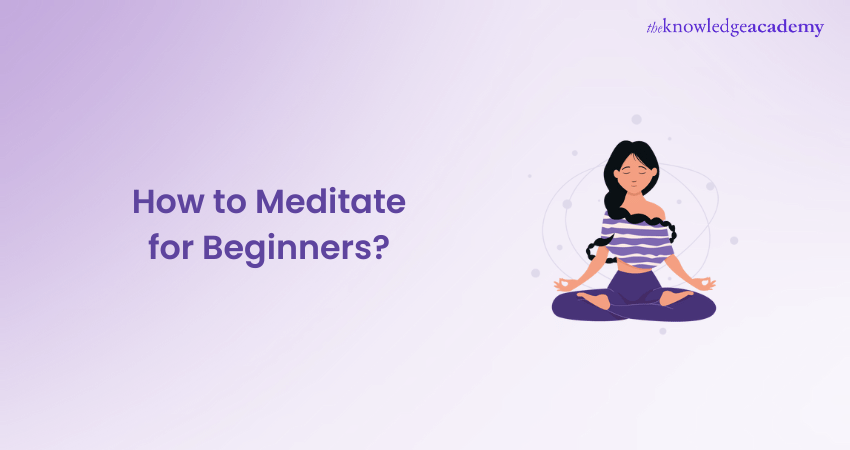
Effective visualization techniques can significantly enhance your meditation sessions by fostering mental clarity, confidence, and focus. When integrated into your training, vivid mental imagery serves as a powerful tool to align your mindset with your goals, enabling you to approach each session with purpose and calmness.
Creating compelling visualization scripts involves constructing detailed mental scenarios that resonate with your training objectives. By cultivating clear, sensory-rich images, you can reinforce positive outcomes, reduce anxiety, and boost your overall motivation. Well-designed visualizations make your practices more engaging and purposeful, translating mental preparation into tangible progress during your sessions.
Creating Vivid Mental Imagery
To maximize the benefits of visualization, focus on developing detailed and multisensory mental images. Engage all your senses by imagining sights, sounds, smells, textures, and even tastes related to your training scenarios. This immersive approach makes the visualization more realistic and impactful, helping your mind to internalize success and confidence.
Designing Visualization Scripts for Training Goals
Effective visualization scripts should be tailored to specific training objectives, incorporating positive affirmations and detailed scenarios that mirror real or ideal performance. Structure your scripts to include setting the scene, visualizing the desired outcome, and experiencing success vividly. Regularly practicing these scripts can enhance your mental resilience and focus, making your physical efforts more effective and aligned with your goals.
Example Visualization Scenarios
Below are illustrative scenarios that can be adapted based on your training focus. These mental images serve to build confidence and reduce nerves by preparing your mind for various situations:
- Imagining yourself executing a perfect movement sequence or technique flawlessly, feeling the coordination and strength in each step.
- Visualizing overcoming nervousness before performing in front of an audience or during competitions, feeling calm, composed, and confident.
- Picture yourself successfully handling unexpected challenges during training, maintaining focus and adaptability.
- Seeing yourself achieve your set targets or milestones, experiencing the satisfaction and pride of accomplishment.
- Imagining the sensation of mastering a difficult skill or learning new techniques with ease and patience.
“Vivid mental imagery can reprogram your subconscious mind, making success feel natural and attainable.”
Guided Focus and Centering
Centering attention during meditation is essential for cultivating mindfulness and achieving a state of mental clarity. Guided focus techniques help practitioners anchor their awareness in the present moment, minimizing distractions and fostering a sense of calmness. This process involves consciously directing the mind away from wandering thoughts towards specific focal points or sensations, thereby strengthening concentration and fostering a deeper meditative experience.
Effective guidance involves a structured approach to shift attention from external or intrusive thoughts to chosen anchors within the body or mind. Through consistent practice, these methods become natural tools for regaining focus swiftly, even amidst daily distractions. The goal is to develop an effortless ability to return attention to the present, paving the way for rapid calmness and enhanced mindfulness during short meditation sessions.
Methods for Centering Attention
Several practical methods can be employed to facilitate focus and enhance present-moment awareness. These techniques serve as pathways for guiding the mind away from distractions and towards a centered, peaceful state.
- Body Scan: Methodically directing attention to different parts of the body, noticing sensations without judgment. Starting from the toes and moving upward, this technique fosters embodied awareness and grounding.
- Focus on Breath: Paying close attention to the natural rhythm of breathing—observing the inhale and exhale. This method anchors the mind in a simple, consistent sensory experience, reducing the tendency to wander.
- Counting Breaths: Counting each breath cycle up to a certain number (e.g., ten) and then restarting helps maintain focus and prevents mind wandering. It provides a clear, measurable focal point.
- Environmental Anchors: Using ambient sounds, such as the gentle hum of nature or soft background music, to stay present. This external cue can serve as a gentle reminder to return focus when distracted.
- Visualization of a Centering Object: Imagining a calming object, such as a glowing orb or peaceful landscape, and visualizing it vividly can serve as a mental anchor that draws attention away from distractions.
Implementing these techniques consistently enhances one’s ability to stay centered, making meditation sessions more effective and enjoyable. The key lies in gentle redirection of attention without frustration, acknowledging distractions with compassion and bringing focus back with patience.
Using Mantras or Affirmations
Effective use of mantras and affirmations can significantly enhance quick meditation sessions by fostering motivation, focus, and calmness. These verbal anchors help redirect attention, reinforce positive mindset shifts, and instill confidence in training environments. Selecting the right phrases or words is crucial to maximize their benefits during brief meditation periods, ensuring they resonate personally and evoke the desired mental state.Mantras and affirmations serve as powerful tools to reinforce your intentions, boost self-belief, and create a sense of calm swiftly.
When choosing or crafting these expressions, it is important to focus on language that is meaningful, positive, and aligned with your immediate training goals. Tailoring affirmations to resonate personally heightens their effectiveness, making your meditation sessions more impactful and centered.
Selecting Motivating or Calming Mantras for Quick Sessions
Choosing a mantra or affirmation that resonates with your current emotional and mental needs enhances the effectiveness of rapid meditation. For motivating sessions, opt for words or phrases that invigorate and inspire action, such as “I am energized” or “I am capable.” Conversely, for calming sessions, select affirmations that promote serenity and focus, like “I am at peace” or “Calm and centered.” Consider the context of your training, your personal preferences, and the emotional state you wish to cultivate.
Experiment with different phrases to discover those that evoke a sense of clarity or tranquility most effectively. Consistency in using these affirmations helps reinforce the desired mental patterns, making it easier to access calmness or motivation swiftly during your busy schedule.
Crafting Personal Affirmations Aligned with Training Goals
Developing personalized affirmations that reflect individual training objectives strengthens their impact during quick meditation sessions. Focus on clear, concise statements that embody your aspirations and reinforce your commitment to progress. Use present tense and positive language to affirm your capabilities and intentions, which helps reprogram thought patterns for success.Examples of crafting effective affirmations include identifying core values or goals and transforming them into affirmations, such as “I perform with focus and precision” or “Each session brings me closer to my peak performance.” Write affirmations that evoke emotion and conviction, making them more memorable and influential during rapid meditative states.
Repeating these affirmations regularly can serve as a mental anchor, supporting resilience, motivation, and clarity in your training journey.
Sample Affirmations for Quick Meditation Sessions
To facilitate quick mental resets before or during training, consider incorporating these proven affirmations into your meditation practice:
I am focused. I am prepared. I perform at my best. Calmness flows through me. I am resilient and strong. Every breath energizes me. I am centered and clear. Success is within my grasp. I trust in my abilities. I am committed to my progress.
Using these affirmations consistently helps cultivate a positive mindset, enhances concentration, and promotes emotional balance, all within the brief span of quick meditation sessions. Personalize or adapt these phrases to better suit your specific training goals and emotional needs, ensuring they resonate deeply and reinforce your inner motivation.
Incorporating Body Movements for Quick Meditation
Integrating simple physical movements and stretches into your meditation practice can significantly enhance relaxation and grounding, especially when time is limited. These movements help release physical tension, stimulate circulation, and prepare the mind for focused meditation. Combining gentle body movements with breathing exercises creates a harmonious transition into a calm and centered state, making quick meditation sessions more effective and refreshing.
By deliberately incorporating movements such as stretching, yoga poses, or light shifts into your routine, you can deepen your meditative experience and achieve quicker mental clarity. These movements act as physical cues that signal your body and mind to shift into a more relaxed state, allowing you to maximize the benefits of brief meditation periods even during busy schedules.
Using Simple Movements and Stretches to Enhance Meditation
Effective incorporation of body movements involves selecting gentle, purposeful motions that complement your breathing. These movements should promote relaxation without causing discomfort or distraction. When integrated thoughtfully, they serve as a bridge between physical activity and mental stillness, optimizing your meditation practice.
- Engage in gentle neck and shoulder rolls to release tension accumulated from daily stress or prolonged sitting. Perform slow circular movements, inhaling as you roll forward or upward, and exhaling as you roll back or downward. Repeat for 5-10 cycles to loosen stiff muscles and focus your awareness on the present moment.
- Include torso stretches such as seated or standing side bends. Inhale deeply, extend your arms overhead, and as you exhale, gently lean to one side, feeling a stretch along your sides and back. Hold each side for about 15 seconds, coordinating your breath with the movement to enhance relaxation and flexibility.
- Practice light yoga poses like the Cat-Cow stretch or Child’s Pose to gently mobilize the spine and open the hips. These poses can be performed in a seated position or on your hands and knees, emphasizing slow, controlled movements synchronized with deep breathing.
Step-by-Step Guide to Combining Movement with Breathing Exercises
To effectively incorporate physical movements into your quick meditation sessions, follow a structured approach that aligns movement with your breathing pattern. This method fosters mindfulness and enhances the calming effects of your practice.
- Begin with a comfortable seated or standing position, ensuring your spine is long and relaxed. Take a few deep breaths to center yourself, inhaling through the nose and exhaling through the mouth or nose.
- Introduce gentle neck rolls: As you inhale, slowly tilt your head to one side, and as you exhale, gently roll it forward and to the opposite side. Synchronize each movement with your breath cycle, maintaining smooth and controlled motions.
- Shift into torso stretches: Inhale to raise your arms overhead and lengthen your spine. Exhale as you lean to one side, feeling the stretch along your side body. Hold the position briefly, then inhale to return to center, repeating on the other side.
- Incorporate a calming forward fold or seated twist: Inhale deeply, and as you exhale, fold forward or twist gently, maintaining awareness of your breath. These movements help release tension and deepen your focus.
- Conclude with a few slow, deep breaths in a relaxed posture: Focus on the sensation of movement and breath, anchoring your awareness in the present moment before transitioning into stillness or guided meditation.
Integrating synchronized movements with breath enhances bodily awareness, promotes relaxation, and prepares the mind for effective meditation in a brief timeframe.
Time-efficient Meditation Techniques
In today’s fast-paced world, finding time for meditation can be challenging. Fortunately, there are several meditation styles specifically designed for quick, effective sessions lasting just 15 minutes. These techniques allow individuals to reap the benefits of mindfulness, relaxation, and mental clarity within a brief window of time, making it easier to incorporate meditation into daily routines.
Implementing these techniques involves structuring your brief meditation session thoughtfully to maximize impact. By allocating specific time segments to different practices, you can create a balanced routine that enhances focus, reduces stress, and promotes overall well-being, all within a quarter-hour period.
Suitable Meditation Styles for 15-Minute Sessions
When time is limited, selecting the right meditation style is essential for achieving meaningful results. The following styles are highly effective and adaptable to short durations:
- Mindful Breathing: Focused attention on the breath, observing inhalation and exhalation without judgment.
- Body Scan: Progressive awareness of different body parts, promoting relaxation and bodily awareness.
- Focused Attention Meditation: Concentrating on a specific object, sound, or sensation to anchor the mind.
- Loving-kindness Meditation: Cultivating positive feelings towards oneself and others through guided phrases or visualizations.
- Quick Visualization: Imagining calming scenes or desired outcomes to foster mental clarity and tranquility.
These styles are flexible and can be combined or adapted to fit individual preferences and schedules, ensuring they are practical for daily use.
Structuring a 15-Minute Quick Meditation Routine
Creating an effective 15-minute meditation routine involves dividing the session into focused segments that target different aspects of mindfulness and relaxation. A balanced structure might include:
- Preparation (2 minutes): Find a comfortable seated position, set an intention, and begin with a few deep breaths to transition into the session.
- Main Practice (10 minutes): Engage in the primary meditation technique, such as mindful breathing or body scan, maintaining gentle focus and awareness.
- Closing (3 minutes): Gradually bring awareness back to the environment, take a few deep breaths, and set an intention to carry mindfulness into the rest of the day.
Adhering to this structure ensures that each session is purposeful, focused, and manageable within a constrained timeframe. Regular practice of this routine can lead to enhanced mental clarity, reduced stress levels, and increased emotional resilience, even with just 15 minutes a day.
Comparison of Meditation Techniques
| Technique | Duration | Benefits |
|---|---|---|
| Mindful Breathing | 5-10 minutes | Reduces stress, improves focus, enhances emotional regulation |
| Body Scan | 10-15 minutes | Relieves tension, improves bodily awareness, promotes relaxation |
| Focused Attention | 5-10 minutes | Increases concentration, cultivates mental clarity, minimizes distractions |
| Loving-kindness Meditation | 10-15 minutes | Boosts positive emotions, enhances empathy, reduces feelings of anger or resentment |
| Visualization | 5-10 minutes | Calms the mind, fosters motivation, promotes mental imagery for goal setting |
Choosing the appropriate technique depends on individual goals, preferences, and available time. Combining methods throughout a week can also diversify benefits and sustain engagement in a busy schedule.
Establishing a Routine for Pre-Training Meditation
Creating a consistent pre-training meditation routine enhances focus, reduces anxiety, and prepares the mind for optimal performance. Building this habit requires deliberate planning and commitment to reinforce the practice as a vital part of your training regimen. When integrated effectively, it becomes an intuitive step that signals to your mind and body that it’s time to shift into a calm, centered state, fostering better results and overall well-being.Maintaining consistency in daily quick meditation practices can be achieved through the development of structured routines and environmental cues.
Establishing a pre-training ritual involving meditation helps reinforce this habit and makes it easier to incorporate into busy schedules. This routine acts as a mental cue, preparing you psychologically before each session, whether it’s for athletic training, a professional task, or personal growth activities. A thoughtfully designed routine reduces the likelihood of skipping sessions and ensures that the benefits of meditation are consistently realized.
Methods to Build Consistency with Daily Quick Meditation Practices
Consistency is key to realizing the full benefits of meditation. Employing specific methods can help reinforce daily practice and make meditation a non-negotiable part of your routine.
- Set Specific Times: Choose fixed times each day, such as immediately upon waking or before bed, to create a predictable schedule that minimizes resistance.
- Use Reminders: Utilize alarms, calendar notifications, or sticky notes placed in visible areas to prompt meditation sessions.
- Start Small: Begin with brief sessions of 2-5 minutes and gradually increase duration as the habit becomes ingrained.
- Track Progress: Maintain a journal or use apps to log daily meditation, fostering a sense of achievement and accountability.
- Pair with Existing Habits: Link meditation to daily activities like brushing teeth or brewing coffee to reinforce the routine.
Creating a Pre-Training Ritual Involving Meditation
Designing a pre-training ritual that includes meditation facilitates mental preparation and signals the transition from daily distractions to focused activity. Such rituals can be personalized to suit individual preferences, making them more effective and enjoyable.
Consistent rituals build psychological cues that prepare the mind for action, reducing pre-training anxiety and enhancing concentration.
Begin by selecting a dedicated space that is quiet and free from distractions. Incorporate calming elements such as soft lighting, a comfortable seated position, or a brief period of gentle stretching before meditation. Use familiar cues, like lighting a candle or playing a specific background sound, to reinforce the ritual. Incorporate quick breathing exercises or affirmations as part of the ritual to center your focus.
Over time, this pre-training routine becomes a mental anchor, facilitating swift transition into a calm, alert state ready for peak performance.
Sample Pre-Training Meditation Schedule
Implementing a structured schedule ensures that pre-training meditation becomes a seamless part of your routine. The following timetable offers a practical example for integrating quick meditation sessions into daily activities:
| Time Slot | Activity | Meditation Focus |
|---|---|---|
| 6:45 AM | Wake Up & Light Stretching | Set intentions for the day, focus on breathing to awaken the mind |
| 7:00 AM | Pre-Workout Preparation | Quick visualization of training goals, calming breath techniques |
| Before Training Session | Find a quiet space or seat | Guided focus or mantra to center attention and reduce pre-training jitters |
| Post-Training Reflection | Seated meditation or body scan | Reflect on performance, reinforce positive affirmations |
Adapting this schedule to your personal routine ensures that meditation remains a practical and accessible tool, enhancing your overall training effectiveness and mental clarity throughout the day.
Common Challenges and Solutions
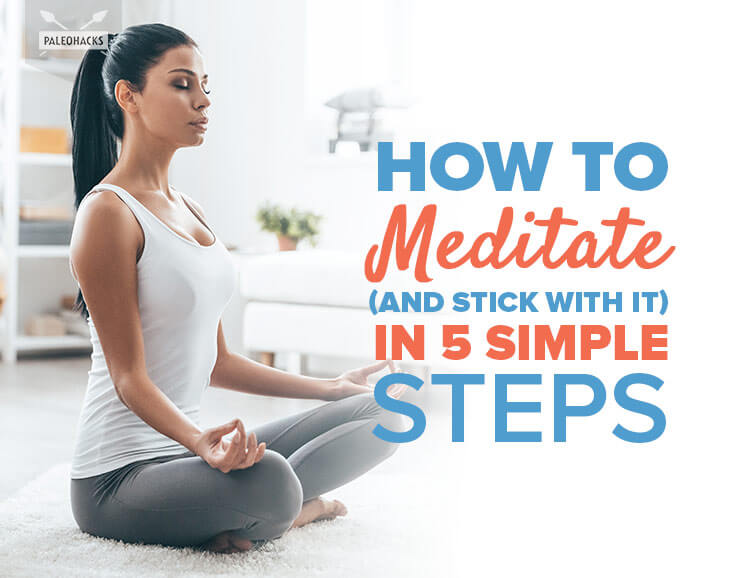
Navigating quick meditation sessions before training can sometimes be accompanied by obstacles that hinder their effectiveness. Recognizing these common challenges is essential to develop strategies that ensure a smooth and beneficial meditation experience, even in time-constrained situations. Addressing issues such as distractions, impatience, or difficulty focusing can significantly enhance the quality of your pre-training mental preparation, allowing for a more centered and calm state ready for optimal performance.Understanding the typical hurdles faced during rapid meditation sessions allows practitioners to implement targeted solutions that promote consistency and effectiveness.
Whether dealing with external noise, restless thoughts, or impatience, applying practical troubleshooting techniques can transform these obstacles into opportunities for deeper engagement and mental clarity.
Distractions and Environmental Interruptions
External distractions such as noise, movement, or interruptions can significantly disrupt the flow of quick meditation. These disruptions can cause the mind to drift away from focused breathing or visualization, reducing the session’s benefits. To manage this:
- Find a quiet space or create a dedicated corner that minimizes external noise and disturbances.
- If environmental noise is unavoidable, use earplugs or white noise to mask background sounds.
- Set a clear intention to ignore minor distractions and gently bring focus back to your breath or mantra.
- Inform others around you about your meditation time to reduce unexpected interruptions.
A calm and controlled environment fosters deeper concentration, making it easier to harness the benefits of quick meditation.
Difficulty Focusing or Racing Thoughts
Rapid thoughts and mental chatter are common obstacles, especially when time is limited and distractions are high. Focusing amidst a busy mind can be challenging, but various techniques can help:
- Use a simple breathing technique, such as counting breaths, to anchor your attention and reduce mind wandering.
- Employ a mantra or affirmation to give your mind a specific focus point, helping to quiet racing thoughts.
- Practice gentle acknowledgment of distracting thoughts without judgment, then redirect focus back to your meditation point.
- Start with shorter durations, gradually increasing as your focus improves over time.
Consistent practice cultivates mental resilience, making it easier to maintain focus even during brief sessions.
Impatience and Restlessness
Feeling impatient or restless is a natural response, particularly when quick meditation is approached with high expectations. This can lead to frustration and reduced effectiveness. To counteract this:
- Accept that some level of restlessness is normal and part of the process of increasing mindfulness.
- Focus on the quality of your breath or visualization rather than duration, emphasizing presence over time.
- Practice brief grounding exercises, such as feeling the weight of your body against the chair or floor, to foster patience.
- Remind yourself that even a few moments of mindful awareness can produce benefits, reducing the need for prolonged sessions.
Adopting a compassionate attitude towards your meditation process promotes a more relaxed and receptive state.
Technical Issues with Guided or Digital Resources
Sometimes, technical difficulties such as malfunctioning apps, lost signals, or unavailable guides interrupt the flow of quick meditation. To mitigate these:
- Prepare backup resources, such as pre-downloaded audio files or printed scripts of guided meditations.
- Familiarize yourself with manual breathing or visualization techniques that do not rely on digital tools.
- Maintain a flexible attitude and adapt quickly by switching to self-guided practices when necessary.
- Ensure devices are charged and set to silent mode to prevent interruptions during your session.
Being adaptable and prepared minimizes disruptions, allowing you to maintain focus and continuity.
“Overcoming common meditation challenges involves patience, preparation, and gentle persistence. Flexibility in approach enhances resilience, ensuring that even brief sessions serve their purpose effectively.”
Tracking Progress and Adjustments
Maintaining awareness of how your quick meditation practices influence your mental clarity, emotional balance, and overall well-being is essential for optimizing your routine. Effective tracking enables you to identify what techniques resonate most with you and where adjustments may be beneficial, ensuring your practice remains dynamic and tailored to your evolving needs.Monitoring the effectiveness of short meditation sessions involves consistent self-reflection and observation of tangible changes over time.
Personal feedback, such as noting reductions in stress levels, improved focus during training, or enhanced mood, provides valuable insights. Establishing a system for recording these experiences helps in recognizing patterns and tracking progress systematically.Creating a simple yet functional journal or log is an effective way to document your meditation journey. This record can include details such as the date and time of each session, duration, specific techniques used, emotional or physical sensations experienced, and any noticeable benefits.
Regular entries not only facilitate ongoing evaluation but also motivate continued practice by highlighting progress.Adjustments to your meditation methods should be based on honest personal feedback and recorded observations. If certain techniques consistently evoke a sense of calm and focus, they can be prioritized. Conversely, if some methods feel ineffective or cause discomfort, exploring alternative approaches or modifying existing ones may enhance outcomes.
Flexibility and responsiveness to your evolving preferences are key to maintaining engagement and maximizing benefits.
Monitoring Effectiveness
Effective tracking involves paying attention to both subjective and objective indicators of progress. Subjective indicators include feelings of increased calmness, reduced anxiety, or improved mental clarity after sessions. Objective indicators may involve assessing changes in stress levels using simple tools such as stress scales or mood charts. Regularly reviewing these indicators helps in evaluating the impact of your meditation practice.
Developing a Journal or Log
A straightforward method for tracking involves maintaining a dedicated meditation journal or digital log. Record the date, time, duration, and specific techniques employed during each session. Note sensations such as relaxation, distraction, or energy levels, along with any emotional shifts or insights gained. Over weeks or months, this log reveals patterns that inform subsequent adjustments.
Adjusting Techniques Based on Feedback
Personal feedback is the cornerstone of refining your meditation practice. If certain strategies yield consistent benefits, they can be incorporated more frequently or extended in duration. If some techniques prove less effective or cause discomfort, consider reducing their frequency or trying alternative methods. Listening to your body’s responses and being adaptable ensures your practice remains engaging and beneficial. Keep in mind that progress may be gradual, and patience is essential when making adjustments.
Enhancing Meditation with Audio or Guided Scripts
Incorporating audio recordings or guided scripts into your quick meditation practice can significantly deepen your experience and improve consistency. These tools serve as effective anchors, guiding your focus and helping you achieve a state of calm more efficiently, especially when time is limited. Whether you’re new to meditation or seeking to refine your practice, personalized audio or scripts can make quick sessions more engaging and impactful.
Using pre-recorded audio or customized scripts allows for a structured approach that can be tailored to specific needs such as relaxation, focus, or confidence. These resources are especially beneficial in busy environments or when you need immediate relief from stress, as they eliminate the need to generate mental guidance on the spot. Creating personalized guided scripts ensures that the content resonates with your unique goals and preferences, fostering a more meaningful meditation experience.
Using Audio Recordings or Guided Scripts
Audio recordings and guided scripts are valuable tools that facilitate quick meditation sessions by providing clear instructions and soothing sounds. They help maintain focus, reduce distractions, and ensure that your meditation remains consistent regardless of external conditions. High-quality recordings often include calming music, gentle voice guidance, and prompts that guide you through breathing, visualization, or centering techniques, making it easier to enter a relaxed state rapidly.
When choosing or creating guided scripts, consider the environment and your specific goals. For example, if you aim to boost confidence before a presentation, scripts might include affirmations and visualization tailored to that context. Using audio allows for hands-free practice, enabling you to meditate while commuting, during a work break, or in a quiet corner. The consistency of auditory cues can also help reinforce your meditation habit, making it easier to incorporate into your daily routine.
Creating Personalized Guided Meditation Scripts
Developing your own guided scripts empowers you to customize meditation sessions to target particular outcomes such as stress reduction, mental clarity, or emotional resilience. Personal scripts increase relevance and engagement, often leading to more profound benefits. When crafting these scripts, focus on language that resonates with your emotional tone, incorporating specific imagery, affirmations, or sensory details that evoke the desired state.
Begin by identifying your meditation goal, then structure your script with clear, concise instructions. Incorporate elements like breathing cues, visualization prompts, and positive affirmations. For instance, a confidence-boosting script might include phrases like,
“I am capable and confident in every situation,”
combined with imagery of successful outcomes. Recording these scripts with a calm voice and in a quiet environment enhances their effectiveness. Consistent use of personalized scripts can deepen your connection to the practice, making quick meditation sessions more meaningful and tailored to your needs.
Organizing Themes for Guided Meditation Scripts
Choosing a theme for your guided scripts helps focus your meditation sessions on specific outcomes or emotional states. Thematic scripts can be tailored for different scenarios, making them versatile tools in your quick meditation arsenal. Consider organizing scripts around common themes that align with your personal or professional goals, providing clarity and purpose to each session.
| Theme | Purpose | Sample Content |
|---|---|---|
| Confidence | Boost self-belief and assertiveness before challenging situations | Visualization of successful interactions, affirmations like “I am capable and strong.” |
| Calmness | Reduce anxiety and promote relaxation during stressful moments | Breathing exercises paired with imagery of peaceful settings such as a quiet lake or gentle breeze. |
| Focus | Enhance concentration and mental clarity for work or study | Guided attention on a single object or thought, affirmations like “My mind is clear and focused.” |
| Energy Boost | Revitalize and energize the mind and body during mid-day breaks | Visualization of vibrant energy flowing through the body, paired with energizing phrases. |
Integrating themed scripts into your quick meditation routine allows for targeted benefits, ensuring each session aligns with your immediate needs or long-term goals. Personalizing and organizing these themes enhances your ability to quickly access the right mental state when needed most.
Integrating Meditation with Warm-up Routines
Combining meditation with physical warm-up exercises creates a harmonious start to training sessions, enhancing both mental clarity and physical readiness. This integration ensures that the mind and body are aligned, fostering a state of focused calmness that primes you for optimal performance and reduced injury risk.
Seamlessly blending meditation with warm-up routines involves strategic synchronization, allowing each activity to complement the other without causing disruption. By doing so, practitioners can maximize benefits such as increased concentration, reduced muscle tension, and improved overall engagement during training.
Step-by-step Procedure for Synchronized Warm-up and Meditation Routines
Implementing an effective combined routine requires a clear, structured approach that smoothly transitions between physical movements and mental focus. The following steps offer a practical guide to achieve this integration:
- Begin with a brief mindfulness grounding: Start by sitting comfortably or standing quietly, focusing on your breath for one to two minutes to establish a calm mental state.
- Perform light physical warm-up exercises: Engage in gentle movements such as arm circles, neck rotations, or light jogging in place to increase blood flow and loosen muscles. Conduct these exercises mindfully, maintaining awareness of each movement.
- Integrate breath awareness: As you continue warm-up movements, synchronize your breath with your activity. For example, inhale during stretching or lifting movements, and exhale during relaxation phases.
- Transition into focused meditation: After the physical warm-up, sit or stand still and shift your attention inward. Use a calming technique such as deep breathing or a mantra to deepen relaxation.
- Maintain a mindful awareness of bodily sensations: During the meditation, stay attentive to how your body feels post-warm-up. This enhances mind-body connection and prepares you mentally for the upcoming activity.
This step-by-step process ensures that physical warm-up and meditation are not isolated activities but parts of a cohesive routine that prepares both mind and body for effective training.
Benefits of Combining Meditation with Warm-up Exercises
The integration of these practices offers several tangible advantages, exemplified through real-world scenarios:
Enhanced Focus and Reduced Anxiety: Athletes who incorporate brief meditation into their warm-up routines report improved concentration and lowered pre-competition anxiety, leading to better performance during critical moments.
Increased Muscle Relaxation and Flexibility: Gentle mindful movements combined with meditative awareness help reduce muscle tension, increasing flexibility and lowering injury risk, especially in activities requiring dynamic movements like gymnastics or martial arts.
Improved Breathing Efficiency: Synchronizing breathing techniques within warm-up exercises enhances respiratory function, benefiting endurance-based sports such as running or cycling.
For instance, a yoga practitioner may begin with a series of mindful stretches, followed by seated meditation, resulting in a calm yet energized state that enhances focus and physical preparedness. Similarly, a sprinter might perform light jogging with synchronized breathing, then transition into a mindfulness meditation to sharpen mental clarity before starting their race.
Visual Aids and Illustrations for Quick Meditation
Effectively integrating visual aids into quick meditation training enhances comprehension and speeds up mastery of techniques. Visual content serves as a powerful tool to clarify complex concepts, demonstrate proper posture, and guide breathing exercises, making meditation accessible even for beginners or those with limited time.
High-quality visual aids can bridge the gap between instruction and practice, ensuring that individuals can quickly grasp the correct methods and integrate them seamlessly into their busy routines. Carefully designed visual content not only supports learning but also boosts confidence in executing meditation techniques correctly.
Diagrams of Breathing Techniques and Posture Illustrations
Detailed diagrams that depict breathing exercises, such as diaphragmatic or box breathing, help users understand the mechanics involved. For instance, a diagram showing the flow of breath from the nostrils down into the lungs, expanding the diaphragm, and then exhaling can clarify the process, promoting proper technique.
Posture illustrations are equally vital, particularly in quick meditation sessions where maintaining correct alignment enables better focus and relaxation. These visual aids can depict sitting with a straight spine, relaxed shoulders, and proper hand placement, reducing the risk of discomfort or distraction during practice.
Creating Visual Guides to Enhance Understanding
To maximize the effectiveness of visual aids, consider developing step-by-step visual guides that Artikel each stage of the meditation process. For example, a series of images showing initial posture, breathing techniques, visualization steps, and concluding gestures can serve as quick reference points.
Using clear labels and concise annotations helps reinforce key points, making the visual guides easy to follow during brief training sessions. Incorporating color-coding or numbered steps can further facilitate quick comprehension and recall.
Types of Visual Content to Support Training Sessions
Various types of visual content can enrich quick meditation training, catering to different learning preferences and settings:
- Infographics: Combining images and text to summarize meditation steps, benefits, and common pitfalls.
- Animated Illustrations: Short animations demonstrating breathing cycles, posture adjustments, or movement integrations that can be viewed on digital devices.
- Posture Charts: Visual depictions of ideal sitting or lying positions, emphasizing alignment and comfort.
- Flowcharts: Sequential diagrams guiding users through decision points, such as choosing breathing techniques based on their mood or time constraints.
- Mind Map Diagrams: Visual representations connecting different meditation strategies and quick tips for easy recall.
Visual aids serve as cognitive anchors, enabling practitioners to quickly internalize techniques and practice them confidently, even in time-constrained environments.
Tips for Sustaining Motivation and Focus
Maintaining consistent motivation and focus for quick meditation sessions prior to training can significantly enhance both mental clarity and physical performance. Developing sustainable habits requires deliberate strategies that reinforce commitment and foster a positive mindset toward the practice. In this segment, we explore effective ways to keep your motivation high, ensuring that your meditation routine remains a vital part of your training preparation.Consistent engagement in quick meditation sessions can sometimes wane due to busy schedules or waning enthusiasm.
To counteract this, it is essential to implement techniques that boost motivation and help you stay focused on your goals. These strategies not only reinforce the importance of meditation but also make the practice more engaging and rewarding over time.
Creating Motivational Quotes and Affirmations
Establishing personalized motivational quotes and affirmations tailored to your training objectives can serve as powerful reminders of your commitment. These affirmations should be positive, concise, and aligned with your goals, such as “Calm mind, strong body” or “Focused and ready.” When repeated regularly, these phrases can rewire your mindset, increasing resilience against distractions and negative thoughts.Designing affirmations that resonate personally ensures they are more impactful.
For example, athletes often create affirmations emphasizing mental strength, confidence, and resilience. Writing these affirmations on sticky notes or visual reminders placed in your training space can reinforce their message and enhance your motivation to meditate consistently.
Utilizing Reminders and Rewards
Incorporating practical tools like setting digital or physical reminders can prevent forgetfulness and establish a steady meditation habit. Use alarms, calendar alerts, or dedicated app notifications to signal when it’s time for your quick session. Consistent reminders create a cue that integrates meditation into your daily routine seamlessly.Reward systems can also motivate continued practice. Upon reaching milestones—such as completing meditation sessions for a week or mastering a new technique—reward yourself with small treats or recognition.
Rewards should be meaningful and aligned with your goals, such as enjoying a favorite healthy snack or taking a relaxation break, fostering positive reinforcement and encouraging persistence.
Partnering with Training Peers
Engaging with training peers or accountability partners provides external motivation and creates a shared commitment. Practicing meditation together or simply sharing progress can boost accountability, making it easier to stay focused and motivated. Peer support often leads to a sense of community and shared purpose, which can significantly increase adherence.Regularly checking in with a partner to discuss experiences, challenges, and successes fosters mutual encouragement.
This collaborative approach can introduce a friendly competitive element, inspiring each participant to uphold their meditation routine diligently, ultimately enhancing overall training readiness.
Tracking Progress and Celebrating Achievements
Keeping a journal or using tracking apps to monitor meditation frequency, duration, and personal reflections helps visualize growth over time. Recognizing progress provides tangible evidence of commitment, boosting motivation to maintain consistency. Celebrating milestones, such as completing a 30-day streak, reinforces positive behavior and encourages continued effort.Additionally, reviewing your progress periodically can identify patterns or obstacles, enabling you to make adjustments for better results.
Acknowledging even small improvements fosters a positive attitude toward your practice, cultivating a sense of accomplishment that sustains long-term engagement.
Integrating Visualization and Affirmation Techniques
Incorporating visualization strategies during meditation sessions, such as imagining successful training outcomes or peaceful scenes, enhances motivation by reinforcing your goals. Combining this with affirmations strengthens your mental resilience and focus.For example, visualizing yourself completing a training session with confidence, paired with affirmations like “I am centered and prepared,” can create a powerful mental state conducive to high performance. Regularly practicing these techniques deepens your emotional connection to your training goals, making your meditation practice more meaningful and motivating.
Conclusion
Sustaining motivation and focus requires a blend of personalized affirmations, practical reminders, social support, and progress tracking. By actively engaging in these strategies, you reinforce your commitment to quick meditation as an essential component of your training routine, ultimately enhancing both mental and physical readiness for optimal performance.
Last Recap
In conclusion, adopting these 15 quick meditation points before training can transform your preparation process by fostering better focus, reducing anxiety, and enhancing performance. Consistent practice not only prepares you more effectively for each session but also builds a sustainable habit that supports long-term growth. Embrace these techniques to unlock your full potential and enjoy more productive, mindful training experiences.