Discover an effective approach to enhance your jogging experience through meditation by following these eight simple steps. Integrating mindfulness and breathing techniques into your routine can significantly improve mental clarity, reduce stress, and deepen your connection with your physical activity.
This guide provides clear instructions on preparing for your meditation-jogging sessions, maintaining focus during the activity, and reflecting afterward. By adopting these practices, you can transform your jogging into a holistic exercise that nurtures both body and mind.
Introduction to Meditating During Jogging
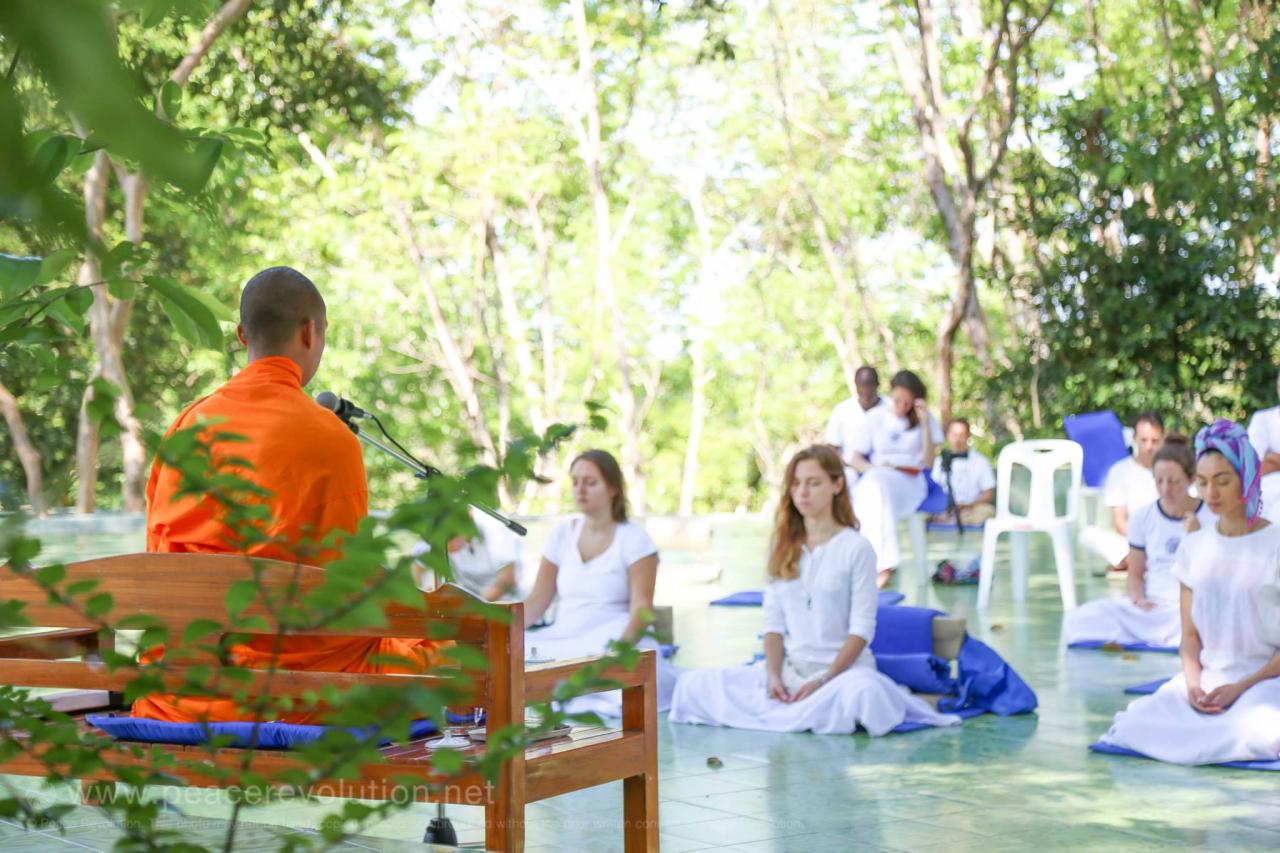
Integrating meditation into jogging routines offers a unique opportunity to enhance both physical and mental well-being. This practice combines the physical benefits of aerobic exercise with the mental clarity and stress reduction associated with meditation, creating a holistic approach to health. By synchronizing mindful awareness with rhythmic movement, individuals can deepen their connection to their body and environment, leading to more fulfilling exercise sessions.
Central to this integration are mindfulness and breathing techniques, which serve as foundational tools to cultivate present-moment awareness and controlled respiration during jogging. These practices not only improve focus and relaxation but also boost endurance and reduce the risk of injury by promoting better body awareness. Historically, meditation has been used alongside physical disciplines such as yoga and martial arts to enhance mental discipline and physical harmony.
In recent decades, the concept of combining meditation with physical exercise has gained popularity, with many athletes and fitness enthusiasts recognizing the benefits of mindful movement for overall health and mental resilience.
Benefits of Combining Meditation with Jogging
Marrying meditation with jogging amplifies the advantages of each activity, resulting in a more comprehensive wellness experience. The primary benefits include:
- Reduction of stress and anxiety through focused breathing and mindfulness
- Enhanced concentration and mental clarity during physical activity
- Improved physical endurance by maintaining steady breathing patterns
- Increased body awareness, which can prevent injuries and improve running form
- Promotion of emotional balance and overall mental health
The Role of Mindfulness and Breathing Techniques
Mindfulness involves paying deliberate attention to the present moment without judgment. During jogging, this can be practiced by focusing on the sensation of the feet contacting the ground, the rhythm of breathing, or the sounds of the environment. Incorporating breathing techniques enhances this mindfulness by regulating respiration, which helps maintain a calm and steady pace. Techniques such as diaphragmatic breathing or box breathing can be used to synchronize breath with stride, fostering a meditative state even amidst physical exertion.
These methods serve to anchor awareness, reduce racing thoughts, and cultivate a sense of calmness that persists beyond the exercise session.
A Brief History of Meditation Practices Integrated with Physical Exercise
The fusion of meditation and physical activity has roots extending back thousands of years. Traditional practices such as yoga in ancient India have combined physical postures (asanas) with breath control (pranayama) and meditation to promote spiritual and physical health. Similarly, martial arts like Tai Chi and Qigong incorporate slow, deliberate movements with mindful breathing, emphasizing harmony between mind and body.
In the modern era, mindfulness-based stress reduction (MBSR) programs and mindful running initiatives have popularized the concept of integrating meditation into exercise routines. These practices are grounded in the understanding that mental clarity and physical movement are mutually reinforcing, fostering resilience, relaxation, and improved performance.
Preparing for Your Meditation-Jogging Routine
Establishing a mindful and focused environment before beginning your meditation during jogging enhances the effectiveness of your practice. Proper preparation ensures that your mind and body are aligned, allowing you to fully immerse in the calming and centering experience that meditation provides even amid physical activity. A well-prepared routine can help maximize mental clarity, physical comfort, and overall enjoyment during your jog.
Preparation involves selecting the right gear, creating an optimal environment, and engaging in mental exercises to set your intentions. These steps not only foster a distraction-free setting but also cultivate a mindset conducive to mindfulness. Implementing these foundational measures ensures your meditation journey becomes a seamless and enriching part of your jogging experience.
Essential Gear and Environment Setup
To cultivate a distraction-free experience, thoughtful selection of equipment and environment is crucial. These elements create the ideal setting, enabling you to focus inwardly while engaging in physical activity.
- Comfortable Running Attire: Wear breathable, moisture-wicking clothing and well-fitting shoes to prevent discomfort, allowing you to concentrate on your meditation rather than physical distractions.
- Noise-Canceling Headphones or Earbuds: Use high-quality headphones to block out external noise. If you prefer ambient sounds, select calming tracks or nature sounds that promote focus.
- Designated Quiet Route: Choose a jogging path that minimizes traffic, crowds, or loud noises. Parks, trails, or quiet neighborhood streets are ideal to foster tranquility.
- Safe and Well-Lit Environment: Ensure the area is safe for jogging, with proper lighting if running during early mornings or evenings, reducing worries and enabling a relaxed state.
Creating a distraction-free environment involves more than just physical setup; it encompasses cultivating mental space free from interruptions, preparing you to fully embrace your mindfulness practice.
Steps to Mentally Prepare and Set Intentions
Prior to beginning your meditation-jogging session, dedicating time to mental preparation helps align your focus and establish clear goals for your practice. This mental groundwork fosters a deeper connection with your mindfulness journey.
- Center Yourself: Take a few deep breaths, inhaling slowly through your nose and exhaling through your mouth, to calm your nervous system and ground your thoughts.
- Clarify Your Intention: Define a specific purpose for your session, such as cultivating awareness, releasing stress, or enhancing physical and mental harmony. Setting an intention directs your focus and enhances mindfulness.
- Visualize Success: Imagine yourself jogging calmly and meditating effectively. Visualizing positive outcomes boosts confidence and prepares you psychologically for the session.
- Eliminate Distractions: Mentally acknowledge potential interruptions or distractions and commit to gently bringing your focus back whenever your mind wanders. This acceptance fosters patience and resilience.
Setting clear intentions transforms your jogging session from a routine activity into a purposeful mindfulness practice, enriching both your mental clarity and physical well-being.
Pre-Jog Mindfulness Exercises Checklist
Engaging in brief mindfulness exercises before starting your jog can significantly enhance your focus and presence. These preparatory steps prime your mind to stay attentive during your meditation in motion.
- Body Scan: Spend a minute scanning your body from head to toe, noticing areas of tension and consciously relaxing those muscles. This promotes bodily awareness and prepares you for mindful movement.
- Breathing Practice: Perform a few rounds of diaphragmatic breathing—deep, slow breaths that expand your abdomen—to center your attention and calm your nervous system.
- Mental Note of Intentions: Verbally or silently repeat your intentions for the session, such as “I will focus on my breath” or “I will stay present with each step,” to reinforce your mindfulness focus.
- Gratitude Reflection: Take a moment to reflect on things you are grateful for, fostering positivity and openness as you begin your practice.
Incorporating these mindfulness exercises into your pre-jog routine cultivates a receptive and focused mindset, making your meditation during jogging more effective and enjoyable.
Step-by-Step Guide to Meditating in 8 Simple Steps During Jogging
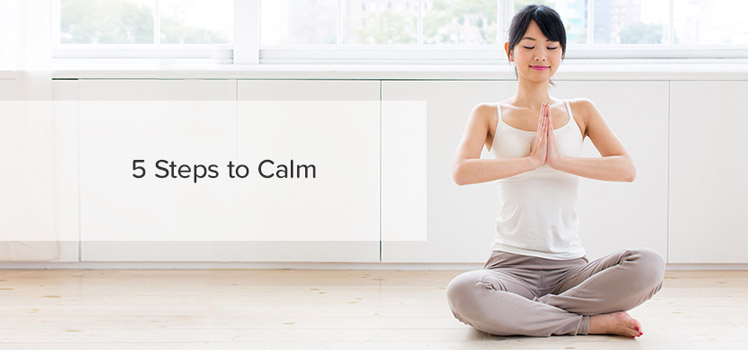
Integrating meditation into your jogging routine can enhance mindfulness, improve focus, and deepen your overall exercise experience. By following a structured approach, you can synchronize your breath, posture, and awareness seamlessly with your rhythm of movement, creating a calming and centering practice on the go. Below is a detailed, step-by-step guide designed to help you meditate effectively during your jogs.
This approach emphasizes mindful breathing, body awareness, and mental focus, ensuring that each step supports a harmonious blend of physical activity and mental clarity. Whether you are a beginner or experienced in meditation, these steps can be adapted to fit your pace and environment, helping you cultivate presence and tranquility during your runs.
Step 1: Find a Comfortable Posture and Begin with Intentional Breathing
Start your meditation by adopting an upright yet relaxed posture. Keep your shoulders relaxed, chest open, and head aligned with your spine. Focus on your breath, taking deep, deliberate inhales through your nose, followed by slow exhales through your mouth or nose. This initial focus on breathing sets a calm tone and prepares your mind for mindfulness during jogging.
Step 2: Synchronize Your Breath with Your Pace
Gradually match your breathing to your jogging rhythm. For instance, inhale for three steps and exhale for three steps, creating a steady, rhythmic pattern. This synchronization fosters a meditative state, diminishing distractions and anchoring your awareness in the present moment.
Step 3: Cultivate Body Awareness with Each Step
As you run, bring attention to the sensations in your body. Notice how your feet strike the ground, the movement of your legs, and the tension or relaxation in your muscles. Maintain awareness of your posture, ensuring it remains upright and relaxed, which supports efficient movement and mental calmness.
Step 4: Focus Your Mental Attention on the Present
Shift your mental focus to the immediate experience. Observe the sights, sounds, and smells around you without judgment. If your mind drifts, gently bring it back to your breath and bodily sensations, reinforcing mindfulness and preventing distraction from wandering thoughts.
Step 5: Incorporate Progressive Relaxation
During your jog, periodically scan your body for tension, especially in the shoulders, jaw, and abdomen. Consciously relax these areas, allowing your muscles to soften with each exhale. This practice enhances physical comfort and mental relaxation during movement.
Step 6: Maintain a Steady Pace with Mindful Awareness
Keep your pace consistent and comfortable, avoiding abrupt changes. Use your breath and bodily sensations as guides to monitor your effort level, ensuring your mind remains focused and calm. This steady pacing supports sustained mindfulness throughout your run.
Step 7: Use Affirmations or Mantras Internally
Silently repeat positive affirmations or simple mantras, such as ”
I am present
” or ”
With each step, I am calm and centered
.” These mental cues reinforce your meditative intent and deepen your focus during jogging.
Step 8: Conclude with Gentle Reflection and Deep Breathing
At the end of your jog, gradually slow your pace and come to a gentle walking or standing posture. Take a few deep, restorative breaths, reflecting on your experience. Allow your awareness to settle into a state of calm before transitioning back to your daily activities.
| Step | Description | Mental Focus | Physical Cues |
|---|---|---|---|
| 1. Posture & Breath | Adopt an upright, relaxed posture; begin deep, intentional breathing. | Calm, focused breathing | Shoulders relaxed, chest open, steady inhalation and exhalation |
| 2. Synchronize Pace & Breath | Match your breathing rhythm to your jogging steps. | Rhythmic awareness of breath and movement | Count steps for inhale/exhale, maintain steady cadence |
| 3. Body Awareness | Pay attention to sensations in your feet, legs, and torso. | Present-centered sensory focus | Foot strikes, muscle engagement, posture integrity |
| 4. Present Moment Focus | Observe surroundings without judgment. | Mindfulness of sights, sounds, smells | Environmental cues, internal reactions |
| 5. Progressive Relaxation | Consciously relax tense muscles during run. | Relaxed awareness | Muscle tension, breathing cues for relaxation |
| 6. Steady Pacing | Maintain consistent speed, guided by breath and sensation. | Effort level and breath control | Rhythm of steps, breathing pattern |
| 7. Mantras & Affirmations | Repeat calming words internally. | Focused mental repetition | Quiet mental space, steady rhythm of affirmation |
| 8. Reflection & Deep Breaths | Gradually slow down and reflect post-run. | Inner calm, gratitude | Deep breaths, relaxed posture |
Breathing Patterns for Meditation During Jogging

Integrating effective breathing techniques into your jogging routine enhances the meditative experience, promoting deeper relaxation, improved focus, and better oxygenation. Proper breathing not only supports physical endurance but also helps cultivate mindfulness, allowing you to synchronize your breath with your movement for optimal mental and physical benefits.
Implementing specific breathing patterns during jogging encourages a state of calmness while maintaining energy levels. These techniques can be adapted to suit different paces and personal comfort, fostering a seamless connection between breath, body, and mind during your meditation-jogging practice.
Breathing Techniques Suitable for Meditation During Jogging
Choosing the right breathing pattern is essential for harmonizing meditation and physical activity. Here are several effective methods, each with unique benefits that can be incorporated into your jogging routine:
- Diaphragmatic (Belly) Breathing: This technique emphasizes deep breaths that engage the diaphragm, promoting relaxation and efficient oxygen use. It involves inhaling deeply through the nose, allowing the abdomen to expand, then exhaling slowly through the mouth or nose. This method reduces tension and encourages mindfulness of breath and movement.
- Rhythmic Breathing: Coordinating breath with stride helps create a rhythmic pattern, enhancing focus and endurance. For example, inhaling for two strides and exhaling for two strides establishes a steady cycle that promotes calmness and synchronization with your run.
- Box Breathing: Also known as square breathing, this pattern involves inhaling for a set count, holding the breath, exhaling for the same count, and pausing before the next inhale. While traditionally practiced in static meditation, it can be adapted during jogging by matching counts with stride cycles to maintain steady breath and mental clarity.
- Ujjayi Breathing: Originating from yoga, this technique involves slightly constricting the throat to produce a gentle hissing sound during inhalation and exhalation. It helps maintain a controlled and focused breath, providing a calming effect even during moderate-paced jogging.
Coordinating Breath with Stride for Optimal Relaxation and Focus
Synchronizing your breathing pattern with your running stride enhances both physical efficiency and meditative depth. Consistent coordination reduces mental distractions, anchors your awareness, and fosters a flowing rhythm that can make jogging feel more effortless and meditative.
For instance, adopting a breath-to-stride ratio—such as inhaling for three steps and exhaling for three steps—can create a harmonious pattern that stabilizes pace and calms the nervous system. As you deepen your practice, you may adjust the ratio based on your comfort and running speed, always aiming for a relaxed, mindful state.
Matching your breath to your stride not only improves oxygen intake but also cultivates heightened awareness of your body’s movements, reinforcing mindfulness during physical activity.
Comparison of Breathing Methods During Jogging
| Technique | Primary Focus | Effects | Suitability |
|---|---|---|---|
| Diaphragmatic Breathing | Deep belly breaths engaging the diaphragm | Enhances relaxation, improves oxygen efficiency, reduces fatigue | Beginner to intermediate, ideal for calming the mind during jogging |
| Rhythmic Breathing | Breath synchronized with stride cycle | Creates steady rhythm, improves endurance, fosters focus | Intermediate runners, useful for maintaining pace and mindfulness |
| Box Breathing | Equal durations for inhale, hold, exhale, hold | Increases mental clarity, reduces stress, promotes steadiness | Advanced practitioners, beneficial during slower runs or intervals |
| Ujjayi Breathing | Constricted throat sound, controlled inhalation and exhalation | Deepens focus, maintains calmness, supports sustained effort | Experienced meditators and runners familiar with yogic breathing |
Choosing the appropriate breathing method depends on your experience level and the specific goals of your meditation-jogging session. Experimenting with these techniques can help identify what best enhances your focus, relaxation, and overall running experience.
Post-Jog Reflection and Meditation
After completing your jogging session and meditation, dedicating time to mental reflection and gentle cooling down enhances the overall benefits of your routine. This phase allows you to consolidate your mindfulness experience, release physical tension, and prepare your mind for a relaxed transition back to daily activities. Engaging in thoughtful reflection can deepen your awareness of personal progress and reinforce the calming effects achieved during meditation, fostering a sense of accomplishment and mental clarity.The transition from active meditation during jogging to a state of relaxed awareness involves gradually shifting focus from external physical sensations to internal mental calmness.
This process helps prevent abrupt mental shifts, which could disrupt the meditative state or induce discomfort. Incorporating specific techniques ensures a smooth transition that maintains tranquility, allowing your mind to settle into a peaceful, reflective space.To reinforce your practice and promote ongoing mindfulness, journaling or mental review can be highly effective. Recording your experiences, insights, and emotional responses provides tangible evidence of your progress and helps identify patterns or areas for improvement.
Mental review involves gently revisiting your meditation moments or sensations experienced during jogging, fostering a deeper understanding of your mindfulness journey and encouraging continuous growth.
Cooling Down and Mental Reflection Techniques
Engage in gentle stretching to gradually lower your heart rate and relax your muscles. Focus on slow, deep breaths to reset your nervous system, feeling the cool air fill your lungs and release tension. As your body cools down, turn your attention inward, observing any residual sensations or thoughts without judgment. This mindful awareness cultivates a sense of calm and prepares your mind for reflection.
Transition Strategies from Active Meditation to Relaxed State
Use gradual breathing exercises to ease your mind into a state of restful awareness. For example, shift from active rhythmic breathing during jogging to slow, diaphragmatic breaths, emphasizing lengthening each inhale and exhale. Incorporate gentle body scans, starting from your toes up to your head, to connect physical sensations with mental calmness. Visualizations of peaceful scenes or quiet environments can also facilitate a smooth mental transition, anchoring your awareness in tranquility.
Journaling and Mental Review Practices
Prepare a dedicated journal or mental space to reflect on your meditation-jogging session. Record details such as the time of day, weather conditions, physical sensations experienced, mental states, and any insights gained. Phrases like
“Today’s mindfulness during jogging helped me feel more present and less distracted,”
can capture the core of your experience. Reviewing these notes regularly reinforces positive patterns, highlights areas for improvement, and motivates continued practice. It also helps in identifying emotional or psychological shifts that occur during your routine, enabling targeted adjustments for deeper mindfulness and well-being.
End of Discussion
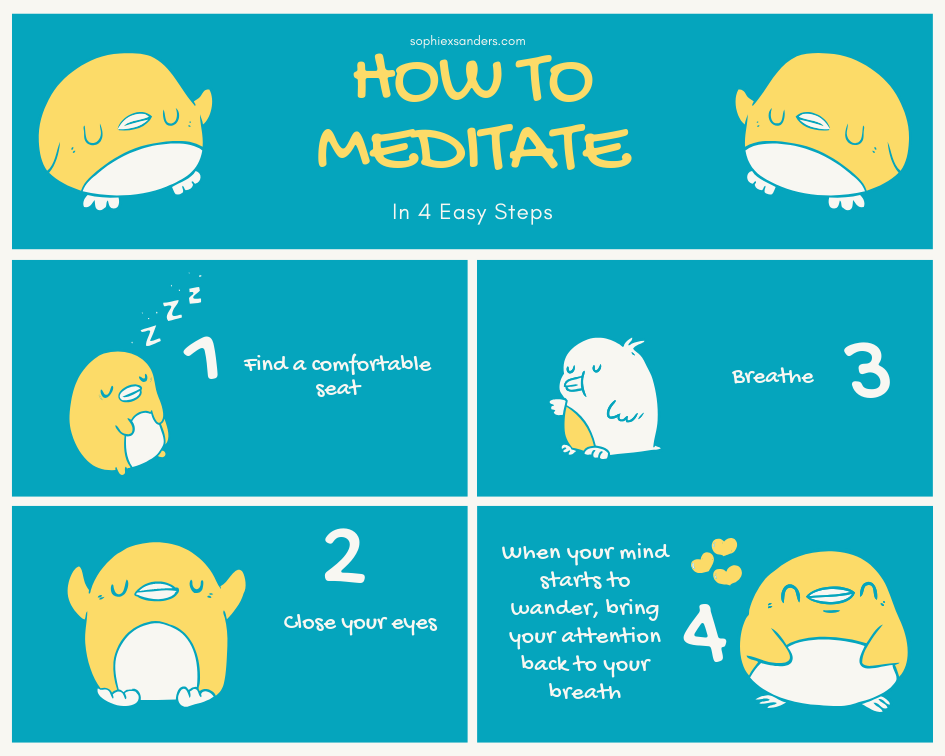
Incorporating meditation into your jogging routine offers numerous benefits, from increased mindfulness to improved physical and mental well-being. By consistently applying these eight simple steps, you can elevate your exercise experience, fostering a more present and relaxed state during and after your runs. Embrace this harmonious practice to achieve greater balance and vitality in your daily life.