Learning how to meditate before a sports match can significantly enhance an athlete’s mental readiness, leading to improved focus, calmness, and confidence on the field. Proper mental preparation is crucial for achieving peak performance, and meditation offers a powerful tool to help athletes manage pre-game nerves and optimize their mindset.
This guide explores effective techniques, ideal timing, and environmental preparations to integrate meditation seamlessly into pre-match routines, ensuring athletes are mentally fortified before stepping into competition.
Introduction to Meditation Before Sports Matches

Preparing mentally before a sports match plays a crucial role in achieving optimal performance. Athletes recognize that physical strength alone is insufficient; mental resilience, focus, and emotional regulation are equally vital for success on the field or court. Incorporating meditation into pre-game routines provides a powerful means to cultivate these psychological qualities, enabling athletes to enter competitions with clarity and composure.
Meditation influences athletic performance by enhancing concentration, reducing anxiety, and fostering a sense of confidence. When athletes engage in mindful practices before a game, they often experience improved focus, which translates into better decision-making and reaction times. Additionally, meditation helps cultivate a calm and centered state, alleviating pre-match nerves that can impair performance. This mental clarity bolsters confidence, allowing athletes to trust their skills and execute strategies effectively.
Common Misconceptions About Meditation and Sports
Despite its proven benefits, meditation is sometimes misunderstood within the sports community. A prevalent misconception is that meditation requires extensive time commitments or that it entails achieving a specific spiritual state. Many believe that meditation is only for relaxation and does not directly impact athletic performance. Others perceive it as a passive activity incompatible with the intensity and focus demanded by competitive sports.
In reality, effective pre-match meditation practices can be brief yet impactful, often lasting just a few minutes. It is a versatile tool that complements physical training routines and can be tailored to individual needs. Meditation is not about escaping the pressures of competition but about developing mental resilience, focus, and emotional stability—qualities that are essential for athletes seeking to perform at their best.
Correct understanding dispels these misconceptions, encouraging athletes to incorporate mindful practices into their preparation, thereby gaining a competitive edge.
Benefits of Meditating Prior to Sports Competition
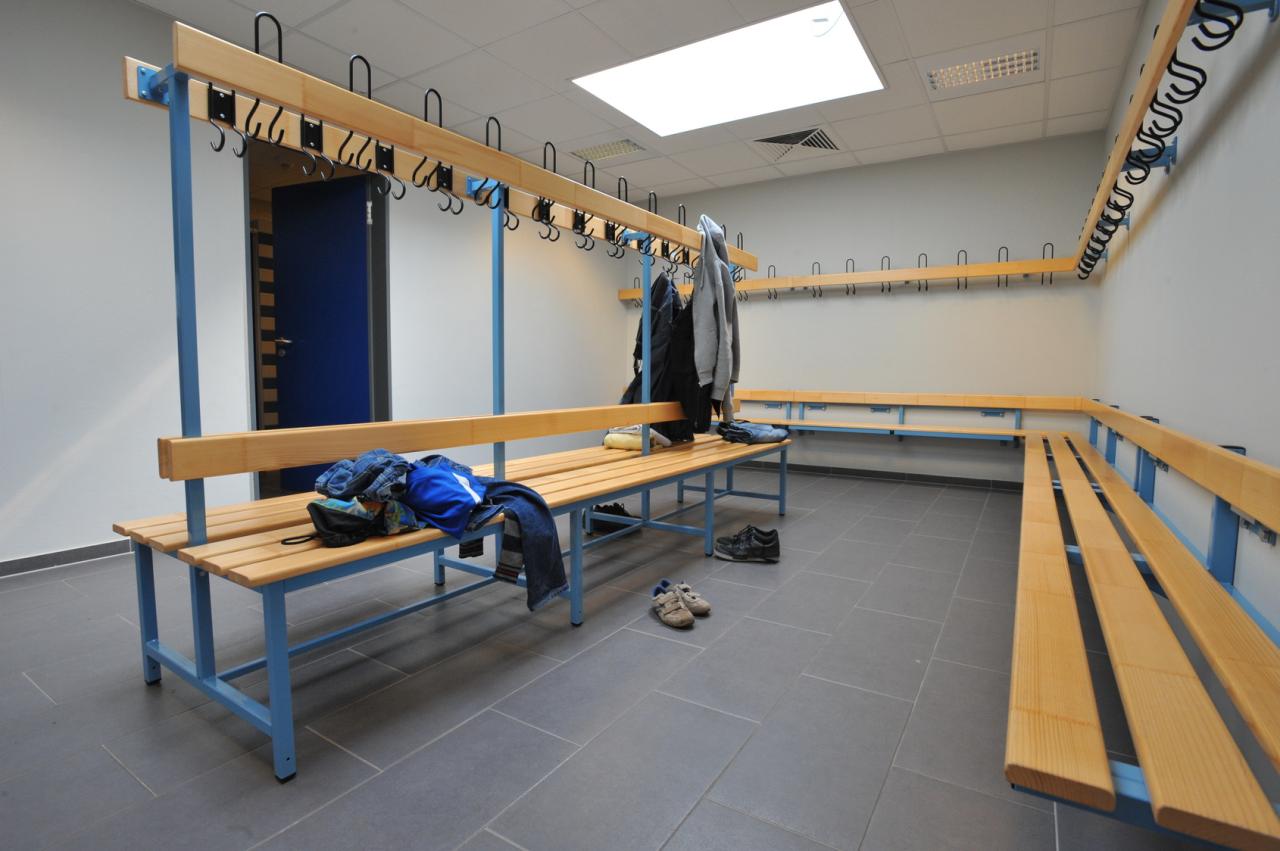
Meditation offers a multitude of advantages for athletes preparing for a match. By integrating mindful practices into pre-competition routines, athletes can experience improved mental and physical states, leading to optimal performance. Understanding these benefits enables athletes to harness the power of meditation to enhance their competitive edge.
Engaging in meditation just before a sports event can significantly influence an athlete’s mental readiness. It helps in calming the mind, reducing anxiety, and sharpening focus, which are crucial factors for peak performance. Moreover, consistent pre-match meditation cultivates mental resilience, enabling athletes to handle pressures and unexpected challenges effectively.
Reduction of Pre-Match Anxiety and Stress
Pre-match anxiety and stress are common among athletes, often impairing their performance. Meditation acts as an effective tool to alleviate these emotional states by promoting relaxation and fostering a sense of calm. The practice encourages deep, diaphragmatic breathing and mindfulness, which help in reducing the physiological symptoms associated with anxiety, such as increased heart rate and rapid breathing.
For example, athletes who engage in short mindfulness sessions before competing often report feeling more centered and less overwhelmed. This reduction in stress levels not only improves emotional well-being but also enhances physical readiness, allowing athletes to approach their match with confidence and composure.
Enhancement of Concentration and Mental Clarity
Maintaining high levels of concentration during a game is vital for success. Meditation sharpens focus by training the mind to stay present and resist distractions. This heightened mental clarity allows athletes to make quicker decisions, maintain strategic awareness, and execute skills more precisely during competition.
Practicing techniques like focused attention meditation or visualization before a match can improve an athlete’s ability to block out external disruptions. For instance, a basketball player might visualize free throws repeatedly, reinforcing concentration and reducing performance anxiety, which ultimately results in more consistent and accurate gameplay.
Improvement of Physical Performance through Mental Calmness
Physical performance benefits from mental calmness as it contributes to better muscle coordination, reduced tension, and improved reaction times. When the mind is relaxed and focused, the body operates more efficiently, conserving energy and reducing the risk of injuries caused by tense muscles or hurried movements.
For example, runners who meditate before races often experience smoother pacing and fewer cramps, attributable to their relaxed state of mind. Additionally, meditation can enhance recovery by lowering cortisol levels, which helps in reducing inflammation and promoting faster muscle repair post-competition.
| Benefit | Description | Example | Outcome |
|---|---|---|---|
| Reduces Anxiety and Stress | Meditation calms the nervous system, decreasing physiological stress responses. | An athlete practices mindful breathing 10 minutes before a match and reports feeling more relaxed. | Lowered anxiety levels, improved emotional stability, and enhanced focus during the event. |
| Enhances Concentration and Clarity | Focus training through meditation improves attention span and decision-making skills. | A soccer player visualizes successful plays, boosting confidence and focus. | Improved performance accuracy and ability to adapt to game dynamics. |
| Improves Physical Performance | Mental calmness promotes better muscle control, reaction time, and relaxation. | A swimmer meditates prior to competition, experiencing smoother strokes and faster times. | Increased efficiency, reduced tension-related injuries, and quicker recovery. |
| Builds Mental Resilience | Consistent meditation cultivates perseverance, focus under pressure, and emotional control. | A tennis player manages frustration more effectively during high-stakes matches. | Greater consistency in performance and reduced performance anxiety. |
Techniques and Methods for Effective Pre-Match Meditation

Implementing the right meditation techniques before a sports match can significantly enhance focus, reduce pre-competition anxiety, and optimize performance. Selecting the most suitable method depends on the athlete’s preferences, the specific demands of the sport, and the environment in which the meditation is practiced. Here, we explore various effective meditation styles and provide detailed procedures to incorporate them seamlessly into pre-match routines.
Each technique offers unique benefits, whether it’s fostering calmness through deep breathing, sharpening concentration with mindfulness, or visualizing success to boost confidence. Proper preparation—including creating a distraction-free environment—heightens the effectiveness of these practices, allowing athletes to enter their matches with clarity and composure.
Mindfulness Meditation
Mindfulness meditation involves cultivating a present-moment awareness without judgment. It helps athletes detach from distracting thoughts and focus solely on their bodily sensations, breath, or surroundings.
- Find a quiet space free from noise and interruptions. Sit comfortably with your back straight but relaxed.
- Close your eyes gently or maintain a soft gaze, depending on comfort.
- Take slow, deep breaths—inhaling through the nose and exhaling through the mouth or nose.
- Focus your attention on the sensation of breath entering and leaving your body. Notice the rise and fall of your chest or abdomen.
- If your mind wanders, gently redirect your focus back to your breath without self-judgment.
- Practice this for 5-10 minutes, gradually increasing duration as familiarity develops.
Deep Breathing Exercises
Deep breathing helps lower heart rate, reduce stress, and promote relaxation, making it an ideal pre-match technique.
- Sit or stand in a comfortable position within a quiet environment.
- Place one hand on your chest and the other on your abdomen to monitor breathing.
- Inhale slowly through your nose, ensuring your diaphragm expands and your abdomen rises while your chest remains relatively still.
- Hold the breath briefly for 2-3 seconds.
- Exhale slowly through pursed lips or the nose, fully releasing tension.
- Repeat this cycle for 3-5 minutes, focusing on smooth, controlled breaths.
Visualization and Guided Imagery
Visualization involves creating vivid mental images of successful performance, enhancing confidence and mental preparedness.
- Choose a quiet, comfortable space where you will not be disturbed.
- Close your eyes and take a few deep breaths to center yourself.
- Imagine yourself entering the match, feeling confident, focused, and energized.
- Visualize specific actions—such as executing a perfect serve, making a strategic move, or crossing the finish line—with clarity and detail.
- Engage all senses: hear the sounds, feel the textures, see the colors, and experience the emotions associated with success.
- Repeat this visualization for 5-10 minutes, reinforcing a positive mindset.
Practical Tips for Creating a Distraction-Free Environment
Achieving a distraction-free setting heightens the benefits of pre-match meditation. Consider the following strategies:
- Find a quiet space away from noise, crowds, or electronic distractions.
- Use earplugs or noise-canceling headphones if ambient noise is unavoidable.
- Dim the lights or sit in a shaded area to reduce visual disturbances.
- Set a specific time for meditation, ideally 15-30 minutes before the match to allow transition time.
- Inform teammates or coaches about your meditation routine to minimize interruptions.
Consistently practicing these techniques in a calm, controlled environment prepares athletes to utilize meditation as a powerful tool for peak performance under pre-competition stress.
Incorporating Breathing Exercises into Pre-Match Rituals
Integrating specific breathing exercises into your pre-match routine can significantly enhance mental clarity, reduce anxiety, and foster a state of calm readiness. These techniques serve as effective tools to regulate physiological responses to stress and sharpen focus just before competition begins. When practiced consistently, breathing exercises become a seamless part of your mental preparation, enabling you to approach the game with confidence and composure.
Effective breathing patterns activate the parasympathetic nervous system, which promotes relaxation and steadiness. They help in lowering heart rate, reducing muscle tension, and clearing the mind of distracting thoughts. Incorporating these practices into your pre-match rituals ensures that you are not only physically prepared but also mentally aligned for peak performance.
Deep Breathing Techniques for Calmness and Focus
Deep breathing exercises are fundamental in calming nerves and enhancing concentration. Techniques such as diaphragmatic breathing and box breathing are particularly effective for athletes facing high-pressure situations. These methods help in controlling breathing rhythm, slowing the heart rate, and fostering a sense of control and tranquility.
- Diaphragmatic Breathing involves engaging the diaphragm fully to maximize oxygen intake and promote relaxation. It is especially beneficial when anxiety levels are high, and a grounded sense of calm is needed.
- Box Breathing, also known as four-square breathing, consists of inhaling, holding, exhaling, and holding again, each for the same duration. This technique promotes mental clarity and emotional stability, making it ideal for pre-competition routines.
Step-by-Step Procedures for Effective Practice
To integrate these breathing exercises efficiently, athletes should follow structured steps that ensure consistency and maximum benefit. Practicing these techniques for a few minutes before the match can significantly influence mental state and physiological responses.
- Diaphragmatic Breathing:
- Find a comfortable seated or lying position in a quiet environment.
- Place one hand on your chest and the other on your abdomen, just below the ribcage.
- Inhale slowly through your nose, aiming to expand your abdomen rather than your chest. Focus on filling your lungs from the bottom up.
- Pause briefly at the top of the inhale, then exhale slowly through pursed lips or the nose, allowing your abdomen to deflate completely.
- Repeat the cycle for 3–5 minutes, maintaining a steady and relaxed rhythm.
- Box Breathing:
- Adopt a comfortable seated posture with your back straight.
- Inhale slowly through your nose for a count of four, filling your lungs completely.
- Hold your breath for a count of four, maintaining focus and relaxation.
- Exhale slowly and evenly through your mouth or nose for four seconds, releasing all the air.
- Hold your breath again for the same four-second duration.
- Repeat this cycle for 2–3 minutes, ensuring each phase remains deliberate and controlled.
“Consistent practice of diaphragmatic and box breathing enhances focus and reduces pre-competition anxiety, setting the stage for optimal athletic performance.”
Quick reference tips for transitions during practice or competition include:
- Focus on slow, controlled inhales and exhales to maintain calmness.
- Use the breathing exercises as a cue to center yourself when nerves start to escalate.
- Keep a mental count to ensure rhythm consistency during each cycle.
- Observe physical sensations: a relaxed belly and steady heartbeat indicate effective calming.
Visualization and Mental Rehearsal Before the Match
Visualization and mental rehearsal serve as powerful tools to enhance athletic performance by mentally simulating successful execution of skills, strategies, and scenarios before a competitive event. These techniques help athletes establish confidence, reduce anxiety, and foster a focused mindset that primes them for optimal performance on game day.
By creating vivid mental images, athletes can rehearse specific actions, anticipate potential challenges, and reinforce positive outcomes. When integrated effectively into pre-match routines, visualization becomes a dynamic component that complements physical preparation, enabling athletes to approach the competition with clarity and composure.
Creating Vivid Mental Images of Successful Performance
Developing detailed mental images involves engaging all senses to simulate a successful performance vividly. This process enhances the realism of the visualization, making it more impactful and memorable. Athletes should focus on constructing a clear and dynamic scenario that encompasses visual, auditory, tactile, and kinesthetic elements, helping to activate neural pathways similar to those used during actual performance.
For example, a tennis player might imagine the feeling of racquet strings hitting the ball, the sound of the ball striking the strings, the sight of the opponent’s court, and the wind brushing against their skin during a serve. Such multisensory engagement creates a comprehensive mental experience that can boost confidence and reduce performance anxiety.
Imagining Specific Scenarios, Outcomes, and Reactions
Effective visualization involves imagining specific situations that could occur during the match, along with desired outcomes and appropriate reactions. Athletes should create mental scripts that include key moments such as starting well, overcoming setbacks, and executing critical skills successfully. Visualizing positive reactions, such as feeling calm, focused, and energized, helps reinforce a resilient mental state.
For instance, a basketball player might visualize making a game-winning shot, feeling the crowd’s energy, and celebrating confidently. Additionally, envisioning how to handle stressful situations, like a mistake or an adverse call, prepares athletes to maintain composure and adapt seamlessly during the actual game.
Integrating Visualization with Physical Readiness Routines
Combining visualization with physical warm-up routines enhances the overall pre-match preparation by aligning mental and physical readiness. Athletes can incorporate brief visualization sessions during stretching or light exercises, reinforcing focus and confidence while simultaneously preparing their bodies.
For example, before a track race, an athlete might perform a few deep breathing exercises followed by visualizing the start signal, explosive acceleration, and smooth stride. This integration ensures that mental cues support physical actions, leading to a more synchronized and confident performance.
Structuring Visualization Scripts
Creating effective visualization scripts involves outlining a step-by-step mental narrative that guides the athlete through imagined scenarios. These scripts should be personalized, realistic, and positively framed to maximize their effectiveness. Structuring the scripts can include setting the scene, describing actions in detail, and highlighting emotional responses.
For example, a soccer player’s visualization script might include:
“I step onto the field, feeling the turf beneath my cleats. I take a deep breath, focus on my target, and visualize the ball moving precisely where I want it. I see myself executing a perfect pass, feeling confident and in control, while hearing the crowd cheer. I imagine my reaction to scoring a goal, celebrating with my teammates, feeling energized and proud.”
This structure helps athletes focus on specific, high-quality mental images, thereby reinforcing their confidence and readiness for competition.
Common Challenges and How to Overcome Them
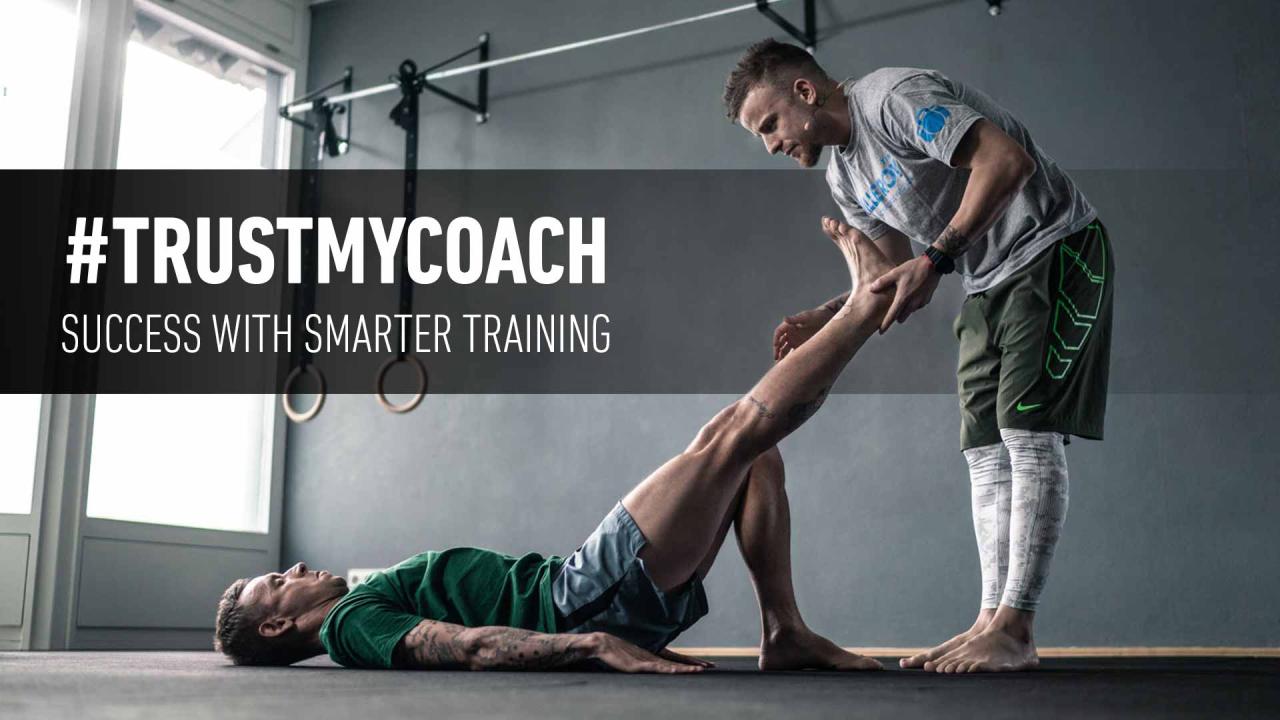
Engaging in meditation before a sports match offers numerous benefits, including improved focus, reduced anxiety, and enhanced performance. However, athletes often encounter various obstacles when attempting to incorporate pre-competition meditation into their routines. Recognizing these challenges and implementing effective strategies can significantly improve consistency and effectiveness, ensuring that athletes gain maximum advantage from their mental preparation.Many athletes find it difficult to maintain focus during meditation sessions due to environmental distractions, personal nervousness, or time constraints.
These difficulties can undermine the calming and centering effects of meditation, making it seem less beneficial or even frustrating. Overcoming these hurdles requires a combination of practical adjustments, mental discipline, and tailored techniques to suit individual circumstances.This section explores common issues faced by athletes when meditating before competitions and provides actionable solutions to address them effectively.
Distractions and Difficulty Maintaining Focus
Distractions, whether external (noise, interruptions) or internal (racing thoughts, anxiety), pose a significant challenge for athletes trying to meditate pre-match. These disruptions can lead to frustration and diminish the quality of the meditation session. To mitigate this, athletes should create a dedicated, quiet space for their practice whenever possible and establish a routine that signals the start of meditation, helping the mind shift into a focused state.
Using guided meditations or focusing on specific breath or visualization techniques can also help anchor attention and reduce wandering thoughts.
Time Constraints and Rushed Preparations
Limited time before a match can pressure athletes into skipping meditation or rushing through it, which diminishes its benefits. To counter this, athletes can incorporate short, effective sessions—ranging from 5 to 10 minutes—that fit into tight schedules. Prioritize meditation as a non-negotiable part of pre-match rituals, perhaps immediately after warm-up or during a brief break. Planning ahead and setting alarms or reminders can ensure meditation remains a consistent component despite busy schedules.
Environmental Noise and External Interruptions
Unpredictable noise or interruptions from the environment can disrupt meditation sessions, especially when practicing in shared or noisy venues. Solutions include using noise-canceling headphones, earplugs, or playing calming background sounds or white noise to mask disturbances. If possible, choose a corner or secluded space within the venue to meditate. Athletes should also develop mental resilience to external distractions, practicing acceptance and gentle redirection of focus when interruptions occur.
Strategies for Maintaining Focus and Consistency
Consistency in pre-match meditation is crucial for reaping its full benefits. Establishing a routine, such as meditating at the same time or in the same location, enhances familiarity and mental preparedness. Incorporate simple yet effective techniques like focusing on the breath, using guided visualizations, or repeating affirmations. When focus wanes, gently acknowledge the distraction without judgment and redirect attention to the chosen anchor point.
Reminding oneself of the benefits, such as increased confidence and reduced pre-competition anxiety, can motivate sustained effort.
Quick Troubleshooting Tips
To assist athletes in overcoming common meditation hurdles swiftly, consider these practical tips:
- External distractions: Use headphones with calming soundtracks or earplugs to create a personal sound barrier.
- Racing thoughts: Gently acknowledge thoughts without judgment and bring attention back to the breath or visualization.
- Time limitations: Practice shorter sessions consistently rather than longer, infrequent ones to maintain habit.
- Environmental noise: Move to a quieter location if possible, or use white noise or nature sounds as a background.
- Lack of focus: Utilize guided meditations with clear instructions to keep attention centered.
By recognizing these challenges and actively implementing tailored solutions, athletes can establish a resilient meditation practice that enhances their mental readiness and performance on game day.
Tips for Maintaining a Meditation Routine as Part of Sports Preparation
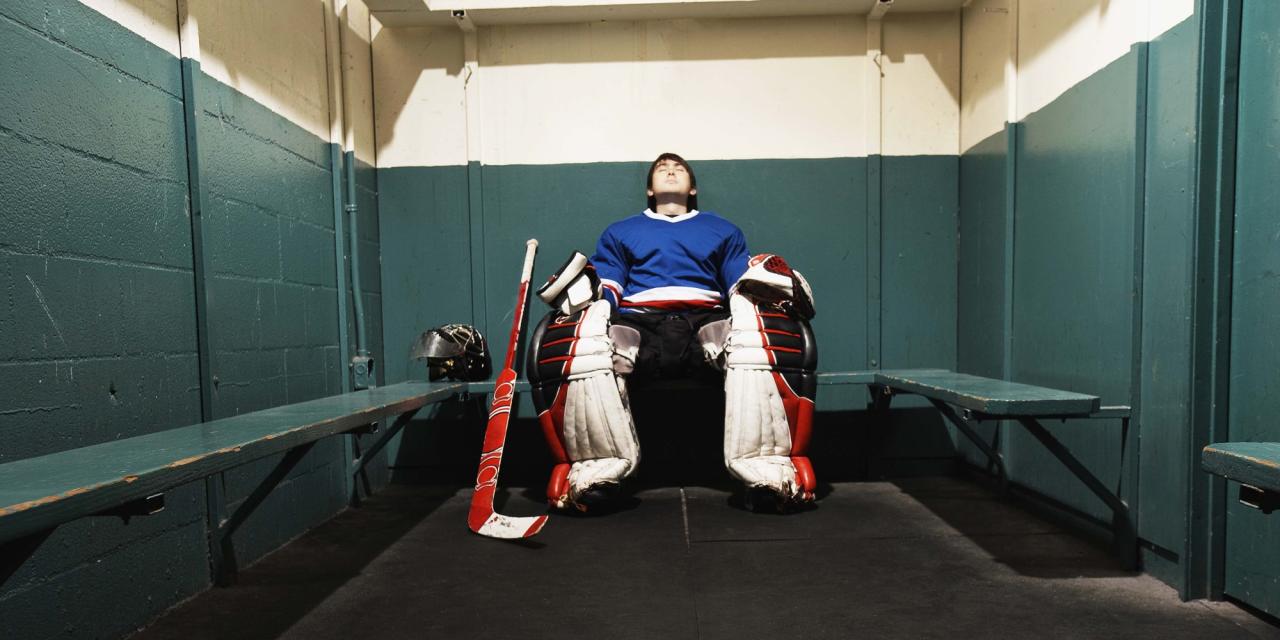
Establishing a consistent meditation practice is essential for athletes seeking to enhance focus, reduce pre-match anxiety, and improve overall performance. Developing a sustainable routine requires deliberate effort and integration into daily training schedules, ensuring that meditation becomes an integral component of sports preparation. By maintaining consistency and gradually developing meditation skills, athletes can experience long-term benefits that contribute to their mental resilience and competitive edge.Maintaining a meditation routine in the busy schedule of athletes can be challenging, but with deliberate planning and commitment, it becomes a valuable habit that supports peak performance.
Recognizing the importance of consistency helps in cultivating discipline, which translates into better mental clarity during competitions. Over time, the gradual development of meditation skills allows athletes to deepen their focus and awareness, leading to more profound benefits with minimal effort.
Strategies for Integrating Meditation into Daily Training
To embed meditation seamlessly into daily routines, athletes should consider the following approaches:
- Schedule dedicated meditation sessions at fixed times each day, such as early morning or post-training periods, to establish routine consistency.
- Start with short sessions, typically 5-10 minutes, and gradually increase duration as comfort and familiarity grow.
- Create a quiet, comfortable space within the training environment that is dedicated solely to meditation, minimizing distractions.
- Pair meditation with existing habits, such as stretching or cool-down routines, to reinforce consistency and make it part of habitual training rituals.
- Utilize reminders or alarms to prompt session initiation, especially during busy training schedules, ensuring meditation isn’t overlooked.
Importance of Consistency and Gradual Skill Development
Consistency is the cornerstone of effective meditation practice, especially for athletes who aim to harness its benefits during competitions. Regular engagement reinforces neural pathways associated with calmness, focus, and emotional regulation, leading to more automatic responses under pressure. Gradual skill development prevents burnout, reduces frustration, and promotes sustained motivation.A steady routine fosters discipline and helps in tracking progress, which can be motivating.
For example, an athlete who commits to 10-minute meditation sessions daily over several weeks may notice significant improvements in concentration and stress management. Recognizing that meditation is a skill that improves over time encourages patience and persistence, ultimately leading to more profound mental resilience during high-stakes matches.
Motivational Tips for Long-Term Commitment
Sustaining motivation can be challenging, especially when initial enthusiasm wanes or progress seems slow. To maintain commitment:
- Set clear, achievable goals, such as feeling more relaxed before matches or improving focus during practice sessions.
- Track progress through journals or digital logs to visualize improvements in mood, stress levels, or focus during competitions.
- Incorporate mindfulness or meditation into team routines, fostering collective accountability and shared motivation.
- Recognize and celebrate milestones, such as completing 30 consecutive days of practice or noticing reduced pre-match anxiety.
- Remind oneself of the tangible benefits, including enhanced concentration, better emotional control, and improved athletic performance.
Organized Steps for Building a Long-term Meditation Routine
Implementing a structured approach ensures sustainable integration of meditation into sports preparation:
- Identify optimal times within the training schedule for meditation, considering personal energy levels and daily commitments.
- Start with brief sessions, such as 5 minutes, and gradually extend duration as comfort and proficiency increase.
- Establish a dedicated, distraction-free space that signals the beginning of meditation, reinforcing routine cues.
- Use guided meditation apps or recordings designed for athletes to facilitate focused and effective sessions.
- Incorporate regular reflection, noting changes in stress levels, focus, and overall well-being, to reinforce the value of the practice.
- Adjust the routine based on feedback and progress, remaining flexible to accommodate changing schedules or needs.
- Seek support from coaches or teammates to create a community of practice, enhancing accountability and motivation.
Last Point
Incorporating meditation into your pre-sports routine can transform your mental approach to competition, fostering resilience, clarity, and calmness under pressure. By understanding the best practices and establishing consistent habits, athletes can unlock their full potential and perform at their best every time they compete.