Discovering how to meditate for sports recovery in 12 quick tips offers athletes a practical approach to enhance both physical healing and mental resilience. Incorporating meditation into your post-training routine can significantly accelerate recovery, reduce stress, and improve overall performance.
This guide provides essential strategies to create a conducive environment, choose suitable techniques, develop quick routines, and integrate mindfulness—all tailored to support swift and effective sports recovery through meditation.
The importance of meditation in sports recovery
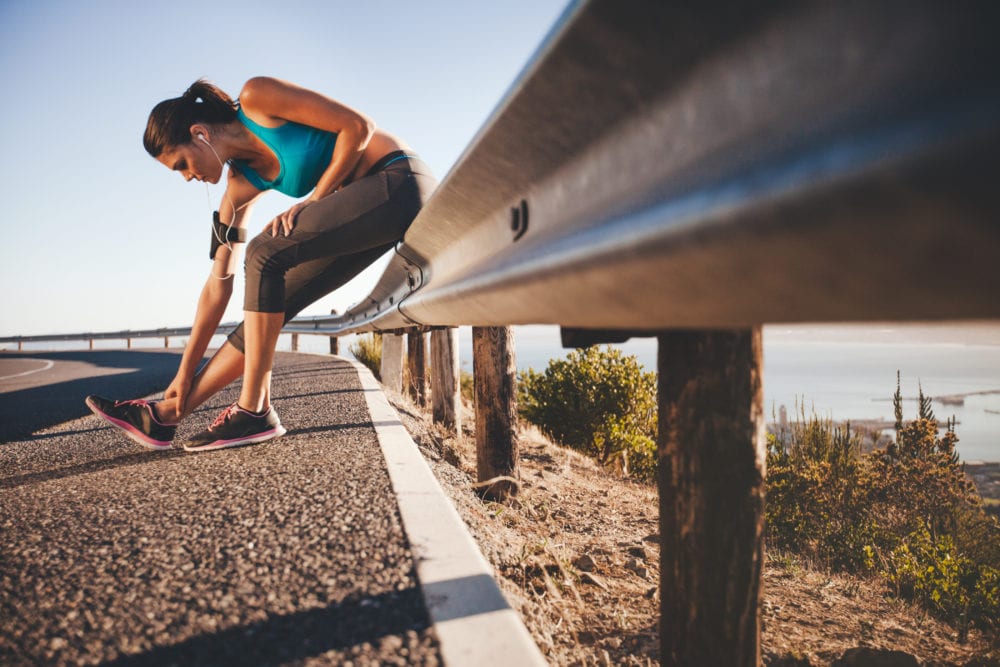
Meditation has emerged as a vital component in the holistic approach to sports recovery. Beyond physical treatments, mental and emotional well-being significantly influence how quickly athletes can recover from strenuous activities. Incorporating meditation into a recovery routine supports both physical healing and mental resilience, enabling athletes to return to peak performance more effectively.
Research indicates that meditation offers numerous benefits that directly impact recovery processes. By activating the body’s relaxation response, meditation helps reduce stress hormones like cortisol, which can hinder healing. It also promotes mindfulness, allowing athletes to become more aware of their body’s signals and needs, fostering better self-care and injury prevention.
The scientific benefits of meditation for muscle relaxation and stress reduction
Scientific studies underscore the physiological and psychological advantages of meditation in the context of sports recovery. Regular practice can lead to significant reductions in muscle tension, facilitating faster healing and decreasing the likelihood of prolonged soreness or injury.
In addition, meditation activates the parasympathetic nervous system—the body’s natural relaxation mechanism—leading to lower heart rate, blood pressure, and stress levels. These effects collectively create an optimal environment for tissue repair and regeneration.
“Meditation reduces the production of stress-related hormones, which can impair immune function and delay recovery,” according to recent neuroendocrinological research. This highlights its role in supporting the body’s natural healing processes.
Improving sleep quality for recovery through meditation
Sleep is a cornerstone of effective recovery, and meditation has been proven to improve sleep quality among athletes. By calming the mind and reducing mental chatter, meditation helps facilitate the transition into restful sleep phases essential for tissue repair, hormone regulation, and cognitive function.
Practicing mindfulness meditation before bedtime can significantly decrease sleep latency and increase REM sleep duration. This enhanced sleep quality accelerates physical healing, reduces fatigue, and improves overall performance. For athletes experiencing sleep disturbances due to stress or overtraining, meditation offers a practical, non-invasive solution to achieve restorative sleep cycles.
Preparing the Environment for Effective Meditation Sessions
Creating an optimal environment is fundamental to ensuring that your meditation practice supports effective sports recovery. A well-designed space minimizes distractions, enhances focus, and fosters a sense of calm that allows your mind and body to fully engage in the restorative process. Attention to environmental details can significantly improve the quality and consistency of your meditation sessions, leading to better recovery outcomes and overall well-being.
Establishing a dedicated meditation area involves thoughtful adjustments to your surroundings, including managing noise levels, controlling lighting, adjusting temperature, and incorporating soothing scents. By systematically optimizing these elements, athletes can create a sanctuary that promotes relaxation, concentration, and mental clarity essential for recovery after intense physical activity.
Organizing a Quiet and Comfortable Space
Distraction-free zones are vital for deep meditation, particularly when the goal is sports recovery. An environment free from interruptions enhances concentration and prevents your mind from wandering, allowing you to achieve a more profound state of relaxation. To cultivate such a space:
- Choose a quiet room or corner within your home or training facility where external noise is minimal.
- Use soundproofing techniques such as thick curtains, carpets, or soft furnishings to absorb ambient noise.
- Position your meditation area away from high-traffic zones or household electronics that can cause disturbances.
Eliminating Distractions
External interruptions can significantly hinder meditation quality, especially during recovery sessions where focus is crucial. Implementing strategies to minimize distractions ensures your practice remains effective and restorative:
- Power down or silence electronic devices such as smartphones, tablets, or computers to prevent notifications and alerts.
- Inform family or colleagues of your scheduled meditation time to avoid unexpected interruptions.
- Use physical barriers, like doors or screens, to block visual distractions from other areas.
- Consider using noise-canceling headphones or white noise machines if ambient noise is unavoidable.
Optimizing Ambient Elements
The right ambient conditions can greatly influence your ability to relax and focus during meditation. Paying attention to lighting, temperature, and scent helps cultivate an environment conducive to mental clarity and bodily relaxation:
- Lighting: Use soft, dim lighting or natural light to create a calming atmosphere. Avoid harsh or fluorescent lights that can cause discomfort or alertness.
- Temperature: Maintain a comfortable room temperature, typically between 20-22°C (68-72°F), to prevent discomfort or cold sensations that may distract you.
- Scent: Incorporate subtle calming aromas such as lavender, chamomile, or sandalwood through diffusers or candles. These scents have been shown to reduce stress and promote relaxation, enhancing the meditative state.
Adjusting environmental factors to suit personal preferences can significantly improve meditation efficacy, fostering a serene setting that encourages deep relaxation and effective recovery.
Choosing the Right Meditation Techniques for Recovery
Selecting an appropriate meditation style is fundamental to optimizing athletic recovery. Different techniques offer unique benefits, and understanding how each aligns with individual needs and recovery objectives can significantly enhance the effectiveness of your routine. By tailoring your approach, you can foster faster healing, reduce stress, and restore mental clarity, all of which contribute to improved athletic performance.
In the realm of sports recovery, various meditation methods are available, each serving specific purposes. The key lies in evaluating personal preferences, recovery goals, and the nature of physical strain experienced. This section explores popular meditation styles suitable for athletes and provides guidance on how to choose the most effective approach for your unique circumstances.
Distinct Meditation Styles for Recovery
Understanding different meditation techniques and their specific benefits allows athletes to select methods that best support their recovery process. The following styles are among the most effective and widely used in sports recovery routines:
| Technique | Description | Primary Benefits |
|---|---|---|
| Mindfulness Meditation | Focusing attention on present-moment experiences, including bodily sensations, thoughts, and emotions, without judgment. This often involves paying close attention to breath, bodily feelings, or environmental sounds. | Reduces stress and anxiety, enhances body awareness, aids in pain management, promotes mental clarity, and fosters acceptance of physical sensations. |
| Guided Visualization | Engaging the mind in imagining calming scenes or specific recovery scenarios, often led by an instructor or audio recording. Visualizations may include visualizing muscles healing or performing at peak performance. | Accelerates mental relaxation, improves mental resilience, and supports psychological aspects of recovery such as confidence and motivation. |
| Body Scan Meditation | Systematically directing attention through different parts of the body, noticing sensations, tension, or discomfort, and consciously relaxing each area. | Enhances body awareness, releases physical tension, reduces muscle soreness, and promotes deep relaxation essential for physical recovery. |
| Breathing Exercises | Focusing on controlled breathing patterns, such as diaphragmatic or slow, deep breaths, to induce relaxation and reduce physiological stress responses. | Decreases cortisol levels, lowers heart rate, improves oxygenation, and facilitates emotional balance, all contributing to quicker recovery. |
Choosing the appropriate meditation style depends on individual preferences, specific recovery needs, and the current physical or mental state. Athletes recovering from intense training may find body scan or breathing exercises particularly effective for immediate relaxation, whereas mindfulness and guided visualization may support long-term mental resilience and motivation.
For example, a sprinter experiencing muscle soreness might benefit from a body scan meditation to target tension points, while a long-distance runner focusing on mental preparation might prefer guided visualization to reinforce confidence and motivation during recovery periods.
Developing a quick meditation routine (12 tips)
Creating a concise yet effective meditation routine tailored for athletes can significantly enhance recovery while fitting into a busy schedule. A well-structured quick meditation session, lasting under 10 minutes, can help reduce muscle tension, improve mental clarity, and promote overall well-being. Establishing such a routine requires deliberate planning and consistency to reap maximum benefits.
By integrating these practical steps into daily practice, athletes can develop a sustainable habit that seamlessly complements their training and recovery schedules. Focused and intentional practice, even in a short timeframe, can lead to noticeable improvements in physical and mental resilience.
Step-by-step to establish a short, effective meditation practice in under 10 minutes
Implementing a brief meditation session involves a clear sequence of actions to maximize relaxation and focus within a limited timeframe. Each step is designed to foster presence, reduce stress, and support recovery efforts efficiently.
- Choose a consistent time and quiet location: Selecting a specific time each day and a calm space minimizes distractions and helps reinforce the habit. Early mornings or post-training periods are ideal.
- Set a timer for 8-10 minutes: Using a timer ensures that the session remains concise and prevents the need to check the clock frequently. For example, setting it to 9 minutes allows flexibility.
- Assume a comfortable posture: Sit upright with your back straight, either on a chair with feet flat on the ground or cross-legged on a cushion. Keep your shoulders relaxed and hands resting on your lap.
- Begin with focused breathing: Close your eyes or soften your gaze. Inhale slowly through the nose for about 4 seconds, then exhale gently through the mouth or nose for 6 seconds. Repeat this for several cycles to center your attention.
- Identify a focal point: Use your breath, a specific word or phrase (mantra), or bodily sensations as your anchor. For instance, silently repeat a calming word like “peace” or focus on the sensation of air entering and leaving your nostrils.
- Maintain gentle awareness: Observe your thoughts without judgment. If your mind wanders, gently redirect your attention back to your focal point, ensuring a calm and non-reactive attitude.
- Gradually deepen your relaxation: As the session progresses, allow your muscles to soften, releasing tension with each exhale. Visualize stress leaving your body with each breath.
- End with a brief reflection: When the timer sounds, take a moment to notice how you feel. Slowly open your eyes, stretch gently if needed, and carry this sense of calm into your day.
Tips for maintaining consistency and making meditation a daily habit
Sustaining a quick meditation routine requires deliberate strategies that integrate seamlessly into daily life. Consistent practice strengthens neural pathways associated with relaxation and recovery, making the habit more automatic over time.
- Schedule meditation at the same time each day: Whether it’s morning, before or after training, or evening, consistency in timing helps establish a routine that becomes part of your daily schedule.
- Create a dedicated meditation space: Designate a quiet, clutter-free corner with minimal distractions. Personalize it with calming elements like soft lighting or a cushion.
- Use reminders and cues: Set alarms or notifications on your device to prompt meditation sessions. Associating meditation with other daily activities, such as after brushing your teeth, reinforces the habit.
- Track your progress: Maintain a journal or use apps designed for meditation to monitor consistency. Recognizing progress fosters motivation and accountability.
- Start small and be patient: Even a few minutes daily can be effective. Gradually increase session duration as it becomes habitual, avoiding burnout or frustration.
- Emphasize the benefits: Remind yourself of the positive impact on recovery, focus, and mental clarity. Celebrating small successes encourages continued commitment.
Incorporating these tips ensures that meditation becomes a natural and valued part of your recovery routine, supporting athletic performance and overall health.
Incorporating Breathing Exercises to Accelerate Recovery
Integrating targeted breathing techniques into your sports recovery routine can significantly enhance the body’s ability to heal and restore optimal performance levels. Proper breathing promotes increased oxygen delivery to tissues, facilitates relaxation of tense muscles, and reduces stress hormones that may impede recovery processes. When combined with meditation, these breathing exercises become powerful tools to expedite healing and improve overall athletic resilience.
Understanding and applying specific breathing methods can help athletes manage fatigue, reduce inflammation, and foster mental clarity during rehabilitation. Learning how to synchronize these techniques with different stages of physical recovery maximizes their effectiveness and supports a holistic approach to healing.
Diaphragmatic Breathing
Diaphragmatic or abdominal breathing encourages full oxygen exchange and activates the parasympathetic nervous system, promoting relaxation and tissue repair. The process involves conscious engagement of the diaphragm muscle to deepen breaths, enhancing oxygen flow to muscles and organs.
- Lie flat on your back or sit comfortably with shoulders relaxed.
- Place one hand on your chest and the other on your abdomen.
- Inhale slowly through the nose, focusing on expanding the abdomen rather than the chest.
- Ensure the hand on your abdomen rises while the hand on your chest remains relatively still.
- Exhale gently through pursed lips or nose, allowing the abdomen to fall naturally.
- Repeat for 5-10 minutes, maintaining a steady, slow rhythm.
This technique improves lung capacity, reduces muscle tension, and enhances oxygen delivery, making it ideal during active recovery phases.
Box Breathing
Box breathing, also known as four-square breathing, involves inhaling, holding, exhaling, and pausing in equal durations, which stabilizes the nervous system and promotes mental calmness. It is particularly useful post-exercise when the body seeks recovery and mental focus.
- Sit in a comfortable position with a straight back.
- Inhale slowly through the nose to a count of four.
- Hold the breath for the same four-count duration.
- Exhale smoothly through the mouth or nose for four counts.
- Hold the breath out for another four counts before repeating the cycle.
Performing box breathing for 3-5 minutes can help regulate heart rate, reduce cortisol levels, and promote muscle relaxation, facilitating recovery from intense training sessions.
Alternate Nostril Breathing
Alternate nostril breathing involves cyclical breathing through one nostril at a time, which balances the autonomic nervous system and enhances oxygen efficiency. It is particularly effective for reducing stress and improving focus during recovery periods.
- Sit comfortably with a straight spine and relaxed shoulders.
- Use the right thumb to close the right nostril.
- Inhale slowly and deeply through the left nostril.
- Close the left nostril using the right ring finger, then release the right nostril.
- Exhale through the right nostril.
- Inhale again through the right nostril, then switch nostrils in the same manner.
- Repeat for 5-10 minutes, maintaining a smooth, steady rhythm.
This technique improves oxygen utilization, reduces sympathetic activity, and supports both physical and mental recovery processes.
Synchronizing Breathing with Recovery Stages
Matching breathing techniques with specific recovery phases enhances their efficacy. During active healing, diaphragmatic breathing can increase oxygen supply and reduce muscle tightness. As recovery progresses and stress levels decrease, box and alternate nostril breathing can help deepen relaxation and restore mental clarity. Listening to your body’s cues and adjusting the pace of breathing exercises accordingly ensures optimal recovery outcomes.
Breathing Methods Comparison Table
| Breathing Technique | Primary Benefits | Best for Recovery Stage |
|---|---|---|
| Diaphragmatic Breathing | Enhances oxygen flow, reduces muscle tension, improves lung capacity | Early to mid-stage recovery, muscle repair |
| Box Breathing | Stabilizes nervous system, reduces stress, lowers heart rate | Post-exercise, mental relaxation, stress management |
| Alternate Nostril Breathing | Balances nervous system, improves oxygen efficiency, relieves mental fatigue | Late-stage recovery, mental renewal |
Choosing the appropriate breathing method based on recovery needs and stage can significantly enhance healing, reduce fatigue, and optimize athletic performance.
Using Guided Meditation and Visualization for Muscle Repair

In the realm of sports recovery, mental techniques such as guided meditation and visualization can significantly enhance the healing process. These practices facilitate focused relaxation, help reduce muscle tension, and promote cellular regeneration by directing the mind’s attention towards targeted muscle groups. When used effectively, they serve as powerful tools to accelerate recovery and improve overall athletic performance.
Guided meditation scripts and visualization exercises provide structure and clarity, enabling athletes to channel their mental energy toward healing specific areas of the body. Personalizing these visualizations can improve their effectiveness, making the recovery process more engaging and tailored to individual needs. By integrating these techniques into a recovery routine, athletes can harness the mind-body connection to support physical healing and reduce recovery time.
Utilizing Guided Scripts to Focus on Healing Specific Muscle Groups
Guided meditation scripts act as verbal maps that direct your attention to particular muscle groups requiring recovery. These scripts typically incorporate calming language, breathing cues, and imagery to foster a deep sense of relaxation while maintaining focus on the targeted area. This concentrated attention can enhance blood flow, reduce inflammation, and promote tissue repair by activating the body’s natural healing mechanisms.
For instance, a guided script may instruct the listener to visualize warmth and gentle pulsations emanating from a sore quadriceps or hamstring, encouraging blood circulation and nutrient delivery to those areas. This focused approach not only facilitates physical healing but also reduces mental stress associated with injury, which can impede recovery.
Creating Personalized Visualizations to Enhance Recovery
Developing personalized visualization routines involves tailoring imagery to one’s unique injury and recovery goals. Personalization increases engagement and efficacy, as the visualizations resonate more deeply with individual experiences and aspirations. Athletes can incorporate familiar settings, specific healing symbols, or positive affirmations to reinforce recovery intentions.
Effective methods include imagining a healing light or energy flowing into the injured muscle, repairing damaged tissues at a cellular level. Athletes might visualize their muscles regenerating like vibrant, healthy tissue, observing the color, texture, and vitality returning. Incorporating these imagery techniques into a routine helps reinforce confidence and motivation, creating a mental environment conducive to physical healing.
Example Visualization Scripts for Sports Recovery
Below are detailed examples of visualization exercises tailored for muscle repair:
Example 1: “Imagine a warm, golden light enveloping your injured muscle. Feel this light penetrating deep into the tissue, soothing soreness and accelerating healing. Visualize tiny repair workers, such as microscopic builders, diligently restoring damaged fibers. As you breathe in, invite healing energy into the muscle; as you breathe out, release tension and discomfort.”
Example 2: “Picture your muscle as a vibrant, healthy landscape. Visualize new, strong fibers sprouting and filling in any gaps or tears. Envision a gentle flow of blood and nutrients bringing vitality and strength to the area. See the muscle becoming more resilient and flexible with each cycle of your breath.”
These scripts can be modified to fit individual injuries or preferences by substituting imagery that resonates personally. Regularly practicing these visualizations can enhance the body’s natural healing processes, reduce pain perception, and foster a positive mindset throughout recovery.
Monitoring Progress and Adjusting Meditation Practices
Effective sports recovery through meditation requires ongoing assessment and adaptation to ensure optimal results. Tracking progress helps athletes recognize improvements, identify areas needing adjustment, and maintain motivation. Additionally, refining meditation routines over time ensures that practices remain aligned with evolving recovery needs and personal responses. Listening attentively to both physical and mental signals during meditation enhances the effectiveness of the process and prevents overexertion or frustration.
Tracking Recovery Improvements through Meditation Sessions
Monitoring how meditation influences recovery involves a combination of subjective assessments and objective indicators. Athletes should maintain a journal to note sensations such as muscle relaxation, reduced soreness, or improved sleep quality following sessions. Regularly recording these experiences enables recognition of patterns and progress over days or weeks. Using wearable devices or recovery apps that measure heart rate variability (HRV) can provide quantitative data, reflecting autonomic nervous system balance and stress levels.
Improved HRV scores post-meditation indicate enhanced recovery and physiological balance. Additionally, tracking injury symptoms, flexibility, and performance metrics can help correlate meditation practices with physical improvements, providing a comprehensive view of recovery progress.
Modifying Meditation Intensity and Duration over Time
Adjustments to meditation routines should be based on ongoing feedback and recovery status. As athletes become more accustomed to meditation, duration can be gradually increased to deepen relaxation or concentration, starting from sessions of 5–10 minutes and progressing to 20 minutes or more. Conversely, if fatigue or discomfort arises, reducing session length or intensity may be necessary. The focus should be on quality rather than duration; shorter, more focused sessions can be more beneficial than longer, unfocused ones.
Incorporating variations such as mindfulness or body scan techniques can also elevate engagement and effectiveness. Periodic evaluation allows athletes to determine whether to expand or scale back their meditation practice to align with their current recovery needs.
Listening to the Body and Mental Signals during Practice
Attentive awareness during meditation is essential for preventing overexertion and ensuring the practice remains beneficial. Athletes should cultivate a non-judgmental attitude towards sensations, recognizing signs of fatigue, tension, or emotional distress. If discomfort or mental unrest occurs, adjusting the practice—such as changing positions, reducing session length, or switching techniques—can promote comfort and effectiveness. Paying attention to breathing patterns, muscle tension, and mental clarity provides valuable feedback on recovery status.
This mindful approach helps tailor meditation practices to individual needs, fostering a sustainable routine that supports ongoing physical and mental restoration without causing additional strain.
Combining Meditation with Physical Recovery Routines

Integrating meditation into physical recovery routines enhances the overall healing process by promoting relaxation, reducing tension, and facilitating muscle repair. When combined effectively, meditation can complement stretching, foam rolling, or physiotherapy, leading to more efficient recovery outcomes. This synergy not only accelerates physical healing but also cultivates mental resilience, which is essential for athletes and active individuals aiming to optimize their recovery efforts.To maximize the benefits of combining meditation with physical recovery practices, it is important to develop structured routines that synchronize mental and physical relaxation techniques.
This integrated approach helps in managing pain, reducing inflammation, and improving flexibility, making recovery sessions more effective and holistic.
Strategies for Integrating Meditation with Physical Recovery
Effective integration involves strategic planning to align meditation practices seamlessly with physical recovery activities. Below are key strategies to facilitate this synergy:
- Schedule meditation sessions immediately after stretching or foam rolling to capitalize on muscle relaxation and enhance flexibility improvements.
- Use meditation as a calming cooldown after physiotherapy sessions to reduce residual muscle tension and promote mental clarity.
- Implement short breathing exercises during or between physical routines to maintain relaxation and focus, preventing stress accumulation during recovery.
- Combine meditation with gentle dynamic movements, such as slow yoga poses, to transition smoothly from physical activity to mental relaxation.
- Create a recovery workflow chart that visually maps out the sequence of physical and mental practices, ensuring consistent and balanced routines.
Methods to Synchronize Breathing and Relaxation with Physical Exercises
Synchronization of breathing techniques with physical recovery routines enhances muscle relaxation, reduces stress hormones, and improves blood circulation. Incorporating specific breathing patterns during physical activities can significantly optimize recovery processes:
Breathing exercises such as diaphragmatic breathing or box breathing can be harmonized with stretching and foam rolling sessions to deepen relaxation and alleviate muscle tightness.
- During stretching or foam rolling, focus on deep inhalations and slow exhalations to facilitate muscle elongation and reduce tension.
- Coordinate slow, controlled breathing with each movement or hold during physiotherapy exercises to promote mindful execution and prevent strain.
- Practice rhythmic breathing patterns, like inhaling for four seconds and exhaling for four seconds, during recovery drills to sustain relaxation and mental focus.
- Use visualizations of breath flowing through targeted muscle groups to enhance the effectiveness of each physical effort.
- Implement brief breathing pauses between sets or exercises to reset the nervous system and maintain calmness throughout the routine.
Organizational Workflow Illustration for Combined Recovery Practices
To facilitate efficient recovery, an organized workflow chart can be designed to guide practitioners through a combined routine. This workflow ensures coherence between physical and mental practices, optimizing recovery time and effectiveness.
| Recovery Step | Physical Activity | Meditation/Relaxation Technique | Timing/Notes |
|---|---|---|---|
| Warm-up & Preparation | Gentle stretching, foam rolling | Deep diaphragmatic breathing, 2 minutes | Before intensive physiotherapy or stretching |
| Main Recovery | Physiotherapy exercises, targeted stretching | Guided visualization focusing on muscle repair, 5-10 minutes | Immediately after physical activity |
| Cool-down & Relaxation | Light movements, foam rolling | Progressive muscle relaxation combined with slow breathing, 5 minutes | Post-physical session to solidify recovery |
| Post-Session Reflection | Mindfulness meditation focusing on gratitude and body awareness, 3 minutes | End of routine to promote mental well-being |
This structured workflow aligns physical and mental recovery efforts, fostering a comprehensive approach that enhances muscle healing, reduces soreness, and improves overall athletic performance. By systematically integrating meditation into recovery routines, individuals can achieve a more balanced, effective, and sustainable healing process.
Overcoming common barriers to meditation for sports recovery
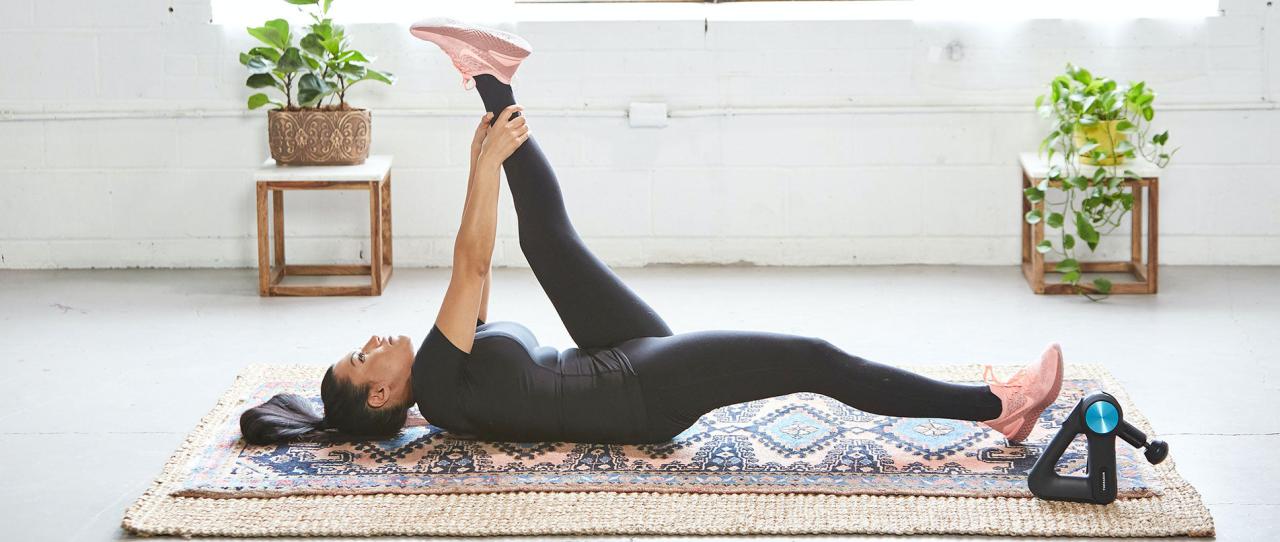
Engaging in meditation as part of a sports recovery routine offers numerous benefits, from reduced muscle tension to improved mental resilience. However, athletes often encounter various challenges that can hinder consistent practice. Recognizing and addressing these barriers is essential to maintain a steady meditation habit that supports optimal recovery and enhances overall performance.Mental resistance and skepticism about meditation’s effectiveness can impede its adoption among athletes.
Additionally, external obstacles such as busy schedules, environmental distractions, and physical discomfort may reduce motivation or make practicing meditation difficult. Overcoming these common barriers involves tailored strategies that promote consistency, focus, and engagement, ultimately ensuring that meditation remains a viable and effective component of sports recovery.
Time constraints and busy schedules
Time is a precious commodity for athletes balancing training, competitions, and personal commitments. Finding dedicated moments for meditation can seem challenging amidst packed schedules. To address this, athletes can integrate quick meditation sessions into existing routines, such as during warm-up, cool-down, or between training segments. Setting aside just 5 to 10 minutes daily or even multiple brief sessions throughout the day can accrue significant recovery benefits without disrupting other activities.Employing a structured scheduling approach, such as using reminders or alarms, can reinforce commitment.
Additionally, prioritizing meditation by viewing it as an essential recovery tool—akin to stretching or hydration—helps solidify its place within daily routines.
Distractions and environmental challenges
External noise, interruptions, or an uncomfortable setting can distract athletes during meditation, reducing its effectiveness. Creating a dedicated, quiet environment designed for meditation enhances focus and relaxation. This might involve selecting a corner in a quiet room, using noise-canceling headphones, or setting up a calming space with minimal clutter.When external distractions are unavoidable, athletes can adopt techniques such as guided meditation that redirect attention or use visual or auditory cues to anchor focus.
Developing mental resilience to distractions through mindfulness practice can also improve concentration over time, enabling athletes to meditate effectively even in less-than-ideal environments.
Mental resistance and skepticism
Some athletes may feel unsure about the benefits of meditation or find it challenging to quiet their minds, leading to mental resistance. Understanding that meditation is a skill that improves with practice helps mitigate skepticism. Accepting that initial experiences may include wandering thoughts or frustration allows athletes to approach meditation with patience and perseverance.Employing guided meditation sessions, visualization techniques, or focusing on breath awareness can make the process more accessible and less intimidating.
Recognizing small improvements, such as increased calmness or reduced recovery time, provides motivation to persist despite mental hurdles.
Developing motivation and maintaining commitment
Sustaining motivation for regular meditation during intensive training or recovery periods requires intentional effort. Setting clear, achievable goals—such as reducing muscle soreness or enhancing mental clarity—helps maintain focus. Tracking progress through journals or apps can reinforce a sense of accomplishment and highlight tangible benefits.Incorporating meditation into a broader recovery routine, pairing it with physical therapies, nutrition, or sleep hygiene, enhances its perceived value.
Reminding oneself of the long-term benefits for athletic performance and overall well-being fosters intrinsic motivation. Celebrating small milestones and seeking social support from teammates or coaches can also sustain commitment and foster a positive meditation practice.
Nutrition and hydration tips to complement meditation-based recovery

Effective sports recovery involves a holistic approach that encompasses physical, mental, and nutritional strategies. When combined with meditation, proper nutrition and hydration play a vital role in enhancing relaxation, reducing inflammation, and accelerating muscle repair. Understanding the relationship between diet, mental calmness, and physical healing can optimize recovery processes and improve overall athletic performance.
Consuming the right foods and fluids supports the body’s natural healing mechanisms, enhances mood, and sustains energy levels essential for recovery routines. Tailoring your nutrition to align with meditation sessions can further deepen relaxation, improve mental clarity, and promote faster muscle regeneration. This integration fosters a balanced recovery environment that nurtures both the body and the mind.
Impact of Diet on Relaxation and Healing Processes
Diet profoundly influences the body’s ability to relax and heal. Nutrients such as magnesium, omega-3 fatty acids, vitamins, and antioxidants help reduce inflammation and support the nervous system, which enhances meditation’s calming effects. Proper nutrition can lower cortisol levels—stress hormones that hinder recovery—and promote the production of neurotransmitters like serotonin that foster mental tranquility.
Food choices that include anti-inflammatory and calming ingredients not only support muscular repair but also improve mental focus during meditation. For athletes, integrating these foods into daily routines can lead to more effective recovery sessions, reduced muscle soreness, and better stress management.
Foods and Fluids Supporting Mental Calmness and Muscle Repair
Incorporating specific foods and fluids into daily meals can significantly enhance the benefits of meditation for recovery. These selections aim to promote relaxation, reduce inflammation, and facilitate muscle regeneration:
- Leafy greens: Rich in magnesium, which helps relax muscles and nerves.
- Fatty fish: High in omega-3 fatty acids that reduce inflammation and support brain health.
- Nuts and seeds: Contain magnesium and healthy fats beneficial for calming the nervous system.
- Berries: Loaded with antioxidants that combat oxidative stress and support tissue repair.
- Turmeric and ginger: Natural anti-inflammatory spices that aid in reducing muscular soreness.
- Hydrating fluids: Water, herbal teas, and electrolyte-rich drinks to replenish lost minerals and maintain hydration, crucial for muscle function and mental clarity.
Consuming nutrient-dense foods before and after meditation can amplify relaxation and recovery, creating a synergistic effect that benefits both body and mind.
Responsive Meal Ideas for Meditation-Aligned Recovery
For athletes engaging in meditation routines aimed at recovery, aligning meal timing and content can enhance outcomes. The following table provides thoughtfully organized meal ideas tailored to different phases of meditation and recovery:
| Meal Timing | Meal Components | Purpose |
|---|---|---|
| Pre-Meditation | Banana with almond butter, herbal tea | Provides quick energy, magnesium, and hydration for mental alertness and muscle relaxation |
| Post-Meditation | Grilled salmon, quinoa, steamed spinach, lemon water | Supports muscle repair with omega-3s, replenishes electrolytes, and promotes deep relaxation |
| Snack | Greek yogurt with berries and flaxseeds | Offers probiotics, antioxidants, and omega-3s for ongoing recovery and calming effects |
| Dinner | Turmeric chicken, roasted sweet potatoes, sautéed kale | Reduces inflammation, supplies complex carbs for energy restoration, and aids in sleep quality |
Incorporating these meal ideas into your routine ensures that nutrition complements meditation practices, facilitating a more efficient and comprehensive recovery process for athletes.
The role of mindfulness in enhancing sports recovery outcomes
Integrating mindfulness into sports recovery routines offers athletes a powerful tool to optimize healing, reduce stress, and improve overall performance. By cultivating present-moment awareness, athletes can deepen their relaxation and enhance their bodily awareness, leading to more effective recovery processes. Mindfulness practices support not only physical healing but also mental resilience, creating a comprehensive approach to post-training recovery.
Deepening relaxation and bodily awareness through mindfulness can significantly accelerate recovery outcomes. These practices enable athletes to tune into subtle bodily signals, identify areas of tension or discomfort, and address them proactively. When combined with traditional recovery methods, mindfulness helps create a balanced and holistic approach that promotes faster healing, reduces injury risk, and enhances overall well-being.
Enhancing relaxation and bodily awareness through mindfulness
Mindfulness practices foster a heightened state of relaxation by encouraging athletes to focus solely on the present moment, releasing worries about past injuries or future performance. This focused awareness reduces cortisol levels and promotes parasympathetic nervous system activation, which is essential for rest and recovery. Additionally, mindfulness cultivates bodily awareness by helping athletes recognize muscle tension, joint discomfort, or breath deficiencies that may impede healing.
For example, body scan exercises guide athletes to systematically observe sensations throughout their body—from the toes to the head—without judgment. This process enhances their understanding of physical states and helps identify localized areas of stress or injury that require targeted attention. Such awareness encourages conscious relaxation of tense muscles, improving blood flow and facilitating tissue repair.
Mindful movement and body awareness exercises
Incorporating mindful movement into recovery routines enhances proprioception and reinforces body awareness, which are critical for injury prevention and effective healing. These exercises can be seamlessly integrated into post-training routines or gentle recovery days, promoting a deeper connection with bodily sensations.
Examples include slow, deliberate stretches, yoga poses focusing on breath and alignment, and gentle walking with attention to each step. Athletes should focus on the quality of movement, the sensation of muscles elongating or contracting, and the rhythm of their breath. Such practices not only relax tense muscles but also improve coordination and balance, reducing the likelihood of re-injury.
Integrating mindfulness into daily post-training routines
To maximize recovery benefits, athletes can embed mindfulness practices into their regular post-training rituals. Consistency is key to developing lasting habits that support physical and mental health.
One effective approach is to dedicate a few minutes immediately after exercise to a body scan meditation, focusing on releasing tension accumulated during training. Additionally, mindful breathing exercises can be performed during stretching or cool-down phases to promote relaxation and oxygenate tissues. Implementing brief mindful pauses throughout the day—such as before meals or during breaks—also reinforces present-moment awareness, reducing stress and fostering a recovery-friendly mindset.
Encouraging athletes to set aside dedicated time each day to practice mindful awareness ensures that recovery remains a priority, leading to sustained improvements in both physical healing and mental clarity. Over time, these habits become integral to their overall training and recovery strategy, supporting long-term athletic resilience and well-being.
Creating a Personalized Meditation Plan for Sports Recovery
Developing a tailored meditation plan is essential for optimizing sports recovery. Every athlete’s needs vary based on the sport they participate in, the intensity of their training, and their individual preferences. A customized approach ensures that meditation complements physical recovery efforts and aligns with personal goals, leading to more effective and sustainable outcomes.
Designing an effective meditation schedule involves understanding the unique demands of your sport, assessing your recovery needs, and integrating practices that resonate with your lifestyle. Setting clear, achievable goals and tracking progress systematically allows for continuous improvement and adjustment, making meditation a vital component of your overall recovery strategy.
Steps to Design a Tailored Meditation Schedule
Creating a personalized meditation plan begins with a thoughtful assessment of your athletic activities and recovery priorities. The following steps Artikel a structured approach for developing a schedule that maximizes benefits:
- Evaluate Your Sport and Training Intensity: Analyze the physical demands of your sport, such as high-impact activities, endurance requirements, or strength training. Determine how these factors influence your recovery needs.
- Identify Recovery Goals: Clarify what you aim to achieve with meditation—whether it’s reducing muscle soreness, enhancing mental focus, or improving sleep quality. Clear goals guide the choice of techniques and session durations.
- Select Appropriate Meditation Techniques: Based on your goals, choose techniques that align with your preferences. For example, mindfulness meditation for mental clarity or guided visualizations for muscle repair.
- Determine Optimal Timing and Frequency: Decide when during the day meditation sessions fit best—post-training, during breaks, or before sleep. Consistency is key; aim for daily or alternate-day practices.
- Set Realistic Duration: Start with manageable session lengths, such as 5-10 minutes, gradually increasing as comfort and familiarity grow.
- Establish Monitoring and Feedback Systems: Keep a journal or use apps to record session frequency, duration, mood, and physical recovery indicators. Regular reviews help in making precise adjustments.
Methods to Set Realistic Goals and Track Achievements
Effective goal-setting and progress monitoring are crucial for maintaining motivation and ensuring the effectiveness of your meditation routine. The methods below facilitate a structured approach:
- SMART Goals: Define Specific, Measurable, Achievable, Relevant, and Time-bound objectives, such as “Reduce post-training muscle soreness by 20% within six weeks through daily guided meditation.”
- Regular Self-Assessment: Use a recovery journal or mobile app to log daily meditation sessions, noting perceived improvements in soreness, sleep quality, or mental clarity.
- Feedback from Coaches or Therapists: Consult with sports professionals periodically to assess physical recovery markers and incorporate their insights into your meditation plan.
- Adjustments Based on Data: Use your tracked data to modify session duration, techniques, or frequency, ensuring continuous alignment with your evolving needs.
Examples of Weekly Meditation Plans
Below are sample schedules catering to different training intensities and recovery goals, illustrating how to structure meditation practices effectively:
| Weekday | Focus | Technique | Duration | Notes |
|---|---|---|---|---|
| Monday | Post-Training Muscle Recovery | Guided Body Scan | 10 minutes | Focus on relaxing muscles used during training |
| Tuesday | Stress Reduction & Mental Clarity | Mindfulness Meditation | 8 minutes | Practice during lunch break or evening |
| Wednesday | Sleep Preparation | Progressive Relaxation | 12 minutes | Enhance sleep quality for better recovery |
| Thursday | Post-Workout Mental Reset | Visualization Technique | 10 minutes | Visualize muscle repair and energy renewal |
| Friday | Active Rest Day | Breathing Exercises | 7 minutes | Deep diaphragmatic breathing for relaxation |
| Saturday | Pre-Event or Training Focus | Focused Attention Meditation | 5 minutes | Prepare mentally for upcoming session |
| Sunday | Recovery & Reflection | Body Scan or Guided Meditation | 15 minutes | Reflect on progress and set intentions for the week |
By customizing your meditation schedule according to your sports demands and personal preferences, you create a sustainable routine that enhances physical and mental recovery. Consistency and adaptability are key to maximizing the benefits of meditation as an integral part of your athletic recovery process.
Ultimate Conclusion
In summary, mastering how to meditate for sports recovery in 12 quick tips equips athletes with powerful tools to optimize healing and mental clarity. Implementing these practices consistently can lead to more efficient recovery processes, greater resilience, and sustained athletic excellence.