Discovering effective ways to incorporate meditation immediately after exercise can significantly enhance both physical recovery and mental clarity. In just six minutes, you can harness the power of quick meditation techniques to relax your body and calm your mind, making your post-workout routine more restorative and efficient.
This guide offers clear, step-by-step instructions on setting up a conducive environment, utilizing appropriate techniques, and integrating meditation seamlessly into your fitness regimen. Whether you’re short on time or seeking a simple method to maximize your recovery, mastering this brief meditation practice can become a valuable addition to your daily routine.
Understanding the Benefits of Post-Workout Meditation
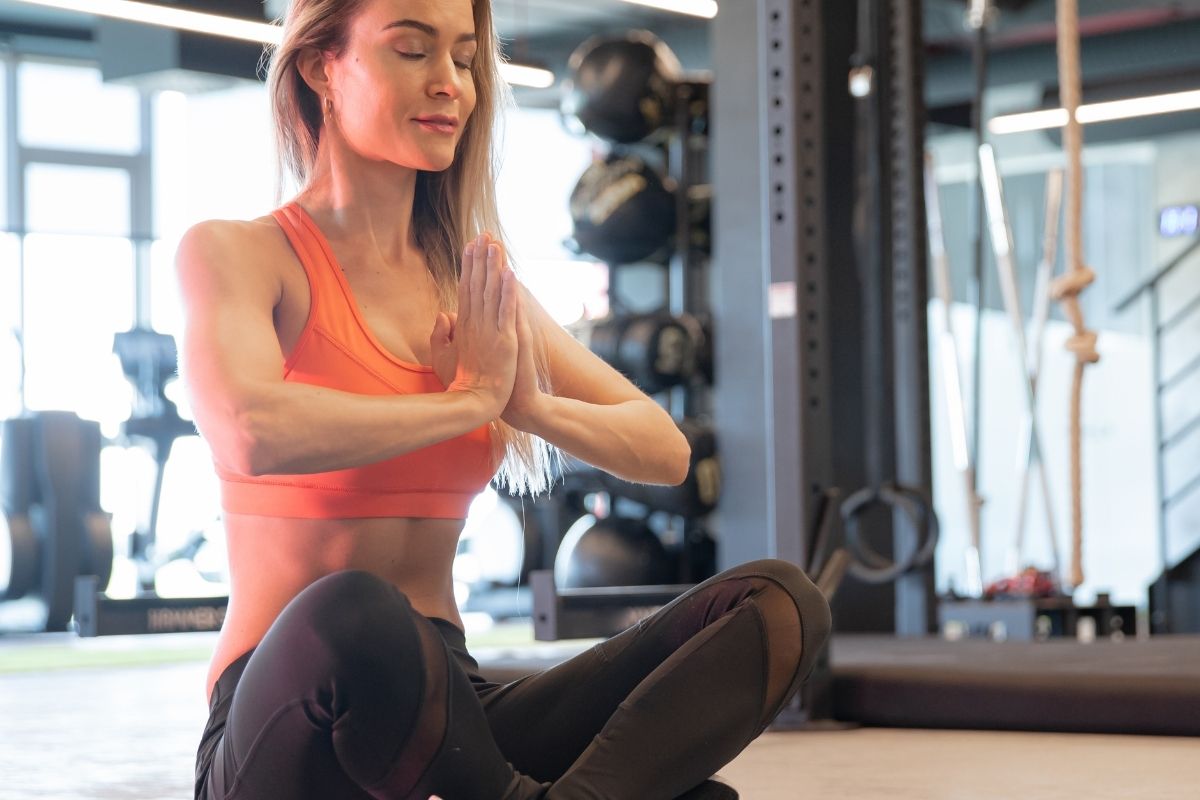
Engaging in meditation immediately after a workout offers a unique opportunity to enhance both physical recovery and mental clarity. This practice not only promotes relaxation but also facilitates the consolidation of the benefits gained from exercise. By dedicating just a few minutes to mindful meditation after physical activity, individuals can experience profound improvements in overall well-being.
Compared to meditating before a workout, post-exercise meditation directly leverages the physiological and psychological states induced by physical activity. While pre-workout meditation can prepare the mind and reduce anxiety, post-workout meditation focuses on cooling down the body, reducing stress hormones, and accelerating recovery processes. This timing maximizes the restorative effects of meditation, making it an efficient addition to any fitness routine.
Physiological and Mental Benefits of Meditating After Exercise
Post-workout meditation yields a range of benefits that significantly enhance recovery and mental health. From a physiological perspective, this practice helps decrease cortisol levels, which are elevated after intense physical activity and can impede muscle repair and immune function. It also encourages parasympathetic nervous system activation, promoting relaxation, lowering heart rate, and reducing blood pressure.
Mentally, meditating after exercise aids in stress reduction, improves mood, and fosters a sense of calm. It can also enhance mindfulness and body awareness, helping individuals recognize physical sensations, such as muscle tension or fatigue, and respond with appropriate self-care. Regular post-exercise meditation can contribute to better sleep patterns and mental resilience over time.
Comparative Analysis: Meditating Before vs. After Workout
Understanding the distinctions between pre- and post-workout meditation helps to optimize timing for specific goals. Meditation before exercise primarily aims to prepare the mind, increase focus, and reduce pre-activity anxiety. It can serve as a mental warm-up, setting a positive tone for the workout. Conversely, meditating after exercise concentrates on recovery, stress relief, and physiological normalization.
While pre-workout meditation can enhance concentration and reduce mental barriers, post-workout meditation directly supports physical recovery by calming the nervous system and alleviating muscle tension. The choice of timing depends on individual objectives—whether to energize and prepare or to relax and recover.
Enhancement of Recovery and Relaxation Through Short Meditation
Even a brief 6-minute meditation session immediately after exercise can significantly improve recovery outcomes. This short practice helps in releasing residual tension accumulated during workout, decreasing inflammation, and restoring hormonal balance. It encourages mindful breathing, which enhances oxygen flow and aids in muscle relaxation.
By integrating quick meditation into the post-workout routine, individuals experience a more efficient transition from exertion to rest. This not only accelerates physical healing but also fosters mental clarity and emotional stability, making it easier to maintain consistency in fitness goals. The simplicity and brevity of this practice make it accessible and sustainable for people with busy schedules.
Preparing for a 6-Minute Meditation Session
Efficient preparation is essential to maximize the benefits of your post-workout meditation, especially within a limited timeframe. Creating a calming environment and establishing a pre-meditation routine can significantly enhance focus and relaxation during your session. By following simple steps, you can quickly set the stage for a peaceful and effective meditation, even after a busy workout.
Preparing thoughtfully ensures that your mind transitions smoothly from physical exertion to mental calmness. It helps you drop any residual tension, clears your thoughts, and sets a tranquil tone for the meditation. The key is to streamline your setup so that you can focus entirely on your practice without unnecessary distractions or delays.
Setting Up a Calming Environment Quickly
Creating a serene space in a short amount of time involves strategic choices that promote tranquility and comfort. Focus on minimal yet impactful adjustments that can be achieved swiftly, ensuring your environment supports relaxation without elaborate preparations.
Start by selecting a quiet area free from external noise and interruptions. This could be a corner of your living room, a designated spot in your bedroom, or even a peaceful outdoor space if weather permits. Keep the area clutter-free to avoid visual distractions. Adjust lighting to a soft, dim level—using natural light or a gentle lamp—to foster a soothing atmosphere.
If natural light is unavailable, consider switching off harsh overhead lights and opting for a small, warm bedside lamp or candle for ambiance.
To enhance comfort, arrange a flat, supportive surface such as a yoga mat, cushion, or folded blanket where you can sit or lie down. Ensure that your posture is comfortable, whether sitting cross-legged, on a chair with your feet flat, or lying down, depending on your preference and physical condition.
Essential Tools or Items Needed
Having a few essential items readily available can streamline your meditation setup, making it easier to transition into your practice within six minutes. These tools are simple, portable, and designed to promote focus and comfort during your session.
- Comfortable Surface: A yoga mat, cushion, or folded blanket to sit or lie on, supporting proper posture and comfort.
- Quiet Space: An area with minimal noise and distractions to facilitate concentration and relaxation.
- Timer or Stopwatch: A device to keep track of the six-minute duration, ensuring you stay within your time limit and avoid checking the clock repeatedly.
- Optional Calm Enhancements: Items like a small diffuser with calming essential oils (lavender, chamomile), a soft blanket, or a calming playlist to deepen relaxation if time allows.
- Lighting: Soft, dim lighting, such as a small lamp, candle, or natural light, to create a tranquil environment conducive to meditation.
Pre-Meditation Routine to Maximize Focus and Effectiveness
Establishing a brief pre-meditation routine helps your mind transition from physical exertion to mental stillness, optimizing the impact of your meditation session. This routine, designed to be quick and straightforward, prepares your body and mind for deep relaxation.
Take a few moments to breathe deeply, release tension, and set an intention for your meditation.
- Stretch Lightly: Engage in gentle stretching for 1-2 minutes to relax tense muscles, especially those affected during your workout, such as your shoulders, neck, and back.
- Practice Deep Breathing: Close your eyes and take slow, diaphragmatic breaths—inhale through your nose for a count of four, hold for a count of two, then exhale through your mouth for a count of six. Repeat this cycle three times to calm your nervous system.
- Set a Clear Intention: Decide on a specific focus for your meditation, such as cultivating gratitude, releasing stress, or simply maintaining awareness of your breath. Affirm this intention silently to yourself.
- Eliminate Distractions: Turn off or silence your phone, and ensure that your environment is undisturbed for the next six minutes.
Implementing these steps consistently will help you quickly transition into a focused, relaxed state, making the most out of your short meditation window after each workout.
Step-by-Step Guide to Meditate in Just 6 Minutes
Following a workout, dedicating a few minutes to meditation can significantly enhance recovery, mental clarity, and overall well-being. This structured approach ensures that even in a busy schedule, you can experience the benefits of quick, effective meditation that complements your post-exercise routine.
Implementing a precise, timed meditation sequence allows you to transition smoothly from physical activity to mental relaxation. By adhering to specific phases and techniques, you can maximize relaxation within just six minutes, making it an accessible practice for anyone seeking immediate stress relief and mental rejuvenation after their workout.
Designing a Simple Timed Meditation Sequence
The sequence Artikeld below divides the 6-minute session into three focused phases, each lasting two minutes. This structure ensures comprehensive relaxation while maintaining simplicity and ease of transition.
| Phase | Duration | Focus | Activities |
|---|---|---|---|
| Phase 1: Grounding and Breath Awareness | 2 minutes | Bringing attention to breath and physical sensations |
|
| Phase 2: Deepening Relaxation using Breathing Techniques | 2 minutes | Reducing stress and promoting calmness |
|
| Phase 3: Internal Focus and Visualization | 2 minutes | Enhancing mental clarity and tranquility |
|
Breathing Techniques for Rapid Relaxation
Choosing the right breathing technique can accelerate the relaxation process, especially when time is limited. The following methods are particularly effective for quick calming responses and can be easily integrated into your post-workout meditation practice.
| Technique | Description | Benefits |
|---|---|---|
| Diaphragmatic Breathing | Deep breathing that engages the diaphragm, filling the lungs fully | Reduces cortisol levels, improves oxygen exchange, and promotes relaxation |
| Box Breathing | Inhalation, hold, exhalation, and hold again, each for equal counts (e.g., 4 seconds) | Enhances focus, calms the nervous system, and stabilizes breath |
| 4-7-8 Breathing | Inhale for 4 seconds, hold for 7 seconds, exhale slowly for 8 seconds | Helps relieve stress quickly and improves sleep quality |
| Alternate Nostril Breathing | Inhale through one nostril, exhale through the other, alternating sides | Balances the nervous system and clears mental fog |
Posture Options Optimized for Quick Transition into Meditation
Efficient posture selection facilitates smooth transitioning from physical exercise to meditation, minimizing discomfort and maximizing relaxation. The ideal posture should support comfort, alertness, and ease of breathing, especially after workouts when muscles may be tired or warm.
- Seated on a Chair or Bench: Sit upright with feet flat on the ground, ensuring your back is straight but not stiff. Rest your hands on your lap, and keep shoulders relaxed. This posture allows quick settling into meditation without the need for floor setup.
- Cross-Legged on a Cushion: Sit comfortably on a firm cushion or mat, cross-legged with spine aligned. Use a meditation bench if necessary to elevate the hips, reducing strain on knees and hips.
- Reclined Position: Lie on your back with knees slightly bent and arms resting by your sides. This position is especially suitable if post-workout muscles are fatigued, allowing full relaxation while maintaining awareness of the breath.
Regardless of the posture chosen, ensure that the body feels supported and relaxed, with the chest open to facilitate smooth breathing. Transitioning quickly into this comfortable position after your workout helps maintain momentum and sets the stage for an effective 6-minute meditation session.
Techniques and Methods for Efficient Meditation

Incorporating effective meditation techniques into a brief post-workout session can significantly enhance relaxation, mental clarity, and recovery. With limited time, selecting methods that maximize impact without sacrificing quality is essential. Understanding various approaches allows for tailored practices that suit individual preferences and schedules.
Different meditation styles offer varying benefits and efficiencies. Some techniques are quick and highly focused, providing immediate stress relief, while others promote deeper mindfulness over time. Integrating mindfulness or gratitude practices in short durations can further amplify the benefits, fostering a positive mental state in just a few minutes.
Quick Meditation Methods
These methods are designed for brevity and effectiveness, making them ideal for post-workout routines within a 6-minute window:
- Guided Visualization: Focusing the mind on calming imagery or peaceful scenes, often guided by an audio recording or mental narration. This helps distract from physical fatigue and promotes mental relaxation.
- Body Scan: Systematically bringing awareness to different parts of the body, noticing sensations, and releasing tension. This method enhances mind-body connection and aids in recovery.
- Deep Breathing: Engaging in slow, diaphragmatic breaths to activate the parasympathetic nervous system, reducing stress and restoring energy quickly.
- Mantra Repetition: Repeating a calming word or phrase silently to focus the mind and diminish distractions, fostering a state of calmness efficiently.
- Mindfulness Meditation: Observing the present moment without judgment, paying attention to sensations and thoughts as they arise, which can be done in brief pauses.
Comparison of Meditation Styles in Terms of Time-Efficiency and Impact
| Technique | Time Required | Impact | Best For |
|---|---|---|---|
| Guided Visualization | 3-6 minutes | High immediate relaxation, mental escape | Stress relief, mental refreshment |
| Body Scan | 4-6 minutes | Reduces physical tension, enhances body awareness | Post-exercise recovery, tension release |
| Deep Breathing | 2-5 minutes | Quick stress reduction, boosts energy | Immediate calm, focus enhancement |
| Mantra Repetition | 3-6 minutes | Deepens concentration, calms the mind | Stress management, mental centering |
| Mindfulness | 5-6 minutes | Promotes awareness, reduces mind wandering | Emotional regulation, mental clarity |
Integrating Mindfulness and Gratitude in Short Sessions
Even in brief meditation sessions, incorporating mindfulness or gratitude practices can have profound effects. These approaches foster positive mental states, improve mood, and enhance overall well-being.
Practicing gratitude during a short session involves silently acknowledging three things you are thankful for, fostering a sense of appreciation and contentment that can boost mood and resilience.
To integrate mindfulness, focus on the present moment by paying attention to your breath, bodily sensations, or sounds around you. For example, during your deep breathing, consciously observe the sensation of air entering and leaving your lungs, anchoring your awareness in the present. This simple practice can be seamlessly embedded into a 6-minute window, creating a moment of calm amidst a busy schedule.
Overcoming Challenges in Short Meditation Sessions
Post-workout meditation offers numerous benefits, but maintaining focus and consistency within a brief six-minute window can present unique challenges. Recognizing these obstacles and implementing effective solutions are essential for establishing a sustainable routine that enhances both physical recovery and mental clarity. Addressing common hurdles with practical strategies ensures that even the busiest individuals can integrate post-exercise meditation into their daily schedules seamlessly.Achieving a consistent meditation practice after workouts depends on overcoming distractions, managing time constraints, and cultivating the right mindset.
When obstacles are acknowledged and strategies are tailored accordingly, maintaining a short but effective meditation session becomes an achievable goal. The following methods aim to equip individuals with tools to navigate these challenges confidently and foster a rewarding meditation habit.
Managing Distractions and Maintaining Focus
Distractions such as environmental noise, mental chatter, or lingering physical discomfort can interrupt the meditation process. To minimize these issues, creating a dedicated, quiet space for meditation—even in a small corner of your home or gym locker room—can significantly improve focus. Using noise-canceling headphones or playing calming background sounds can further block external disturbances. Practicing mindful breathing techniques, such as deep diaphragmatic breaths or focusing on the sensation of air entering and leaving the body, can help anchor attention and reduce wandering thoughts.
An important strategy is to gently acknowledge distractions without judgment and redirect focus back to the breath or chosen meditation object, cultivating patience and resilience.
Ensuring Consistency Despite a Busy Schedule
A packed daily routine often makes it challenging to stick to a meditation schedule. To overcome this, attaching the practice to existing routines—such as immediately after completing your workout—creates a reliable cue that reinforces consistency. Setting a fixed time and incorporating gentle reminders or alarms can serve as visual cues to prioritize meditation.Utilizing portable meditation tools, like a compact cushion or guided meditation app, enables practice in various environments, whether at home, in the gym, or outdoors.
Planning meditation into your weekly calendar as a non-negotiable appointment reinforces commitment and transforms a perceived obstacle into a manageable habit.
Motivational Strategies for Daily Practice
Staying motivated is crucial to sustain a daily six-minute meditation routine. Recognizing the tangible benefits—such as reduced stress, improved focus, and faster recovery—can serve as powerful motivators. Keeping a meditation journal to track progress and noting improvements in mood or physical recovery provides positive reinforcement.Creating a support system by engaging with friends or colleagues who practice meditation fosters accountability and shared motivation.
Additionally, celebrating milestones, such as completing a week or month of consistent practice, can boost morale. Visual reminders, like motivational quotes or images, placed in prominent locations, also serve as gentle nudges to maintain dedication.
Closure
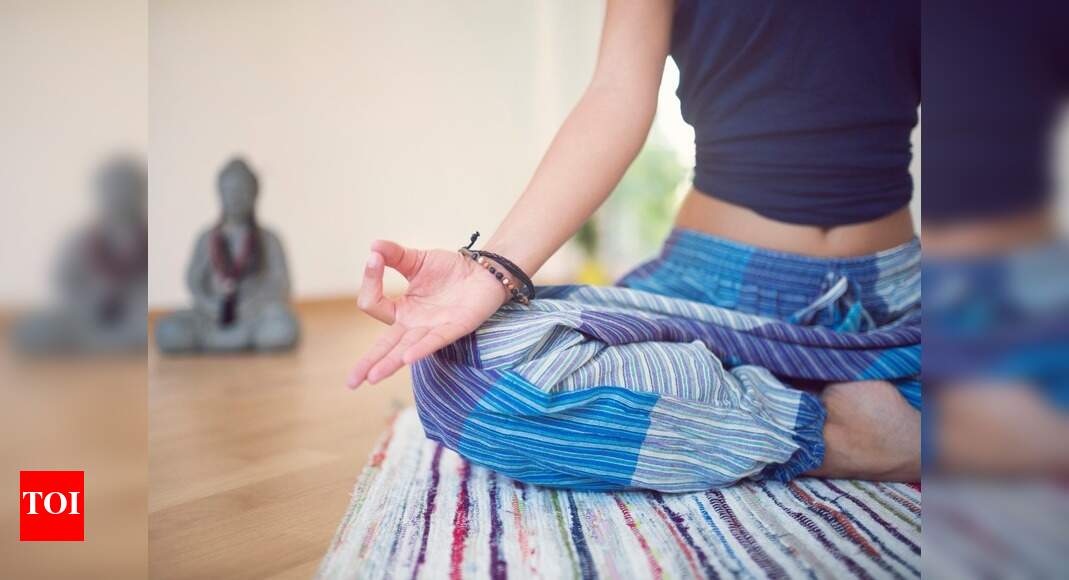
In summary, practicing meditation immediately after your workout in just six minutes provides a practical and effective way to promote faster recovery, reduce stress, and improve overall well-being. By following the Artikeld steps and techniques, you can effortlessly incorporate this beneficial habit into your busy schedule and enjoy the lasting benefits for both body and mind.