Preparing mentally for a basketball game is as vital as physical training, and meditation offers a powerful way to achieve this readiness. By incorporating meditation techniques into pre-game routines, athletes can enhance their focus, reduce anxiety, and boost overall performance on the court.
This guide explores effective meditation methods suited for athletes, including practical steps to create a distraction-free environment, guided exercises to foster confidence and relaxation, and strategies for seamlessly integrating meditation into your pre-game preparation. Embracing these practices can lead to a calmer mind and sharper focus when it matters most.
Introduction to Meditation Before a Basketball Game
Preparing mentally is as crucial as physical readiness when it comes to optimizing performance in basketball. Athletes often overlook the significance of mental conditioning, which can profoundly influence focus, decision-making, and overall game effectiveness. Incorporating meditation into pre-game routines offers a powerful tool to cultivate mental clarity and emotional stability, ensuring players are fully present and alert during crucial moments of the game.
Meditation serves as a means to enhance concentration, reduce pre-game anxiety, and foster a sense of calm confidence. By engaging in mindful breathing and focused attention practices, athletes can clear their minds of distracting thoughts, allowing their natural athletic abilities to emerge fully. This mental state contributes to swift reactions, strategic thinking, and sustained energy, ultimately translating into improved performance on the court.
The Significance of Mental Preparation for Athletes
Effective mental preparation is fundamental in competitive sports, particularly basketball, where split-second decisions and high-pressure scenarios are common. A focused mind can better process game situations, adapt quickly to opponents’ strategies, and maintain resilience under stress. Mental readiness not only boosts confidence but also helps athletes manage nerves and maintain composure, which are vital for consistent high-level performance.
How Meditation Enhances Focus and Performance
Meditation trains athletes to cultivate present-moment awareness, enabling them to concentrate intensely on the game and ignore irrelevant distractions. Regular practice improves neural pathways associated with attention, which can lead to faster reaction times and more precise movements during gameplay. Furthermore, meditation fosters emotional regulation, reducing anxiety and negative thoughts that often hinder athletic performance.
The Benefits of Calming the Mind Prior to Gameplay
Calming the mind before a basketball game creates a mental environment conducive to peak performance. It minimizes stress-induced hormone release, such as cortisol, which can impair focus and physical coordination. A calm state enhances physical relaxation, improves breathing efficiency, and helps athletes enter a zone of optimal concentration. This mental state not only contributes to better individual performance but also promotes team cohesion as players are more centered and communicative.
Types of meditation suitable for athletes before a game
Preparing mentally before a basketball game can significantly enhance performance, focus, and overall well-being. Various meditation techniques are tailored to help athletes achieve a state of calm, clarity, and heightened awareness. Selecting the appropriate meditation method based on individual needs and game situations can optimize pre-game readiness and reduce pre-performance anxiety.
Different meditation techniques offer unique benefits, and understanding their application provides athletes with versatile tools to manage stress, improve concentration, and foster confidence. The following methods are commonly used by athletes prior to competition to foster mental resilience and physical preparedness.
Common meditation techniques effective before a basketball game
Below is a list of meditation techniques that are particularly effective for athletes looking to enhance focus and composure before a game. Each method offers distinct advantages and can be tailored to suit individual preferences and specific game scenarios.
- Mindfulness Meditation: Focuses on present-moment awareness, helping athletes stay grounded and attentive to their physical sensations, thoughts, and environment without judgment.
- Deep Breathing Exercises: Utilizes controlled breathing patterns to induce relaxation, reduce adrenaline, and calm the nervous system, fostering emotional stability.
- Visualization: Involves imagining successful performance scenarios, boosting confidence, and mentally rehearsing key skills and strategies.
- Body Scan Meditation: Encourages systematic awareness of bodily sensations, releasing tension and promoting physical relaxation before intense activity.
Each of these techniques can be practiced independently or combined to create a comprehensive pre-game mental preparation routine that enhances focus, reduces anxiety, and fosters a winning mindset.
Comparison of Meditation Methods for Pre-Game Use
| Method | Advantages | Suitable For | Duration |
|---|---|---|---|
| Mindfulness Meditation | Enhances present-moment awareness, improves concentration, reduces stress | Athletes needing focus on game-day awareness and mental clarity | 5-15 minutes |
| Deep Breathing Exercises | Quick relaxation, lowers heart rate, reduces pre-game anxiety | Those experiencing jitters or rapid heartbeat before the game | 3-10 minutes |
| Visualization | Builds confidence, reinforces positive performance, mental rehearsal | Players aiming to boost self-assurance and strategy execution | 5-10 minutes |
| Body Scan Meditation | Relieves physical tension, enhances bodily awareness, relaxes muscles | Players feeling physically tense or stiff | 5-10 minutes |
Step-by-step Procedures of Meditation Techniques
Mindfulness Meditation
- Find a comfortable seated position in a quiet space, with your back straight but relaxed.
- Close your eyes gently or maintain a soft gaze downward.
- Bring your attention to your breath, observing the sensation of air entering and leaving your nostrils or the rise and fall of your chest.
- If your mind wanders, gently acknowledge the distraction without judgment and redirect your focus back to your breath.
- Continue this practice for 5-15 minutes, gradually increasing duration as you become more accustomed.
Deep Breathing Exercises
- Sit or stand comfortably, ensuring your posture is upright to facilitate lung expansion.
- Inhale slowly through your nose to a count of four, filling your lungs completely.
- Hold your breath for a count of four.
- Exhale slowly through your mouth or nose to a count of four, releasing all tension.
- Repeat this cycle for 3-10 minutes, focusing solely on your breath rhythm.
Visualization
- Find a quiet space and sit comfortably with your eyes closed.
- Take a few deep breaths to settle your mind.
- Begin to imagine yourself performing well—visualize specific actions such as shooting, dribbling, or defending.
- Incorporate all senses: see the court, feel your muscles, hear the crowd, and sense your confident movements.
- Imagine successfully overcoming challenges and winning the game, reinforcing positive feelings and self-belief.
- Spend 5-10 minutes immersed in this vivid mental rehearsal.
Body Scan Meditation
- Lie down or sit comfortably in a quiet environment.
- Close your eyes and take a few deep breaths to relax.
- Begin scanning your body from your toes upward, paying attention to sensations in each part.
- If you notice tension or discomfort, breathe into that area and imagine releasing the tension on exhalation.
- Progressively move through your legs, torso, arms, neck, and head, maintaining awareness of physical sensations.
- Conclude with a few deep breaths, feeling a sense of physical relaxation and readiness for the game.
Preparing for Meditation Prior to the Game
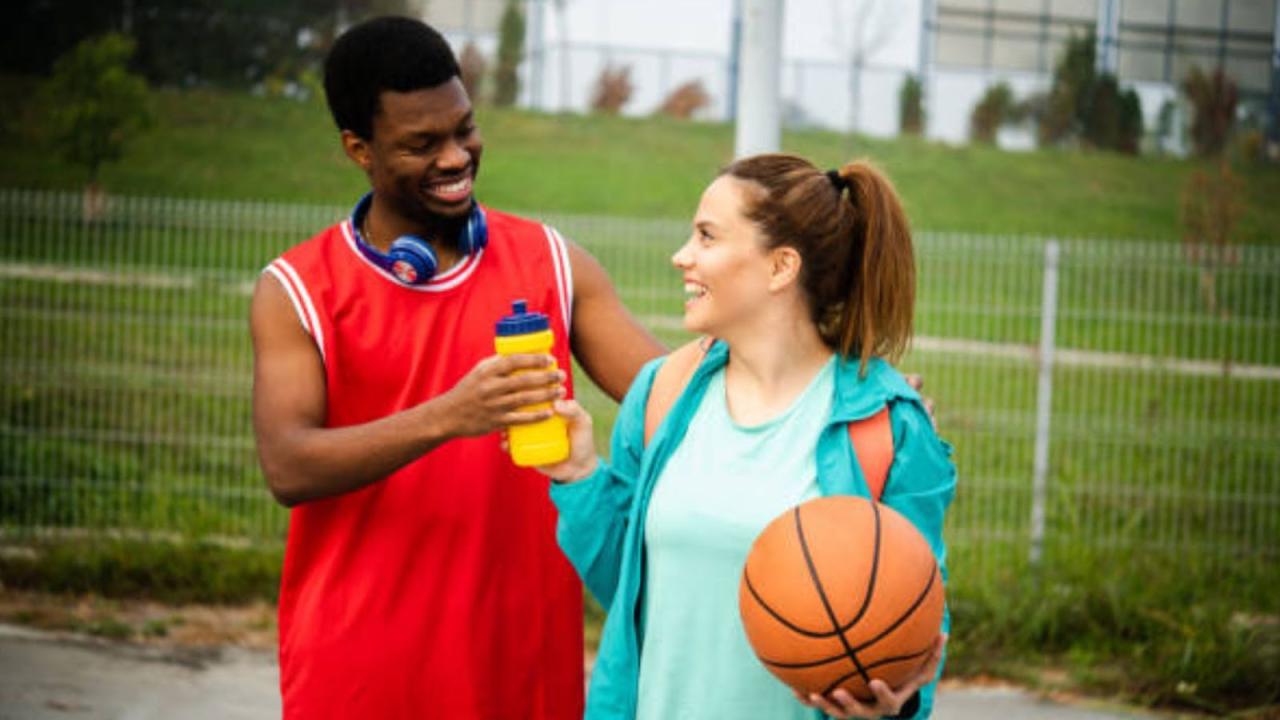
Engaging in meditation before a basketball game requires careful preparation to maximize its benefits. Proper setup ensures a focused, calm mental state that enhances performance and reduces pre-game anxiety. Establishing an environment conducive to meditation and following a structured routine can significantly improve your readiness on the court.Creating an optimal environment involves selecting a quiet, comfortable space free from interruptions.
In locker rooms or sidelines, this can be challenging due to noise and activity, but with deliberate adjustments, it is achievable. Essential items and environmental considerations set the tone for effective meditation, helping athletes transition from the hustle of the pre-game atmosphere to a centered, composed mindset. Timing and session duration are equally vital, ensuring the practice fits seamlessly into pre-game routines without causing delays or fatigue.
Necessary Items and Environment Setup
A well-prepared meditation session relies heavily on having the right items and environment to foster focus and relaxation. Athletes should consider the following:
- Comfortable Seating: A yoga mat, cushion, or folded towel provides comfort, especially in environments like locker rooms where chairs may be inadequate.
- Quiet Space: Selecting a corner or secluded area minimizes external disturbances. If a completely quiet environment isn’t available, noise-canceling headphones or earplugs can be effective.
- Lighting Control: Soft, dim lighting reduces visual distractions. Using a small lamp or adjusting the locker room lights gently can help create a calming ambiance.
- Timing Devices: A stopwatch or timer ensures the session adheres to the scheduled duration without causing delays.
- Personal Items: Items such as water, a towel, or a light jacket can contribute to comfort, but should not distract from the meditation focus.
Creating a Distraction-Free Space
In the busy contexts of locker rooms or sidelines, establishing a distraction-free zone is crucial for effective meditation. Strategies include:
- Designated Corner: Choosing a specific spot away from high traffic areas minimizes exposure to movement and noise.
- Use of Barriers: Portable screens, curtains, or even stacking chairs can block visual distractions, helping to create a semi-private space.
- Noise Management: Employing noise-canceling headphones or playing calming background sounds can mask surrounding noise, fostering concentration.
- Timing Considerations: Initiate meditation during moments of relative calm, such as immediately after warm-ups or during sideline water breaks, to ensure minimal interruptions.
Ideal Timing and Duration for Pre-Game Meditation
Timing plays a vital role in ensuring meditation supports pre-game mental preparation without interfering with team activities or warm-up routines. The following guidelines help determine appropriate timing:
“A brief meditation session of 5 to 10 minutes just before the game can effectively reduce anxiety and enhance focus.”
Most athletes find that meditating approximately 15 to 30 minutes prior to the game offers ample time to settle into a calming state while still being fresh and alert for the upcoming competition. The exact duration can vary based on personal preference and the intensity of pre-game nerves. Consistency in timing, such as meditating after warm-ups or during a designated pre-game routine, helps establish a mental cue that signals the body and mind to prepare for optimal performance.
Guided Meditation Exercises for Basketball Players

Implementing guided meditation exercises before a basketball game can significantly enhance a player’s mental readiness. These practices help foster focus, boost confidence, and induce relaxation—key elements for optimal performance on the court. Structured correctly, guided meditations serve as powerful tools to align body, mind, and spirit, creating a mental edge during high-pressure moments.
Below are detailed scripts tailored for basketball players, emphasizing focus, confidence, and relaxation. Each exercise integrates specific breathing patterns and visualization techniques designed to activate the athlete’s mental and physical preparedness, ensuring they step onto the court with clarity and resilience.
Focus Enhancement Guided Meditation
Purpose: To sharpen concentration and heighten awareness of the present moment, enabling players to respond swiftly and precisely during gameplay.
This exercise focuses on cultivating sustained attention while calming the mind to prevent distractions. It involves controlled breathing and visual cues that anchor the player’s focus.
- Begin by sitting comfortably with your back straight and eyes closed.
- Take a deep inhale through your nose for a count of four, feeling the air fill your lungs.
- Hold your breath gently for a count of four, maintaining awareness of the sensation.
- Exhale slowly through your mouth for a count of six, releasing tension and clearing your mind.
- Repeat this breathing cycle, visualizing a basketball court in your mind’s eye, with the ball at the center, symbolizing your focus point.
- As you breathe, imagine a spotlight shining steadily on this focus point, reinforcing your attention and alertness.
- Maintain this visualization for 3-5 minutes, gradually deepening your concentration and calming any pre-game nerves.
Confidence Building Guided Meditation
Purpose: To instill self-belief and mental resilience, empowering players to approach the game with a positive, assertive mindset.
This session uses affirmations and visualization to reinforce confidence and performance self-image, integrating breathing patterns that promote a sense of empowerment.
- Sit comfortably in a quiet space, closing your eyes and taking an initial deep breath through the nose.
- Inhale slowly for four counts, filling your lungs entirely.
- Exhale gently for six counts, releasing doubts and negativity.
- Repeat this breathing cycle, and begin to internally affirm statements such as, “I am prepared,” “I am skilled,” “I can perform under pressure.”
- Visualize yourself executing perfect shots, defending fiercely, or making decisive plays with confidence and ease.
- Imagine a golden aura enveloping you, symbolizing your resilience and self-assurance, strengthening with each breath.
- Cultivate this sense of confidence over 5 minutes, allowing positive self-talk and visualization to embed deeply into your mindset.
Relaxation and Stress Reduction Guided Meditation
Purpose: To relax tense muscles and calm the mind, reducing pre-game anxiety for a more composed performance.
This meditation employs deep breathing and progressive muscle relaxation techniques, guiding players to release physical and mental tension before stepping onto the court.
- Find a comfortable seated or lying position, closing your eyes gently.
- Begin with a slow, diaphragmatic inhale through the nose for four counts.
- Hold the breath for a brief moment, then exhale through the mouth for six counts, intentionally releasing stress.
- Progressively tense each muscle group in your body for a few seconds—starting from your feet, then calves, thighs, abdomen, chest, arms, and shoulders.
- As you exhale, consciously relax each muscle group, imagining tension melting away like snow under the sun.
- Visualize yourself on the court, performing with calm, focused energy, feeling physically light and mentally clear.
- Continue breathing deeply and relaxing for 5-7 minutes, solidifying a state of peaceful readiness.
Incorporating Meditation into Pre-Game Routines
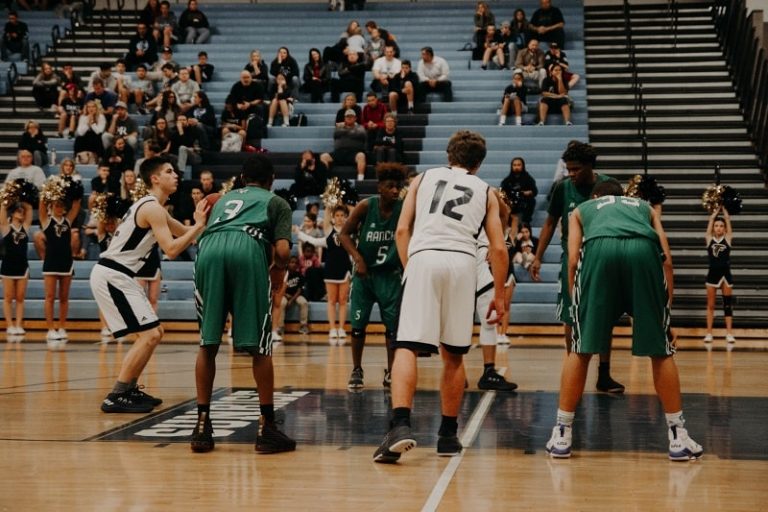
Integrating meditation into a pre-game routine offers basketball players a strategic way to enhance focus, reduce anxiety, and set a positive mental tone before stepping onto the court. When seamlessly combined with warm-up activities, meditation can become a natural extension of preparation, helping athletes transition smoothly from physical readiness to mental clarity. This integration requires intentional timing, environment adjustments, and a commitment to consistency, all aimed at optimizing performance and mental resilience during the game.Effective incorporation begins with selecting an appropriate moment within the pre-game sequence, typically after physical warm-up but before team drills or final strategic discussions.
This placement ensures the athlete is physically prepared while still able to focus inwardly without fatigue or distraction. Ensuring a quiet, comfortable space—such as a designated corner in the locker room or sideline—is crucial for minimizing external noise and interruptions. Utilizing calming techniques like deep breathing, visualization, or body scans during this time helps athletes center their thoughts and cultivate a mindset geared toward success.
Seamless Integration with Warm-Up Activities
Prior to the game, a well-planned routine can incorporate meditation without disrupting the flow of physical preparation.
- Dedicate 3-5 minutes immediately after physical warm-up for meditation. This interval allows the body to cool down slightly while the mind remains alert and receptive.
- Use guided meditation recordings tailored for athletes, focusing on visualization of successful plays and mental calmness, enhancing both focus and confidence.
- Combine breathing exercises with gentle stretching to align physical readiness with mental clarity, creating a holistic pre-game ritual.
- Encourage team leaders or coaches to initiate a brief group meditation, fostering team cohesion and shared focus.
This approach ensures meditation acts as an adaptive, complementary activity that leverages the physical warm-up’s momentum, reinforcing mental preparedness without causing delays or discomfort.
Establishing a Consistent Pre-Game Meditation Schedule
Consistency is key to maximizing the benefits of pre-game meditation. Establishing a regular schedule helps athletes develop a mental cueing system, making meditation an automatic part of their game-day routine.
- Set specific times before each game, such as 15-30 minutes prior, to create a predictable pattern that signals the brain to switch into a focused, calm state.
- Create a ritual that includes familiar surroundings and specific meditation techniques, like breathing patterns or body scans, to build a mental association with optimal performance states.
- Use a checklist or visual cue, like a specific spot in the locker room, to reinforce routine adherence and reduce variability in practice.
- Adjust the schedule slightly based on travel, game time, or environmental factors, but maintain core elements to support routine stability.
Over time, this consistency helps athletes enter a state of readiness more efficiently, reducing pre-game nerves and enhancing focus.
Tips for Maintaining Focus and Adapting Meditation Practices for Different Game Settings
Maintaining concentration during meditation and adjusting to diverse game environments are essential components of effective pre-game mental preparation.
- Minimize distractions: Use noise-canceling headphones or sit in a quiet corner to block out external stimuli, especially in busy locker rooms or crowded gyms.
- Tailor techniques to the environment: For outdoor games or noisy venues, employ visualization and breathing exercises that focus on internal sensations, helping block out external chaos.
- Keep practices short and flexible: During tournaments or back-to-back games, opt for quick 2-3 minute mindfulness exercises rather than lengthy sessions to sustain mental sharpness without fatigue.
- Use portable tools: Meditation apps or audio guides can be easily accessed via smartphones, allowing athletes to adapt practices quickly in various settings.
- Focus on the present moment: Encourage athletes to concentrate solely on their breath or bodily sensations, which enhances their ability to stay focused amid changing environments or unexpected disruptions.
Adapting meditation practices ensures athletes remain mentally resilient, regardless of the game setting, thereby preserving their competitive edge and emotional balance during high-pressure moments.
Overcoming common challenges in pre-game meditation
Pre-game meditation can be a powerful tool for athletes to enhance focus, reduce stress, and improve overall performance. However, several obstacles may arise that hinder effective practice. Recognizing and addressing these challenges is essential for integrating meditation seamlessly into pre-game routines, ensuring athletes derive maximum benefit regardless of circumstances.Environmental noise, limited time, and fluctuating motivation levels are among the most common hurdles faced by basketball players aiming to meditate before a game.
Developing adaptive strategies allows athletes to maintain their mental preparation even when conditions are less than ideal. Consistency and motivation play pivotal roles in embedding meditation into habitual routines, ultimately supporting peak performance when it matters most.
Environmental obstacles and adaptive techniques
Athletes often find themselves in unpredictable environments, such as noisy locker rooms, busy arenas, or confined spaces, which can distract from meditation practices. To overcome these challenges:
- Use of headphones and calming sounds: Employ noise-canceling headphones or earbuds coupled with calming background sounds or guided meditation recordings to drown out ambient noise.
- Creating a designated meditation spot: Identify a quiet corner or a private area within the venue where possible, even if it’s a small space, to foster a sense of calm and focus.
- Adapting meditation duration: Shorten meditation sessions to fit available timeframes, such as a quick 3-5 minute mindfulness exercise, which can be just as effective in reducing anxiety and sharpening focus.
“Flexibility in meditation practices ensures athletes can maintain their mental routine regardless of external circumstances.”
Time management and integrating meditation into busy schedules
Time constraints are a common barrier, especially when pre-game routines are tight and packed with physical warm-up, team discussions, or logistical duties. To integrate meditation effectively:
- Pre-allocated short sessions: Schedule brief meditation periods immediately after warm-up or during downtime, which can be as brief as two to three minutes but still impactful.
- Incorporate into existing routines: Combine meditation with other pre-game preparations, such as sitting quietly during hydration breaks or stretching, to optimize time usage.
- Utilize guided audio tools: Use portable audio recordings designed for quick relaxation or focus, enabling athletes to meditate without requiring additional setup or time-consuming processes.
Maintaining motivation and consistency
Sustained commitment to pre-game meditation can be challenging, especially when immediate results are not visible. Strategies to promote ongoing engagement include:
- Setting clear, achievable goals: Define specific objectives, such as improving focus during free throws or reducing pre-game jitters, to motivate consistent practice.
- Tracking progress and recognizing benefits: Maintain a journal or use apps to record meditation sessions and acknowledge positive impacts on performance or mood.
- Peer support and team integration: Encourage teammates to participate, creating a shared culture of mental preparedness, which enhances accountability and motivation.
- Reminding oneself of the benefits: Regularly reinforce the importance of mental clarity for athletic success, helping sustain commitment even during periods of low motivation.
Tips for Maximizing Meditation Effectiveness Before a Basketball Game
Preparing your mind effectively before a basketball game can significantly enhance focus, reduce anxiety, and improve overall performance. Incorporating strategic meditation practices into your pre-game routine allows you to enter the game with a calm yet alert mindset. To truly harness the benefits of meditation, it’s essential to follow best practices that promote both mental clarity and relaxation, tailored specifically to the high-energy environment of competitive sports.Achieving optimal meditation outcomes involves focusing on creating a distraction-free environment, maintaining consistent practice, and employing techniques that cultivate both mental calmness and physical relaxation.
By doing so, athletes can sharpen their focus, bolster confidence, and enter the game with a positive mindset. The following tips provide actionable strategies to maximize your meditation’s impact right before tip-off.
Best Practices for Focus and Relaxation
To enhance the effectiveness of your pre-game meditation, incorporate these proven practices:
- Choose a Quiet, Comfortable Space: Find a location free from noise and interruptions, ideally in your locker room or a designated quiet corner. Comfort enhances relaxation and helps maintain focus.
- Set a Consistent Routine: Practice meditation at the same time and in the same environment before each game. Routine builds familiarity, making it easier to enter a meditative state quickly.
- Use Breath-Control Techniques: Deep, slow breathing activates your parasympathetic nervous system, reducing stress levels and promoting calmness. Focus on diaphragmatic breathing to facilitate relaxation.
- Limit Distractions: Turn off notifications, silence phones, and avoid engaging in stimulating activities just before meditation. A focused environment prevents mental clutter.
- Maintain a Posture of Alert Relaxation: Sit upright with a relaxed but attentive posture. This balance helps maintain alertness without tension.
Examples of Mental Cues or Mantras
Mental cues and mantras serve as anchors during meditation, guiding your focus and reinforcing positive intentions. Repeating specific phrases can help center your thoughts and cultivate confidence, especially during high-pressure moments.
Effective Mantras and Cues:
- “Calm and focused” – Reinforces a state of mental clarity and serenity.
- “I am prepared” – Boosts confidence and readiness for the game.
- “Breathe in energy, breathe out tension” – Connects breath with physical and mental relaxation.
- “Control what I can, let go of what I cannot” – Encourages acceptance and focus on controllable factors.
- “One shot at a time” – Promotes mindfulness of the present moment during the game.
Tracking Progress and Adjusting Techniques
Monitoring your mental state and the effectiveness of your meditation helps tailor your routine for optimal results. Keeping a simple journal or mental log after each session can reveal patterns and areas for improvement.Consider recording:
- The duration of each meditation session and its perceived impact on focus and relaxation.
- Specific techniques that worked well or felt less effective, such as breathing exercises or mantras.
- Situational adjustments, like changing the environment or timing, to enhance meditation quality.
Adjustments may include experimenting with different mantras, increasing meditation duration, or refining your environment to reduce distractions. Regularly reviewing these notes supports ongoing improvement, helping you develop a personalized and effective pre-game meditation routine that evolves with your needs.
Wrap-Up
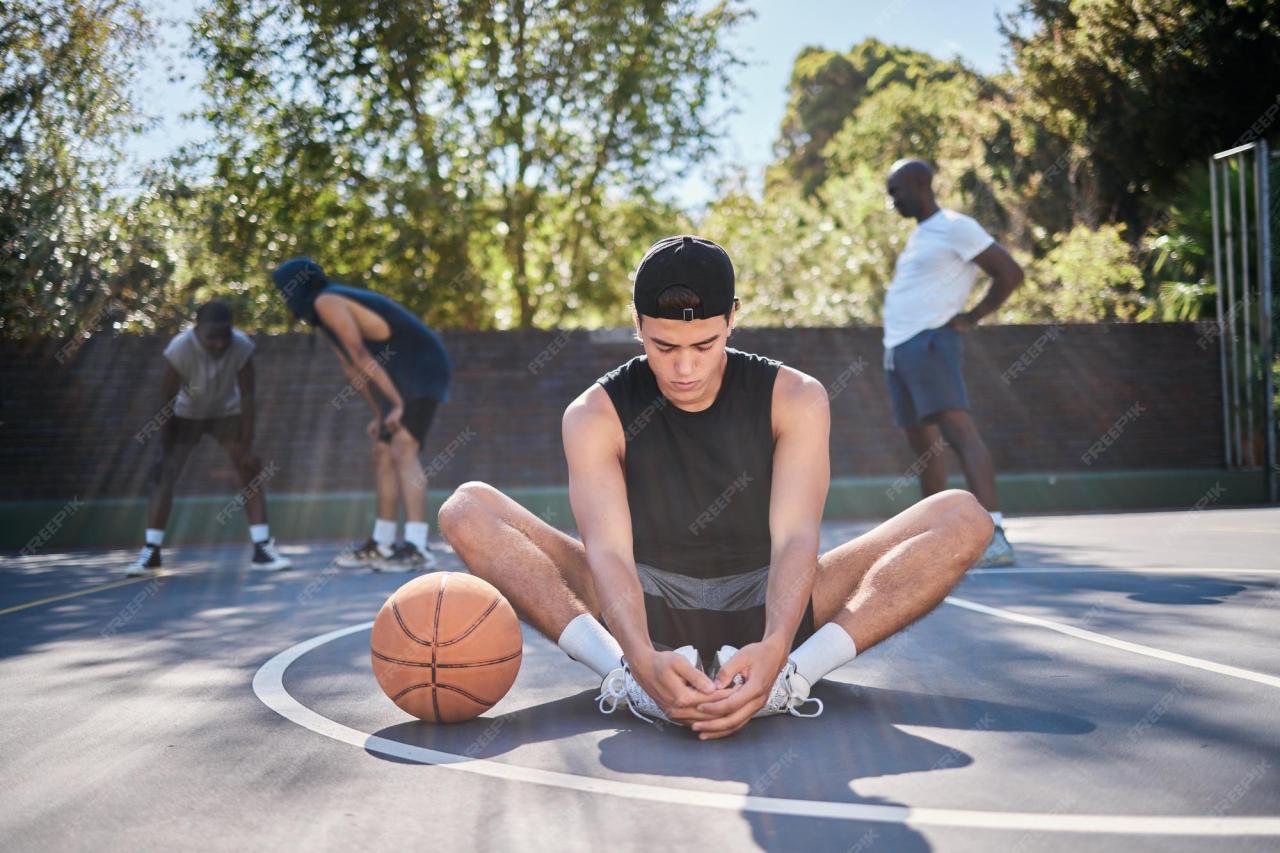
Incorporating meditation into your pre-game routine can significantly improve mental clarity, confidence, and resilience during the game. Consistent practice and mindful adaptation ensure you stay focused and motivated, turning mental preparation into a competitive advantage. Embrace these techniques to elevate your athletic performance and enjoy a more centered game experience.