Learning how to meditate for strength training can significantly enhance both mental focus and physical results. Incorporating mindfulness and meditation techniques into your routine not only improves your workout efficiency but also accelerates recovery and reduces injury risk. This practice fosters mental clarity, enabling better muscle engagement and overall performance during training sessions.
By establishing a tailored meditation routine, athletes can harness the power of visualization, focused breathing, and body awareness to optimize their strength training journey. Whether you’re a beginner or an experienced lifter, understanding how to integrate meditation effectively can lead to more consistent progress and a deeper mind-body connection.
Introduction to Meditation for Strength Training
In the realm of strength training, physical exertion is only part of the equation; mental focus and mindfulness play a crucial role in optimizing performance and fostering effective recovery. Incorporating meditation into your training regimen can profoundly influence how you approach workouts, aiding in concentration, emotional regulation, and overall mental resilience. Recognizing the importance of mental clarity alongside physical effort can lead to more consistent progress and reduced risk of injury.
Meditation enhances physical performance by fostering a heightened state of awareness, enabling athletes to engage muscles more effectively and maintain proper form during lifts. It also supports recovery by reducing stress hormones such as cortisol, which can impede muscle repair and growth. Furthermore, a clear mind helps in better pacing, motivation, and adherence to training protocols, ultimately translating to superior results over time.
Relationship Between Mental Clarity and Muscle Engagement
Effective strength training relies not only on physical strength but also on mental engagement. When the mind is focused and free from distraction, muscle fibers are activated more synchronously, leading to improved coordination and strength output. Meditation cultivates this mental clarity by training individuals to remain present and attentive during workouts, which enhances neuromuscular communication—the process by which the nervous system controls muscle activity.
This connection is exemplified in practices such as mindful lifting, where practitioners intentionally concentrate on each movement and muscle group. Such mindfulness amplifies muscle activation, increases the efficiency of each repetition, and minimizes the likelihood of compensatory movements that could cause injury. A well-developed mental clarity also allows athletes to listen to their body’s signals, avoiding overexertion and promoting smarter training decisions.
Foundations of Meditation for Strength Training
Establishing a solid foundation in meditation is essential for athletes aiming to enhance their strength training. Properly integrated meditation practices can improve mental focus, foster emotional resilience, and promote physical recovery, all of which contribute to better performance and reduced injury risk. Developing a consistent routine tailored to athletic needs ensures that meditation becomes an effective tool within the broader strength training regimen.
Creating an effective meditation practice involves understanding key principles, selecting suitable techniques, and establishing a manageable routine. For beginners, it is important to start gradually and incorporate meditation seamlessly into daily activities, making it a sustainable part of training. This structured approach helps athletes harness the full benefits of meditation, thereby supporting their strength, endurance, and overall athletic development.
Step-by-step Guidance for Establishing a Meditation Practice
Implementing a meditation routine designed for strength training athletes requires thoughtful planning and consistency. The following step-by-step guidance provides practical instructions for beginners to develop a sustainable practice:
- Choose a quiet and comfortable environment: Select a space free from distractions where you can sit comfortably without interruptions. A dedicated corner at home, a quiet gym area, or even a peaceful outdoor spot can serve this purpose.
- Set a specific time each day: Consistency enhances habit formation. Allocate a fixed time, such as early morning or post-workout, to reinforce the routine.
- Determine the duration: For beginners, starting with 5 to 10 minutes daily is effective. Gradually increase the duration as comfort with the practice grows.
- Select a meditation technique: Begin with simple practices like focused breathing or body scan meditation. As experience develops, incorporate other styles as appropriate.
- Use guided meditations if needed: Guided recordings or apps can provide structure and support, especially during initial stages.
- Practice with mindfulness and patience: Approach meditation with an open mind, avoiding judgment about progress. Consistency is more important than duration initially.
- Integrate breath awareness into training: Incorporate short breathing exercises before or after workouts to reinforce mindfulness and focus.
Beginner-Friendly Meditation Routine for Athletes
This routine is designed to be accessible and effective for athletes new to meditation, emphasizing gradual progression and simplicity:
| Step | Technique | Duration | Focus Points | Benefits |
|---|---|---|---|---|
| 1 | Breath Awareness | 5 minutes | Focus on natural inhalation and exhalation, noticing the rise and fall of the chest or abdomen. | Enhances mental clarity, reduces stress, and improves breathing efficiency during workouts. |
| 2 | Body Scan | 7 minutes | Progressively focus attention on different body parts, from toes to head, observing sensations without judgment. | Fosters body awareness, aids recovery, and reduces muscle tension. |
| 3 | Guided Visualization | 8 minutes | Imagine performing a successful lift or athletic movement, engaging senses and emotions. | Boosts confidence, mental preparedness, and focus during training sessions. |
| 4 | Progressive Relaxation | 5 minutes | Sequentially tense and relax muscle groups to promote relaxation and release tension. | Supports recovery, reduces anxiety, and prepares the body for optimal performance. |
Practicing this routine 4 to 5 times a week can significantly enhance an athlete’s mental and physical resilience, creating a balanced approach to strength training that incorporates mindfulness as a core component.
Meditation Styles Suitable for Strength Training
The following table summarizes different meditation styles that align with the goals of strength training, focusing on their focus points and benefits:
| Style | Focus Points | Benefits for Athletes |
|---|---|---|
| Mindfulness Meditation | Present moment awareness, breath, bodily sensations | Improves focus, reduces stress, enhances body awareness, and supports recovery processes. |
| Guided Visualization | Imagery of successful movements or competitions | Builds mental confidence, reinforces technique, and prepares the mind for performance. |
| Body Scan Meditation | Physical sensations and muscle tension | Aids in muscle relaxation, injury prevention, and recovery. |
| Breath Focus Meditation | Breathing patterns, inhalation and exhalation | Increases oxygen efficiency, enhances endurance, and promotes calmness under pressure. |
| Loving-Kindness Meditation | Generating feelings of compassion towards oneself and others | Boosts emotional resilience, reduces performance anxiety, and fosters positive motivation. |
Choosing the appropriate meditation style depends on individual goals and preferences. Incorporating these techniques into a regular routine can markedly improve both mental focus and physical performance in strength training endeavors.
Techniques and Methods

Implementing effective meditation techniques is essential for enhancing strength training routines by fostering mental clarity, focus, and physical resilience. Each technique serves a specific purpose and can be integrated seamlessly into various phases of your workout or daily schedule to maximize benefits. Developing a consistent practice and gradually deepening your meditation skills will contribute significantly to your overall training progress.
Below, we explore a range of meditation methods, their practical application, and strategies to maintain and deepen your practice over time.
Mindfulness Breathing
Mindfulness breathing is a foundational meditation technique that emphasizes present-moment awareness of your breath. This method helps reduce stress, improve concentration, and promote muscular relaxation, all of which are beneficial for strength training. Regular practice enhances your ability to stay focused during workouts and recover more effectively afterward.
To practice mindfulness breathing:
- Sit or lie down comfortably in a quiet environment.
- Close your eyes if comfortable, and bring your attention to the natural rhythm of your breath.
- Inhale slowly through your nose, feeling the air fill your lungs and expand your abdomen.
- Pause briefly at the top of the inhale, then exhale slowly through your mouth or nose, releasing tension.
- Maintain a gentle, steady focus on each breath cycle, gently redirecting your attention if your mind wanders.
- Practice for 5 to 10 minutes daily, gradually increasing duration as comfort develops.
Body Scan
The body scan technique involves systematically directing attention to different parts of the body, fostering awareness, releasing tension, and enhancing mind-body connection. This method is particularly useful post-workout to aid recovery or as a daily relaxation practice to prepare for physical exertion.
Procedure for effective body scan meditation:
- Lie on your back in a comfortable position with eyes closed.
- Begin by focusing on your breath for a few moments to settle into the present.
- Start at your toes, noticing sensations such as warmth, tingling, or tension, and consciously relax that area.
- Gradually move upward through your legs, hips, abdomen, chest, arms, shoulders, neck, and finally your head.
- Spend a few moments on each region, maintaining awareness and releasing tension as needed.
- Complete the scan by gently bringing your attention back to your breath or the environment.
Visualization
Visualization involves creating vivid mental images to enhance motivation, focus, and confidence. For strength training, visualizing successful lifts or physical resilience can improve performance and mental toughness.
Steps for incorporating visualization into your routine:
- Find a quiet space and adopt a comfortable seated or lying posture.
- Close your eyes and take several deep, calming breaths.
- Form a clear mental image of your workout goals, such as successfully completing a challenging lift or achieving a new personal record.
- Visualize the process in detail: the environment, your body movements, and feelings of strength and confidence.
- Engage all senses to make the image as vivid as possible, enhancing motivation and focus.
- Practice daily, especially before workouts or during moments of doubt, to reinforce positive mental states.
Guided Imagery
Guided imagery involves listening to a narrator or recording that leads you through a series of calming, motivational scenes. This method can reinforce your mental preparedness and resilience for strength training sessions.
Procedure for utilizing guided imagery:
- Sit or lie in a comfortable position in a quiet environment.
- Select a guided meditation focused on strength, resilience, or recovery from reputable sources or create your own script.
- Follow the narration, immersing yourself in the suggested scenes and sensations.
- Allow your mind to relax and absorb the imagery, reinforcing positive associations with your training goals.
- Complete the session by gradually bringing awareness back to your surroundings and taking a few deep breaths.
Integrating Meditation into Routine
Effective integration of meditation into your strength training regimen involves strategic timing and consistency. Here are ways to embed meditation into different phases of your workout:
- Pre-Workout: Engage in 5-10 minutes of mindfulness breathing or visualization to enhance focus and motivation.
- Post-Workout: Perform a body scan or guided imagery session to promote muscle relaxation and mental recovery.
- Daily Routine: Incorporate brief meditation sessions in the morning or evening to build mental resilience and maintain consistency.
Consistency in practice is crucial. Setting specific times, creating a dedicated quiet space, and tracking progress can foster regularity. Over time, deepening your practice through longer sessions, exploring advanced techniques, or attending guided classes can further enhance the benefits.
Enhancing Strength Training through Meditation
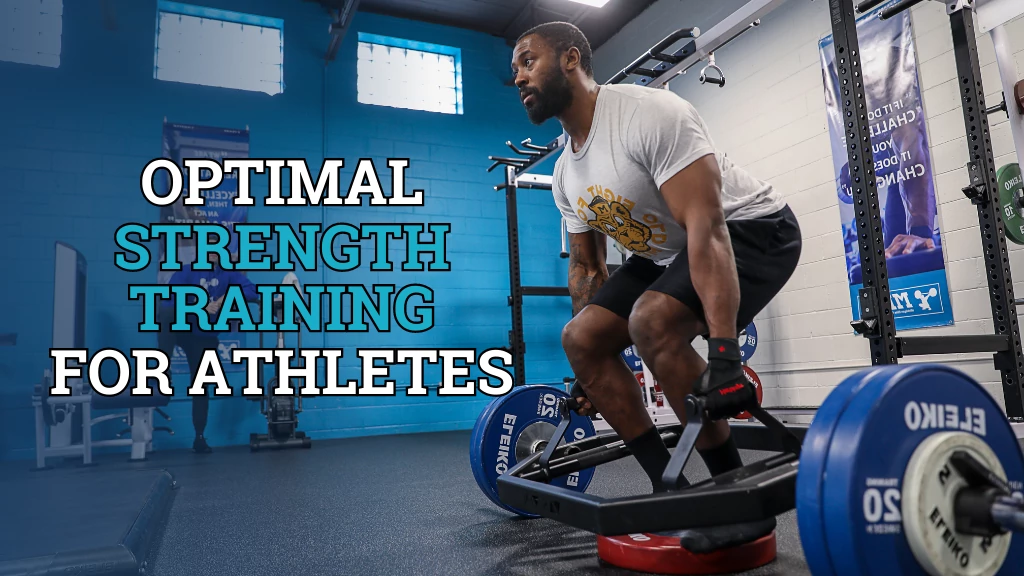
Meditation offers a powerful complement to strength training by fostering mental clarity, emotional resilience, and focused energy. When integrated effectively, meditation can elevate workout performance, improve technique, and help manage the psychological stresses associated with intensive training routines. Developing a mindful approach to strength training not only enhances physical results but also promotes overall well-being and sustained motivation.By harnessing mindfulness and mental imagery, athletes can create a mental environment conducive to optimal performance.
This section explores how visualization, meditation for anxiety management, and synchronized breathing techniques serve as valuable tools to deepen strength training efficacy.
Utilizing Visualization to Improve Lifting Techniques and Set Intentions
Visualization involves creating vivid mental images of successful performance, allowing practitioners to rehearse movements and reinforce proper technique before executing physical actions. This mental practice can enhance neuromuscular coordination, increase confidence, and reduce the likelihood of injury.Effective visualization starts with a calm, focused mind, where the individual vividly imagines each phase of a lift—whether it’s a squat, deadlift, or bench press.
Focus on details such as muscle engagement, breathing patterns, and body positioning. For example, visualizing the precise extension of the hips during a deadlift or the controlled descent during a squat helps prime the body for optimal execution.Additionally, setting clear mental intentions during meditation can reinforce specific goals. These intentions might include aiming for proper form, controlled breathing, or mental resilience during challenging sets.
Consistently aligning mental imagery with physical practice fosters a deeper connection between mind and muscle, ultimately translating to improved technical performance.
Managing Workout Anxiety and Enhancing Focus through Meditation
Workout anxiety can undermine performance, leading to rushed movements or compromised technique. Meditation offers techniques to calm the mind, reduce stress hormones such as cortisol, and cultivate a state of focused calmness.Practicing mindful breathing exercises prior to training sessions helps in grounding attention and alleviating nervousness. Techniques like diaphragmatic breathing, where deep inhales are followed by slow, controlled exhales, activate the parasympathetic nervous system, promoting relaxation.
Incorporating these into a pre-workout routine prepares the mind for concentrated effort.Furthermore, during the workout, brief moments of mindfulness—such as conscious breathing between sets or focused attention on bodily sensations—can sustain concentration and prevent mental drift. This sustained focus enhances technique, minimizes errors, and optimizes energy expenditure, leading to more effective strength gains over time.
Combining Breathing Exercises with Strength Training Movements
Integrating specific breathing techniques within strength training movements improves movement efficiency, stability, and muscular engagement. Proper breathing not only supports physical exertion but also helps maintain mental clarity throughout intense lifts.One effective strategy is the “inhale during eccentric phase, exhale during concentric phase” approach. For example, during a squat, inhaling as you lower into the squat and exhaling as you push upward aligns breathing with muscle engagement, stabilizing the core and preventing undue intra-abdominal pressure.Another method involves diaphragmatic breathing during movement initiation, which promotes core stability.
For instance, engaging in a deep belly breath before performing a deadlift can enhance intra-abdominal pressure, safeguarding the spine and increasing lifting capacity.To maximize benefits, practitioners can synchronize specific breathing patterns with each movement. For example:
“Controlled inhalations during preparatory phases and forceful exhalations during exertion phases help regulate intra-abdominal pressure and improve overall performance.”
Incorporating these breathing strategies consistently during workouts fosters a rhythm that heightens focus, reduces fatigue, and enhances muscular control, ultimately supporting progressive strength development.
Practical Tips and Best Practices
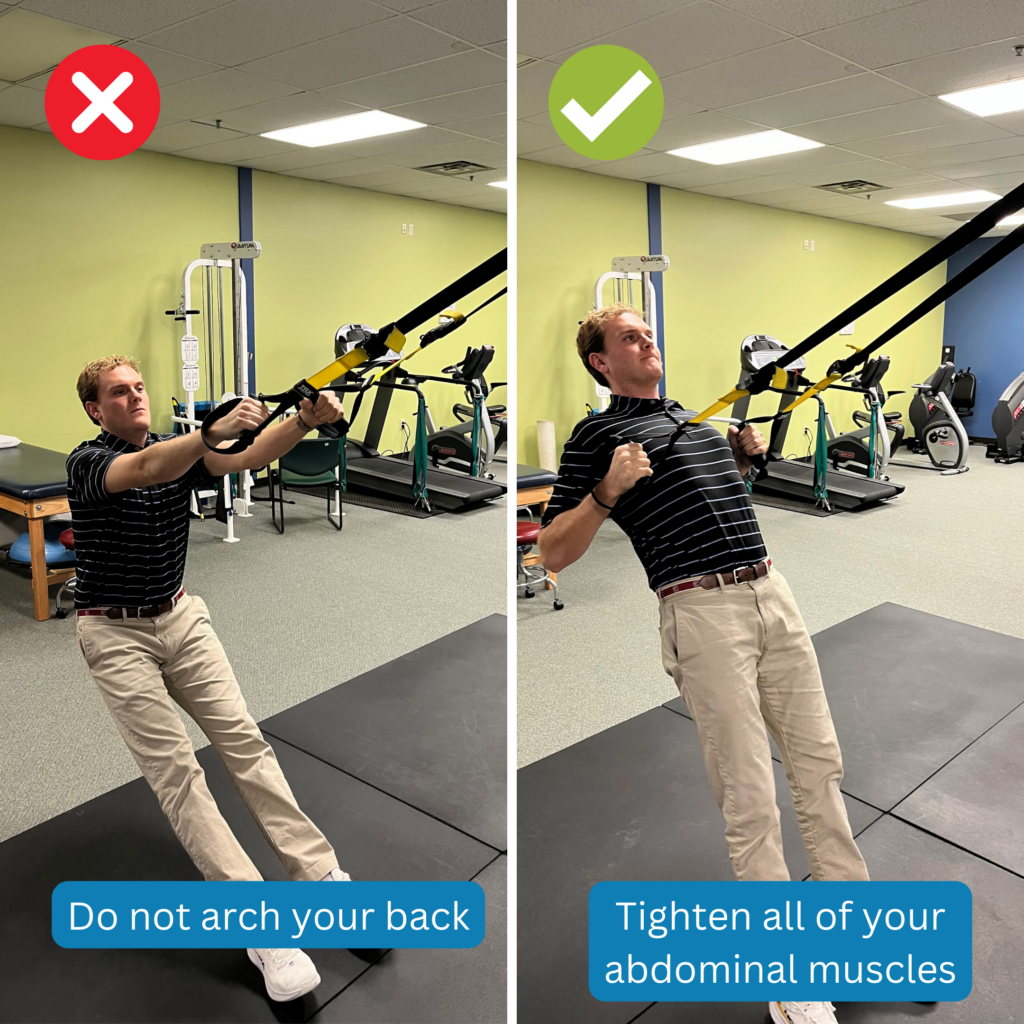
Implementing meditation into strength training routines requires deliberate effort and consistent practice. Establishing effective habits and environments can significantly enhance the benefits of meditation, leading to improved focus, resilience, and overall performance. This section offers valuable insights and practical suggestions to optimize your meditation practice tailored for athletes engaged in strength training.
By adhering to these tips, athletes can overcome common obstacles, progressively build their meditation skills, and create a sustainable routine that complements their physical training. Whether you are just beginning or seeking to refine your practice, these strategies serve as a foundation for integrating meditation seamlessly into your athletic regimen.
Creating a Distraction-Free Meditation Environment
Establishing a dedicated and calming space is essential for effective meditation. An environment free from interruptions allows athletes to focus inward and deepen their practice. Here are key considerations for optimizing your meditation setting:
- Choose a quiet, secluded area away from high-traffic zones, ensuring minimal external noise and visual distractions.
- Maintain a clean, clutter-free space that promotes relaxation and mental clarity. Using a dedicated corner or room can reinforce the habit.
- Control lighting to create a soft, ambient atmosphere—natural light during the day or dim, warm lighting in the evening can enhance tranquility.
- Incorporate calming elements such as cushions, a meditation mat, or a chair that supports proper posture without causing discomfort.
- Limit electronic device usage in the meditation space; turn off notifications and keep phones away or on silent mode to prevent interruptions.
Creating a consistent environment helps signal your mind that it is time for meditation, making it easier to transition into a focused state and reinforcing a routine that benefits both mental and physical aspects of training.
Developing Progressive Meditation Routines for Beginners
Beginners often face challenges in maintaining focus and sustaining their meditation sessions. A gradual approach ensures steady progress and prevents frustration. The following routine progression can guide novice athletes towards more effective and longer meditation practices:
- Start with short sessions of 5 to 10 minutes, focusing on breath awareness or body scans to build familiarity with meditation techniques.
- Gradually increase the duration by 1-2 minutes each week, aligning with comfort levels and concentration capacity.
- Introduce varied techniques such as guided visualization, mindfulness, or mantra repetition to prevent monotony and enhance engagement.
- Incorporate brief routines prior to strength training sessions to prime mental clarity or post-workout to facilitate recovery and relaxation.
- Maintain consistency by practicing at the same time each day, establishing a rhythm that becomes a natural part of your training schedule.
By progressively increasing duration and variety, athletes develop resilience in their meditation practice, leading to sustained mental focus and greater strength training benefits over time.
Addressing Common Challenges and Effective Solutions
Meditation can present obstacles such as wandering thoughts, physical discomfort, or waning motivation. Recognizing these common challenges enables athletes to implement targeted solutions that foster persistence and improvement:
- Wandering thoughts: Use anchor techniques such as focusing on the breath, a mantra, or a specific sensation. When distraction occurs, gently redirect attention without self-criticism.
- Physical discomfort: Adjust posture to ensure comfort, utilizing cushions or chairs as needed. Incorporate gentle stretching before meditation to alleviate tension.
- Lack of motivation: Set clear intentions for each session, noting specific goals like increased focus or stress reduction. Track progress and celebrate milestones to reinforce commitment.
- Time constraints: Opt for shorter, more frequent sessions if longer periods are unfeasible. Even 3-5 minutes of focused meditation can produce notable benefits.
- Environmental distractions: Reinforce the importance of a dedicated space, minimize electronic interruptions, and consider using ambient sounds or white noise to mask external disturbances.
Consistency and patience are vital. Overcoming initial hurdles through adaptable strategies ensures long-term success and integration of meditation into your strength training journey.
Incorporating Meditation into Training Programs
![Strength Training - [INTERNAL ARCHITECT]](https://asahi.web.id/wp-content/uploads/2025/09/image-58.jpeg "Strength Training - [INTERNAL ARCHITECT]")
Integrating meditation into strength training routines offers a holistic approach to enhancing physical performance, mental resilience, and overall well-being. Properly embedding meditation practices into your existing training schedule can foster greater focus, reduce stress, and improve recovery, thereby optimizing results. This section provides a systematic guide to seamlessly incorporating meditation into your strength training programs, along with practical scheduling ideas and sample weekly plans that balance both elements effectively.To achieve a harmonious integration, it is essential to approach meditation not as an add-on but as an integral component that complements your physical workouts.
Thoughtful planning and consistency are key to leveraging the full benefits of meditation for strength training.
Step-by-Step Guide to Seamless Integration
Implementing meditation into your strength training routine can be accomplished through a structured, step-by-step process that ensures consistency and effectiveness. The following steps serve as a practical framework:
- Assess Your Current Schedule: Review your weekly training timetable and identify suitable time slots for meditation, considering your energy levels and daily commitments.
- Define Meditation Goals: Clarify whether your focus is on enhancing focus, managing stress, or improving recovery, as this will influence the timing and technique of meditation sessions.
- Select Appropriate Meditation Techniques: Choose methods aligned with your goals, such as mindfulness meditation for mental clarity or breathing exercises for relaxation.
- Allocate Specific Time Slots: Dedicate fixed times for meditation, ideally before or after training sessions, or during rest days, to foster routine adherence.
- Start with Short Sessions: Begin with 5-10 minute sessions, gradually increasing duration as comfort and consistency develop.
- Integrate Mindful Transitions: Use brief meditation practices during transition periods between workout sets or after warm-ups to maintain focus and calmness.
- Monitor and Adjust: Regularly evaluate the effectiveness of your meditation practice, making adjustments in timing, technique, or duration to optimize benefits.
This structured approach promotes a natural and sustainable integration of meditation into your strength training regimen, enhancing both physical and mental performance.
Scheduling Ideas for Daily Meditation Sessions
Developing a consistent schedule for meditation can significantly improve adherence and maximize benefits. The following ideas provide a flexible framework to align meditation with various training routines:
Morning Meditation: Starting the day with 5-10 minutes of meditation can set a calm, focused tone, preparing the mind for intense training sessions.
Pre-Workout Meditation: A brief session before training can enhance concentration, regulate nerves, and prime the mind for performance.
Post-Workout Meditation: Engaging in meditation after workouts supports recovery, reduces muscle tension, and fosters mental relaxation.
Midday Break: Short midday sessions can serve as mental resets, especially on days with demanding routines or high stress levels.
Rest Days: Incorporate longer meditation sessions on rest days to deepen relaxation and facilitate mental and physical recovery.
Adopting a flexible schedule that adapts to your energy patterns and training intensity can improve consistency and reinforce the habit of mindful practice.
Sample Weekly Plans Combining Meditation and Strength Workouts
Below is a responsive, multi-column HTML table illustrating sample weekly schedules that integrate meditation with strength training. These plans are designed to accommodate different training intensities and personal preferences, fostering a balanced and sustainable routine.
| Day | Strength Workout | Meditation Practice |
|---|---|---|
| Monday | Upper body strength training (e.g., bench press, pull-ups) | 10-minute mindfulness meditation post-workout to promote recovery |
| Tuesday | Lower body strength training (e.g., squats, deadlifts) | 5-minute breathing exercise before training to enhance focus |
| Wednesday | Active recovery or mobility work | 15-minute guided meditation in the morning for mental clarity |
| Thursday | Full-body strength circuit | 5-minute meditation during rest periods to maintain calmness and focus |
| Friday | Specialized training (e.g., Olympic lifts, plyometrics) | 10-minute visualization meditation before the session to boost confidence |
| Saturday | Endurance or cardio-focused strength (e.g., sled pushes, hill sprints) | Longer meditation session (20 minutes) focusing on body awareness and relaxation |
| Sunday | Rest or light activity | Gentle yoga or mindfulness meditation to relax and prepare for the week ahead |
This example demonstrates how meditation can be strategically embedded into various training days, promoting mental resilience alongside physical development. Adjustments can be made based on individual schedules, goals, and preferences to create a personalized, balanced program.
Monitoring Progress and Results
Effective monitoring of progress is essential to ensure that meditation practices are positively impacting strength training outcomes. By systematically tracking both mental and physical improvements, practitioners can refine their approach, maximize benefits, and maintain motivation over time. Regular assessment provides valuable feedback that guides adjustments to meditation routines, ensuring continued development and alignment with training goals.Monitoring progress involves a combination of subjective self-assessment and objective measurements.
It is important to recognize signs of effective meditation that contribute to strength development, enabling practitioners to validate and optimize their efforts.
Methods for Tracking Mental and Physical Improvements
To gauge the effectiveness of meditation in enhancing strength training, a multifaceted approach should be employed. This includes maintaining detailed logs, utilizing specific assessment tools, and observing changes in performance and well-being.
- Training Journals: Recording daily meditation sessions, physical exertion levels, and strength milestones helps identify correlations between meditation consistency and physical gains. Entries should include perceived energy levels, focus, and recovery quality.
- Performance Metrics: Tracking measurable data such as increased load capacity, repetitions, or improved form during strength exercises provides tangible evidence of progress. Regular testing, such as one-repetition maximum (1RM) assessments, can be scheduled monthly.
- Psychological Assessments: Self-report questionnaires measuring stress levels, focus, motivation, and mental clarity can highlight mental improvements over time. Tools like the Mindful Attention Awareness Scale (MAAS) are useful.
- Biofeedback Devices: Utilizing heart rate variability (HRV) monitors or respiratory rate trackers can provide insights into autonomic nervous system balance, indicating relaxation and recovery improvements linked to meditation.
Adjusting Meditation Practices Based on Performance Feedback
Feedback from monitoring methods should inform necessary adjustments to meditation routines to optimize results. If signs of stagnation or decreased effectiveness appear, practitioners should consider modifications to their practice duration, focus, or technique.
- Increasing Practice Duration or Frequency: When mental clarity or focus plateaus, extending meditation sessions from 10 to 20 minutes or adding extra sessions can deepen benefits.
- Refining Techniques: Shifting from focused attention meditation to open awareness practices can enhance mental resilience, which translates into better strength training performance.
- Incorporating Breathwork or Body Scan: These techniques can improve relaxation responses and body awareness, leading to more effective recovery and stronger mental focus during training sessions.
- Addressing Stressors: If stress levels remain high despite meditation, integrating stress management strategies or adjusting the meditation focus to include compassion or gratitude practices may prove beneficial.
Signs Indicating Effective Meditation in Strength Development
Recognizing the signs of effective meditation helps confirm that the practice is contributing to both mental clarity and physical strength gains. These indicators include:
- Enhanced Focus and Concentration: Notable improvements in maintaining attention during workouts and daily activities.
- Reduced Perceived Stress: Feeling calmer and more centered before, during, and after training sessions.
- Faster Recovery: Shortened muscle soreness duration and quicker mental reset after intense training bouts.
- Increased Resilience: Better handling of setbacks, fatigue, and frustration, leading to consistent effort and persistence.
- Improved Body Awareness: Greater sensitivity to physical cues such as muscle tension and breathing patterns, which supports better technique and injury prevention.
- Progress in Strength Metrics: Observable increases in lifts, endurance, and overall physical capacity aligned with meditation practice milestones.
Closure

Incorporating meditation into your strength training regimen offers numerous benefits, including improved focus, reduced anxiety, and enhanced recovery. As you progress, maintaining consistency and adapting your practices will ensure sustained growth and mental resilience. Embrace these techniques to unlock your full potential and achieve your fitness goals with greater clarity and confidence.