Embarking on a journey to learn how to meditate while hiking offers a unique opportunity to blend physical activity with mental tranquility. This practice not only enhances mindfulness but also deepens your connection with nature, creating a holistic experience that revitalizes both body and mind. By integrating meditation techniques into your outdoor excursions, you can cultivate greater awareness, reduce stress, and enjoy the serenity of natural surroundings with intentional focus.
This guide explores essential preparations, effective techniques, and practical tips for practicing meditation amidst the trails. From selecting the right gear to mindful breathing exercises, it provides a comprehensive approach to transforming your hikes into meaningful moments of reflection and inner peace.
Introduction to Meditative Hiking
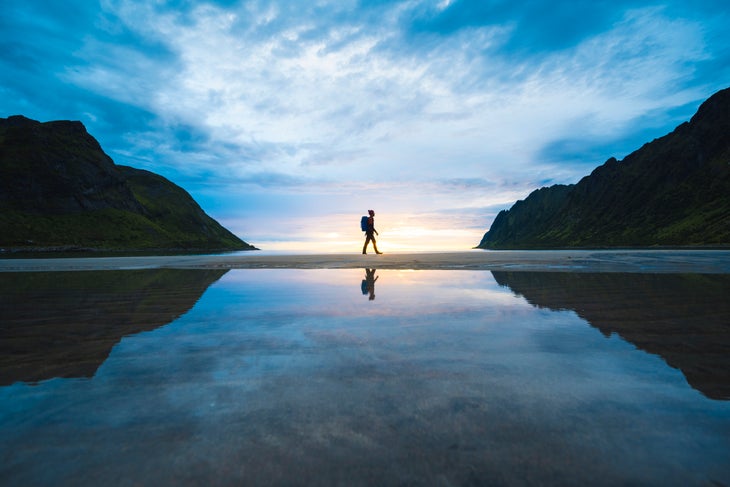
Meditative hiking is an innovative practice that combines the physical activity of walking through nature with the mindful awareness cultivated through meditation. This approach allows individuals to deepen their connection with the natural environment while simultaneously fostering mental clarity, emotional stability, and physical well-being. Unlike traditional seated meditation, meditative hiking integrates movement, rhythm, and outdoor surroundings to create a holistic experience that rejuvenates both body and mind.
By blending mindfulness techniques with the act of walking, participants can achieve a state of heightened awareness that enhances relaxation and reduces stress. This practice encourages present-moment focus, sensory engagement, and a sense of harmony with nature. Additionally, meditative hiking can be particularly accessible for those who find seated meditation challenging or monotonous, offering a dynamic alternative that aligns physical activity with mental tranquility.
Core Principles of Meditative Hiking
Practicing meditation during a hike involves specific strategies that distinguish it from conventional meditation practices. The primary goal is to maintain a gentle, focused awareness of the present moment, integrating the movement of walking with mindfulness. This method emphasizes sensory observation, breath awareness, and a non-judgmental attitude toward thoughts and sensations.
While traditional meditation often involves sitting still in a quiet space, meditative hiking requires adapting mindfulness techniques to an active setting. The natural rhythm of walking creates a meditative cadence, and the environment offers a rich tapestry of sights, sounds, and smells to anchor the practice. This form of meditation not only cultivates mental clarity but also enhances physical health through gentle movement and exposure to nature’s calming influences.
Essential Tips for Practicing Meditation While Hiking
To maximize the benefits of meditative hiking, it is helpful to follow certain guidelines that foster mindfulness and safety during the activity. These tips are designed to help practitioners cultivate a relaxed, attentive state while navigating outdoor terrains.
- Choose a suitable location: Select a trail that is safe, accessible, and offers a serene environment with minimal distractions. Nature-rich settings such as forests, lakesides, or mountain paths are ideal for immersive experiences.
- Focus on sensory engagement: Pay close attention to what you see, hear, smell, and feel. For instance, notice the texture of the leaves, the sound of birdcalls, or the sensation of the breeze on your skin.
- Maintain a gentle, steady pace: Walk slowly enough to be aware of each step and breath, fostering mindfulness with every movement. Avoid rushing or becoming distracted by external stimuli.
- Use breath as an anchor: Concentrate on your breathing pattern, using it as a steady point of focus. Inhale deeply through the nose, and exhale naturally, maintaining a relaxed rhythm.
- Practice non-judgmental awareness: Observe your thoughts, feelings, and sensations without judgment or attachment. Gentle acknowledgment helps cultivate acceptance and presence.
- Integrate pauses and moments of stillness: Occasionally stop walking to take deliberate breaths, observe your surroundings, or simply be present without movement, deepening your mindfulness practice.
Preparing for Meditative Hiking
Engaging in meditative hiking requires thoughtful preparation to ensure a safe, comfortable, and meaningful experience. Proper planning involves selecting suitable gear and clothing, establishing mental readiness, warming up physically, and choosing appropriate trails that foster mindfulness. These preparations lay a solid foundation, enabling practitioners to immerse themselves fully in the calming and restorative practice of meditative walking amidst nature’s tranquility.Proper preparation enhances the effectiveness of meditative hiking by minimizing discomfort and distractions.
It ensures that both body and mind are suitably conditioned to embrace mindfulness, making the experience more profound and sustainable over time. Attention to detail at this stage can transform a simple hike into a deeply reflective and rejuvenating practice.
Necessary Gear and Clothing Suitable for Mindful Hiking
Ensuring the right gear and clothing are essential for comfort, safety, and focus during meditative hiking. The equipment should support a relaxed yet prepared state, allowing for ease of movement and environmental awareness.
Key considerations include:
- Footwear: Choose lightweight, supportive hiking shoes or boots with non-slip soles to provide stability and comfort during extended walks. Footwear should be well-broken-in to prevent blisters and discomfort.
- Clothing: Wear moisture-wicking, breathable layers that can be easily adjusted to changing weather conditions. Incorporate a lightweight jacket or shell for protection against wind or rain.
- Accessories: Carry a wide-brimmed hat or cap for sun protection, sunglasses, and a lightweight backpack to hold essentials without adding bulk.
- Additional Items: Consider bringing a small cushion or seat pad if the trail allows for designated meditation spots. A water bottle, insect repellent, and sunscreen are also advisable to maintain comfort and safety.
Checklist of Preparations Including Mental Readiness and Physical Warm-up Routines
Thorough preparation involves both mental and physical readiness to optimize focus and minimize potential discomfort or distractions during the walk.
This checklist ensures practitioners approach their meditative hike with intention and vitality:
- Physical Warm-up: Engage in gentle stretching or light cardio exercises such as brisk walking in place, arm circles, neck rolls, and leg stretches. This increases blood flow, loosens muscles, and prepares the body for sustained walking.
- Mental Readiness: Set a clear intention for the hike—whether to cultivate mindfulness, observe nature without judgment, or simply relax. Practice a brief breathing exercise or mindfulness meditation to center the mind before beginning.
- Environmental Awareness: Check weather forecasts and trail conditions to ensure safety and comfort. Select a trail that offers a natural setting conducive to quiet reflection, preferably away from noisy or heavily trafficked areas.
- Route Planning: Map out the trail length and duration, considering personal fitness levels and time commitments. Ensure the route has spots suitable for pauses or seated meditation, if desired.
Guidelines for Selecting Appropriate Trails for Meditative Practices
Choosing the right trail is crucial for fostering an environment that supports mindfulness and tranquility. The ideal trail minimizes distractions and maximizes natural serenity.
Key factors to consider include:
- Natural Setting: Opt for trails that meander through dense forests, along quiet rivers, or within peaceful meadows. These environments naturally promote calmness and facilitate sensory awareness.
- Trail Complexity: Select paths that are not overly challenging to avoid physical strain that can detract from meditative focus. Moderate terrain with gentle inclines and well-maintained surfaces are preferable.
- Low Traffic: Seek out trails during less busy times or those that are less frequented to minimize noise and interruptions. Early mornings or weekdays often provide more solitude.
- Accessibility to Resting Spots: Ensure the trail includes designated areas such as benches, logs, or clearings suitable for seated meditation or pauses for reflection.
- Safety and Comfort: Ensure the trail is marked and easy to follow to prevent disorientation. Adequate shade and proximity to water sources can also enhance comfort during longer practices.
By carefully selecting trails that embody these qualities, practitioners can create an optimal environment for cultivating mindfulness, deepening their connection with nature, and enriching their meditative hiking experience.
Techniques for Meditating While Hiking
Engaging in meditation during a hike transforms a physical activity into a mindful journey, fostering deeper connection with nature and enhanced mental clarity. Incorporating specific techniques can help maintain focus, deepen relaxation, and cultivate present-moment awareness throughout your walk.
These techniques are designed to seamlessly integrate mindfulness practices into your hike, allowing you to stay grounded, synchronized with your body’s rhythms, and fully engaged with your environment. By mastering these methods, hiking becomes not only a physical exercise but also a profound meditative experience.
Grounding Exercises During the Walk
Grounding exercises serve to anchor your awareness in the present moment, particularly during outdoor activities where sensory stimuli are abundant. They help prevent wandering thoughts and promote a sense of stability and calmness during your hike.
- Body Scan: Periodically pause and perform a quick body scan, noting the sensation of your feet on the ground, the tension in your shoulders, or the feeling of your hands. This encourages present-moment awareness and releases tension.
- Four-Point Touch: While walking, gently press your toes, heels, or the outer edges of your feet into the ground with awareness. Focus on the contact points to deepen your connection with the earth.
- Feeling the Environment: Engage all senses by consciously noticing the textures of leaves, the roughness of rocks, or the warmth of sunlight on your skin. This sensory awareness enhances grounding and mindfulness.
Synchronizing Breathing with Footsteps
Aligning your breath with the rhythm of your footsteps can significantly enhance mindfulness and create a meditative flow during your hike. This practice helps cultivate harmony between body and mind, making the experience more calming and centered.
To implement this method, focus on a simple breathing pattern that matches your pace. For example, inhale slowly as you lift your foot, and exhale as you place it down. Alternatively, inhale for a specific number of steps, then exhale for the same count, creating a steady, even rhythm that anchors your awareness.
“Breathing in sync with your steps creates a natural rhythm that supports mindfulness and physical ease.”
Practicing this synchronization not only enhances concentration but also promotes a rhythmic, meditative state that can extend beyond hiking into everyday relaxation techniques.
A Guided Meditation Sequence for Hikes
Structured guidance during your walk can deepen your meditative experience by providing a clear focus and calming anchor points. The following sequence can be used as a template to guide your mindful hike:
- Begin with Grounding: Stand still for a moment, close your eyes if comfortable, and take a few deep breaths. Feel the connection between your feet and the ground.
- Set an Intention: Decide on an intention for your hike, such as cultivating gratitude, patience, or simply being present.
- Walking Meditation: As you walk, synchronize your breath with your steps as described earlier. Maintain awareness of each footfall, sensory inputs, and bodily sensations.
- Visual Focus: Choose a visual anchor like a distant tree, a rock, or the horizon. Gently fix your gaze there, softening your gaze to avoid strain, and let your awareness rest on this point during your walk.
- Return to Breath and Body: Periodically bring your attention back to your breath and bodily sensations to stay grounded in the present moment.
- Closing Reflection: When the hike concludes, pause briefly to reflect on your experience. Take a few deep breaths, express gratitude for the walk and your connection with nature, and carry this mindfulness into your day.
Use of Visual Focus Points
Visual focal points serve as anchors for your attention, helping to cultivate mindfulness and prevent your mind from wandering during your hike. Selecting consistent, natural elements allows your gaze to rest effortlessly, supporting sustained meditation throughout your walk.
- Trees and Foliage: Fix your gaze softly on a prominent tree or a cluster of leaves. Observe the details—the texture of bark, the movement of leaves in the breeze, or the changing colors.
- Rocks and Boulders: Focus on the shape, size, and surface patterns of nearby rocks. Notice their solidity and how they integrate into the landscape, fostering a sense of stability.
- The Horizon: Gaze toward the distant horizon where the sky meets the land or water, allowing your visual attention to expand, promoting a sense of openness and perspective.
Maintaining gentle awareness of these points during your hike can enhance your meditative state, deepen your connection with the environment, and provide a calming visual anchor amidst dynamic outdoor scenery.
Mindfulness and Presence During Hiking
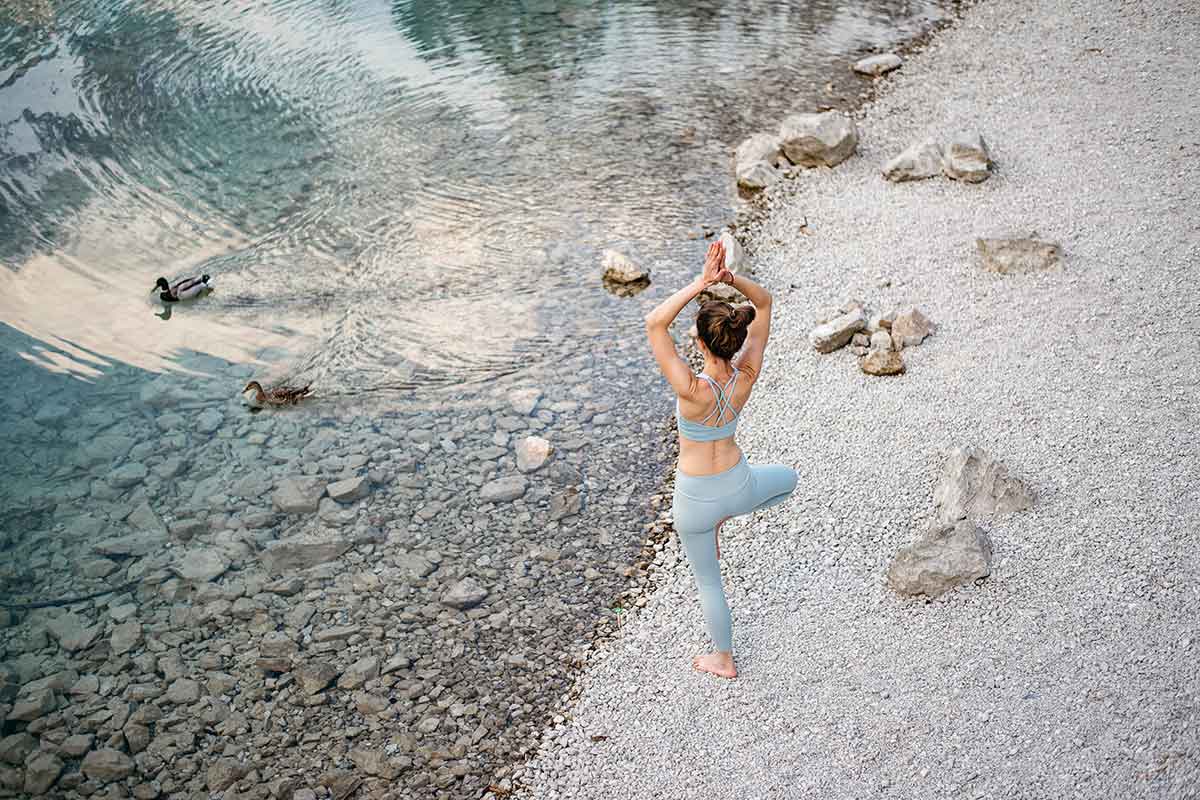
Engaging fully in the act of hiking by cultivating mindfulness and presence transforms a simple walk into a profound meditative experience. This practice involves intentionally directing your awareness toward the present moment, allowing you to connect deeply with your surroundings, sensations, and internal state. By doing so, hikers can find a sense of tranquility and clarity amidst movement, turning nature into a living meditation space.Maintaining awareness during hiking requires a conscious effort to stay grounded in the here and now.
As you move through natural environments, your senses become gateways to mindfulness. Recognizing the subtle sounds of rustling leaves, bird calls, or flowing water, and inhaling the fragrant scents of earth, pine, or blooming flowers, anchors you in the present. This heightened sensory engagement prevents the mind from wandering into distractions or future concerns, creating a continuous state of awareness that enriches the hiking experience.Observing thoughts and sensations with non-judgmental curiosity allows for a gentle detachment from mental chatter and physical discomforts.
When thoughts drift away or sensations become overwhelming, acknowledgment without judgment helps return focus to the act of walking and sensing. This perspective fosters patience and compassion toward oneself, reinforcing the meditative quality of hiking.Handling distractions or wandering thoughts involves specific techniques designed to gently redirect attention and sustain mindfulness. Recognizing when the mind has drifted is the first step; this awareness itself is a core aspect of mindfulness.
Once identified, practitioners can use techniques such as gently returning focus to the breath, physical sensations, or environmental stimuli. Employing a mental note like “thinking” or “wandering” can serve as a compassionate reminder to gently guide attention back to the present moment. Regular practice of these strategies enhances the ability to remain centered, even in bustling or unpredictable settings, ultimately cultivating resilience and a deeper sense of presence during each hike.
Incorporating Breathing and Body Awareness
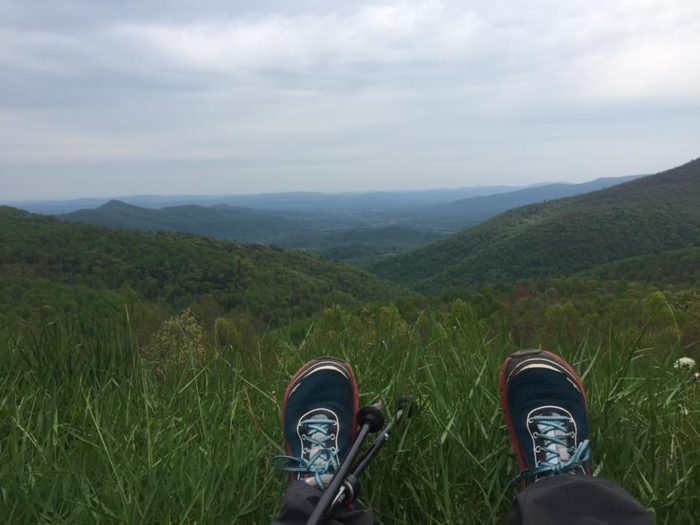
Engaging in mindful breathing and body awareness practices enhances the meditative experience during hiking. These techniques deepen your connection to the present moment, improve overall focus, and foster a sense of calm amidst outdoor activity. By consciously integrating breath and bodily sensations into your hike, you can transform a simple walk into a powerful meditative practice that nurtures both mind and body.Mindful breathing and body awareness during hiking encourage a state of active mindfulness, where each step, breath, and sensation is observed with gentle curiosity.
These practices help to anchor your attention, reduce stress, and cultivate a peaceful state of mind, even in the midst of movement and natural stimuli.
Incorporating Conscious Breathing Practices
Conscious breathing serves as a foundation for meditative hiking, offering an accessible way to maintain focus and calmness throughout your walk. By paying close attention to your inhale and exhale, you create a rhythmic anchor that keeps you grounded in the present moment.To integrate conscious breathing during hiking:
- Set an intention at the start of your hike to remain aware of your breath. Remind yourself periodically to check in with your breathing pattern.
- Sync your breath with your steps, such as inhaling over two steps and exhaling over two steps, creating a natural, steady rhythm.
- During gentle ascents or challenging terrain, use the breath to manage exertion—deepening inhales to energize and slow exhales to relax.
- Pause at scenic viewpoints or resting spots to take several deep, intentional breaths, focusing solely on the inhalation and exhalation process.
Body Scan Exercises During Pauses or Rests
Performing body scans during pauses or rests allows for a comprehensive awareness of physical sensations, tension, and relaxation states. This practice deepens mindfulness and helps release accumulated physical stress from the hike.To execute a body scan:
- Find a comfortable standing or seated position during a rest. Close your eyes if it feels safe and appropriate.
- Begin by bringing awareness to your feet, noticing any sensations, warmth, or tension.
- Gradually move your attention upward through your legs, hips, torso, shoulders, arms, neck, and finally to your head.
- Observe each area for tension, discomfort, or ease, and consciously breathe into tight or tense spots to promote relaxation.
- Continue this scan for several minutes, maintaining gentle curiosity without judgment.
Breathing Technique Comparison Table
Understanding different breathing techniques enables you to select the most suitable approach based on the environment and activity level during your hike. Below is a comparison of common methods effective in outdoor settings:
| Technique | Benefits | When to Use | Step-by-step Instructions |
|---|---|---|---|
| Diaphragmatic Breathing | Enhances oxygen intake, promotes relaxation, reduces fatigue | During steady walking, resting, or when seeking calm |
|
| Box Breathing | Improves focus, steadies the mind, balances autonomic nervous system | When feeling anxious or after challenging segments |
|
| Alternate Nostril Breathing | Calms the nervous system, enhances mental clarity | During pauses or at scenic spots for mental refreshment |
|
| Ujjayi Breathing | Provides a steady, calming rhythm, supports endurance | During continuous walking or uphill segments |
|
Using Breath Awareness to Deepen Meditation
Focusing on the breath acts as a gateway to a deeper meditative state during hiking. By anchoring your attention to the natural rhythm of your inhales and exhales, you free your mind from distractions and cultivate sustained presence.To deepen meditation through breath awareness:
- Begin each segment of your hike by taking several intentional breaths, observing the quality and rhythm of each inhalation and exhalation.
- During walking, pay attention to how your breath aligns with your steps, creating a harmonious rhythm that fosters mindfulness.
- When your mind wanders, gently bring your focus back to the sensation of your breath, allowing it to serve as a steady anchor.
- Use deep, slow breaths during pauses to enhance relaxation and expand your awareness of bodily sensations and surroundings.
- Integrate visualizations with your breath—such as imagining inhaling fresh, energizing air and exhaling tension or fatigue.
By consciously employing breath awareness, you deepen your overall meditative experience, allowing each step to become a mindful movement rooted in full presence and inner calm.
Using Nature as a Meditation Aid
Engaging with the natural environment during a hike offers a profound opportunity to deepen mindfulness and enhance meditative practice. By consciously observing and connecting with natural elements, hikers can cultivate a sense of serenity and presence that enriches the experience. Leveraging the sights, sounds, and textures of nature transforms the trail into a living, breathing meditation space, fostering a harmonious connection between oneself and the environment.Natural surroundings serve as an ever-changing backdrop that encourages sustained attention and awareness.
This focus on the environment can diminish mental clutter, promote relaxation, and foster a sense of unity with the world around us. Through intentional engagement, hikers can harness these elements to cultivate a more profound meditative state while immersed in the outdoors.
Observing and Connecting with Natural Elements
The foundation of using nature as a meditation aid involves active observation of the living landscape. This practice entails noticing the intricate details of natural objects and phenomena, fostering a sense of curiosity and appreciation. Observing leaves, rocks, water, or animals with full attention encourages a meditative state rooted in mindfulness and presence.To effectively connect with natural elements:
- Pause intentionally and direct your focus toward a specific element, such as a leaf or a patch of moss.
- Observe textures, colors, patterns, and movements with gentle curiosity, allowing your mind to settle into the present moment.
- Notice the interconnectedness of natural components, recognizing how each element contributes to the ecosystem.
This mindful observation fosters a sense of reverence for nature’s complexity and promotes a calming mental environment.
Listening to Environmental Sounds
Environmental sounds are a vital aspect of natural meditative practice, offering a rich auditory landscape that anchors awareness. Listening attentively to sounds such as rustling leaves, flowing water, bird calls, or wind creates a dynamic form of mindfulness that keeps attention rooted in the present.Strategies for integrating environmental sounds include:
- Find a comfortable spot to stand or sit, then close your eyes or soften your gaze.
- Focus on capturing the layers of sounds, noting the origin, pitch, and rhythm without judgment or attachment.
- Practice a form of active listening where each sound is acknowledged as part of the larger natural symphony.
This practice cultivates a state of openness and acceptance, enhancing feelings of tranquility and connectedness with the environment.
Visualizations with Natural Scenery
Visualization techniques involving natural scenery can deepen relaxation and mental clarity during a hike. By imagining oneself immersed in specific landscapes, individuals can evoke feelings of peace and stability that translate into a more centered meditative experience.Effective visualization strategies include:
- Envision yourself sitting beside a calm lake, observing the gentle ripples and feeling the cool breeze on your skin.
- Picture walking through a lush forest, feeling the textured bark beneath your fingertips and noticing the dappled sunlight filtering through leaves.
- Imagine the vastness of mountain ranges or open plains, allowing your mind to expand with the scenery’s grandeur.
Descriptive visualizations like these help to anchor attention, reduce mental chatter, and foster a sense of tranquility that complements physical activity.
Natural Objects for Focused Attention
Focusing on specific natural objects provides a tangible anchor for mindfulness during a hike. Concentrating on objects such as leaves, water droplets, stones, or flowers encourages detailed observation and present-moment awareness.Examples of natural objects for focused attention include:
- Leaves of various shapes and colors, noticing their veins, edges, and textures.
- Flowing water in streams or waterfalls, observing the movement, sound, and reflection.
- Rocks and stones of different sizes, noting their textures, patterns, and weight.
- Flowers or blossoms, appreciating their colors, shapes, and subtle fragrances.
Engaging with these objects fosters patience, sharpens perception, and cultivates a quiet, attentive mind that is fully present in the natural setting.
Overcoming Challenges in Meditative Hiking
Engaging in meditative hiking offers a profound opportunity to connect deeply with nature and cultivate mindfulness. However, practitioners often encounter obstacles such as restlessness, environmental distractions, or unpredictable weather conditions that can hinder their focus and safety. Recognizing these challenges and implementing effective strategies is essential to maintaining a calming and safe meditative experience on the trail.Environmental and internal distractions are common barriers that can divert attention away from the present moment.
Restlessness, wandering thoughts, or external stimuli like noise, insects, or unpredictable weather can break concentration. To overcome these, hikers should develop adaptable techniques that promote mental resilience and situational awareness, ensuring their meditative practice remains effective regardless of conditions. Additionally, safety considerations must be prioritized to prevent accidents or injuries, particularly when meditating in unfamiliar or rugged terrains.Adapting practices to different terrains or weather scenarios involves understanding specific safety measures and mindfulness adjustments.
By cultivating flexibility and awareness, hikers can turn potential obstacles into opportunities for deeper connection and insight during their meditative journey.
Managing Restlessness and Environmental Distractions
When practicing meditative hiking, internal restlessness and external distractions can challenge focus and tranquility. Recognizing that such disturbances are natural components of outdoor environments empowers practitioners to approach them with patience and acceptance.To mitigate internal restlessness, it is effective to incorporate grounding techniques such as gently focusing on the sensation of the feet making contact with the ground or the rhythm of one’s breath.
Using a mental note or label like
“This is restlessness” or “Waves of distraction”
can help acknowledge thoughts without attachment, allowing them to pass without disruption. External distractions, including sounds or movements, can be managed by cultivating a sense of curiosity rather than resistance. For instance, observing the rustling leaves or distant bird calls with mindful awareness transforms distractions into opportunities for anchoring attention. When environmental stimuli become overwhelming, finding a safe spot to pause and practice a brief breathing exercise can restore focus and calmness.
Ensuring Safety During Meditative Practices on Trails
Safety is paramount when engaging in meditative hiking, especially since tranquility can sometimes lead to lowered awareness of surroundings. It is important to select suitable locations that offer safe spots for seated meditation, such as flat, stable ground away from steep edges or unstable terrain.Hikers should always inform someone about their route and expected return time, particularly when practicing alone in remote areas.
Carrying essential safety gear, such as a fully charged mobile phone, a whistle, and a basic first aid kit, ensures preparedness for unforeseen situations. Additionally, practicing situational awareness involves periodically checking the environment for hazards like loose rocks, uneven surfaces, or approaching weather changes.To prevent accidents, it is advisable to avoid meditating near water bodies, steep slopes, or dense underbrush where visibility and footing might be compromised.
If weather conditions shift unexpectedly—such as rain or high winds—practitioners should relocate to safer indoor or sheltered spots, or pause their practice until conditions improve.
Adapting Practices to Different Terrains and Weather Conditions
Different terrains and weather scenarios require mindful adjustments to meditative hiking routines. Forested areas, open plains, or mountainous regions each present unique challenges and opportunities for meditation.In dense forests or shaded trails, the reduced sunlight and uneven ground necessitate choosing stable, clear patches that minimize risk of tripping or falling. During windy or rainy weather, it is beneficial to practice seated or standing meditation under shelter or in a protected nook, avoiding exposure to elements that can cause discomfort or distraction.When encountering steep inclines or uneven terrains, slow, deliberate steps enhance both safety and mindfulness.
Focus on each foot placement, feeling the texture of the ground and maintaining balance. In extreme weather, such as thunderstorms or heavy snow, it is prudent to delay meditation until conditions subside, or seek refuge in a safe shelter, respecting the limits of one’s physical and mental capacity.Practitioners should also consider layering clothing for varying temperatures and carrying portable shade or rain gear as needed.
By adapting their mindfulness practices to the environment, hikers can maintain a sense of calm and presence, regardless of external conditions, while ensuring safety at all times.
Post-Hike Reflection and Integration
Engaging in mindful reflection after a meditative hiking session serves as a vital step in consolidating the benefits of your practice. It provides an opportunity to process your experiences, deepen your understanding of your mental and emotional responses, and carry mindful awareness into everyday life. Properly concluding your meditation and reflection can enhance your overall sense of calm, clarity, and presence, making your hiking practice a meaningful part of your holistic wellness routine.This phase emphasizes the importance of intentionally transitioning from the meditative state back into daily activities, while preserving the mindfulness cultivated during the hike.
Through deliberate reflection, journaling, and practical integration, you can transform your hiking experience into lasting personal insights and behavioral habits.
Safely Concluding Meditation During or After the Hike
A thoughtful and gentle approach is essential to conclude your meditative hiking practice safely and effectively. As you approach the end of your hike, gradually bring your awareness back to your breath and physical sensations. Slow down your pace, take a few deep, intentional breaths, and allow your mind to settle into a calm state. When you feel ready, gently shift your focus from the natural surroundings back to your body and surroundings, avoiding abrupt transitions that could cause disorientation or fatigue.Post-hike, it is advisable to sit comfortably for a few moments, closing your eyes if desired, and performing a brief body scan to notice any lingering tension or sensations.
This helps to ground you and prevent dizziness or disorientation stemming from sudden position changes. Hydrate adequately and maintain a relaxed posture, honoring the meditative state you have cultivated.
Journaling and Mental Reflection to Deepen the Experience
Engaging in journaling or mental reflection after a meditative hike allows you to clarify and deepen the insights gained during your practice. Writing about your experience assists in processing emotions, noticing subtle shifts in your awareness, and identifying thoughts or patterns that emerged during the hike.Encourage detailed descriptions of sensations, feelings, and thoughts encountered during the practice. Reflect on questions such as:
- What sensations did I notice in my body during the hike?
- Which moments felt most present or peaceful?
- Were there any recurring thoughts or emotions?
- How did nature influence my meditative experience?
Consistent journaling can reveal personal growth over time, enhance self-awareness, and motivate future mindful practices. It also creates a record to revisit, allowing you to observe progress and deepen your connection to your meditative journey.
Carrying Mindfulness into Daily Life
Transforming insights from meditative hiking into everyday mindfulness enriches your overall well-being. After your hike, consciously incorporate the awareness cultivated into routine activities, such as mindful breathing during work, attentive listening in conversations, or savoring meals without distraction.Creating small, intentional pauses throughout the day—often called “mindful moments”—helps sustain the calm and clarity achieved during your hike. For example, pause for a few breaths before responding to emails or making decisions.
Establishing routines, such as morning mindfulness rituals or evening reflection sessions, can reinforce the habits developed during your outdoor practice.Additionally, visualize the tranquility and presence experienced during your hike to anchor your mood and perspective during stressful or busy periods. This ongoing integration nurtures resilience and nurtures a sustained sense of connection with nature and your inner self.
Sample Reflection Table for Post-Meditation Insights
A structured reflection table can facilitate organized and meaningful insights following your meditative hike. The table provides space to record observations, feelings, and lessons learned, encouraging ongoing awareness and growth.
| Time/Period | Physical Sensations | Emotional State | Thoughts & Insights | Nature’s Influence | Actions for Tomorrow |
|---|---|---|---|---|---|
| Post-Hike (immediately after) | Warmth in hands, relaxed shoulders | Calm, grateful | Appreciation for simplicity, noticing stress release | Feeling more connected to surroundings, inspired by natural sounds | Practice mindfulness during commute, incorporate breathing exercises in the evening |
| End of Day Reflection | Less tension, relaxed posture | Centered, mindful | Realized importance of nature in restoring mental clarity | Desire to spend more time outdoors, plan weekend hike | Schedule weekly outdoor mindfulness sessions, journal daily observations |
This table serves as a practical tool to monitor your progress, recognize patterns, and set intentions for continual practice. Regularly updating it can foster sustained mindfulness and reinforce the benefits of meditative hiking in your daily life.
Concluding Remarks
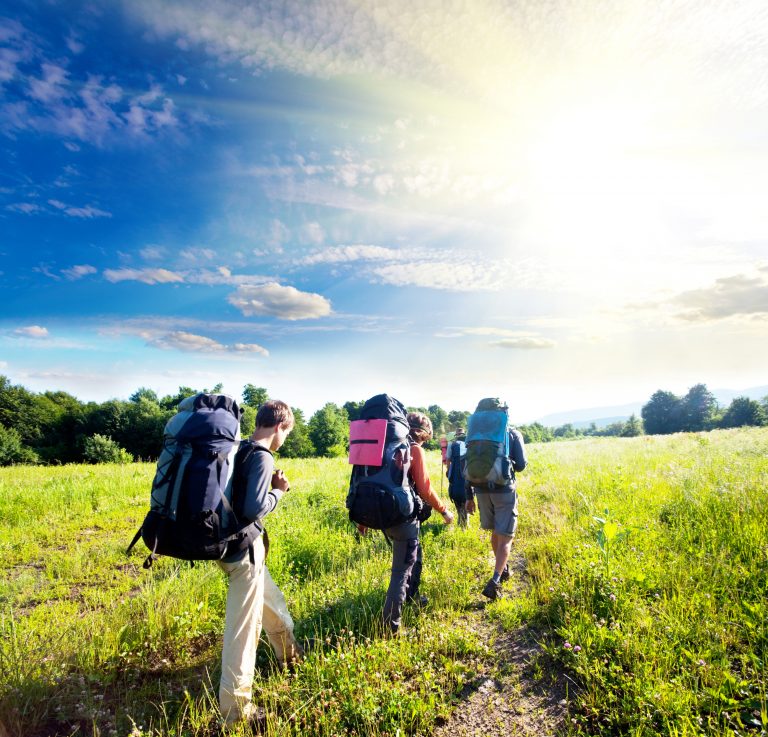
Incorporating meditation into your hiking routines can profoundly enrich your outdoor experiences and mental well-being. By applying the strategies discussed, you can cultivate mindfulness, handle distractions with ease, and carry a sense of calm into your daily life. Embrace the journey of meditative hiking as a way to reconnect with yourself and the natural world, fostering tranquility that extends beyond the trails.