Discover effective strategies for integrating meditation into your Pilates practice with these nine proven tips designed to enhance mindfulness and overall well-being. Combining physical movement with mental clarity can lead to a more fulfilling and transformative exercise experience, helping you cultivate greater focus, relaxation, and inner peace during each session.
This comprehensive guide provides practical steps for preparing your environment, mastering breathing techniques, maintaining focus, and developing personalized rituals that seamlessly incorporate meditation into your Pilates routine. Whether you’re a beginner or an experienced practitioner, these insights will support you in elevating your practice and achieving a harmonious balance between body and mind.
Introduction to Meditative Practice in Pilates
Integrating meditation into Pilates sessions enhances both physical performance and mental well-being. Mindfulness during exercise fosters a deeper connection between body and mind, promoting greater awareness, flexibility, and focus. This holistic approach not only improves workout effectiveness but also cultivates a sense of calm and balance that extends beyond the studio.
For beginners, incorporating meditation into Pilates may seem challenging initially; however, it can be seamlessly integrated with simple strategies and consistent practice. Starting with basic breathing exercises and mindfulness techniques can set a solid foundation for developing a meditative attitude during physical activity. By doing so, practitioners can unlock increased relaxation, reduced stress levels, and a heightened sense of presence during each session.
Significance of Mindfulness and Meditation in Pilates
Mindfulness and meditation serve as vital components in enhancing the Pilates experience by fostering focused attention and emotional regulation. When practitioners are fully present in their movements, they are more likely to perform exercises with proper form, reducing the risk of injury and maximizing benefits. Moreover, mindfulness encourages a gentle awareness of bodily sensations, allowing individuals to identify areas of tension or discomfort and address them consciously.
Benefits of Combining Meditation with Physical Exercise
The integration of meditation into Pilates offers a multitude of advantages that contribute to overall health and wellness. These include:
| Benefit | Description |
|---|---|
| Enhanced Focus | Improves concentration during exercises, leading to more precise movements. |
| Reduced Stress | Calms the nervous system, decreasing cortisol levels and fostering relaxation. |
| Increased Body Awareness | Develops a mindful connection with physical sensations, promoting better posture and movement quality. |
| Improved Breathing | Practicing mindful breathing enhances oxygen intake and supports energy flow. |
| Emotional Stability | Helps manage emotional responses, leading to a more balanced mental state during workouts. |
Guidelines for Beginners to Start Meditating During Pilates
Embarking on meditation during Pilates involves simple yet intentional steps that can be incorporated into each session. Establishing a comfortable environment and setting clear intentions can significantly improve the meditative experience.
- Begin with Breath Awareness: Focus on slow, deep breaths to center your attention and calm the mind before starting physical movements.
- Use Guided Visualizations: Employ mental images or calming scenarios to deepen relaxation during exercises.
- Maintain a Consistent Routine: Set aside specific times for meditation within your Pilates practice to build habit and familiarity.
- Identify a Quiet Space: Choose an environment free from distractions to enhance concentration and mindfulness.
- Incorporate Gentle Movements: Combine slow, flowing motions with mindful breathing to synchronize body and breath.
- Practice Progressive Relaxation: Gradually release tension from different muscle groups during each session for increased ease.
- Set Intentions for Each Session: Clarify your goals—such as cultivating patience or reducing stress—to focus your practice.
- Be Patient and Gentle with Yourself: Recognize that developing mindfulness skills takes time, and approach your practice with kindness.
Preparing for Meditation During Pilates
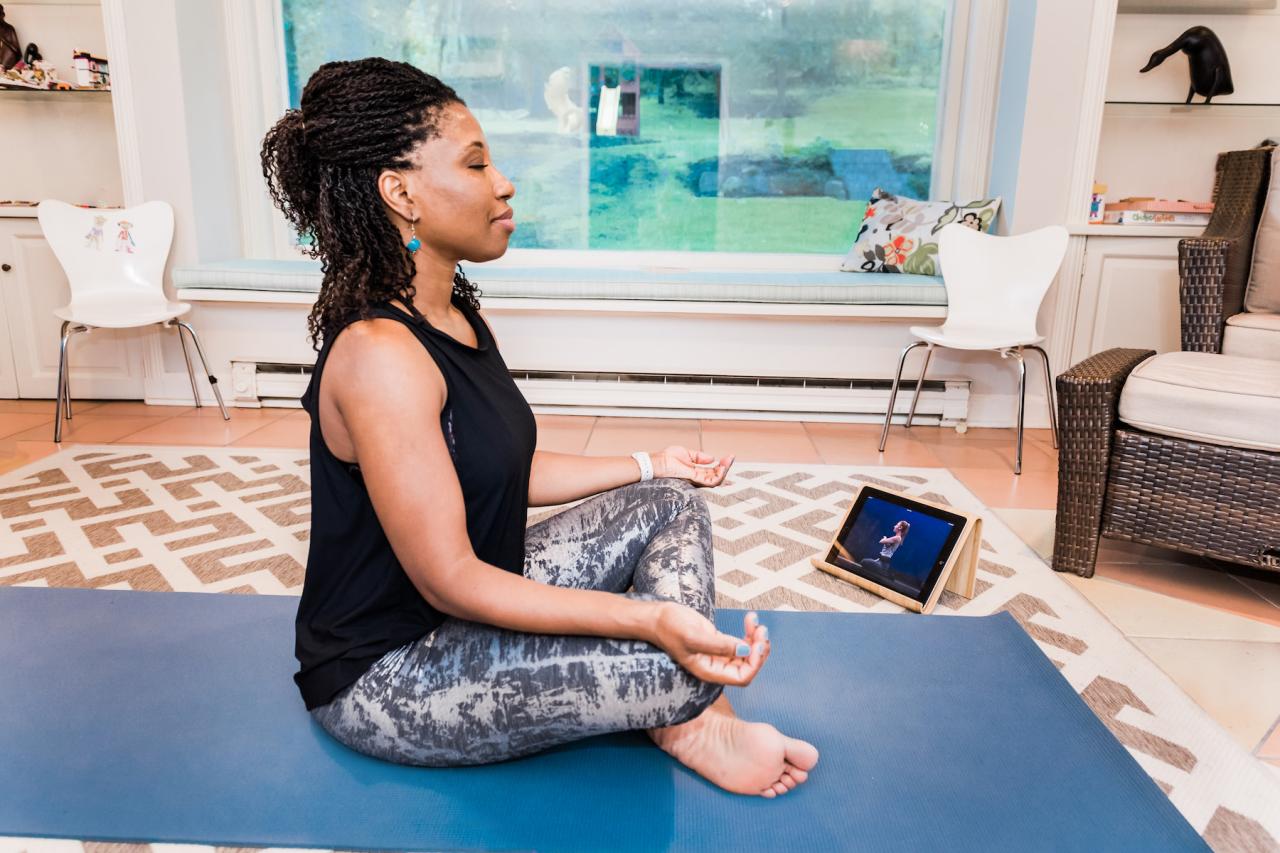
Establishing a proper preparatory routine is essential to fully experience the benefits of meditative practice within your Pilates sessions. Creating a calming environment, setting clear intentions, and organizing necessary essentials lay the foundation for a successful meditation experience. This preparation ensures that your mind is receptive, your body is relaxed, and distractions are minimized, allowing you to deepen your focus and enhance overall well-being during your practice.
Thoughtful preparation transforms your Pilates session into a mindful journey, fostering greater awareness, relaxation, and mental clarity. By following structured steps, you can cultivate an environment conducive to meditation, ensuring that each session is both restorative and empowering.
Creating a Calming Environment
To optimize meditation during Pilates, it is vital to establish an environment that promotes tranquility and focus. This involves controlling sensory inputs and arranging your space to support relaxation. A well-prepared environment minimizes external distractions, enabling you to center your attention inward and achieve a meditative state more effectively.
- Choose a Quiet Location: Select a space where external noise is minimal. This could be a dedicated corner in your home, a quiet room, or a corner of a studio where interruptions are unlikely. The serenity of the environment plays a crucial role in calming the mind.
- Control Lighting and Ventilation: Use soft, natural lighting or dimmed artificial lights to create a soothing atmosphere. Ensure the space is well-ventilated to maintain fresh air, which helps in reducing feelings of heaviness or fatigue.
- Declutter the Area: Keep the space tidy and free from clutter. A clutter-free environment reduces visual distractions, fostering a sense of order and calmness.
- Incorporate Calming Elements: Add elements such as candles, incense, or essential oil diffusers with calming scents like lavender or chamomile. These sensory cues can enhance relaxation and mental focus during meditation.
Setting Intentions Before Each Session
Clear intentions serve as a guiding principle for your meditation within Pilates, aligning your mental focus and physical movements towards specific goals. Setting an intention helps to anchor your mind, deepen your awareness, and cultivate a purposeful practice. It can be as simple as fostering gratitude, enhancing concentration, or cultivating patience.
- Reflect on Your Goals: Before beginning, take a moment to contemplate what you wish to achieve through your session, whether it is mental clarity, emotional balance, or physical relaxation.
- Formulate a Positive Statement: Frame your intention in a positive and present tense manner. For example, “I am fully present in my body” or “I embrace calmness and focus.”
- Visualize the Outcome: Spend a few seconds visualizing yourself experiencing the benefits of your intention, such as feeling centered or relaxed. Visualization reinforces mental commitment.
- Repeat Periodically: During your session, gently revisit your intention to maintain focus and reinforce your purpose, especially if your mind begins to wander.
Organizing Essentials for Meditation Readiness
Having the right essentials prepared ensures a smooth transition into meditation during Pilates. A checklist helps streamline your setup, reducing the likelihood of interruptions and allowing you to focus entirely on your practice.
Below is an organized checklist of essentials:
| Item | Purpose |
|---|---|
| Quiet Space | Minimizes external disturbances, fostering focus and calmness. |
| Comfortable Attire | Allows unrestricted movement and enhances relaxation, such as loose-fitting clothing or yoga wear. |
| Mat or Cushion | Provides physical comfort and support during seated or lying meditation postures. |
| Minimal Distractions | Ensure electronic devices are turned off or on silent to prevent interruptions. |
| Lighting and Aromatherapy | Set mood with soft lighting and calming scents to enhance relaxation. |
| Water and Towel | Stay hydrated and have a towel handy for comfort or cleanup if needed. |
“Preparation is the key to deepening your meditation experience within Pilates, ensuring a tranquil environment that fosters mindfulness and focus.”
Breathing Techniques to Enhance Meditation in Pilates
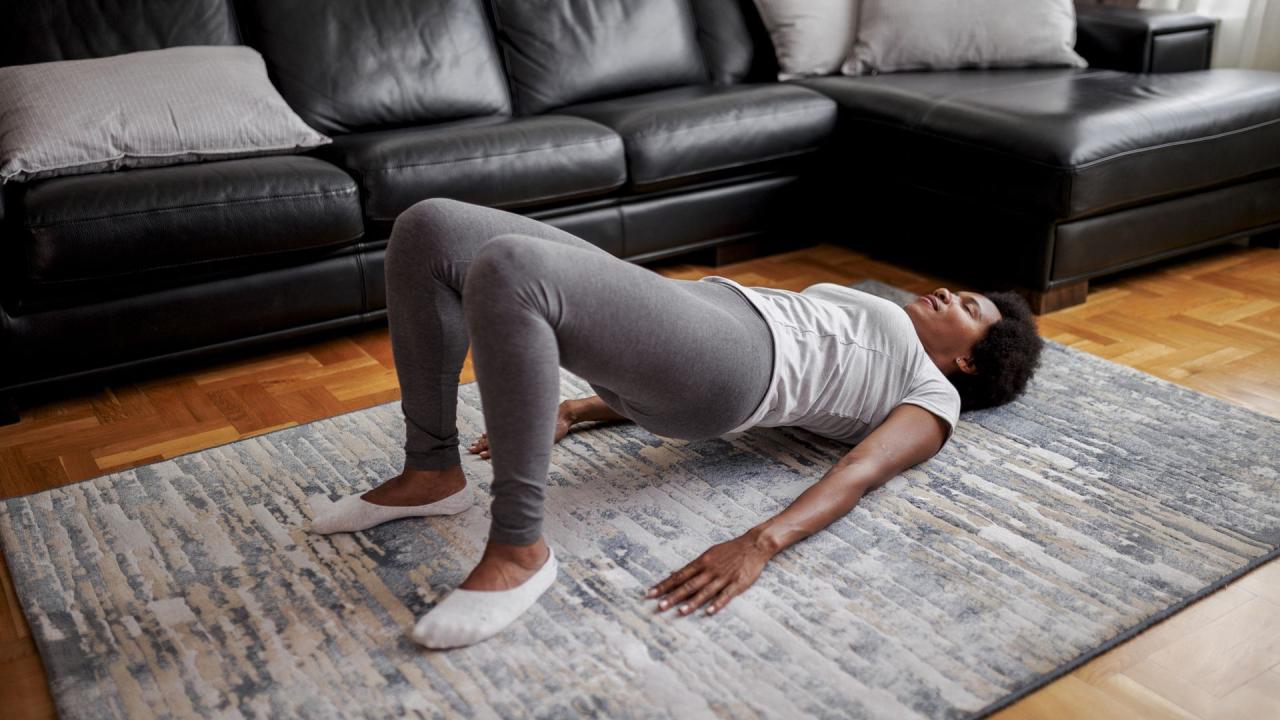
Effective breathing techniques are fundamental to cultivating mindfulness and deepening meditation during Pilates sessions. By mastering specific breath patterns, practitioners can enhance relaxation, improve focus, and synchronize movement with breath for a more integrated practice.
Incorporating various breathing exercises into Pilates can elevate the meditative experience, helping individuals achieve a heightened state of awareness and physical harmony. These techniques foster a calm mental state while optimizing oxygen flow, contributing to both physical and mental benefits of the practice.
Varieties of Breathing Exercises and Their Benefits
Different breathing methods serve specific purposes in enhancing meditation during Pilates. Understanding their unique effects enables practitioners to select the most suitable technique for their goals, whether it’s relaxation, increased focus, or energy renewal.
| Breathing Method | Technique Description | Primary Effects |
|---|---|---|
| Diaphragmatic Breathing | Deep breathing that engages the diaphragm, expanding the abdomen with each inhale and contracting it during exhale. | Promotes relaxation, reduces stress, improves oxygen exchange, and enhances core stability. |
| Box Breathing | Equal-length inhalation, hold, exhalation, and hold phases, typically counting to four for each part. | Increases focus, calms the nervous system, and fosters mental clarity. |
| Alternate Nostril Breathing | Alternately inhaling through one nostril while closing the other, then switching sides smoothly. | Balances the body’s energy, reduces anxiety, and supports emotional stability. |
| Ujjayi Breathing | Constricted throat creates a gentle ocean-like sound during inhalation and exhalation, maintaining a consistent breath flow. | Builds internal heat, enhances concentration, and deepens meditative state. |
Synchronizing Breath with Movement for Deeper Meditation
Integrating breath with Pilates movements fosters a meditative flow that enhances mindfulness and physical engagement. Synchronization prevents mind wandering, promotes smooth transitions, and deepens relaxation.
To achieve effective synchronization, practitioners should focus on conscious, deliberate breathing patterns aligned with each movement phase. For example, during a plank, inhale as the body prepares, and exhale slowly as the core activates and movements are executed. This harmony between breath and motion encourages present-moment awareness and supports a more profound meditative experience.
Coordinate each movement with a corresponding breath cycle to foster mindfulness and amplify the calming effects of meditation during Pilates.
Focus and Mindfulness Strategies
Maintaining unwavering focus and mindfulness during Pilates can significantly deepen the meditative experience, enhancing both physical awareness and mental clarity. Cultivating present-moment awareness allows practitioners to connect more profoundly with their bodies, fostering a sense of calm, concentration, and overall well-being. Employing effective strategies to sustain attention ensures that the benefits of meditation are fully realized throughout each session.An intentional approach to focus involves directing attention exclusively on bodily sensations, breathing patterns, and movement quality.
This heightened awareness minimizes distractions and cultivates a state of mindfulness that permeates the entire practice. Techniques that reinforce concentration serve as mental anchors, helping practitioners stay centered amid physical exertion or external disturbances. Developing these skills not only elevates the meditative quality of Pilates but also translates into improved concentration and stress reduction in daily life.
Maintenance of Present-Moment Awareness
Achieving and sustaining present-moment awareness during Pilates requires deliberate mental engagement with each movement and sensation. Strategies include anchoring thoughts to specific physical cues, such as the feeling of the feet connecting with the mat or the stretch along the spine. Mindfulness in motion involves observing each muscle engagement and release, noticing the quality of breath, and sensing the body’s position in space.
This approach encourages practitioners to remain fully engaged with their practice, preventing the mind from wandering into unrelated thoughts or distractions.To enhance focus, it can be beneficial to set an intention at the beginning of each session, such as cultivating patience or cultivating gratitude for the body’s capabilities. Periodic pauses to check in with bodily sensations serve as mental reset points, helping maintain continuity in attention.
Emphasizing the kinesthetic experience over external visual cues or external noise allows practitioners to deepen their connection to the present moment.
Guided Concentration Techniques for Body Sensations
Fostering concentration on bodily sensations during Pilates involves structured mental cues and guided visualizations. A useful method is to focus sequentially on different body regions or muscle groups, recognizing areas of tension or relaxation. For example, directing attention first to the feet, then upward through the legs, core, arms, and neck ensures comprehensive bodily awareness.Practitioners can employ mental cues such as,
“Feel the weight of your body evenly distributed across your sit bones,”
or
“Notice the gentle expansion and contraction of your chest with each breath.”
These cues serve as anchors, emphasizing sensory experience over external distractions. Additionally, visualizations of energy flowing through the body or imagining a calming light illuminating each part can enhance focus. Such guided techniques help practitioners stay attentive, fostering mindfulness and reducing the likelihood of distraction during complex movements.
Examples of Mental Cues to Redirect Attention
Distractions during Pilates are natural and can momentarily divert focus away from meditative awareness. Having a set of mental cues ready provides effective ways to gently redirect attention back to bodily sensations and the present moment. For instance, when the mind drifts to external noises or internal worries, a practitioner might silently think,
“Return to your breath,”
or
“Feel the contact points of your body with the floor.”
.Other helpful cues include phrases like,
“Observe the sensation of stretch or resistance,”
or
“Focus on the rhythm of your breathing.”
These simple, consistent reminders serve as mental anchors, helping to refocus concentration without judgment or frustration. Incorporating a brief, mindful pause during practice—such as taking a deep breath and noticing its sensation—can reinforce this redirecting process. Over time, these cues become automatic, enhancing concentration resilience and deepening the meditative quality of Pilates sessions.
Incorporating Visualization in Pilates Meditation
Visualization is a powerful tool that can significantly enhance the meditation component within your Pilates practice. By engaging the mind’s eye, practitioners can deepen their focus, foster relaxation, and promote a sense of healing and harmony during their exercises. This technique transforms simple movements into a meditative journey, enriching both physical and mental benefits.
Utilizing visualization involves consciously creating mental images that complement breathing and movement, thereby anchoring attention and encouraging mindfulness. When integrated effectively, visualization helps cultivate a calm, centered state of being, allowing practitioners to experience their Pilates routine more holistically. Whether envisioning energy flowing through the body or imagining tranquil environments, visualization adds a dimension of intentionality and serenity to the practice.
Creating Personalized Visualizations During Exercises
Developing effective visualization practices begins with understanding personal preferences and goals. Each individual can tailor visual imagery to resonate deeply, making the meditation more meaningful and impactful. The process involves intentional mental focus, guided by specific cues that evoke clarity and relaxation throughout the exercise session.
Begin by selecting visual themes that evoke peace, vitality, or healing—such as a flowing river, a radiant sun, or a gentle breeze. As you perform each movement, mentally picture these images, aligning your breath and posture to deepen the immersion. For example, during a stretch, visualize energy streams traveling from your hands or feet, nourishing your entire body. Consistently practice creating vivid mental images, gradually enhancing detail and emotional connection.
Imagining Peaceful Environments or Healing Energy
Visualization of serene environments can significantly enhance the meditative experience, fostering relaxation and mental clarity. Imagine yourself in a tranquil setting—perhaps a quiet forest, a pristine beach, or a peaceful garden. Focus on sensory details such as the sound of gentle waves, the scent of blossoming flowers, or the warmth of sunlight on your skin. These vivid images help anchor your mind, reducing distractions and nurturing a meditative state.
Alternatively, visualization of healing energy involves imagining a luminous, restorative force flowing through your body. Picture this energy as a soft, glowing light or a gentle wave of warmth that begins at your core and radiates outward, healing and energizing tissues and organs. During Pilates exercises, visualize this energy helping to release tension, mend injuries, or rejuvenate strained muscles. This approach not only enhances physical recovery but also cultivates an emotional sense of well-being, making your practice a holistic experience.
Using Mantras and Affirmations During Pilates
Integrating mantras and affirmations into your Pilates routine can deepen your meditative experience, enhance focus, and promote a positive mindset throughout your practice. When used intentionally, these mental tools serve as anchors that support mindfulness, reinforce your intentions, and foster a sense of calm and clarity during movement sequences. By thoughtfully selecting and seamlessly incorporating these verbal anchors, practitioners can elevate their Pilates sessions into holistic mind-body experiences that nurture both physical strength and mental resilience.Effective use of mantras and affirmations during Pilates involves understanding how these verbal cues influence mental states and how to embed them naturally into your routines.
When practiced consistently, they help anchor your attention, reduce distractions, and cultivate an empowering internal dialogue. This technique is especially beneficial during challenging poses or moments requiring sustained concentration, ensuring that your focus remains centered and your energy aligned with your intentions.
Selecting and Crafting Meaningful Mantras
Choosing a mantra or affirmation that resonates personally is crucial for its effectiveness. A meaningful mantra is one that reflects your intentions, goals, or values, and fosters a sense of motivation or tranquility. To select a suitable mantra, consider the following approaches:
- Reflect on Personal Goals: Identify phrases that align with your aspirations, such as “I am strong,” “I am present,” or “Calm and focused.”
- Use Universal Affirmations: Incorporate universally positive statements like “Breathe in confidence,” or “Grace in movement.”
- Keep it Simple and Repetitive: Choose phrases that are easy to remember and repeat without distraction.
- Create Custom Mantras: Develop unique phrases that hold personal significance, such as “My body is capable,” or “Flow with ease.”
To craft an effective mantra, focus on positive, present-tense affirmations that reinforce your desired mental state during practice. Experiment with different phrases, and select the ones that evoke feelings of strength, serenity, or motivation.
Positive Affirmations to Repeat During Pilates
Embedding affirmations into your routine can reinforce confidence, promote relaxation, and cultivate a resilient mindset. Here is a selection of affirmations suitable for repeated use during Pilates movements:
| Affirmation | Purpose |
|---|---|
| “I am grounded and centered.” | Enhances stability and focus during balance poses. |
| “My breath guides my movement.” | Encourages mindful breathing and fluidity. |
| “I move with intention and grace.” | Promotes purposeful and elegant movement. |
| “Strength flows through my body.” | Builds confidence in physical power and endurance. |
| “I am present in each moment.” | Fosters mindfulness and concentration. |
| “I embrace progress over perfection.” | Encourages patience and self-compassion. |
These affirmations can be repeated silently or aloud during transitions or hold positions, serving as mental anchors that support your focus and intention.
Integrating Mantra Recitation Seamlessly with Movement Sequences
To maximize the benefits, mantras and affirmations should be woven naturally into your Pilates routines without disrupting flow or concentration. Consider these strategies for seamless integration:
- Synchronize with Breath: Coordinate recitation with inhalation or exhalation phases. For example, recite “I am calm” during exhalation to promote relaxation.
- Use During Transition Movements: Repeat affirmations during transitions between poses or sets, allowing your mind to reset and refocus.
- Embed in Movement Cues: Attach specific affirmations to particular movements. For instance, say “Strength within” as you transition into a plank or bridge.
- Practice Silent Mentally: Mentally repeat your chosen mantra during challenging exercises to maintain composure and motivation without distracting vocalization.
- Create Personal Rituals: Develop a routine where you start and end your session with specific affirmations, framing your practice in a positive and intentional context.
By attaching these verbal cues to your physical movements, you reinforce the mind-body connection, deepen your awareness, and transform your Pilates session into a holistic meditative experience. The key is consistency and mindfulness—over time, these practices will become intuitive, supporting both your physical and mental well-being.
Timing and Duration for Effective Meditation in Pilates
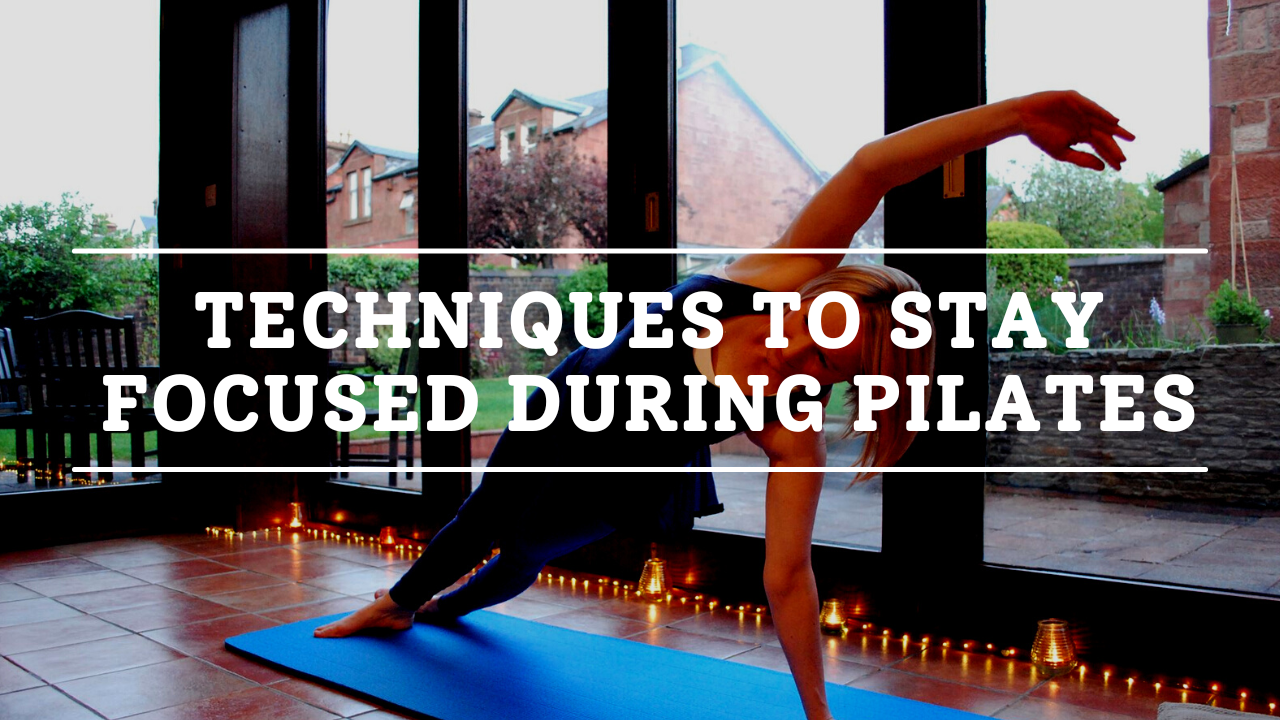
Establishing the appropriate timing and duration for meditation during Pilates sessions is essential to maximize benefits such as enhanced concentration, increased relaxation, and improved overall well-being. Properly timed meditation segments can seamlessly integrate mindfulness into your workout, fostering consistency and deeper mental clarity. Developing a structured approach to meditation duration helps in building sustainable habits, ensuring that each session feels rewarding without causing fatigue or distraction.
Finding the right balance between session length and consistency is key. Short, focused meditation periods can be highly effective, especially for beginners, while gradually extending these intervals can deepen the practice. The goal is to create a routine that aligns with individual preferences and progress, making meditation an integral part of each Pilates session and fostering long-term mindfulness habits.
Optimal Meditation Periods During Sessions
To optimize meditation during Pilates, it is recommended to allocate specific, manageable time slots within your workout routine. Generally, beginning with brief meditation segments of 2 to 5 minutes can effectively cultivate mindfulness without disrupting the flow of the session. As familiarity and comfort grow, these periods can be gradually extended to deepen meditative states and enhance mental clarity.
Incorporating meditation at strategic points—such as immediately after warm-up, between set transitions, or during cool-down—ensures that mindfulness complements physical activity. This approach prevents mental fatigue and allows for better integration of breathing techniques and visualizations practiced during the session.
Gradual Increase of Meditation Duration
Implementing a timetable that progressively extends meditation periods facilitates steady improvement and habit formation. Starting with brief sessions allows individuals to adapt without feeling overwhelmed, and incremental increases maintain engagement and prevent burnout.
- Begin with 2-minute meditations during the first week of your Pilates practice.
- In the second week, extend these periods to 3-4 minutes, focusing on breath awareness and mindfulness.
- By the third week, aim for 5-7 minutes, incorporating visualization or mantra repetition to deepen the experience.
- Gradually increase by 1-2 minutes weekly, adjusting based on comfort level and mental clarity.
For example, a practitioner might start with 2-minute meditation segments post-warm-up, then gradually extend to 5-minute mindfulness pauses during transitions, culminating in 10-minute comprehensive meditation during cool-down. This systematic approach supports sustainable progress and helps integrate meditation seamlessly into the Pilates routine.
Importance of Consistency and Routine
Maintaining a consistent schedule and establishing a routine are fundamental to cultivating effective meditation habits within Pilates practice. Regular meditation sessions reinforce mental discipline, foster deeper mindfulness, and enhance the cumulative benefits of both practices. Consistency ensures that meditation becomes an integral part of the workout, rather than an occasional activity that may be forgotten or overlooked.
Creating a dedicated time, such as before or after each Pilates session, helps develop a habit that becomes automatic over time. Using reminders, a designated meditation space, or integrating mindfulness prompts into your routine can reinforce this consistency. Ultimately, establishing a steady routine ensures that meditation remains a priority, leading to long-term mental and physical harmony.
Creating a Personal Meditation Ritual in Pilates Practice
Establishing a personalized meditation ritual within your Pilates routine can significantly enhance mental clarity, deepen relaxation, and foster a more mindful connection between body and mind. A well-crafted ritual provides consistency, anchors your practice, and cultivates an environment conducive to inner calm and focus. Developing such a routine requires intentionality and reflection on your individual preferences, goals, and lifestyle.
This section guides you through the essential steps to create a meaningful and sustainable meditation ritual tailored specifically to your Pilates practice. From setting intentions to incorporating ritualistic elements, you can craft a routine that resonates with your unique needs and promotes lasting mindfulness benefits.
Steps to Develop a Personalized Meditation Routine
Building a meditation ritual that complements your Pilates sessions involves a deliberate process that ensures both consistency and personal relevance. Consider the following steps to establish your routine:
- Identify Your Objectives: Clarify what you aim to achieve through meditation during Pilates, such as stress reduction, enhanced concentration, or emotional balance. Defining your goals will guide the structure and elements of your ritual.
- Select a Suitable Time: Choose a specific time of day that aligns with your energy levels and schedule. Whether it’s before your Pilates session to set an intention or afterward to consolidate relaxation, consistency in timing fosters habit formation.
- Design Your Environment: Create a dedicated, calming space that minimizes distractions. Consider elements like soft lighting, calming scents, or a comfortable mat to establish a sensory environment conducive to meditation.
- Establish Ritual Components: Incorporate specific practices such as intentional breathing, visualization, or affirmations that resonate with your objectives and enhance mindfulness during your Pilates session.
- Practice Regularly: Commit to a consistent schedule, adjusting as needed to sustain engagement. Even short, daily rituals can accumulate profound benefits over time.
Ideas for Ritualistic Elements
Integrating ritualistic elements into your meditation during Pilates can deepen your practice and foster meaningful engagement. These elements serve to transition you into a mindful state and reinforce your intentions:
- Setting Clear Intentions: Begin each session by silently or aloud stating your purpose, such as “Today, I cultivate patience and presence.” This focus aligns your mind and primes you for mindful practice.
- Specific Breathing Patterns: Use deliberate breathing techniques, such as diaphragmatic breathing or box breathing, to center yourself and regulate your nervous system throughout the session.
- Incorporating Sacred Touch or Posture: Use gentle touch points, like placing hands on your heart or abdomen, to foster awareness of internal sensations. Maintaining purposeful postures can also serve as anchors for mindfulness.
- Use of Symbols or Objects: Incorporate meaningful objects like crystals, incense, or tokens that hold personal significance, reinforcing your ritual’s intention.
- Closing Rituals: Conclude your session with a moment of gratitude, a deep breath, or a gentle stretch to transition back to daily activities with mindfulness.
Checklist to Customize Meditation Practices
To ensure your meditation ritual remains personalized and effective, consider this comprehensive checklist to tailor your practice:
| Aspect | Considerations |
|---|---|
| Objective | Define primary goals, e.g., relaxation, focus, emotional release |
| Timing | Choose time of day that fits your routine and energy peaks |
| Environment | Design a quiet, comfortable space with minimal distractions |
| Breathing Techniques | Select techniques that promote calm, such as deep belly breathing or alternate nostril breathing |
| Ritual Elements | Include intentions, affirmations, visualization, or physical gestures |
| Duration | Decide on session length, ranging from 5 to 15 minutes based on your schedule |
| Tools or Props | Use objects like candles, crystals, or incense that enhance focus and ambiance |
| Closure | Plan a closing gesture, such as a gratitude statement or gentle stretch |
| Frequency | Establish a routine—daily, several times a week, or as needed—to build consistency |
By following these steps, integrating meaningful ritualistic elements, and customizing based on personal preferences, you can develop a sustainable meditation routine within your Pilates practice. This personalized approach not only deepens your mindfulness experience but also nurtures a sense of ownership and consistency that supports long-term well-being.
Summary
Incorporating meditation into your Pilates practice through these nine proven tips can significantly enhance your physical and mental well-being. By creating a mindful routine, setting intentions, and cultivating focus, you pave the way for a more enriching and sustainable exercise journey. Embrace these techniques to transform your workouts into moments of relaxation, self-awareness, and personal growth.