Mastering the art of controlling your breath through meditation can significantly enhance your exercise experience and overall well-being. This practice not only fosters mental focus but also optimizes physical performance by promoting better oxygen management and reducing stress during physical activity.
In this guide, we explore effective meditation techniques centered on breath awareness, provide practical steps for integrating these methods into your workout routine, and highlight the benefits of consistent practice. Whether you’re a beginner or an experienced athlete, understanding how to meditate to control your breath will empower you to achieve greater stamina and mental clarity during your exercises.
Overview of meditation techniques for controlling breath during exercise
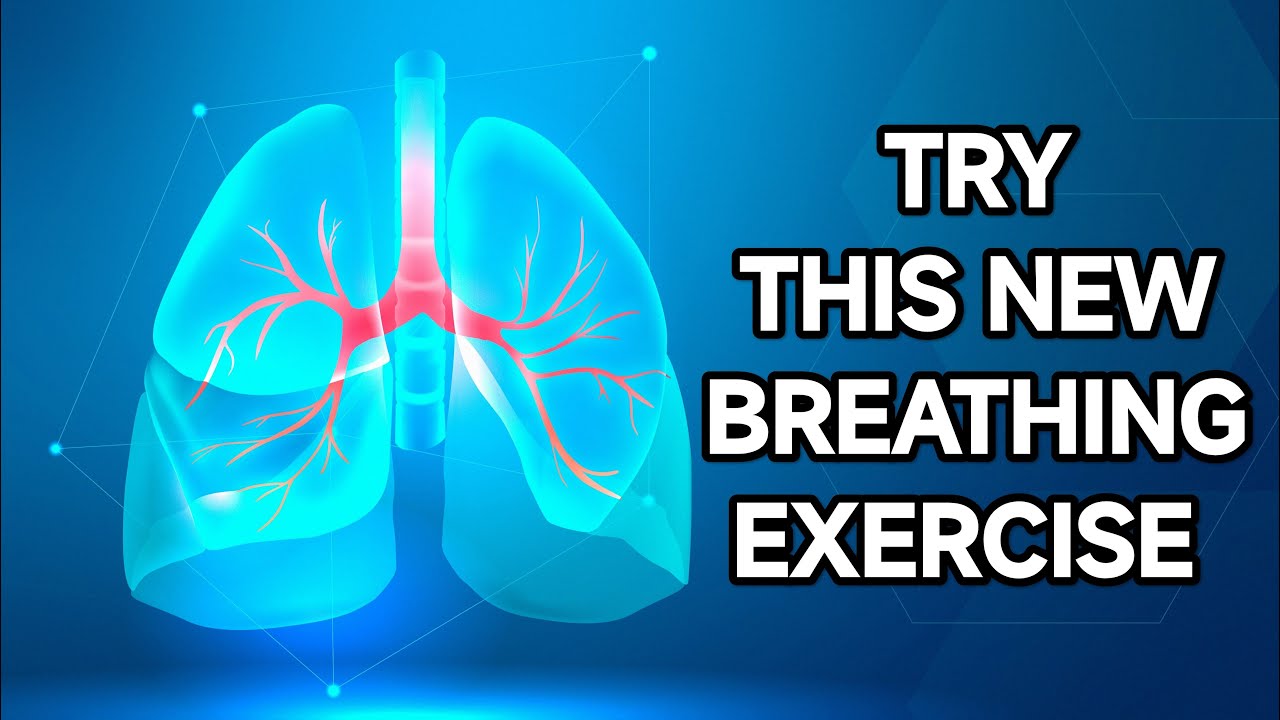
Effective breath control during physical activity is essential for enhancing performance, maintaining endurance, and promoting overall well-being. Incorporating meditation techniques that focus on breath awareness can significantly improve an individual’s ability to regulate breathing patterns, especially during demanding exercise routines. These practices not only support physical conditioning but also foster mental clarity and relaxation, which are vital for sustained activity and recovery.
Different meditation methods emphasize various approaches to mindful breathing, each offering unique benefits suited to different exercise contexts. Understanding these techniques enables practitioners to select the most appropriate method to optimize their physical and mental outcomes. By integrating breathing-focused meditation into exercise routines, individuals can achieve better control, reduce fatigue, and enhance overall resilience.
Common meditation methods for breath awareness in exercise contexts
Practitioners can choose from several meditation techniques that systematically cultivate breath awareness, fostering deeper control and mindfulness during physical activity. These methods vary in focus, technique, and intensity, providing options tailored to individual preferences and exercise goals.
| Meditation Practice | Core Focus | Suitable Exercise Context | Ease of Practice |
|---|---|---|---|
| Diaphragmatic Breathing | Deep belly breathing activating the diaphragm | Cardio, strength training, yoga | Beginner-friendly, highly accessible |
| Box Breathing | Equal inhalation, hold, exhalation, and pause durations | Endurance training, high-intensity workouts | Moderate; requires timing awareness |
| Alternate Nostril Breathing | Balancing energy and calming the nervous system | Yoga, meditation during active rest | Intermediate; focus on breath symmetry |
| Resonant or Coherent Breathing | Breathing at a steady rate to promote calmness | Post-exercise recovery, calming phases | Moderate; requires pacing awareness |
Each of these methods emphasizes conscious awareness of the breath, helping athletes and fitness enthusiasts maintain focus, optimize oxygen intake, and manage exertion levels more effectively. Incorporating such techniques into training routines can lead to improved physical performance and mental resilience, ultimately contributing to a more balanced and mindful approach to exercise.
Step-by-step Guide to Practicing Breath Meditation Before Exercise
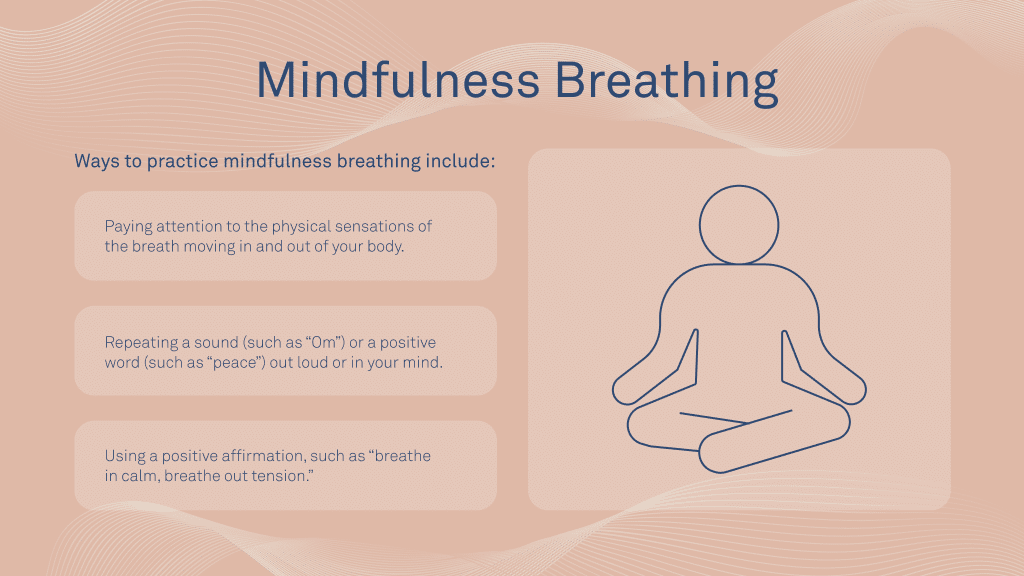
Preparing your mind and body through breath-focused meditation prior to exercise can significantly enhance performance, reduce stress, and improve overall control over physical activity. Establishing a consistent routine ensures that the practice becomes an effective part of your fitness regimen, allowing you to enter your workout with a clear, calm mind and optimal breathing patterns.
This guide provides a detailed, easy-to-follow process for incorporating breath meditation into your pre-exercise routine, emphasizing environment setup, initial positioning, and mindful breathing techniques that set the foundation for effective exercise performance.
Creating an Optimal Environment for Breath Meditation
Establishing a conducive environment is essential for an effective meditation session. A quiet, clutter-free space reduces distractions, enabling full focus on your breath. Consider lighting conditions—soft, natural light or dim lighting can promote relaxation. Maintaining a comfortable temperature prevents physical discomfort, while seated or lying positions should support upright posture or relaxed lying to facilitate diaphragmatic breathing.
“A well-prepared environment nurtures mindfulness and enhances the depth of your meditation practice, allowing you to focus solely on your breath without external disturbances.”
Step-by-step Procedure for Practicing Breath Meditation
- Choose a Quiet, Comfortable Space: Select a location free from noise, interruptions, and strong odors. Ensure the area is clean and inviting, which promotes a sense of calm and focus.
- Set a Specific Time: Dedicate a consistent time, such as immediately before your workout, to establish a routine. Typically, 5 to 10 minutes suffices for effective pre-exercise breath meditation.
- Assume a Relaxed Posture: Sit on a chair with feet flat on the ground, hands resting comfortably on your lap, or sit cross-legged on a mat. Keep your back straight but not stiff, and shoulders relaxed to allow free diaphragmatic movement.
- Close Your Eyes or Maintain Soft Gaze: Gently close your eyes to minimize visual distractions or keep a soft gaze downward, focusing on a fixed point if preferred.
- Begin with Deep Breathing: Take a few slow, deep breaths through your nose, filling your lungs completely, and exhale slowly through your mouth or nose. This signals your body to relax and prepares you for mindful breathing.
- Focus on Your Breath: Shift attention to the natural rhythm of your breathing. Observe the sensation of air entering and leaving your nostrils, the rise and fall of your chest or abdomen, and the overall feeling of breath moving through your body.
- Implement Diaphragmatic Breathing: Place one hand on your chest and the other on your abdomen. Inhale deeply through your nose, allowing your diaphragm to expand downward and your abdomen to rise. Exhale slowly, feeling your abdomen fall. Maintain awareness of this movement throughout.
- Maintain Mindfulness and Gentle Focus: If your mind wanders, gently redirect your attention to your breath without judgment. Consistent focus enhances breath control and mental clarity before exercise.
- Gradually End the Session: After the designated duration, deepen your breath once more, then slowly open your eyes or lift your gaze. Take a moment to feel present and grounded before beginning your workout.
Practicing this sequence regularly helps in cultivating greater awareness and control over your breath, ultimately translating into improved exercise performance and physical endurance.
Visual Flowchart of Meditation Sequence for Beginners
A visual flowchart can serve as a helpful guide, outlining the sequence of steps for beginners to follow during breath meditation before exercise:
- Start: Find a quiet, comfortable space and set a timer for 5-10 minutes.
- Position: Sit upright in a relaxed but attentive posture, with feet flat and hands resting comfortably.
- Relaxation: Close eyes or soften gaze, take a few deep breaths to settle in.
- Focus: Shift attention to natural breathing, observing the sensation of air flow.
- Diaphragmatic Breathing: Inhale deeply through nose, allowing abdomen to expand; exhale slowly and fully.
- Maintain Focus: Gently redirect attention if your mind wanders, staying present with each breath.
- Conclude: When time is up, pause, take a few deep breaths, and transition smoothly into your exercise session.
This structured sequence can be visualized as a flowchart with arrows connecting each step, guiding beginners effortlessly through their breath meditation routine.
Techniques to Synchronize Breath Control with Physical Activity
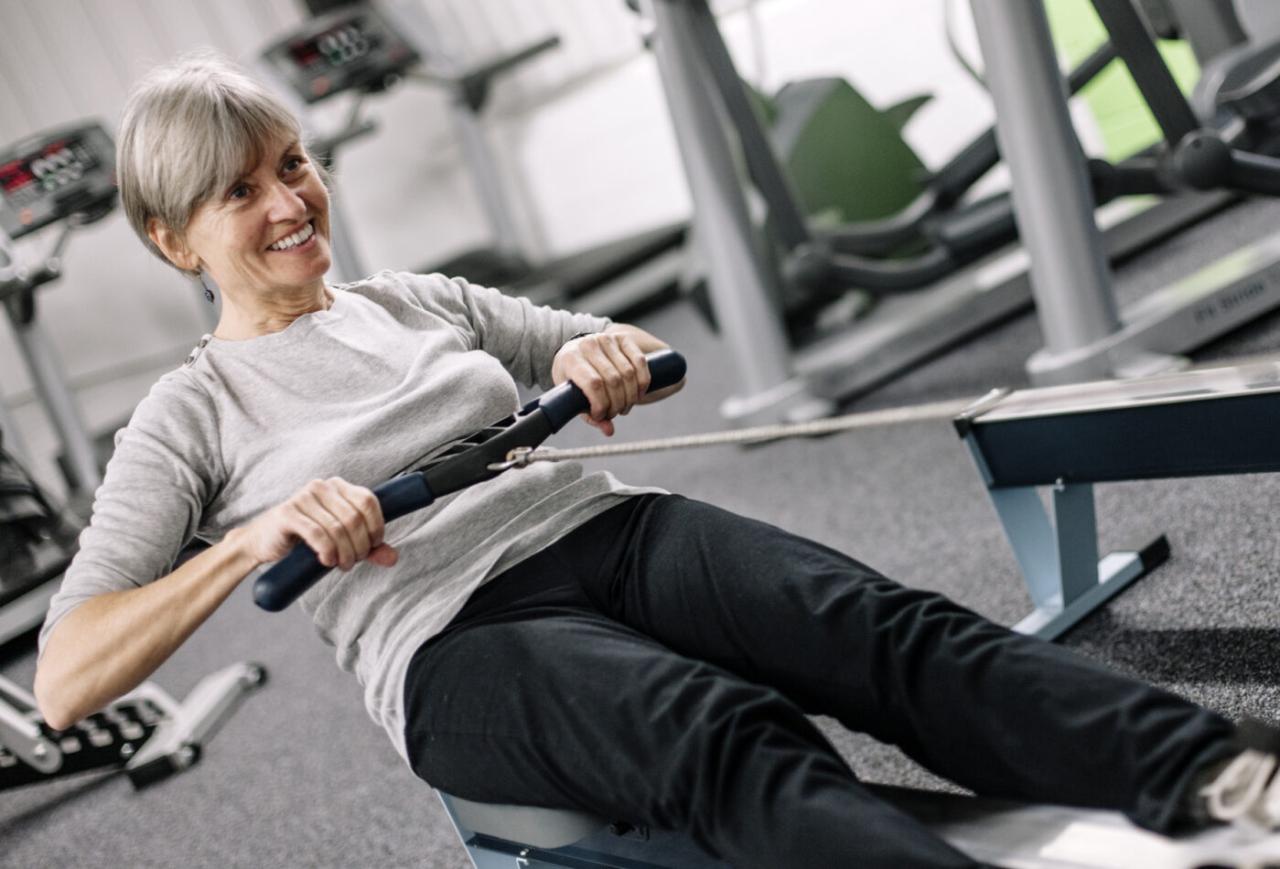
Integrating effective breathing techniques into exercise routines enhances performance, promotes endurance, and reduces the risk of fatigue or injury. Synchronizing breath control with movement ensures that oxygen delivery aligns with physical demands, creating a harmonious flow that optimizes both effort and relaxation.
Proper synchronization involves awareness of breathing patterns in relation to specific movements, which helps maintain steadiness during various intensities of exercise. This practice not only improves efficiency but also fosters mental clarity and focus throughout the workout session.
Integrating Breath Awareness into Exercise Routines
To effectively incorporate breath awareness, athletes and fitness enthusiasts should develop an intentional focus on their breathing patterns during each exercise phase. This integration begins with establishing a baseline of breath control during low-intensity activities and progressively adapting these techniques as intensity increases.
For example, during weightlifting, exhaling during the exertion phase (e.g., lifting the weight) and inhaling during the relaxation phase (e.g., lowering the weight) creates a natural and effective rhythm. Similarly, in cardio activities like running or cycling, maintaining rhythmic breathing—such as a 3:3 or 2:2 pattern—can help sustain stamina and prevent overexertion.
Maintaining Steady Breathing During High-Intensity Workouts
High-intensity exercises demand rapid yet controlled breathing to supply muscles with sufficient oxygen while removing carbon dioxide efficiently. Techniques such as diaphragmatic breathing and pursed-lip breathing are valuable tools in these situations.
Practitioners should focus on deep, abdominal breaths that expand the diaphragm fully, reducing reliance on shallow chest breathing. It is also beneficial to adopt breathing patterns that match the rhythm of the activity, such as breathing every two or three strides during sprinting or interval training. Conscious effort to avoid breath-holding or irregular inhalations/exhalations can significantly improve endurance and performance.
Example Breathing Patterns for Different Exercises
Adapting breathing patterns to various activities enhances coordination and efficiency. Below is an illustrative list that highlights suitable patterns for different types of exercises:
| Exercise Type | Recommended Breathing Pattern |
|---|---|
| Weightlifting (e.g., squats, bench press) | Inhale during the lowering phase, exhale during exertion (lifting phase). |
| Running or Cycling | Rhythmic breathing such as 3:3 or 2:2, inhaling for a set number of steps or pedal strokes, then exhaling for the same. |
| High-Intensity Interval Training (HIIT) | Use pursed-lip breathing during intense intervals to maintain oxygen flow, with relaxed breathing during rest phases. |
| Yoga or Stretching | Deep diaphragmatic breathing, often synchronized with movement, such as inhaling during expansion and exhaling during compression. |
| Swimming | Rhythmic inhalation and exhalation aligned with stroke cycles, such as inhaling during the recovery phase and exhaling underwater. |
“Synchronization of breath and movement enhances athletic efficiency, reduces fatigue, and promotes mental focus, ultimately elevating overall exercise performance.”
Common Challenges in Controlling Breath During Exercise and How to Overcome Them
Maintaining proper breath control during exercise is essential for optimizing performance, reducing fatigue, and preventing undue stress on the body. However, many individuals face common challenges that can hinder effective breathing, especially when they are engaged in physically demanding or dynamic activities. Recognizing these difficulties and implementing targeted strategies can significantly improve breath regulation, even under stress or fatigue.Breath control during exercise often becomes difficult due to physiological, psychological, and environmental factors.
Fatigue, rapid movements, and heightened adrenaline levels can cause breathing patterns to become irregular, shallow, or hurried. Additionally, distractions or mental stress can lead to forgetfulness or neglect of proper breathing techniques. Overcoming these challenges requires understanding their origins and applying practical approaches to maintain steady, controlled breathing throughout workouts.
Difficulty Maintaining Steady Breathing Under Stress or Fatigue
Increased physical exertion and mental stress can cause rapid, shallow breathing, which diminishes oxygen intake and prolongs recovery. To address this, it is important to practice mindful breathing techniques that focus on slowing down and deepening each breath, even during high-intensity moments. Incorporating short breathing pauses during rest periods can help reset breathing patterns, making it easier to regain control when fatigue sets in.
Overcoming Distractions and Maintaining Focus
Distractions in busy or noisy environments may cause exercisers to lose focus on their breathing. Developing a mental cue or anchor, such as silently counting breaths or focusing on a specific muscle group, can help maintain awareness. Regularly practicing breath awareness outside of workouts fosters habitual control, making it easier to stay conscious of breathing during active periods.
Strategies for Improving Breath Regulation During Dynamic Movements
Dynamic exercises involving rapid changes in pace or direction pose unique challenges to breath control. Incorporating pre-exercise breathing routines, such as diaphragmatic breathing or box breathing, can establish a steady rhythm. During workouts, pausing briefly to recalibrate breath patterns or matching breath with movement—such as inhaling during a preparatory phase and exhaling during exertion—enhances synchronization and stability.
Troubleshooting Chart for Common Breathing Issues During Workouts
| Issue | Possible Cause | Recommended Solution |
|---|---|---|
| Shallow or rapid breathing | Fatigue, stress, or overexertion | Pause briefly, practice diaphragmatic breathing, slow down the pace |
| Irregular breathing pattern | Lack of awareness or distraction | Focus on counting breaths, use mental cues, re-establish rhythm |
| Breath holding during exertion | Unconscious response to exertion or fatigue | Introduce deliberate pauses, practice controlled inhalation and exhalation |
| Difficulty synchronizing breath with movement | Complex or rapid movements | Break down movements, coordinate breath with each phase, practice in slow motion |
| Breathing becomes labored or strained | Improper technique or overexertion | Reduce intensity, focus on deep belly breaths, incorporate rest intervals |
Effective breath control during exercise requires awareness, patience, and consistent practice to overcome challenges posed by fatigue, distraction, or technical difficulty. Implementing adaptive strategies and troubleshooting approaches ensures sustainable progress and enhances overall exercise quality.
Benefits of Meditation for Enhancing Breath Control and Exercise Performance
Engaging in regular meditation focused on breath control offers a multitude of physiological and mental advantages that significantly contribute to improved exercise outcomes. By cultivating awareness and mastery over breathing patterns, individuals can enhance their stamina, reduce fatigue, and achieve greater mental clarity during physical activity. This practice serves as a foundation for more efficient movement, better endurance, and heightened focus, ultimately elevating overall exercise performance.
Scientific research underscores the positive impact of consistent meditation on both body and mind. Regular practitioners often report increased lung capacity, more stable heart rates, and reduced stress levels—all factors that facilitate smoother, more controlled breathing during workouts. Mentally, meditation nurtures a calm and focused mindset, which helps athletes and fitness enthusiasts maintain concentration amid challenging training sessions or competitions.
Physiological and Mental Benefits
- Enhanced Lung Function: Meditation promotes diaphragmatic breathing, leading to increased lung capacity and more efficient oxygen exchange. This translates into better endurance during aerobic activities such as running, cycling, or swimming.
- Reduced Stress and Anxiety: Regular breathing meditation lowers cortisol levels and mitigates the effects of stress, helping exercisers stay relaxed and composed, which can improve overall workout quality.
- Optimized Heart Rate Variability: Consistent practice can stabilize heart rhythms, contributing to improved cardiovascular health and better recovery during and after exercise.
- Improved Focus and Concentration: Meditation trains the mind to stay present, reducing mental distractions and enabling athletes to maintain proper breathing patterns even in high-pressure situations.
- Decreased Perception of Fatigue: Breath awareness can modulate sensations of exertion, allowing individuals to exercise longer without feeling overwhelmed by fatigue.
Evidence-Based Insights into Improved Stamina and Focus
Studies have demonstrated that individuals who integrate breath-focused meditation into their routines experience measurable improvements in physical endurance. For example, research published in the Journal of Sports Sciences highlights that athletes practicing diaphragmatic breathing showed increased VO2 max levels—an indicator of aerobic capacity—by up to 10% over a 12-week period. Additionally, neuroimaging studies indicate that meditation enhances activity in brain regions associated with attention and executive function, directly contributing to sustained focus during physical exertion.
Real-life cases, such as marathon runners incorporating meditation, have reported not only better breathing control but also a reduced perception of effort, enabling them to perform at higher intensities for longer durations. These physiological and cognitive enhancements underscore the importance of breath meditation as a strategic tool for athletes seeking to optimize their training and performance.
Practical Exercises and Routines Combining Meditation and Physical Activity
Integrating meditation techniques focused on breath control into physical exercise routines can significantly enhance both performance and overall well-being. Developing structured routines allows practitioners to harness the calming and centering benefits of meditation while simultaneously engaging in physical activity. These routines are designed to foster mindfulness, improve breath regulation, and promote a harmonious connection between body and mind.
By carefully combining meditation with specific workout segments, individuals can optimize oxygen intake, reduce fatigue, and maintain mental clarity throughout their exercise sessions. The following routines provide practical frameworks that blend breath-focused meditation with various types of physical activities, ranging from cardio to strength training, ensuring adaptable and effective practice for diverse fitness levels.
Sample Routines Combining Breath Meditation with Exercise
| Exercise Type | Meditation Focus | Duration | Notes |
|---|---|---|---|
| Warm-Up Cardio (e.g., brisk walking or light jogging) | Deep diaphragmatic breathing to enhance oxygen intake | 5 minutes | Focus on slow, even breaths to prepare the body and mind for the workout |
| Strength Training (e.g., weightlifting, resistance exercises) | Controlled inhalation and exhalation synchronized with movements | 20 minutes | Inhale during the eccentric phase, exhale during the concentric phase |
| High-Intensity Interval Training (HIIT) | Rhythmic breathing to maintain stamina and focus | 15 minutes | Use inhalation during recovery, exhalation during exertion |
| Cool-Down Yoga or Stretching | Mindful breathing with body awareness | 10 minutes | Incorporate slow, deep breaths to facilitate relaxation and recovery |
Below are detailed procedures for each routine, emphasizing the integration of meditation techniques to enhance physical performance and mental clarity during exercise.
Warm-Up Cardio with Breath Awareness
- Begin by walking or jogging at a comfortable pace.
- Shift your attention to your breath, inhaling deeply through the nose, allowing the diaphragm to expand fully.
- Maintain a steady, rhythmic breathing pattern, focusing on the sensation of air filling your lungs and expanding your abdomen.
- Continue this mindful breathing for approximately five minutes, gradually increasing your awareness of your body’s movement and breath synchronization.
Strength Training with Controlled Breathing
- Choose your resistance exercises, such as squats, presses, or deadlifts, and perform them with mindful attention to breath control.
- Inhale slowly during the eccentric phase (muscle lengthening), feeling the air fill your lungs and stabilize your core.
- Exhale gradually during the concentric phase (muscle contraction), engaging your core and maintaining control.
- Repeat this pattern for each set, maintaining a consistent rhythm that supports both exertion and calmness.
High-Intensity Interval Training (HIIT) with Rhythmic Breathing
- Perform high-intensity work intervals, such as sprints or jump squats, with focused attention on your breath rhythm.
- During exertion, exhale forcefully to expel air efficiently; during recovery, inhale deeply to replenish oxygen reserves.
- Establish a breathing pattern that matches your effort level, such as a 2:2 count (two seconds inhale, two seconds exhale).
- Maintain this breathing rhythm throughout the session to support endurance and mental focus.
Cool-Down Yoga or Stretching with Mindful Breathing
- Transition into gentle stretching or yoga poses, focusing your attention on each movement and breath.
- Inhale slowly through the nose, expanding the chest and abdomen fully.
- Exhale completely, releasing tension and calming the nervous system.
- Use slow, deliberate breaths for approximately ten minutes, promoting relaxation and recovery.
Consistent practice of these routines can lead to improved breath control, heightened mental clarity, and enhanced physical performance. It is advisable to start with shorter durations and gradually increase as comfort and proficiency develop, ensuring safety and sustainability in your practice.
Visual and illustrative aids for understanding breath control during exercise

Effective mastery of breath control during exercise benefits greatly from clear visual and illustrative tools. These aids serve as vital references that help individuals visualize proper techniques, understand breathing phases, and develop mental imagery that enhances their ability to regulate breath during physical activity. By utilizing detailed diagrams and mental visualization strategies, practitioners can improve their focus, synchronization, and overall performance.
Incorporating visual aids into practice sessions transforms abstract breathing concepts into concrete images, making it easier to internalize correct techniques. These visualizations support both beginners and experienced athletes in maintaining consistent breath patterns, reducing fatigue, and optimizing exercise outcomes through mindful breathing strategies.
Detailed descriptions of visualizations that depict proper breathing techniques
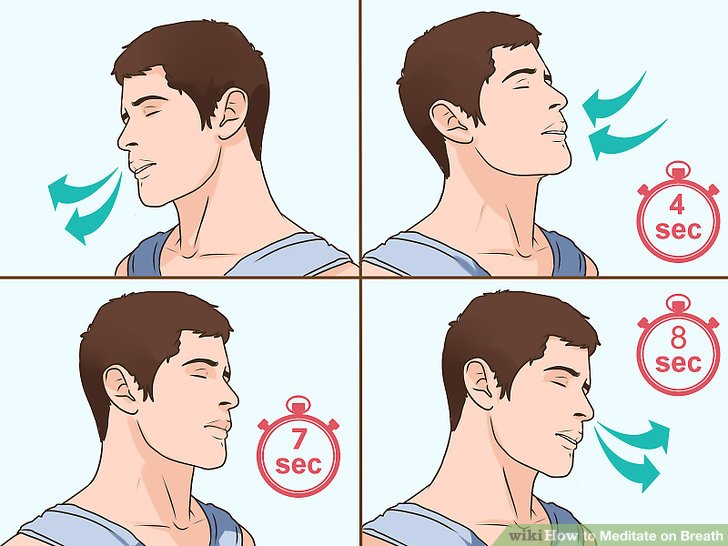
Visualizations of proper breathing techniques involve detailed representations of the inhale, hold, exhale, and recovery phases. These diagrams typically illustrate the movement of the diaphragm, chest expansion, and abdominal engagement during each phase. For example, a diagram may depict a person standing upright with arrows indicating the direction of breath flow: inward during inhalation, sustained during hold, outward during exhalation, and a relaxed state during recovery.
In such illustrations, the inhalation phase is often shown with expanding lung capacity, with the diaphragm descending and the chest cavity enlarging. The hold phase emphasizes a stable core with minimal movement, focusing on controlled retention of breath. The exhalation phase displays the diaphragm rising and the chest returning to a resting position, expelling air smoothly. Lastly, the recovery phase illustrates a brief pause before the next inhalation, reinforcing rhythm and stability.
Tips for creating mental imagery to facilitate breath regulation
Creating vivid mental imagery enhances the ability to regulate breath during exercise by anchoring technical cues into the mind’s eye. To facilitate effective mental visualization, practitioners should focus on detailed and multisensory images that resonate personally. For example, imagining the breath as a calm wave flowing in and out, or visualizing a gentle breeze filling and emptying the lungs, can evoke a sense of ease and control.
Using cues such as the color or temperature of the breath can deepen mental engagement. Visualizing the inhale as a clear, cool stream entering the body and the exhale as a warm, settling breeze exiting can reinforce relaxation and rhythm. Techniques such as visualization of a rising and falling balloon in the abdomen or expanding and contracting a luminous sphere within the chest area further help in developing intuitive breath awareness.
Designing diagrams illustrating inhale, hold, exhale, and recovery phases
Effective diagrams for illustrating breathing phases should be clear, labeled, and easy to interpret. A typical diagram might feature a side profile of a person, with specific markers and arrows indicating each phase:
| Phase | Description | Visual cues |
|---|---|---|
| Inhale | The diaphragm descends, lungs expand, chest rises; air flows into the lungs. | Arrows pointing inward towards the lungs; upward movement of the chest and abdomen. |
| Hold | Breath is retained with the lungs expanded; diaphragm remains lowered, chest steady. | Lines indicating tension points; a pause icon or a clock symbol showing duration. |
| Exhale | The diaphragm ascends, lungs deflate; air exits the body, chest lowers. | Arrows pointing outward from the lungs; downward movement of the chest and abdomen. |
| Recovery | Brief rest period allowing natural regain of normal breathing rhythm. | Relaxed posture illustration; a gentle breathing pattern symbol. |
Incorporating these diagrams into training materials or visual cues during practice helps reinforce correct technique, supports mental focus, and fosters intuitive control of breath during various exercise intensities.
End of Discussion
Incorporating meditation for breath control into your exercise routine offers numerous physiological and psychological advantages, including enhanced endurance, reduced fatigue, and improved focus. By regularly practicing these techniques, you’ll cultivate a deeper connection between mind and body, leading to more effective workouts and a greater sense of well-being. Embrace these methods to elevate your physical performance and mental resilience.