Discovering how to meditate for mindfulness in sports can significantly elevate athletic performance by fostering mental clarity and emotional balance. Incorporating meditation into training routines enables athletes to sharpen focus, manage stress effectively, and maintain a calm, centered mindset during competition. This practice not only benefits physical readiness but also cultivates resilience and mental strength essential for success in various sports disciplines.
Introduction to Mindfulness Meditation in Sports
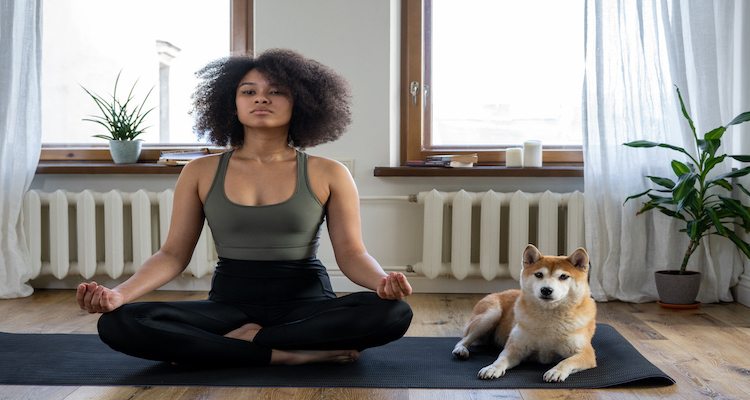
Mindfulness meditation has emerged as a vital tool for athletes seeking to optimize their mental and physical performance. Rooted in ancient contemplative traditions, mindfulness involves paying deliberate, non-judgmental attention to the present moment, including sensations, thoughts, and emotions. In the context of sports, this practice helps athletes cultivate a heightened state of awareness that enhances their ability to perform with clarity and composure under pressure.
Integrating mindfulness meditation into sports routines can significantly influence athletic outcomes by sharpening focus, reducing pre-competition anxiety, and fostering emotional resilience. Athletes who regularly practice mindfulness are better equipped to manage distractions, recover from setbacks quickly, and maintain consistent performance levels. Consequently, mindfulness not only supports peak physical efforts but also nurtures a balanced mental state, contributing to overall well-being and sustained success in sports disciplines.
Significance of Mindfulness Meditation in Athletic Performance
Mindfulness meditation impacts athletic performance by conditioning the mind to operate with heightened awareness and concentration. When athletes cultivate mindfulness, they learn to observe internal and external stimuli without immediate reaction, which enhances decision-making and reaction times during competitions. This mental clarity allows athletes to stay present in the moment, minimizing the effects of negative thoughts, doubts, or emotional disturbances that can impair their performance.
Enhancement of Focus through Mindfulness
The ability to sustain focus is a critical factor in sports, particularly in disciplines requiring precision, quick reflexes, or sustained mental effort. Mindfulness trains athletes to anchor their attention on specific cues, such as their breath, body sensations, or the task at hand, thereby reducing mind-wandering and improving concentration. This heightened focus translates into better execution of skills, strategic awareness, and adaptability during dynamic sporting situations.
Stress Reduction and Emotional Regulation
High-pressure moments in sports often induce stress and anxiety, which can compromise performance and overall health. Mindfulness meditation offers techniques for recognizing and calming stress responses, enabling athletes to maintain composure under pressure. Regular practice fosters emotional regulation, allowing athletes to approach competitions with a balanced mindset, and recover more efficiently from setbacks or mistakes.
Benefits of Incorporating Meditation into Sports Routines
Embedding meditation practices within training regimens offers a multitude of benefits that extend beyond mental clarity. These include improved sleep quality, resilience against burnout, and a greater sense of overall well-being. Athletes adopting mindfulness routines often experience increased self-awareness, which enhances goal setting and motivation. Additionally, mindfulness can serve as a catalyst for developing a deeper connection with one’s body, leading to better injury prevention and recovery.
Preparing for Meditation Practice
Establishing an optimal environment and mindset before engaging in mindfulness meditation is crucial for maximizing its benefits, especially in a sports context. Proper preparation helps athletes cultivate mental clarity, focus, and emotional balance, which directly translate into improved performance and overall well-being. The following guidelines provide a comprehensive approach to creating the ideal setting and mental state for effective meditation practice before sports activities.
Through intentional preparation, athletes can foster a calm and focused mind, reduce pre-competition anxiety, and enhance their readiness to perform at their best. This process involves selecting appropriate physical environments, adopting suitable postures, mastering breathing techniques, and cultivating mental alertness. Consistent pre-meditation routines can also establish a sense of familiarity and discipline, making mindfulness a seamless part of training and competition routines.
Optimal Environment for Meditation
Creating a conducive environment for mindfulness meditation involves choosing a space that minimizes distractions and promotes tranquility. The setting should be quiet, free from noise pollution, and comfortable enough to sustain stillness for the duration of the practice. Many athletes find that a dedicated corner in their home, a quiet outdoor space, or a designated area within training facilities serve well as meditation zones.
Lighting plays a significant role; soft, natural light or dimmed artificial lighting helps foster a calming atmosphere. Temperature control is also essential—neither too hot nor too cold—to maintain physical comfort. Ensuring the space is clean and clutter-free reinforces a sense of order and focus, enabling the mind to settle more easily into meditation.
Proper Posture and Breathing Techniques
The effectiveness of mindfulness meditation heavily relies on adopting the correct posture and engaging in mindful breathing. A comfortable, stable posture allows the body to relax without slouching or strain, facilitating sustained attention and physical ease. Common postures include sitting cross-legged on a cushion, sitting upright on a chair with feet flat on the floor, or kneeling, provided the spine remains straight and relaxed.
Breathing techniques serve as anchors for attention and help regulate the nervous system. Deep, diaphragmatic breathing—where inhalation expands the abdomen—promotes relaxation and oxygenates the body effectively. Athletes often use a simple technique: inhaling slowly through the nose for a count of four, holding the breath briefly, then exhaling gently through the mouth or nose for a count of four. This rhythmic breathing calms the mind and prepares it for focused awareness.
Mental Readiness and Focus
Achieving mental readiness involves cultivating a mindful attitude and setting clear intentions prior to meditation. Athletes should approach the practice without judgment, allowing thoughts and feelings to come and go without attachment. Developing an attitude of openness and acceptance fosters deeper concentration and reduces mental clutter.
To enhance mental focus, athletes can briefly review their goals for the meditation session—such as improving concentration, reducing anxiety, or increasing confidence. Using affirmations or visualizations related to athletic performance can also reinforce a positive mental state. Engaging in a few minutes of gentle body scan or mindfulness of sensations helps transition the mind from pre-activity excitement into a calm, prepared state suitable for both meditation and subsequent sports performance.
Selecting Suitable Times and Locations for Consistent Practice
Consistency in meditation practice is key to building lasting benefits. Athletes should choose times that align with their training schedules and personal rhythms, such as immediately after warm-up, during breaks, or before bedtime. Integrating meditation into daily routines ensures it becomes a habitual part of their athletic lifestyle.
Locations should be predictable and free from frequent disturbances. Establishing a dedicated practice space, whether at home or within the training facility, enhances familiarity and eases the transition into mindfulness. For athletes with busy schedules, even brief sessions—five to ten minutes—at regular times can significantly improve mental clarity and emotional regulation, ultimately contributing to better sporting outcomes.
Techniques for Meditating for Mindfulness in Sports
Developing effective meditation techniques tailored to athletes can significantly enhance their focus, emotional regulation, and overall performance during training and competitions. Different methods cater to varying preferences and needs, allowing athletes to incorporate mindfulness seamlessly into their routines. Understanding and practicing these techniques can foster greater mental resilience and clarity in high-pressure sporting environments.
Below, several prominent meditation methods are Artikeld, each with specific benefits and procedures suited for athletes seeking to improve their mindfulness skills. These techniques can be adapted to different contexts, whether during pre-game preparation, post-training recovery, or as part of daily mental conditioning.
Breath Awareness Meditation
This fundamental technique centers on observing the breath to anchor attention and cultivate present-moment awareness. It is especially beneficial for athletes to manage stress and maintain composure during competitions.
| Description | Duration | Recommended Usage |
|---|---|---|
| Focuses on observing natural breathing patterns without attempting to control the breath, promoting calmness and concentration. | 5 to 15 minutes | Pre-competition preparation or post-training relaxation |
| Encourages awareness of inhalation and exhalation, detecting subtle changes and sensations in the breathing process. | 3 to 10 minutes | During intense training or when feeling anxious |
Step-by-step for Breath Awareness Meditation:
- Find a comfortable seated or lying position in a quiet environment.
- Close your eyes gently, bringing attention to your breath without altering its natural rhythm.
- Observe the sensation of air entering and leaving your nostrils, or the rise and fall of your chest or abdomen.
- If your mind wanders, gently redirect your focus back to your breath, maintaining a non-judgmental attitude.
- Continue this focus for the prescribed duration, gradually increasing time as comfort with the practice develops.
Body Scan Meditation
The body scan technique enhances bodily awareness and helps athletes identify areas of tension or discomfort. By systematically relaxing different muscle groups, athletes can improve physical readiness and mental focus.
| Description | Duration | Recommended Usage |
|---|---|---|
| Involves systematically directing attention through various parts of the body, noticing sensations, and releasing tension. | 10 to 20 minutes | Post-training recovery, injury management, or pre-performance relaxation |
| Helps in developing a mindful connection between mind and body, fostering better movement awareness and injury prevention. | 8 to 15 minutes | During warm-up or cool-down routines |
Step-by-step for Body Scan Meditation:
- Lie down comfortably on your back in a quiet, distraction-free space.
- Close your eyes and take a few deep breaths to settle into your body.
- Begin by directing your attention to your toes, noticing any sensations or tension.
- Gradually move your awareness upward through your legs, hips, abdomen, chest, arms, neck, and finally your head.
- At each area, observe sensations without judgment, and if tension is detected, imagine it dissolving with each exhale.
- Continue this process slowly and mindfully until you reach the top of your head.
Focused Attention Exercises
Focused attention meditation involves concentrating on a single object, sound, or thought, which fosters deep concentration and mental clarity. For athletes, this method enhances the ability to maintain focus amidst distractions and pressure.
| Description | Duration | Recommended Usage |
|---|---|---|
| Centers on sustained attention to a specific object such as a mantra, a visual focus point, or a sound like a gong or bell. | 5 to 20 minutes | Pre-competition routines, mental training, or during downtime |
| Enhances concentration, reduces mental chatter, and cultivates a calm, alert state of awareness. | 7 to 15 minutes | Practiced regularly during training sessions or mental drills |
Step-by-step for Focused Attention Exercises:
- Choose a focal point, such as a specific object, mental mantra, or sound.
- Sit comfortably and close your eyes if using a mental focus or fix your gaze steadily on the object.
- Bring your full attention to the chosen focal point, observing it with gentle curiosity.
- If your mind drifts, acknowledge the distraction without judgment and gently redirect your attention back to the focal point.
- Continue practicing for the desired duration, gradually increasing the length as your concentration improves.
Incorporating Meditation into Sports Training
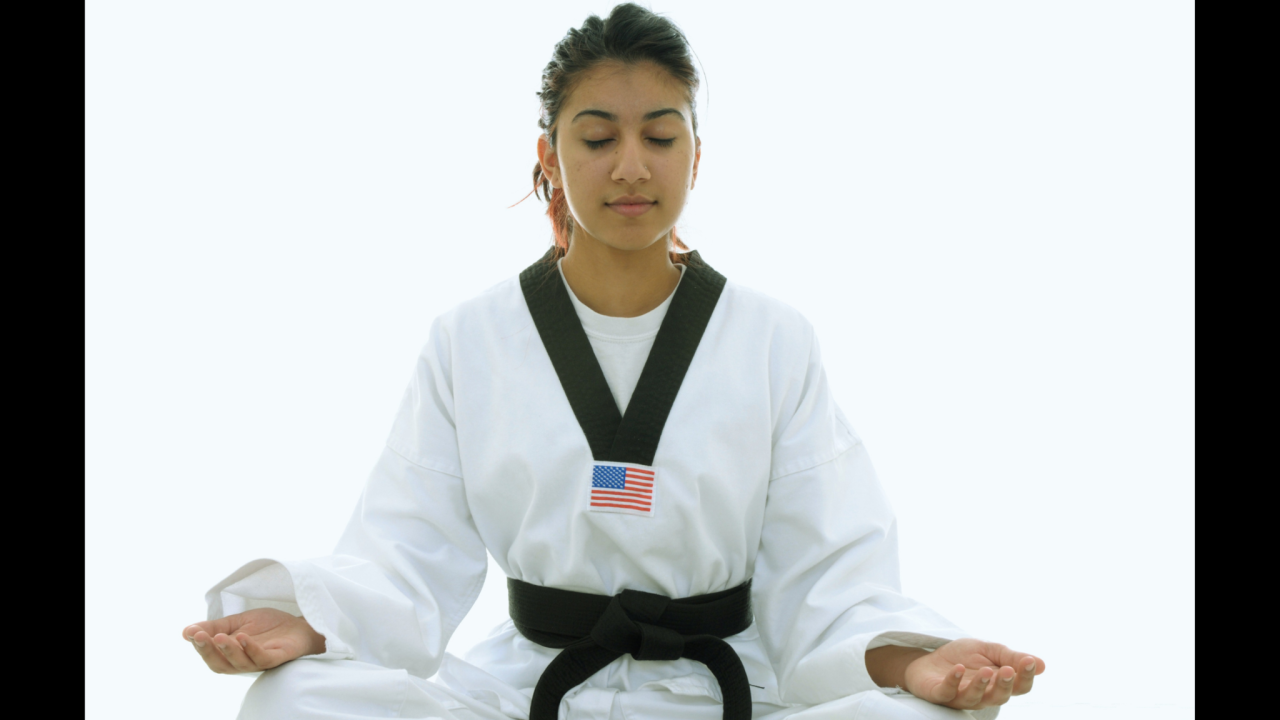
Integrating meditation into athletic routines offers a practical approach to enhance focus, reduce performance anxiety, and improve overall mental resilience. When strategically embedded into training schedules, brief meditation sessions can significantly contribute to an athlete’s mental clarity and physical recovery. This integration requires thoughtful planning to ensure that meditation complements, rather than interrupts, the flow of training programs, ultimately fostering a balanced approach to physical and mental development.Meditation practices can be seamlessly incorporated into the warm-up and cool-down phases of training sessions, serving as valuable tools for mental preparation and recovery.
Additionally, developing a consistent post-training mindfulness routine supports ongoing mental stability and physical recuperation. Personalizing meditation schedules to align with individual training goals and schedules further optimizes their benefits, allowing athletes to cultivate mental discipline and resilience over time.
Integrating Short Meditation Sessions into Warm-ups and Cool-downs
Embedding short meditation sessions into the beginning and end of training routines helps athletes prepare their minds and facilitate recovery. During warm-ups, a 3-5 minute mindfulness practice can center attention, reduce pre-competition anxiety, and enhance focus on upcoming physical activity. Techniques such as mindful breathing or body scans help athletes become present and mentally ready before intense exertion.In the cool-down phase, dedicating 5-10 minutes to meditation promotes relaxation and aids in physical and mental recovery.
Focused breathing exercises or guided meditations that emphasize releasing tension can reduce cortisol levels and facilitate quicker muscle recovery. Coaches and athletes should aim for consistency, making these mindful pauses a routine component of every training session to maximize mental benefits.
Post-Training Mindfulness Practices for Recovery and Mental Clarity
Post-training mindfulness routines serve as essential tools for enhancing recovery, reducing stress, and fostering mental clarity. These practices can include guided meditation sessions focusing on gratitude, body awareness, or visualization techniques. Such practices help athletes process their training experience, identify areas for improvement, and cultivate a positive mindset.A recommended routine involves 10-15 minutes of seated mindfulness meditation immediately following training.
Athletes may focus on deep diaphragmatic breathing, noticing physical sensations, or visualizing successful performance outcomes. Incorporating reflective journaling or gentle stretches alongside meditation can further deepen mental and physical relaxation, leading to improved mood, reduced fatigue, and enhanced overall performance.
Developing a Personalized Meditation Schedule Aligned with Training Goals
Creating a tailored meditation schedule involves considering individual athletic goals, training intensity, and recovery needs. Athletes should identify specific objectives such as improving focus, managing anxiety, or accelerating recovery, and then adapt meditation practices to support these aims.A practical approach includes setting aside dedicated time slots—such as early mornings, pre- or post-training periods, or evening routines—that fit seamlessly into daily schedules.
The duration and type of meditation can vary based on personal preference and available time, ranging from brief 5-minute breathing exercises to longer guided sessions. Tracking progress and adjusting practices based on feedback and results ensure that the meditation routine remains relevant and effective. Utilizing apps or guided recordings can facilitate consistency and provide structure as athletes develop their personalized mindfulness schedules.
Strategies for Maintaining Consistency and Progress
Maintaining a regular meditation practice is essential for athletes aiming to enhance their mindfulness and overall performance. Establishing sustainable habits requires deliberate strategies that foster motivation, track advancements, and address common obstacles. When athletes integrate these approaches into their routines, they can experience steady growth and long-lasting benefits from mindfulness meditation in sports settings. Consistency not only supports skill development but also cultivates resilience, focus, and mental clarity essential for peak athletic performance.To sustain a meditation routine over time, athletes need effective methods to stay motivated and committed.
Progress tracking allows them to observe improvements, understand their evolving needs, and refine their practices accordingly. Addressing challenges such as distractions or limited time is also crucial to prevent lapses and maintain momentum. Implementing these strategies ensures that meditation serves as a reliable tool for mental training within their overall athletic regimen.
Motivational Methods to Sustain Regular Meditation
Maintaining motivation is fundamental to consistent meditation practice. Athletes can benefit from setting clear, achievable goals that align with their sports aspirations, such as enhancing focus during competitions or reducing pre-game anxiety. Visualizing the positive outcomes of regular meditation, like improved concentration or emotional stability, reinforces their commitment. Establishing accountability through peer support groups, coaching, or meditation partners encourages ongoing participation, as sharing experiences fosters community and motivation.Personalizing meditation sessions to resonate with individual preferences enhances engagement.
For example, some athletes may find guided meditations more motivating, while others prefer silent practices. Recognizing small milestones, such as completing a week of daily practice, provides a sense of achievement that sustains momentum. Regularly reminding oneself of the benefits—improved performance, better stress management, and overall well-being—serves as an ongoing incentive to persevere.
Techniques for Tracking Progress and Adjusting Practices
Monitoring progress helps athletes recognize the impact of their meditation routines and identify areas for improvement. Using a journal or digital app to record the duration, frequency, and subjective experiences during each session offers valuable insights. Athletes can note changes in focus, emotional regulation, or physical sensations, creating a feedback loop that informs adjustments.Periodic review of these records enables athletes to evaluate their progress objectively and make necessary modifications.
For instance, if meditation sessions become less effective due to distractions, they might experiment with different times of day or environment adjustments. Incorporating varied techniques like body scans, breathing exercises, or visualization can prevent monotony and address evolving needs. Establishing a flexible approach ensures that meditation remains relevant and effective as the athlete’s skills and circumstances change.
Overcoming Common Challenges in Meditation Practice
Distraction, time constraints, and psychological barriers are common hurdles faced by athletes practicing mindfulness meditation. Developing strategies to mitigate these challenges enhances consistency. To combat distractions, athletes can designate a quiet, comfortable space dedicated solely to meditation, minimizing external interruptions. Creating a ritual or routine—such as setting a specific time each day—helps signal the importance of the practice and conditions the mind to focus.Time limitations can be addressed by shortening sessions rather than skipping them entirely.
Even five-minute mindfulness exercises can yield benefits and fit into busy schedules. Prioritizing and scheduling meditation within daily routines, such as during warm-ups or post-training cooldowns, maintains regularity. For psychological barriers like impatience or self-doubt, athletes should practice self-compassion, recognizing that progress varies and that persistence is key. Using guided meditations or mindfulness apps can provide structure and support during challenging moments, making the practice more approachable and sustainable.
Case Studies and Examples
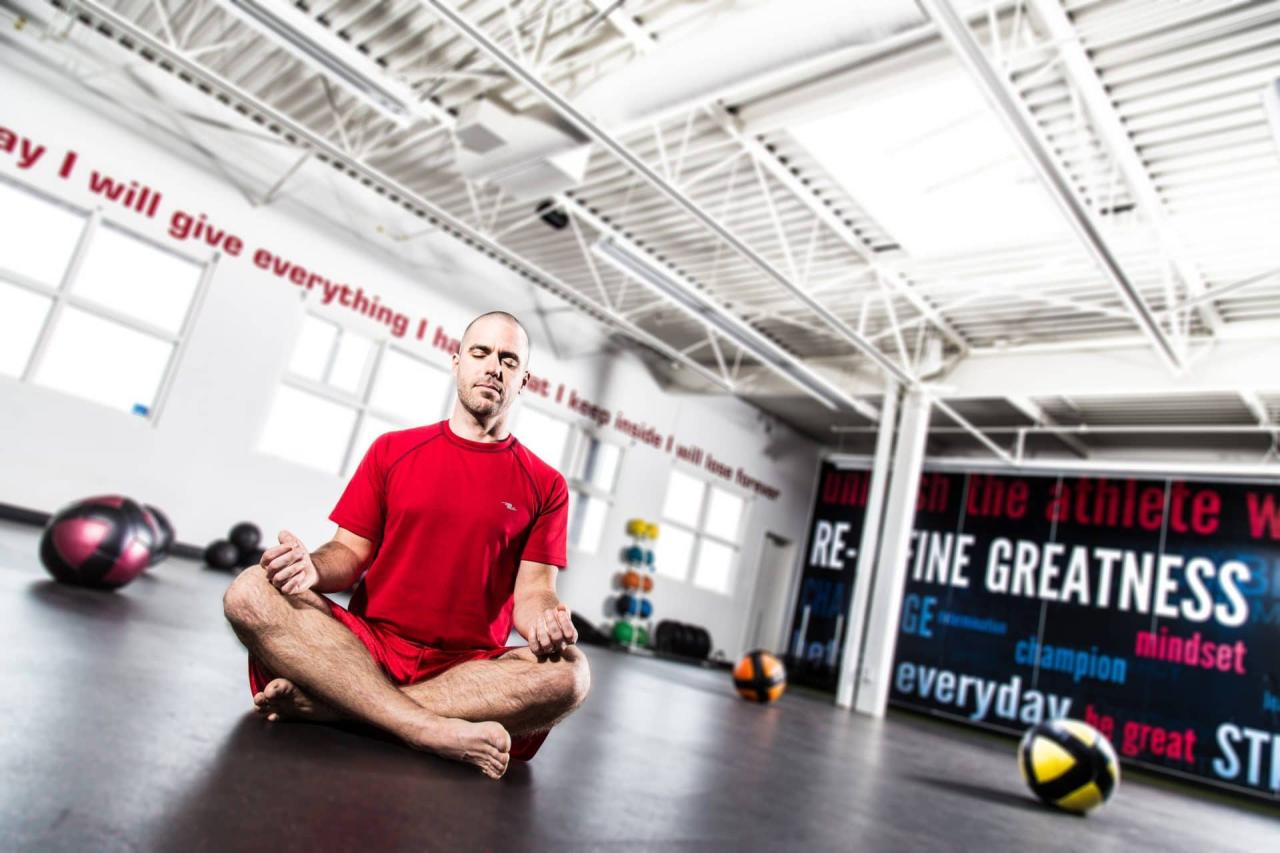
This section highlights real-world applications of mindfulness meditation in sports, demonstrating how athletes across various disciplines have integrated these practices to enhance their performance. Examining these examples provides valuable insights into practical strategies and the tangible benefits derived from consistent meditation routines. These case studies serve as inspiration and a roadmap for athletes seeking to incorporate mindfulness into their training regimens effectively.Mindfulness meditation has become an increasingly vital component in the training protocols of top-tier athletes, leading to improvements in focus, emotional regulation, and resilience under pressure.
The following examples illustrate how athletes adapt meditation practices to their specific sports, showcasing diverse routines and outcomes that underline the versatility and efficacy of mindfulness techniques.
Elite Athletes and Their Meditation Routines
The adoption of mindfulness meditation by high-performance athletes demonstrates its capacity to optimize mental clarity and physical execution across different sports domains. These routines are tailored to meet the unique demands of each discipline, often involving specific durations, techniques, and timings aligned with training schedules.
- Novak Djokovic (Tennis): Djokovic incorporates a daily 15-minute mindfulness meditation session focused on breath awareness and body scanning. This routine helps him maintain calm during high-stakes matches and recover more swiftly from stressful situations. His consistent practice is credited with improving concentration and reducing performance anxiety.
- Serena Williams (Tennis): Williams practices guided visualization and mindfulness breathing exercises before matches, especially during tournaments. Her routine involves listening to pre-recorded meditations that focus on mental calmness, preparing her to stay present and focused under immense pressure.
- Michael Phelps (Swimming): Phelps uses mindfulness meditation to manage anxiety and enhance mental resilience. His routine involves a combination of focused breathing and affirmations, practiced daily and especially before competitions, helping him stay centered amid intense physical and mental demands.
Sports Domains and Adapted Meditation Practices
Different sports require tailored meditation routines that address their unique mental and physical challenges. Understanding how these practices are adapted offers insight into their versatility and effectiveness across disciplines.
- Team Sports (Soccer, Basketball): Athletes in team sports often focus on improving collective focus and emotional regulation. Meditation sessions may include group mindfulness exercises, visualization of team strategies, and breathing techniques to foster cohesion and reduce stress during high-pressure moments.
- Individual Sports (Golf, Martial Arts): Practitioners emphasize personal focus, precision, and emotional control. Routine practices involve detailed visualization of performance scenarios, body scans to enhance awareness, and breathing exercises to maintain composure during critical moments.
- Endurance Sports (Marathon Running, Cycling): Athletes incorporate mindfulness to sustain mental stamina over extended periods. Techniques include rhythmic breathing and mindfulness during physical activity, allowing them to stay present and manage discomfort effectively.
Examples of Meditation Routines in Sports Teams
Some professional teams and training groups have incorporated structured meditation routines to enhance overall team performance, cohesion, and mental resilience.
“Consistent mindfulness practice among team members leads to improved focus, reduced anxiety, and better communication on the field.” — Sports Psychology Research
For example, the Golden State Warriors, an NBA team, introduced daily mindfulness sessions led by a sports psychologist. These sessions included brief guided meditations, breathing exercises, and visualization techniques. Players reported increased focus during games and a noticeable decrease in on-court emotional outbursts, leading to more cohesive team dynamics.
Similarly, the German national soccer team integrates mindfulness exercises into their training routines, emphasizing breath awareness and mental imagery before matches. This approach helps players maintain calmness and focus during high-pressure situations, translating into improved match performance and consistency.
Visual and Descriptive Elements for Better Understanding
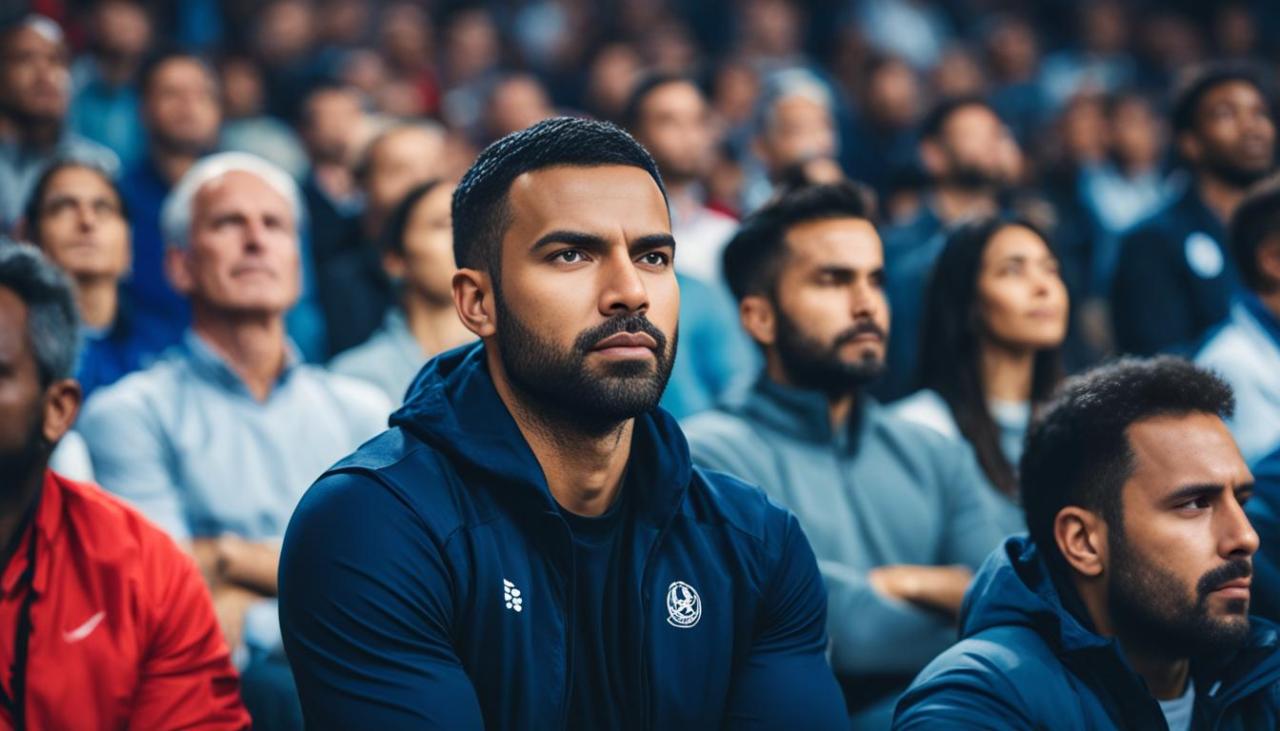
Incorporating vivid visual and sensory descriptions enhances the learner’s ability to grasp meditation techniques for athletes. By creating clear, detailed scenes and visual guides, practitioners can better internalize the process, leading to more effective implementation during training and competition. Descriptive imagery also helps in developing instructional materials that resonate with athletes, fostering engagement and consistency in practice.
Detailed visual and descriptive elements serve as powerful tools to bridge the gap between theoretical understanding and practical application. They enable coaches and athletes to mentally simulate meditation scenarios, improving focus and preparedness. Crafting rich, sensory-rich descriptions makes abstract concepts tangible, reinforcing the mental imagery necessary for successful mindfulness meditation in sports contexts.
Illustrative Scenes Showing Athletes Meditating Pre- and Post-Competition
Creating illustrative scenes involves depicting athletes in different stages of meditation, capturing both the physical environment and mental state. For pre-competition meditation, envision an athlete seated comfortably in a quiet, sunlit locker room or on the sidelines, eyes gently closed, shoulders relaxed, and hands resting softly on their lap. The atmosphere is calm and focused, with subtle sounds of ambient noise—perhaps distant chatter or the hum of stadium equipment—fading into the background.
The athlete’s face reflects serenity, embodying a state of centered anticipation, prepared to channel calmness and focus before stepping onto the field.
In contrast, post-competition scenes show athletes in a different setting—perhaps seated on a bench or lying on a mat in a quiet corner of the training facility. Their posture is relaxed but alert, with deep, slow breaths visible in their chest. The environment might feature natural elements like greenery or a shaded area, emphasizing tranquility. The athlete’s mental state radiates a sense of relief, mindfulness, and reflection, as they process the event and recover their mental balance.
The atmosphere underscores a transition from high tension to peaceful acceptance, vital for mental recovery and future performance readiness.
Sensory-Rich Descriptions of Meditation Atmospheres and Postures
To facilitate effective mental imagery, detailed sensory descriptions are essential. When describing an athlete meditating in a competitive environment, highlight the subtle sounds—the gentle rustling of clothing, the distant call of a referee, or the rhythmic pounding of footsteps. The air might carry a faint scent of sunscreen, grass, or sweat, grounding the scene in a tangible reality. Visual cues such as the athlete’s upright yet relaxed posture, with shoulders down, spine straight, and hands resting gently on the thighs, reinforce proper technique.
The soft glow of natural light or dimmed artificial lighting helps set a tranquil mood, aiding focus.
The mental state during meditation can be conveyed through descriptions of a calm mind, characterized by a gentle focus on breathing or a specific mantra. The sensation of inhaling fresh air, filling the lungs completely, and exhaling slowly to release tension, can be vividly described. The feeling of warmth from the sun, the coolness of a shaded area, or the textured feel of a meditation cushion provides additional sensory cues that can deepen the practitioner’s engagement with the scene.
Crafting Visual Guides or Infographics on Meditation Techniques
Effective visual guides simplify complex meditation techniques into digestible, step-by-step illustrations. These guides may include clear, labeled diagrams showing correct posture—such as sitting cross-legged or on a chair with feet flat, hands resting gently on knees, and spine aligned. Arrows can indicate the direction of relaxed shoulders and the flow of breath. Infographics should also depict environmental cues, like choosing a quiet space, using natural light, or incorporating calming colors like blue and green to evoke tranquility.
In addition, visual guides can feature a sequence of images illustrating each phase of meditation—initial posture, breathing cycle, mental focus, and transition out of meditation. Incorporating icons or symbols, such as a lotus flower for serenity or a clock indicating timed sessions, helps reinforce key points. Using consistent color schemes and simple, intuitive layouts ensures the guides are user-friendly, promoting uniform understanding and practice among athletes of varying experience levels.
End of Discussion
In summary, integrating mindfulness meditation into sports routines offers a powerful approach to achieving peak performance while promoting overall well-being. By consistently practicing the techniques discussed, athletes can enhance their focus, reduce anxiety, and foster a resilient mental state, ultimately leading to improved results and a more fulfilling athletic experience.