Practicing meditation after cardio workouts is a valuable approach to enhance overall wellness, supporting mental clarity and physical recovery. Understanding the proper timing, preparation, and techniques can significantly maximize the benefits of integrating meditation into your post-exercise routine. This guide offers a comprehensive overview of how to effectively meditate after cardio sessions, ensuring a balanced and restorative experience.
Introduction to Meditating after Cardio Workouts
Integrating meditation into your post-cardio routine can significantly enhance your overall health and wellness. While cardio exercises elevate your heart rate and boost physical endurance, following up with meditation helps to calm the mind, reduce stress, and promote faster recovery. This harmonious combination supports both your mental and physical well-being, creating a balanced approach to fitness.
Meditating after cardio sessions offers numerous benefits, including mental clarity, emotional stability, and improved focus. It also facilitates physical recovery by reducing cortisol levels and encouraging muscle relaxation. Understanding the optimal timing for meditation after cardio is crucial to maximize these benefits. Generally, waiting a few minutes after finishing your workout allows your body to transition from an active state to a resting one, making meditation more effective.
Benefits of Post-Cardio Meditation
Engaging in meditation following cardiovascular activity provides an opportunity to harness the physiological and psychological gains from your workout. This practice can help stabilize your heart rate, lower blood pressure, and ease muscle tension accumulated during exercise. Additionally, meditation enhances mental clarity by calming the nervous system, which often remains heightened after intense physical activity. These combined effects foster a sense of balance, promote faster recovery, and prepare your mind and body for subsequent daily tasks or rest.
Timing for Effective Meditation Post-Cardio
Choosing the right moment to meditate after cardio is vital for achieving optimal benefits. It is advisable to wait approximately 5 to 10 minutes after completing your workout. During this period, your breathing gradually returns to normal, and your heart rate begins to stabilize. This transition phase allows your body to shift from a state of exertion to relaxation, making meditation more accessible and effective.
For some individuals, a longer cool-down period might be necessary, especially after high-intensity sessions, to ensure complete recovery before engaging in meditation.
Preparing the Body for Meditation After Cardio
Transitioning from a vigorous cardiovascular session to a calming meditation requires intentional preparation to optimize comfort and effectiveness. Properly cooling down, hydrating, nourishing, and creating an ideal environment are essential steps to facilitate a seamless shift from physical exertion to mental relaxation.
Implementing a structured approach to prepare your body ensures that you can fully experience the benefits of post-cardio meditation, such as reduced stress, improved focus, and enhanced recovery. The following guidelines provide a comprehensive step-by-step process to help you achieve this transition smoothly and effectively.
Cooling Down the Body Effectively Before Meditation
Gradually reducing your heart rate and loosening your muscles is vital to prevent sudden discomfort and promote relaxation. Cooling down should be a deliberate process that prepares your body physically and mentally for meditation.
- Engage in low-intensity activity for 5-10 minutes, such as slow walking or gentle cycling, to gradually decrease your heart rate.
- Incorporate deep, diaphragmatic breathing during the cool-down to promote oxygen flow and calm the nervous system.
- Perform gentle movements that stretch major muscle groups involved during cardio, like the legs, hips, and back, to release tension.
- Allow your body to rest in a seated or lying position for a few moments post-exercise, focusing on breath awareness and bodily sensations.
Checklist for Hydration and Nutrition Pre- and Post-Cardio
Maintaining proper hydration and nutrition before and after your workout supports optimal recovery and prepares your body for meditation. A balanced approach addresses energy levels, electrolyte balance, and muscle recovery.
Proper hydration and nutrition are foundational to effective post-cardio meditation, enhancing relaxation and reducing physical discomfort.
- Consume water or electrolyte drinks before exercising to stay hydrated, especially in hot or humid environments.
- Ingest a small, carbohydrate-rich snack post-exercise to replenish glycogen stores and stabilize blood sugar levels.
- Incorporate foods rich in magnesium, potassium, and calcium (like bananas, nuts, or leafy greens) to support muscle relaxation.
- Limit caffeine and alcohol intake around workout times, as they can interfere with hydration and relaxation.
- Ensure adequate hydration continues after exercise by drinking water or herbal teas, aiming for at least 8oz within 30 minutes.
Organizing a Sequence for Stretching and Relaxing Muscles
Stretching and muscle relaxation are crucial to ease post-cardio physical tension, making meditation more comfortable and effective. Adopting a systematic sequence ensures all major muscle groups are addressed with sufficient focus.
- Begin with gentle neck stretches, tilting the head side-to-side and gently rolling the shoulders to release tension accumulated from upper body movement.
- Proceed to dynamic stretches for the legs, such as leg swings or gentle lunges, to loosen tight hip and thigh muscles.
- Perform static stretches, holding each for 20-30 seconds, targeting areas like the hamstrings, calves, quadriceps, and lower back.
- Incorporate torso twists and gentle spinal stretches to relax the core and back muscles.
- End with deep diaphragmatic breathing and progressive muscle relaxation, systematically tensing and releasing muscle groups to induce calmness.
Adjusting the Environment for Meditation Comfort
The environment plays a significant role in achieving a peaceful meditation experience after cardio. Optimal conditions reduce external distractions and create a space conducive to relaxation.
- Maintain a comfortable temperature, ideally between 68-72°F (20-22°C), to prevent discomfort from heat or cold.
- Control lighting by dimming lights or using soft, warm illumination to promote a sense of calm.
- Minimize noise by choosing a quiet location, using noise-canceling headphones if necessary, or incorporating peaceful sounds like nature recordings.
- Ensure the space is clean, clutter-free, and free from interruptions, allowing your focus to remain inward.
- Use comfortable seating, such as a meditation cushion or chair with proper back support, to sustain comfort during longer meditation sessions.
Techniques and Methods for Post-Cardio Meditation
After engaging in cardiovascular exercise, adopting appropriate meditation techniques can significantly enhance recovery, reduce stress, and deepen relaxation. Different methods cater to varied preferences and fitness levels, allowing individuals to customize their post-workout mindfulness practices effectively. Selecting the right technique not only facilitates mental clarity but also promotes physical recovery by calming the nervous system and reducing muscle tension.
Among the most effective techniques are mindfulness meditation, guided meditation, and body scan practices. Each offers unique benefits and experiences, making it essential to understand their characteristics to select the most suitable approach after cardio workouts. Personalization of these techniques can lead to more consistent practice and greater overall benefits, especially when incorporating tailored breathing exercises that intensify the relaxation response.
Mindfulness Meditation
Mindfulness meditation involves paying focused attention to present-moment sensations, thoughts, and feelings without judgment. It encourages awareness of bodily sensations, breathing patterns, and environmental sounds, fostering a sense of calmness and clarity. This technique is highly adaptable, requiring minimal resources and can be practiced seated or lying down, making it ideal immediately after cardio sessions when the body is energized yet in need of relaxation.
Typical mindfulness practices include focusing on the breath, observing bodily sensations, or noting thoughts and emotions as they arise. Regular practice has been shown to reduce stress hormones, improve emotional regulation, and enhance overall mental health. Post-cardio, this technique helps transition the body from exertion to a state of tranquility without overwhelming the nervous system.
Guided Meditation
Guided meditation involves listening to an instructor-led session, either through recordings or live guidance, where prompts direct attention and visualization. It often includes imagery, affirmations, or relaxation cues designed to deepen the meditative state. This approach is especially helpful for beginners or those who find it challenging to maintain focus independently, providing structure and support during post-exercise relaxation.
Guided imagery, for instance, might involve visualizing a peaceful beach or lush forest, helping to divert attention from physical fatigue and invigorate the mind with positive associations. The presence of an external guide can make the practice more engaging and easier to sustain, leading to enhanced relaxation and stress reduction following cardio routines.
Body Scan Meditation
The body scan technique systematically directs attention through different parts of the body, from head to toe or vice versa. It helps identify areas of tension accumulated during exercise and promotes conscious relaxation of muscles. The detailed focus can facilitate a profound sense of calm and bodily awareness, making it particularly effective after high-intensity cardio sessions where muscle fatigue is evident.
This method encourages a gentle acknowledgment of sensations without judgment, fostering a connection between mind and body. Incorporating body scans in post-cardio routines can accelerate muscle recovery, ease soreness, and deepen overall relaxation by promoting parasympathetic nervous system activation.
Comparative Effectiveness and User Experience
Each meditation technique offers distinct advantages tailored to individual preferences and needs. Mindfulness meditation is versatile, accessible, and suitable for those seeking mental clarity and stress relief with minimal instruction. Guided meditation provides structured support, making it preferable for beginners or individuals preferring external guidance. Body scan meditation offers a focused, tactile approach that enhances bodily awareness and relaxation, especially beneficial after physically demanding workouts.
The effectiveness of these methods varies based on personal engagement and consistency. Mindfulness meditation may lead to quicker stress reduction for experienced practitioners, whereas guided sessions can be more approachable for newcomers. The body scan often yields immediate physical relaxation and is highly effective for muscle recovery. Combining techniques or alternating them according to mood and fitness level can optimize outcomes and enrich the meditation experience.
Personalizing Meditation Practices
Personalization is crucial to maintaining a sustainable meditation routine post-cardio. Factors such as fitness level, physical condition, personal preferences, and available time should inform the choice of technique. Beginners might prefer guided sessions to establish confidence, while advanced practitioners could integrate mindfulness or body scans into their routines for greater depth.
Adjusting meditation duration, selecting preferred environments, and experimenting with different techniques can enhance engagement. For example, a high-intensity athlete might favor shorter, invigorating guided meditations or body scans to expedite recovery, whereas someone focusing on stress management may opt for longer mindfulness sessions. The key is to listen to one’s body and mind, tailoring practices that resonate, facilitate relaxation, and support ongoing fitness goals.
Incorporating Breathing Exercises
Breathing exercises serve as a foundational component in post-cardio meditation, helping deepen relaxation and stabilize heart rate. Techniques such as diaphragmatic breathing, box breathing, or 4-7-8 breathing can be seamlessly integrated into various meditation styles to enhance their effectiveness.
Diaphragmatic breathing encourages full oxygen exchange, calming the nervous system and reducing post-exercise adrenaline levels. Box breathing involves inhaling, holding, exhaling, and pausing in equal counts, promoting mental clarity and stress relief. The 4-7-8 technique, inhaling for four seconds, holding for seven, and exhaling for eight, facilitates sleep readiness and relaxation.
“Deep, controlled breathing enhances parasympathetic nervous system activation, accelerating recovery and fostering a profound sense of calm.”
Practicing these breathing exercises during meditation can be as simple as focusing on the breath’s rhythm, gradually increasing duration and depth over time. This combination not only deepens relaxation but also improves respiratory efficiency, making post-cardio meditation more beneficial and enjoyable.
Designing a Meditative Environment for Post-Workout Practice
Creating an optimal environment for meditation after cardio sessions is essential to deepen relaxation, enhance focus, and promote overall well-being. The space you choose and how you arrange it significantly influence the effectiveness of your meditation practice. By thoughtfully organizing your surroundings, you can transition smoothly from physical exertion to mental calmness, making your post-cardio meditation more restorative and enjoyable.
An ideal meditative environment combines visual serenity, sensory comfort, and minimal distractions. It should evoke a sense of tranquility that encourages you to unwind and reconnect with your inner self. This setup not only enhances your meditation experience but also helps establish a consistent routine, fostering long-term benefits for body and mind.
Organizing Space with Visual and Sensory Elements
Effective arrangement of your meditation space involves selecting calming visual and sensory elements that promote relaxation. These elements should create a sanctuary-like atmosphere, free from clutter and visual chaos, allowing your mind to settle easily into meditative states.
| Items Needed | Purpose and Placement |
|---|---|
| Mat or Meditation Cushion | Placed centrally on a clean, flat surface to provide comfort and stability during seated meditation. |
| Additional Cushions or Bolsters | Arranged around the main cushion for support, or stacked to elevate the hips if seated cross-legged, enhancing comfort during longer sessions. |
| Ambient Lighting | Soft, warm lighting such as dimmable lamps or candles positioned to avoid glare, creating a soothing glow conducive to relaxation. |
| Natural Elements | Incorporation of plants, stones, or a small water feature to ground the environment in nature, fostering tranquility and mindfulness. |
Visual clarity and sensory comfort are crucial. Ensure that the space is organized with minimal clutter to prevent unnecessary distractions. Use neutral or earthy colors in decor, as they naturally promote calmness. Including personal items like a favorite statue, a meaningful object, or calming artwork can also deepen your connection to the space, making meditation a cherished part of your post-cardio routine.
Sound Considerations for a Calming Atmosphere
The auditory environment plays a vital role in guiding the mind into a relaxed state. Carefully curated soundscapes can mask disruptive noises and help maintain focus during meditation.
Natural sounds, ambient music, or gentle instrumental tunes are preferred for post-cardio meditation. The key is to select sounds that are unobtrusive and soothing, allowing your attention to settle inward without distraction.
Position speakers or sound sources strategically to ensure even and gentle sound distribution throughout the space. If using natural sounds like flowing water or bird songs, consider a dedicated device or a high-quality speaker placed at a comfortable distance from your sitting area to avoid overwhelming volume. Background music should be at a low volume, providing a subtle auditory backdrop that complements your breathing and meditation techniques.
In environments where external noise is unavoidable, noise-canceling headphones or earplugs can be useful to create a controlled soundscape. Alternatively, nature recordings or white noise machines can produce a consistent auditory environment that fosters focus and relaxation.
Incorporating Mindfulness and Breathing Exercises
Engaging in mindfulness and controlled breathing exercises after cardio workouts can significantly enhance the recovery process, promote relaxation, and reinforce mental clarity. These practices help calm the nervous system, reduce residual adrenaline, and foster a sense of inner calm, making them essential components of a well-rounded post-cardio routine. When integrated thoughtfully, they support both physical recovery and mental well-being, helping you transition smoothly from high-energy exercise to a tranquil meditative state.To maximize their benefits, it’s important to organize a sequence of breath awareness and mindfulness practices that are simple, effective, and easy to follow.
This structured approach not only enhances relaxation but also cultivates present-moment awareness, making your post-workout meditation more profound and restorative.
Organizing a Sequence of Breathing Exercises to Calm the Nervous System
Post-cardio, the nervous system can remain in a heightened state due to adrenaline and increased heart rate. A sequence of calming breathing exercises can help shift from sympathetic activation (fight-or-flight) to parasympathetic dominance (rest-and-digest). Begin with slow, diaphragmatic breathing, progressing to more refined practices such as box breathing or alternate nostril breathing, which are proven to decrease cortisol levels and stabilize heart rate variability.Start with deep belly breaths, inhaling through the nose for a count of four, holding for a count of four, then exhaling slowly through the mouth for a count of six.
Repeat this cycle for several minutes until a sense of calm begins to settle in. Incorporating gentle extensions of exhalation significantly enhances parasympathetic activation, aiding in relaxation and recovery.
Mindfulness Practices Focusing on Bodily Sensations and Mental Clarity
Mindfulness practices after cardio can deepen your awareness of bodily sensations and mental states, fostering a sense of clarity and presence. These practices involve paying deliberate attention to physical sensations such as the breath, heartbeat, or the feeling of the body resting on the ground. This focus cultivates acceptance and reduces mental chatter, helping you stay grounded in the present moment.A common approach involves body scan meditation, where you systematically direct awareness to each part of the body, observing sensations without judgment.
Paired with breath awareness, this practice allows you to notice the physical effects of exercise and recovery, reinforcing a connection between body and mind. Such practices cultivate patience, reduce stress, and promote a sense of holistic well-being essential for recovery.
Guided Breathing Patterns with Step-by-Step Timing and Posture Cues
Implementing structured guided breathing patterns enhances focus and efficacy in calming the nervous system. Here is an example of a simple yet effective breathing pattern suitable for post-cardio recovery:
- Posture: Sit comfortably with your back straight, shoulders relaxed, and feet flat on the ground. Rest your hands on your lap or thighs.
- Inhalation: Breathe in slowly through the nose for a count of four, feeling the air expand your diaphragm and chest.
- Pause: Hold the breath gently for a count of four, maintaining awareness of the inhalation’s completion.
- Exhalation: Exhale slowly and completely through the mouth for a count of six, allowing your body to relax further with each exhale.
- Repeat: Continue this cycle for 5-10 minutes, maintaining a steady, gentle rhythm.
Throughout the practice, keep your focus on the breath, consciously releasing tension with each exhale. Visual cues, such as imagining the breath as a wave rolling in and out, can enhance concentration and deepen relaxation.
Embedding Mindfulness into the Routine During Post-Cardio Recovery
Embedding mindfulness into your post-cardio meditation can be seamlessly achieved by integrating brief moments of awareness during natural pauses in your routine. For instance, as you transition from physical activity to seated or lying positions, take a moment to notice how your body feels, observing sensations like warmth, heaviness, or lightness without judgment.Use breath awareness as a foundation—each time you inhale, bring attention to the expanding chest or belly; with each exhale, release tension and negative thoughts.
You can also incorporate mindful observation of your surroundings, noting sounds, smells, or textures present during your recovery space. Consistently practicing this mindful approach helps create a lasting habit, making the meditation an intuitive and restorative part of your post-cardio routine, empowering you to maintain mental clarity and emotional balance throughout the recovery process.
Common Challenges and Solutions When Meditating After Cardio
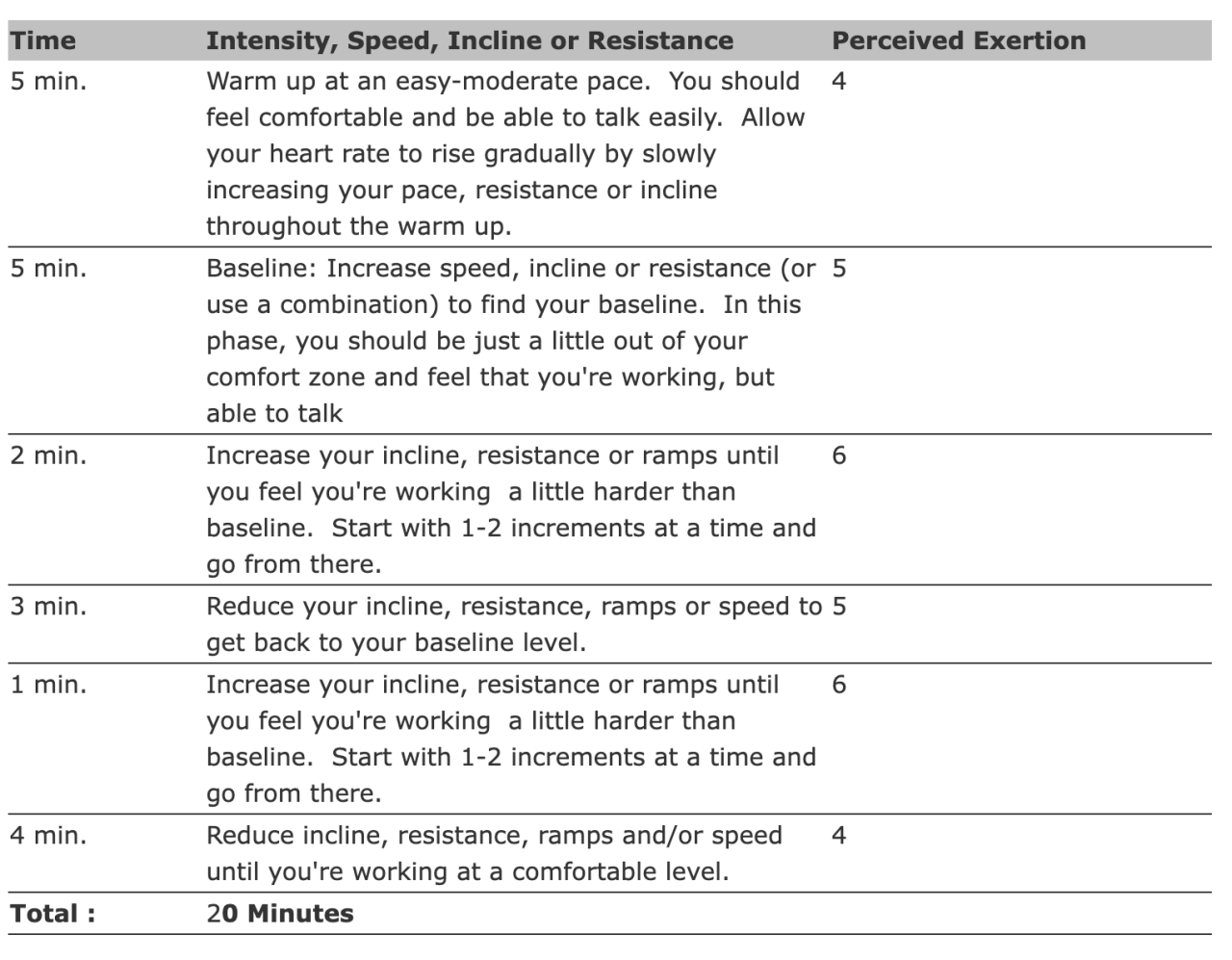
Engaging in meditation immediately after cardio workouts can greatly enhance recovery, mental clarity, and overall well-being. However, this practice often presents unique challenges that may hinder the effectiveness of your session. Recognizing these difficulties and implementing targeted solutions can help you establish a consistent and rewarding post-cardio meditation routine. The following guidance aims to identify common issues faced during this practice and offer practical strategies to overcome them, ensuring that your efforts remain sustainable and beneficial.Post-cardio meditation can sometimes be disrupted by physiological and psychological factors such as fatigue, distraction, or discomfort.
These challenges are natural, especially when your body is still in a state of exertion or recovery. Addressing these issues proactively can improve your ability to relax, focus, and deepen your meditation experience. In this section, we explore typical obstacles, analyze their root causes, and recommend effective solutions to help you maintain a steady and effective post-workout meditation practice.
Challenges, Causes, and Solutions
| Challenge | Potential Causes | Effective Solutions |
|---|---|---|
| Fatigue and Exhaustion | Overexertion during cardio, inadequate hydration, lack of proper nutrition prior to workout |
|
| Distraction and Restlessness | Residual adrenaline, racing thoughts, environmental disturbances |
|
| Physical Discomfort or Pain | Muscle soreness, tightness, or injury from cardio or improper positioning |
|
| Difficulty Maintaining Focus | Post-exercise adrenaline, mental fatigue, overstimulation |
|
| Motivational Challenges and Consistency | Lack of immediate results, busy schedules, waning interest |
|
| Physical Limitations or Restrictions | Injuries, chronic conditions, limited mobility |
|
Implementing these strategies can significantly enhance your ability to meditate effectively after cardio sessions. By understanding the root causes of potential difficulties, you can tailor your approach to fit your unique circumstances and physical capabilities. Staying motivated and committed to your routine requires patience and persistence; recognizing progress, however small, reinforces your dedication. Remember that flexibility in technique and environment allows you to adapt to varying conditions, ensuring your post-workout meditation remains a beneficial and enjoyable component of your fitness journey.
Creating a 20-Point Routine for Consistent Practice
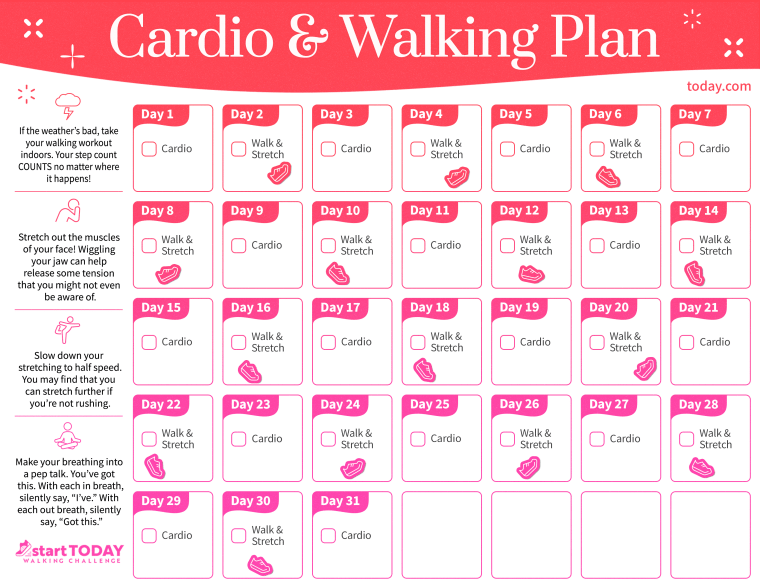
Establishing a structured routine for post-cardio meditation ensures that the practice becomes a regular, sustainable part of your wellness regimen. A well-designed routine not only promotes consistency but also enhances the quality of meditation, leading to better mental and physical benefits over time. By carefully planning each step with designated time allocations, individuals can develop habits that fit seamlessly into various schedules, whether busy mornings or evening wind-downs.
This detailed checklist serves as a flexible blueprint adaptable to individual preferences and lifestyle constraints. It encourages mindful engagement with each component, fostering discipline while allowing room for personal adjustments. Tracking progress through simple methods like journaling or digital logs helps identify areas for improvement, ensuring the routine remains effective and motivating.
Designing Your Post-Cardio Meditation Routine: A 20-Point Checklist
Below is a comprehensive step-by-step routine, formatted as a clear table, to facilitate easy implementation and consistency. The routine emphasizes a balance between preparation, meditation, reflection, and adjustment, with suggested time allocations for each step. Remember, flexibility is key; modify durations and steps to suit your schedule while maintaining the core principles of mindful practice.
| Step | Duration | Notes |
|---|---|---|
| 1. Cool Down After Cardio | 5 minutes | Begin with light stretching or walking to gradually lower your heart rate. |
| 2. Hydrate | 2 minutes | Drink water to rehydrate and prepare the body for meditation. |
| 3. Find a Quiet Space | 2 minutes | Choose a comfortable, distraction-free environment for practice. |
| 4. Adjust Posture | 3 minutes | Sit comfortably with a straight spine, whether on a chair or cushion, ensuring relaxation and alertness. |
| 5. Set an Intention | 2 minutes | Clarify your purpose for meditation, such as mindfulness, relaxation, or gratitude. |
| 6. Close Eyes and Focus on Breath | 3 minutes | Begin with deep, diaphragmatic breaths to center yourself. |
| 7. Practice Deep Breathing Exercises | 5 minutes | Incorporate techniques like box breathing or 4-7-8 method to deepen relaxation. |
| 8. Engage in Body Scan | 5 minutes | Systematically observe sensations from head to toes, releasing tension. |
| 9. Incorporate Mindfulness or Guided Visualization | 10 minutes | Use a guided meditation or focus on present sensations to deepen awareness. |
| 10. Gradually Return to Awareness | 2 minutes | Gently bring attention back to surroundings, avoiding abrupt movements. |
| 11. Express Gratitude or Reflection | 2 minutes | Note positive feelings or insights gained during practice. |
| 12. Maintain Consistency | Throughout the routine | Practice at the same time daily to build habit and reinforce benefits. |
| 13. Record Your Experience | 2 minutes | Use a journal or app to note feelings, challenges, and progress. |
| 14. Adjust Routine as Needed | Weekly or Monthly | Review and modify durations or steps to enhance comfort and effectiveness. |
| 15. Incorporate Post-Meditation Journaling | 3 minutes | Reflect on emotional state, physical sensations, or insights. |
| 16. Share Experiences (Optional) | Variable | Join groups or forums to exchange tips and support accountability. |
| 17. Use Visual Reminders | Placement around space | Place inspiring quotes or images to reinforce routine commitment. |
| 18. Set Reminders or Alarms | Device notifications | Help remember practice times and maintain consistency. |
| 19. Celebrate Milestones | As achieved | Acknowledge progress, such as one week or one month of consistent practice. |
| 20. Practice Patience and Compassion | Throughout the process | Be gentle with yourself, recognizing that routine development is a gradual journey. |
Implementing this routine with flexibility allows individuals to maintain consistency despite varied schedules or circumstances. Regular review and adaptation ensure that the practice remains relevant and effective. Tracking progress through journaling or digital tools not only motivates but also provides insights into how meditation benefits evolve over time, facilitating continual growth and refinement in your post-cardio meditation journey.
Integrating Meditation with Post-Cardio Recovery Plans
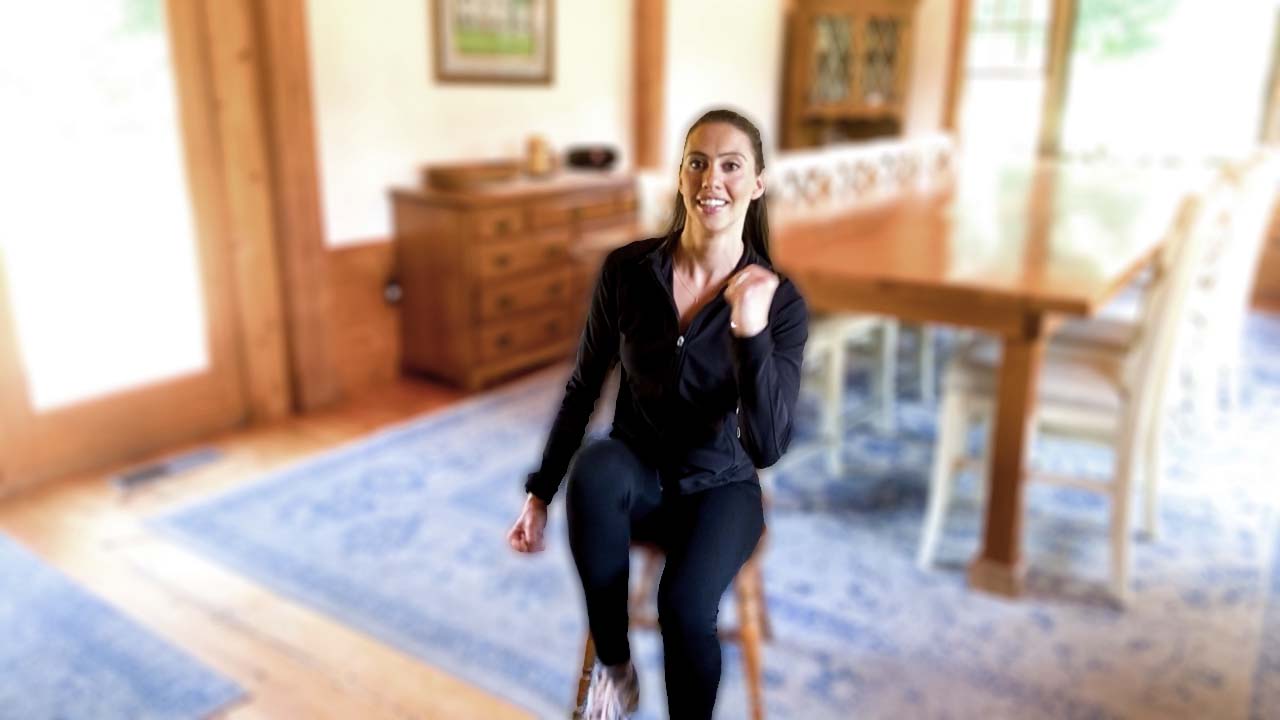
Integrating meditation into post-cardio recovery routines offers a holistic approach to restoring the body and mind. When combined thoughtfully, meditation enhances physical recovery, reduces stress, and promotes mental clarity, making it a valuable component of a comprehensive recovery plan. Establishing a well-structured routine that seamlessly incorporates stretching, hydration, nutrition, and meditation can optimize overall fitness and well-being.To effectively integrate meditation with post-cardio recovery, it is essential to develop a systematic approach that aligns with individual workout schedules, recovery needs, and lifestyle preferences.
This integration not only supports physical restoration but also cultivates mental resilience, both critical for long-term fitness success.
Structuring a Comprehensive Post-Cardio Recovery Plan
A well-rounded recovery plan begins with clear sequencing of activities that promote optimal healing and relaxation. The following procedures serve as a framework:
- Start with gentle stretching immediately following cardio to prevent muscle stiffness and enhance flexibility. Focus on major muscle groups such as hamstrings, quadriceps, calves, and the lower back.
- Proceed to rehydrate by consuming water or electrolyte-rich beverages to replenish fluids lost during exercise, supporting cellular recovery.
- Follow with balanced nutrition, emphasizing protein for muscle repair and carbohydrates to restore glycogen stores. Nutrient timing shortly after exercise maximizes absorption and effectiveness.
- Transition into meditation by selecting a calm, comfortable environment. Initiate with breathing exercises to calm the nervous system, such as diaphragmatic breathing or box breathing, to prepare for meditation.
- Engage in a meditation session focusing on mindfulness, body awareness, or guided visualization, fostering mental relaxation and emotional balance.
This sequence ensures each component complements the other, creating a seamless recovery experience that addresses both physical and mental facets.
Organizing a Weekly Post-Cardio Meditation Schedule
Consistency is key in cultivating the benefits of post-cardio meditation. An organized weekly plan helps establish routine, enhances motivation, and allows for progress tracking. Consider the following strategies:
- Designate specific days and times for post-cardio meditation sessions, ideally immediately after workouts when the body is primed for relaxation.
- Maintain a flexible schedule that accommodates rest days and varying workout intensities, adjusting meditation duration as needed.
- Integrate different meditation techniques throughout the week, such as mindfulness, loving-kindness, or body scan meditations, to diversify benefits.
- Use a calendar or planner to record sessions, noting duration, techniques used, and perceived benefits, facilitating accountability.
- Incorporate a weekly reflection period to assess how the routine influences recovery, mood, and overall performance, making adjustments accordingly.
Establishing a stable routine encourages habitual practice, which over time strengthens both physical recovery and mental resilience.
Evaluating Effectiveness and Refining the Routine
Monitoring progress and making data-driven adjustments ensure the recovery plan remains effective and aligned with individual goals. The following methods can be employed:
- Keep a recovery journal documenting post-cardio activities, meditation sessions, physical sensations, and emotional states. Consistent entries reveal patterns and areas for improvement.
- Set specific, measurable objectives such as reduced muscle soreness, improved sleep quality, or enhanced mental clarity, and periodically assess progress toward these goals.
- Gather subjective feedback through self-assessment questionnaires focusing on stress levels, relaxation quality, and overall satisfaction with the routine.
- Use wearable devices or apps that track physiological indicators such as heart rate variability (HRV), which reflects autonomic nervous system balance and recovery status.
- Review and analyze collected data monthly to identify trends, successes, and challenges, leading to informed modifications in the routine—such as extending meditation duration, trying new techniques, or adjusting recovery timelines.
- Remain adaptable, recognizing that recovery needs may evolve with increased fitness levels or changing personal circumstances, necessitating routine refinements for sustained benefits.
By systematically evaluating and refining the recovery plan, individuals can maximize the synergistic effects of physical and mental restoration, leading to improved performance, reduced injury risk, and enhanced overall well-being.
Visual and Descriptive Explainings for Illustrations of Post-Cardio Meditation Setup
Effective visualization of the meditation environment and posture after cardio workouts enhances understanding and encourages proper practice. Clear, detailed illustrations serve as valuable guides to help individuals create a calming space, adopt correct postures, and select appropriate tools for an optimal meditation experience following physical activity. These visuals not only provide clarity but also inspire consistency and mindfulness in establishing a post-cardio meditation routine.
In this section, we explore comprehensive descriptions of visual representations that depict proper posture, ideal environment setups, and the tools used during post-cardio meditation. Additionally, we present guided visual cues for various meditation techniques suitable after cardio, organized through descriptive imagery to facilitate accurate recreation and effective practice.
Illustrations of Proper Posture and Environment for Post-Cardio Meditation
Detailed visual explanations of meditation setups focus on capturing the physical positioning, ambient atmosphere, and essential tools that promote tranquility and mindfulness after cardio workouts. These illustrations aim to serve as visual blueprints for individuals seeking to establish or refine their post-exercise meditation practice, emphasizing comfort, stability, and serenity.
| Scene | Focus Points | Suggested Colors |
|---|---|---|
| Seated meditation on a cushion |
|
|
| Outdoor meditation setup in a tranquil garden |
|
|
| Use of meditation tools (e.g., incense, candles, timer) |
|
|
Visual Guides for Different Meditation Techniques Post-Cardio
Each meditation technique offers unique visual cues that guide practitioners toward effective implementation. Clear illustrations can depict posture, hand positions, and environmental factors suitable for techniques such as mindfulness breathing, body scan, or guided visualization, making the practice accessible and inviting.
- Mindfulness Breathing: An illustration showing a person sitting upright with shoulders relaxed, eyes softly closed or gaze downward, hands resting on knees or lap. Emphasis on an open chest and relaxed abdomen, with visual cues highlighting the gentle rise and fall of the chest during inhalation and exhalation.
- Body Scan Meditation: Visual depiction of an individual lying flat on their back on a mat or bed, with a focus on sequentially directing attention from toes to head. The illustration highlights calm facial expression, relaxed limbs, and a serene environment with dim lighting.
- Guided Visualization: Person seated or reclining, eyes closed, with a visual overlay indicating a peaceful scene, such as a forest or beach. The illustration emphasizes deep breathing with visual cues of expanding lungs and a relaxed posture to facilitate immersive imagery.
These visual guides serve as reference points for practitioners to adapt their posture and environment according to the specific meditation technique, ensuring comfort and focus during the post-cardio recovery phase.
Wrap-Up
Incorporating meditation into your post-cardio routine can lead to improved mental focus, faster recovery, and greater overall health. By following the detailed checklist and techniques Artikeld, you can establish a consistent and effective practice that complements your fitness journey. Embrace this holistic approach to achieve both physical and mental harmony with confidence.