Learning how to meditate for athletes offers a valuable tool to improve both mental clarity and physical resilience. Incorporating meditation into an athletic routine can lead to enhanced focus, faster recovery, and better stress management, ultimately contributing to peak performance during competitions and training sessions. This guide explores effective meditation techniques tailored specifically for athletes, along with practical advice on preparation and overcoming common challenges.
Introduction to Meditation for Athletes
Meditation has emerged as a vital mental training tool for athletes seeking to optimize their performance and well-being. By integrating mindfulness and focused attention practices, athletes can cultivate greater mental clarity, emotional resilience, and physical recovery. In the high-pressure environment of competitive sports, meditation serves as a foundational component to enhance both mental fortitude and physical stamina.
Research indicates that consistent meditation practice can lead to improved focus during competitions, faster recovery times after intense exertion, and more effective stress management. These benefits translate into tangible improvements in athletic performance, enabling athletes to maintain peak condition and stay mentally composed under pressure. A variety of meditation techniques are well-suited to athletes, ranging from mindfulness-based practices to guided imagery, each tailored to complement their training routines and performance demands.
Benefits of Meditation for Athletes
The advantages of integrating meditation into an athlete’s regimen extend beyond mere relaxation. They encompass several key aspects of physical and mental performance:
- Enhanced Focus and Concentration: Meditation trains the mind to stay present, reducing distractions during training and competition, which is crucial for precise movements and strategic decision-making.
- Improved Stress Management: Regular practice helps athletes manage pre-competition nerves and the mental fatigue that accumulates during intense training cycles.
- Faster Recovery: Meditation facilitates relaxation responses that can reduce muscle tension and cortisol levels, promoting quicker physical recovery and better sleep quality.
- Greater Emotional Resilience: Developing mindfulness through meditation enables athletes to handle setbacks, pressure, and injuries with a calmer, more centered mindset.
Common Meditation Techniques for Athletes
Numerous meditation methods are accessible and particularly beneficial for athletes looking to incorporate mental training into their routines. These techniques focus on cultivating awareness, reducing stress, and enhancing concentration:
- Mindfulness Meditation: Involves paying close attention to the present moment, often through breath awareness or body scans. This practice improves focus and emotional regulation, especially useful during competitions.
- Guided Visualization: Uses mental imagery to simulate successful performance scenarios, helping athletes mentally rehearse and build confidence before events.
- Focused Breathing: Centers on slow, deliberate breaths to induce relaxation and reduce anxiety, supporting recovery and mental clarity during high-stakes situations.
- Progressive Muscle Relaxation: Combines deep breathing with tensing and relaxing muscle groups to release physical tension and foster a calm state of mind.
By adopting these techniques, athletes can develop a personalized mental training routine that complements their physical workout, enhances their overall performance, and contributes to a balanced, resilient athletic mindset.
Preparing for Meditation Practice
Establishing an optimal environment and preparing oneself properly are essential steps for athletes seeking to maximize the benefits of meditation. A well-structured preparation routine enhances focus, promotes relaxation, and ensures consistency in practice. This section details the ideal setting, helpful accessories, and a systematic approach to readying both the mind and body before meditation sessions.
Creating a conducive environment involves more than just choosing a quiet space; it requires attention to factors that influence mental clarity and physical comfort. Equipping oneself with appropriate accessories can further facilitate a seamless meditation experience. Additionally, a step-by-step preparation process helps athletes transition smoothly into a focused and receptive state, making each session more effective and restorative.
Ideal Environment and Setting for Effective Meditation
The environment plays a pivotal role in cultivating the calm and focus necessary for meditation. An ideal setting for athletes should be free from distractions and noise, allowing for uninterrupted concentration. Natural light or soft, warm illumination can create a soothing atmosphere, while maintaining a comfortable temperature prevents physical discomfort that might detract from the practice.
Designating a specific space dedicated solely to meditation fosters consistency and mental association with relaxation. This space should be clean, clutter-free, and personalized if desired, perhaps with calming elements such as plants or artwork. Ensuring the environment encourages a sense of safety and tranquility helps athletes relax deeply, enabling a more profound meditative experience.
Equipment and Accessories to Aid Meditation
While meditation primarily relies on mental focus, certain accessories can significantly enhance comfort and concentration, especially for athletes with physically demanding routines. The right equipment can help create a dedicated, calming space and support proper posture during sessions.
- Mats and Cushions: Providing a comfortable surface and supportive seating helps maintain proper spinal alignment and reduces physical discomfort. Cushions, such as zafus or bolsters, elevate the hips and promote an open posture, which is beneficial for longer meditation durations.
- Calming Music or Sounds: Soft, ambient music or nature sounds can mask background noise and help focus the mind. Use of white noise or guided meditation tracks can also aid beginners in maintaining concentration.
- Lighting: Adjustable soft lighting or candles can create a serene ambiance, enhancing relaxation and minimizing visual distractions.
- Other Accessories: Items like eye masks, essential oils, or a small altar with meaningful objects can deepen the meditative atmosphere and foster a sense of sacred space.
Ensuring these accessories are easily accessible and used consistently can support a habitual meditation practice, making each session more inviting and effective for athletes.
Step-by-Step Procedure to Prepare Mentally and Physically
Preparation involves a deliberate sequence of mental and physical steps that prime athletes for successful meditation. Implementing a consistent routine helps transition from active routines to a state of calm and focus.
- Choose a Quiet, Comfortable Space: Select your designated meditation area, ensuring it is free from interruptions and distractions.
- Set a Specific Time: Schedule meditation sessions at consistent times each day to build a habit, such as after training or before sleep.
- Wear Comfortable Attire: Opt for loose, comfortable clothing that doesn’t restrict movement or cause physical discomfort during meditation.
- Use Equipment if Desired: Arrange mats, cushions, or other accessories to support a relaxed posture.
- Minimize External Stimuli: Turn off electronic devices, or silence notifications to prevent interruptions.
- Engage in a Brief Physical Warm-Up: Gentle stretching or deep breathing exercises can release physical tension and prepare the body for stillness.
- Set an Intention or Goal: Clarify the purpose of the session, such as enhancing focus, reducing stress, or promoting recovery.
- Begin with a Mindfulness or Breathing Exercise: Practice a few minutes of focused breathing to center the mind and establish present-moment awareness.
Following this structured approach ensures athletes start their meditation with a clear, relaxed mind and a comfortable body, laying the foundation for a successful practice tailored to their athletic needs.
Techniques and Methods of Meditation for Athletes

Incorporating effective meditation techniques can significantly enhance athletic performance by improving focus, reducing stress, and promoting mental resilience. Understanding various meditation styles allows athletes to select methods that best align with their individual needs and sporting goals. This section explores some of the most popular meditation styles suited for athletes, providing detailed steps and practical applications tailored to sports contexts.
Each meditation style offers unique benefits and approaches, making it essential for athletes to familiarize themselves with multiple methods to create a personalized mental training routine. Whether it’s cultivating mindfulness to stay present during competitions or using guided visualization to enhance performance scenarios, these techniques serve as powerful tools for mental conditioning and recovery.
Comparison of Popular Meditation Styles
| Style | Description | Primary Focus | Typical Application in Sports |
|---|---|---|---|
| Mindfulness Meditation | Focusing attention on the present moment without judgment, often through breath or bodily sensations. | Awareness, acceptance, concentration | Maintaining focus during competitions, managing anxiety, enhancing in-the-moment decision-making. |
| Guided Visualization | Using mental imagery guided by an instructor or script to simulate specific scenarios or outcomes. | Performance enhancement, confidence building | Visualizing successful execution, overcoming obstacles, mental rehearsal before events. |
| Breathing Exercises | Engaging in controlled breathing patterns to regulate the nervous system and promote calmness. | Relaxation, stress reduction, emotional regulation | Pre-competition calm, recovery during training, managing adrenaline surges. |
| Body Scan Meditation | Systematically directing attention across different parts of the body, noticing sensations without judgment. | Relaxation, body awareness, injury prevention | Reducing muscle tension after activity, identifying areas of strain, fostering body-mind connection. |
Steps for Each Meditation Method in a Sports Context
Implementing these meditation techniques requires specific steps aligned with athletes’ routines and performance schedules. Below are detailed procedures emphasizing their relevance in sports training and competition settings.
Mindfulness Meditation
- Find a quiet, comfortable space where you can sit or lie down without interruptions.
- Close your eyes gently and focus your attention on your breath, noticing the inhale and exhale.
- If your mind wanders to thoughts or external distractions, gently redirect your focus back to your breath.
- Practice for 10-15 minutes, ideally before training sessions or competitions to enhance focus.
- During sport, employ brief mindfulness pauses during breaks to re-center and maintain concentration.
Guided Visualization
- Choose a quiet environment and sit comfortably, closing your eyes.
- Begin with deep breathing to relax your body and mind.
- Envision yourself performing specific athletic skills flawlessly—such as executing a perfect swing or sprint.
- Incorporate all senses—visual, auditory, tactile—to create vivid mental images.
- Repeat the visualization regularly, especially before competitions, to reinforce confidence and readiness.
Breathing Exercises
- Assume a comfortable seated or lying position.
- Inhale slowly through your nose for a count of four, filling the lungs completely.
- Hold your breath for a count of four, maintaining awareness of the sensation of fullness.
- Exhale slowly through your mouth or nose for a count of six, releasing tension.
- Repeat this cycle for 5-10 minutes, ideally during warm-ups or post-training recovery.
Body Scan Meditation
- Lie down in a comfortable position, closing your eyes gently.
- Begin by directing your attention to your toes, noticing sensations or tension.
- Gradually move your focus upward through your legs, hips, abdomen, chest, arms, neck, and head.
- Pause at each area, observing physical feelings without judgment.
- Use slow, deep breaths to promote relaxation in each region, completing the scan in approximately 15-20 minutes.
Guided Scripts and Athlete-Centric Affirmations
Guided scripts tailored for athletes serve as powerful tools to reinforce focus, confidence, and mental resilience. These scripts typically incorporate specific performance scenarios and positive affirmations that resonate with sports-related mindsets. Here are examples of guided visualizations and affirmations used by athletes:
“Imagine yourself on the starting line, feeling strong and composed. Visualize the race unfolding perfectly, each stride confident and steady. As you cross the finish line, experience the thrill of success and the pride of your effort.”
“Your body is a finely tuned machine. With each breath, you are becoming more relaxed and focused. You possess the strength, skill, and determination to achieve your goals. Trust in your training and give your best in every moment.”
These scripts can be customized to match specific sports, personal goals, and performance scenarios, helping athletes cultivate a resilient and centered mindset essential for peak performance.
Incorporating Meditation into Athletic Training
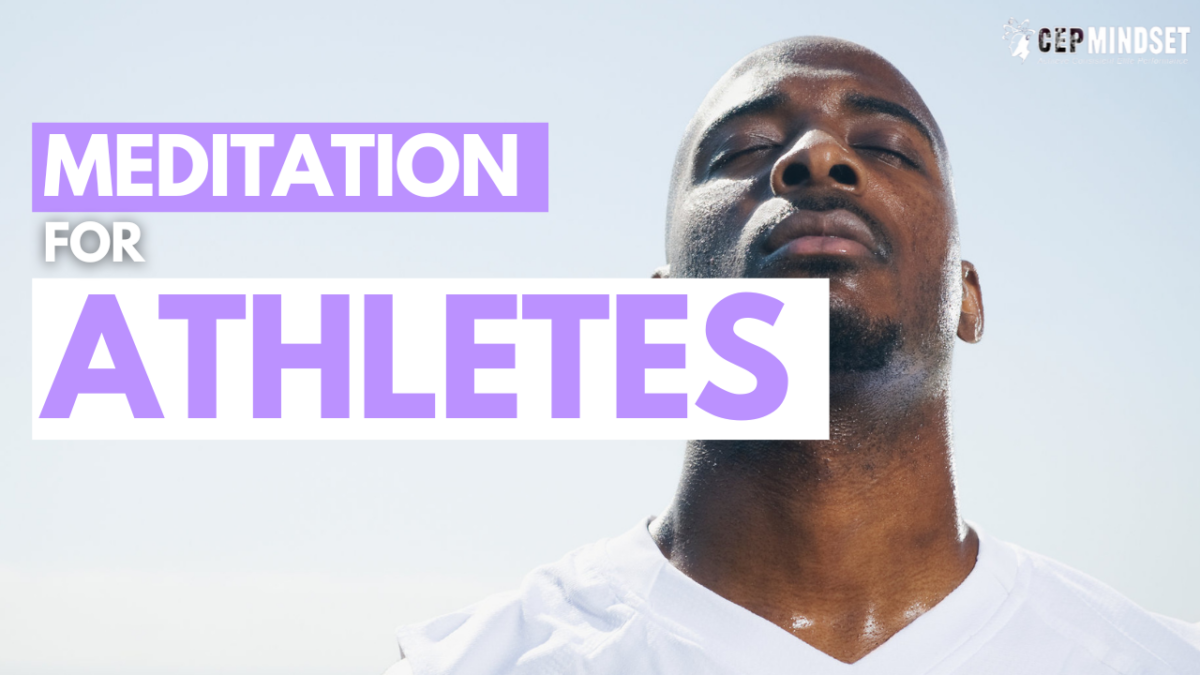
Integrating meditation into an athlete’s training routine offers a strategic advantage by enhancing mental resilience, focus, and recovery. Developing a structured approach ensures that meditation becomes a consistent component of overall training, helping athletes optimize both their physical and mental performance. Proper scheduling, progress tracking, and adaptability are essential to maximize the benefits of meditation within the demanding schedules of athletes.
Effective integration involves designing a weekly plan that aligns meditation sessions with training phases, monitoring improvements in mental clarity and stress management, and adjusting practices to accommodate varying training intensities or upcoming competitions. This strategic approach fosters a balanced development of the body and mind, essential for peak athletic performance.
Designing a Weekly Schedule Integrating Meditation Sessions with Training Routines
Creating a comprehensive weekly plan ensures that meditation complements physical training without causing fatigue or interference. An optimal schedule considers training intensity, recovery periods, and mental refreshment needs.
For example, athletes might schedule short meditation sessions of 5-10 minutes post-training to facilitate cool-down and mental relaxation, while longer sessions of 15-20 minutes could be reserved for rest days or lighter training days. Incorporating meditation into early mornings can foster mental clarity and focus for the day ahead, whereas evening sessions aid in relaxation and sleep quality.
Consistently integrating meditation into specific time slots—such as before or after workouts—helps establish routines that become habitual. Athletes should also consider periodizing meditation practices to align with training cycles, intensifying focus during peak phases and emphasizing recovery and mindfulness during off-peak times.
Providing Methods for Tracking Progress and Assessing Mental Benefits over Time
Monitoring mental progress is crucial to understanding the effectiveness of meditation and making necessary adjustments. Athletes can utilize various tools and techniques to track their mental states and benefits derived from meditation practice.
Employing a dedicated journal or digital app enables athletes to log daily meditation sessions, noting duration, techniques used, and subjective feelings such as stress levels, focus, and mood. Regular self-assessment through standardized questionnaires—such as the Mindful Attention Awareness Scale (MAAS)—can quantify improvements in mindfulness and mental clarity over weeks or months.
Additionally, athletes should observe qualitative changes, including enhanced concentration during training, reduced pre-competition anxiety, and improved recovery times. Coaches and sports psychologists can assist by reviewing these logs and assessments periodically, providing feedback and recommending modifications to optimize mental conditioning.
Discussing Ways to Modify Meditation Practices Based on Training Intensity or Competition Schedules
Adjusting meditation practices to match fluctuating training demands ensures that athletes remain supported mentally without added stress or fatigue. During high-intensity training blocks or pre-competition periods, modifications may include shorter, more focused sessions to maintain mental sharpness without overtaxing energy reserves.
For instance, an athlete preparing for a major competition might shift from longer mindfulness or body scan meditations to brief breathing exercises or visualization techniques that promote quick mental resets. Conversely, during lighter training phases or recovery periods, longer sessions focusing on deep relaxation and self-awareness can be encouraged to deepen mental resilience.
Flexibility in technique selection is vital; techniques such as guided imagery, progressive muscle relaxation, or focused attention meditation can be tailored based on the athlete’s current needs and training load. Regular evaluation of mental readiness and stress levels should guide these modifications, ensuring that meditation continues to serve as an effective tool for mental strength and overall performance enhancement.
Overcoming Common Challenges in Meditation for Athletes

Meditation offers numerous benefits for athletes, including enhanced focus, reduced stress, and improved recovery. However, integrating meditation into a busy training schedule often presents certain challenges. Recognizing and addressing these obstacles is essential for sustaining a consistent practice and maximizing its benefits. Understanding typical hurdles like distraction, time constraints, and physical discomfort allows athletes to develop tailored strategies that fit seamlessly into their lifestyles.Meditation is a skill that requires patience and perseverance.
For athletes, especially those with rigorous training routines or demanding schedules, obstacles can seem daunting. However, with deliberate adjustments and mindful approaches, these challenges can be effectively managed, leading to a more profound and enjoyable meditation experience. Adapting techniques to individual needs and circumstances ensures that meditation remains a supportive component of athletic development rather than a source of frustration.
Managing Distractions During Meditation
Distraction is one of the most common hurdles faced during meditation sessions, particularly in environments filled with noise or other interruptions. To minimize external distractions, athletes can choose a dedicated, quiet space that signals the mind to relax. Using earplugs or white noise machines can also help create a focused environment. Internally, distractions such as racing thoughts can be managed by guiding attention to the breath or a specific mantra.
When a wandering mind occurs, gently acknowledge the distraction without judgment and redirect focus smoothly.Incorporating brief, guided meditations can help anchor attention, especially for beginners. Over time, the ability to maintain concentration improves, reducing susceptibility to distractions. Consistent practice in varied settings also trains the mind to adapt, making meditation more resilient to external and internal interruptions.
Overcoming Time Constraints
Time constraints are a significant barrier for athletes who often juggle training, competitions, and personal commitments. To integrate meditation effectively, it is beneficial to start with short sessions, even as brief as five minutes daily, and gradually increase duration as comfort grows. Embedding meditation into existing routines—such as pre-training warm-ups, post-workout recovery, or during breaks—ensures consistency without requiring additional time blocks.Creating a structured schedule and setting reminders can reinforce meditation habits.
Athletes can also utilize micro-meditation techniques during busy days, like focusing on breath awareness during a commute or between sets. Recognizing that even brief moments of mindfulness can accumulate into meaningful benefits encourages ongoing commitment despite a busy lifestyle.
Addressing Physical Discomfort During Meditation
Physical discomfort, such as back pain, leg numbness, or muscle tension, can interrupt meditation sessions and discourage regular practice. Proper positioning is crucial; athletes should find a comfortable posture that supports alertness and relaxation. Using cushions or chairs to elevate the hips, adjusting leg positions, or lying down if seated causes discomfort can be effective strategies.Incorporating gentle stretching or body scan techniques before meditation can alleviate tension and prepare the body.
Athletes should listen to their bodies and modify positions as needed, avoiding forced postures that may lead to injury. Recognizing that some discomfort is natural initially, and practicing patience, helps in building resilience and making meditation a sustainable habit.
Strategies to Maintain Consistency and Deepen Practice
Consistency is key to experiencing the full benefits of meditation. Establishing a routine, setting clear intentions, and creating a dedicated meditation space foster habitual practice. Using visual or physical cues, such as placing meditation cushions or reminders, supports regularity. Tracking progress through journals or apps can also motivate continued engagement and allow reflection on improvements over time.To deepen meditation practice, athletes can gradually explore advanced techniques like visualization, loving-kindness meditation, or body awareness practices.
Participating in group meditation sessions or workshops adds social motivation and shared energy, enhancing commitment. Incorporating mindfulness into daily activities—such as mindful eating or walking—further extends the benefits beyond formal sessions.
Adapting Meditation Techniques for Different Sports and Lifestyles
Different sports and athlete lifestyles require tailored meditation approaches to maximize relevance and effectiveness. For endurance athletes, techniques emphasizing breath control and heart rate regulation can support stamina and recovery. For team sports, mindfulness practices that enhance communication, awareness of team dynamics, and emotional regulation are valuable.Athletes with demanding travel schedules or irregular routines can benefit from portable and flexible meditation methods, such as guided audio sessions or brief mindfulness pauses.
For athletes engaged in high-contact sports, calming and grounding practices help manage adrenaline and anxiety levels. Customizing meditation to align with specific sport demands and personal schedules ensures greater integration, consistency, and ultimately, better performance outcomes.
Advanced Meditation Practices for Athletes

Building upon foundational meditation techniques, advanced practices enable athletes to achieve heightened mental clarity, resilience, and peak performance. These methods are designed to deepen mental focus, enhance emotional regulation, and foster a state of optimal readiness that extends beyond basic mindfulness exercises. Incorporating such practices into athletic routines can significantly impact performance during high-pressure situations and long-term mental durability.
By employing sophisticated meditation techniques, athletes can fine-tune their mental faculties, unlock new levels of concentration, and develop a resilient mindset essential for competitive success. The following methods, including transcendental meditation and advanced visualization, serve as powerful tools to elevate an athlete’s mental game and foster sustainable psychological resilience.
Transcendental Meditation and Advanced Visualization for Peak Performance
Transcendental Meditation (TM) is a form of silent mantra meditation that has been extensively studied for its ability to promote deep rest and mental clarity. It involves the silent repetition of a specific mantra to transcend ordinary thinking, leading to a state of restful alertness. This practice can help athletes reduce stress, enhance focus, and recover more efficiently from demanding physical exertion.
Advanced visualization techniques involve creating detailed mental images of successful athletic performances or desired outcomes. These practices engage the brain’s neural pathways associated with actual movement, thereby improving motor skills, confidence, and mental preparedness. Athletes often visualize themselves executing perfect techniques or overcoming obstacles, reinforcing positive mental states and reducing performance anxiety.
Integrating these practices with physical training routines can produce synergistic effects, leading to superior athletic performance and mental resilience. Regular practice of TM and visualization can cultivate a calm yet focused mindset, essential during high-stakes competitions or challenging training phases.
Developing Personalized Meditation Routines for Mental Resilience
Creating a tailored meditation routine involves assessing individual mental needs, athletic goals, and lifestyle constraints. A personalized practice ensures consistent engagement and maximizes benefits related to mental resilience, stress management, and concentration sustainment during competitions.
This process includes setting clear objectives such as improving focus during critical moments, managing pre-competition anxiety, or enhancing recovery. Athletes should select techniques aligned with their preferences, whether that involves mantra-based TM, breath-focused meditation, visualization, or a combination thereof. The routine should specify optimal times for practice—preferably before training, competitions, or during rest periods—to establish consistency and reinforce mental habits.
Monitoring progress through journaling or mental self-assessment can help refine routines over time. Incorporating elements like affirmations or biofeedback can further personalize practices, making them more effective in cultivating mental resilience and sustaining peak performance levels over the long term.
Integrating Meditation with Other Mental Training Tools
Combining meditation with supplementary mental training tools enhances its effectiveness and provides a comprehensive approach to psychological skill development. Affirmations, biofeedback, and other techniques can reinforce the benefits gained from meditation, creating a synergistic effect that boosts overall mental toughness.
Affirmations—positive, present-tense statements—can be used during or after meditation sessions to reinforce confidence, focus, and emotional stability. For example, repeating phrases like “I am focused and resilient” can solidify a performer’s mental state and reduce negative self-talk.
Biofeedback devices measure physiological responses such as heart rate variability, muscle tension, or brain waves, providing real-time data that athletes can use during meditation to optimize their mental state. For instance, an athlete might use biofeedback to achieve a calm heart rate before a race, combining visualization and breath control to reach their desired state of readiness.
Integrating these tools into a structured mental training regimen can accelerate progress, foster deeper self-awareness, and support sustained mental resilience. For example, an athlete might practice transcendental meditation daily, use biofeedback sessions to monitor physiological responses, and employ affirmations during visualization exercises for comprehensive mental conditioning.
Ending Remarks
In conclusion, mastering how to meditate for athletes can serve as a powerful strategy to optimize mental and physical capabilities. By integrating these practices into daily routines, athletes can experience improved focus, reduced stress, and greater resilience, paving the way for enhanced athletic achievement and overall well-being.