Learning how to meditate before cardio can significantly enhance your workout experience by improving focus, reducing stress, and boosting overall performance. Incorporating meditation into your pre-exercise routine prepares both your mind and body, allowing you to approach your workout with clarity and calmness. This practice not only elevates your mental resilience but also optimizes physiological responses, making your cardio sessions more effective and enjoyable.
By understanding the techniques, timing, and environment necessary for successful meditation prior to cardio, you can unlock a new level of workout mindfulness. From breathing exercises to mindful awareness, integrating these practices into your routine can lead to long-term benefits in motivation, mental clarity, and physical results.
Introduction to Meditating Before Cardio
Integrating meditation with cardio exercise offers a holistic approach to enhancing physical and mental well-being. By combining these practices, individuals can optimize their workout experience, improve mental clarity, and foster greater physiological balance. Pre-cardio meditation serves as a mindful gateway, preparing the body and mind for an effective and enjoyable exercise session.
This synergy between meditation and cardio leverages the calming effects of mindfulness to reduce stress, elevate focus, and boost physical performance. Engaging in meditation prior to vigorous activity not only heightens mental alertness but also promotes a sense of calmness that can translate into more controlled and efficient physical movement. As a result, practitioners often experience an increased ability to maintain consistent effort and motivation during their workouts.
Physiological and Psychological Benefits of Pre-Cardio Meditation
Understanding the comprehensive benefits of meditation before cardio involves exploring both its physiological and psychological impacts. These effects collectively contribute to a more balanced, effective, and enjoyable exercise experience.
Physiologically, meditation activates the parasympathetic nervous system, which promotes relaxation, reduces heart rate, and lowers cortisol levels—hormones associated with stress. This calming state can lead to better oxygen utilization, improved circulation, and greater muscular efficiency during cardio routines. Additionally, lowering stress hormones supports immune function and enhances overall health, making workouts more sustainable over time.
Psychologically, meditation sharpens focus and cultivates a present-moment awareness that minimizes distractions during exercise. This mental clarity can increase motivation, reduce feelings of fatigue, and help manage pre-workout anxiety or nervousness. Regular practice fosters a positive mindset that encourages consistency and resilience, essential traits for achieving fitness goals. Empirical studies have shown that mindful individuals tend to experience higher satisfaction from exercise, along with improved adherence to workout routines.
Preparing for Meditation Before Cardio
Establishing a proper environment and routine before engaging in meditation can significantly enhance its effectiveness and set a calm, focused tone for your cardio session. Proper preparation helps to clear the mind, reduce distractions, and create a sense of tranquility, allowing you to maximize the benefits of both meditation and subsequent exercise.
Thoughtful preparation involves selecting the right space, gathering necessary items, and transitioning smoothly from daily activities into your meditative practice. Implementing a structured approach ensures consistency and helps develop a meditative habit that complements your fitness goals.
Creating a Calming Environment
Designing an ambiance conducive to meditation involves attention to sensory details and minimizing external disturbances. A serene environment becomes a sanctuary that facilitates relaxation and mindfulness, making it easier to enter a meditative state. Consider the following steps to craft such a space:
- Choose a quiet, clutter-free area where noise and interruptions are minimal. This could be a dedicated corner in your home or a tranquil outdoor spot.
- Maintain a comfortable temperature, neither too hot nor too cold, to promote relaxed muscles and focused breathing.
- Adjust lighting to be soft and subdued. Utilizing natural light or dim lamps creates an inviting, peaceful atmosphere.
- Use calming scents such as lavender, chamomile, or sandalwood through candles, essential oils, or incense to enhance relaxation.
- Incorporate gentle background sounds if desired, like nature noises or ambient music, to drown out distractions and foster a serene setting.
Necessary Items and Accessories
Having the appropriate items readily available can facilitate a more comfortable and sustained meditation session. These accessories are designed to support proper posture, comfort, and focus:
- Meditation mat or cushion: Provides a cushioned surface that supports your knees and hips, preventing discomfort during longer sessions.
- Blanket or shawl: Keeps you warm and comfortable, particularly if practicing in cooler environments.
- Clock or timer: Allows you to set a specific duration for meditation without the need to check the clock repeatedly, maintaining focus and preventing distraction.
- Comfortable clothing: Loose, breathable attire that does not restrict movement or breathing.
- Essential oils or aromatherapy diffusers: Used to create a calming atmosphere and aid in relaxation.
Organizing a Smooth Transition Routine
Transitioning seamlessly from daily activities into meditation helps to clear mental clutter and prepares your mind for focused practice. Establishing a consistent routine enhances discipline and creates psychological cues that it’s time to shift into a meditative state. Consider these steps to facilitate a smooth transition:
- Designate a specific time each day for meditation, ideally shortly before your cardio workout, to build a habit and signal your mind to prepare.
- Engage in a brief activity beforehand, such as gentle stretching or deep breathing exercises, to release physical tension and focus your thoughts.
- Turn off or silence electronic devices to eliminate notifications and reduce distractions.
- Use a pre-meditation ritual, like lighting a candle or setting an intention, to mentally prepare yourself for the practice.
- Allow a few minutes of quiet reflection or mindfulness to transition from the busyness of daily life into a calm, centered state.
Checklist for Setting up a Distraction-Free Space
Creating a dedicated, distraction-free environment is essential for effective meditation. A clear checklist ensures that all necessary steps are taken to optimize your space:
- Identify a quiet area that remains undisturbed during your meditation session.
- Remove clutter, electronic devices, and any items that could divert attention or cause interruptions.
- Ensure the space has comfortable seating or flooring with adequate support.
- Set the lighting to a soothing level, avoiding harsh or bright lights.
- Introduce calming elements such as soft textiles or natural décor to enhance tranquility.
- Prepare all accessories (mat, cushion, timer, aromatherapy) beforehand so everything is within reach.
- Silence or deactivate notifications on your devices to prevent disruptions during your practice.
Techniques for Effective Meditation Prior to Cardio
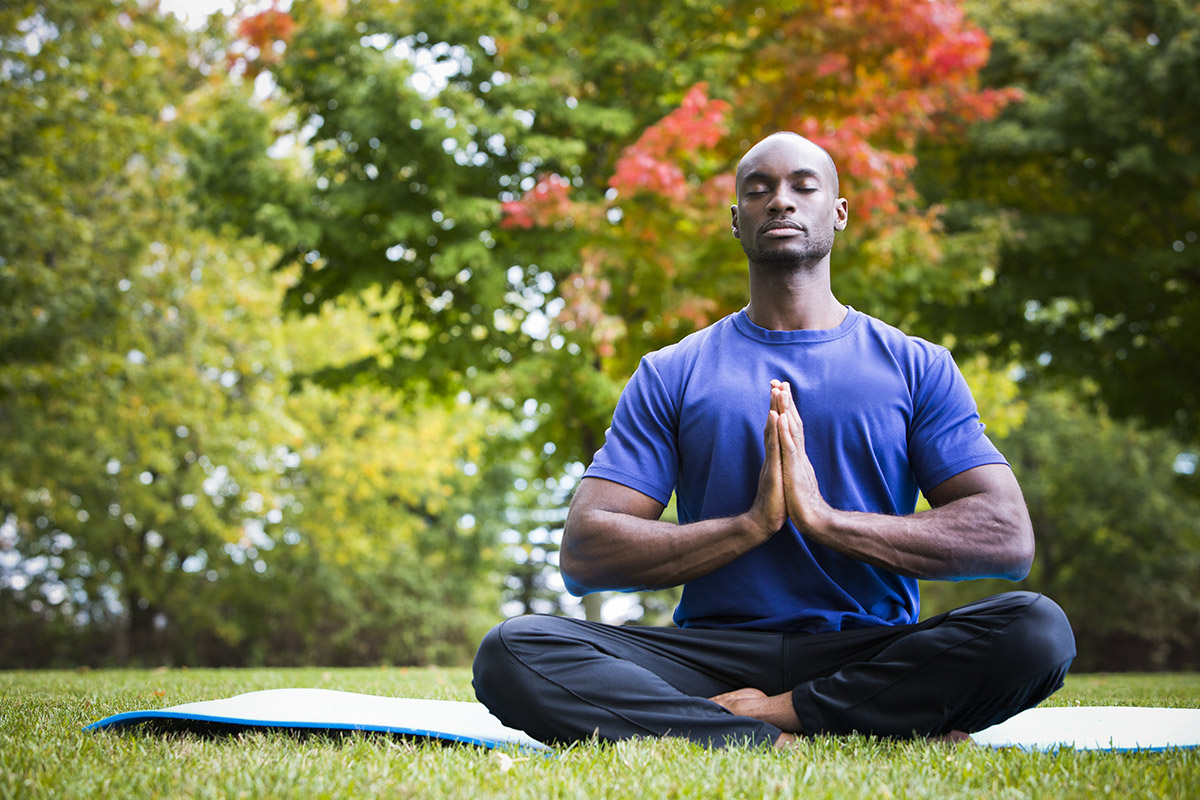
Engaging in meditation before cardio exercises can significantly enhance focus, reduce pre-workout anxiety, and improve overall performance. Incorporating specific techniques allows for a mindful transition from a state of calmness into active movement, fostering both mental clarity and physical readiness. By mastering these methods, individuals can optimize their cardio sessions, making them more effective and enjoyable.Meditation techniques tailored for before cardio emphasize breathing exercises, body awareness, and visualization.
These practices help center the mind, prepare the body, and set positive intentions for the workout. Implementing a structured approach ensures consistency and maximizes benefits, creating a seamless flow from mental preparation to physical activity.
Breathing Exercises for Pre-Cardio Meditation
Deep diaphragmatic breathing serves as a foundational technique to calm the nervous system and increase oxygen intake, which can enhance endurance and reduce fatigue during cardio. This practice involves consciously engaging the diaphragm to draw air deeply into the lungs, promoting relaxation and mental clarity.To perform diaphragmatic breathwork:
- Find a comfortable seated or lying position, ensuring the spine is straight and shoulders are relaxed.
- Place one hand on your chest and the other on your abdomen, just below the ribcage.
- Inhale slowly through the nose, allowing the diaphragm to expand and the abdomen to rise while the chest remains relatively still.
- Pause briefly at the top of the inhale, then exhale gently through pursed lips or the nose, feeling the abdomen fall and releasing tension.
- Repeat this cycle for 3-5 minutes, focusing on smooth, deep breaths to induce a peaceful state.
“Deep diaphragmatic breathing enhances oxygen flow, reduces stress, and primes the body for physical exertion.”
Guided Meditation Scripts for Mindfulness and Body Awareness
Structured scripts focusing on mindfulness and body awareness serve to anchor attention within the present moment, diminishing distractions and pre-event jitters. These scripts typically involve a series of verbal cues guiding the individual to observe sensations, thoughts, and emotions with acceptance and without judgment.A typical guided meditation sequence includes:
- Begin by taking slow, deliberate breaths, encouraging awareness of each inhale and exhale.
- Guide attention to the sensations of contact with the ground or chair, grounding the individual in the physical environment.
- Progressively scan the body from head to toe, noting areas of tension or relaxation without trying to alter them.
- Invite focus on the breath, observing its natural rhythm and depth.
- Encourage gentle acknowledgment of any distracting thoughts, then gently bring focus back to the breath or body sensations.
- End the session with a positive affirmation or intention for the upcoming cardio activity.
This mindful approach enhances concentration during exercise and fosters a sense of control over physical and mental states, leading to more efficient workouts.
Comparison of Meditation Styles Suitable Before Cardio
To better understand which meditation techniques align with individual preferences and goals, the following table compares different styles suitable before cardio sessions:
| Style | Description | Main Focus | |
|---|---|---|---|
| Focused Attention Meditation | Concentrating on a single point of focus such as breath, a mantra, or an object | Enhancing concentration and mental clarity | |
| Body Scan Meditation | Progressively bringing awareness to different parts of the body | Relaxation and body awareness | |
| Visualization Meditation | Imagining positive scenarios, goals, or dynamic imagery | Motivation and mental rehearsal | |
| Mindfulness Meditation | Observing thoughts, feelings, and bodily sensations non-judgmentally | Stress reduction and present-moment awareness |
Each style offers distinct benefits, and selecting the appropriate method depends on individual objectives—whether enhancing focus, relaxing muscles, boosting motivation, or reducing pre-workout anxiety.
Posture and Hand Placement During Meditation
Proper posture and hand placement are vital to achieving comfort and stability during meditation, especially when performed before physical activity. A well-aligned posture minimizes physical tension and promotes effective breathing, while specific hand positions can enhance mindfulness or energy flow.For seated meditation:
- Sit upright on a chair or cushion with the spine extended and shoulders relaxed.
- Keep feet flat on the ground, hip-width apart, and knees at a comfortable angle.
- Rest your hands on your thighs or knees, with palms facing upward or downward based on personal preference or specific meditation practices.
- If seated cross-legged, ensure that the hips are elevated slightly with cushions if necessary, maintaining an erect yet relaxed spine.
- Keep the head aligned with the spine, chin slightly tucked, and gaze softly downward or closed to minimize visual distractions.
Descriptive visualization of this posture involves imagining a string gently pulling the top of the head upward, lengthening the spine, with shoulders relaxed away from the ears. Hands resting comfortably on the thighs allow for a relaxed, open posture that facilitates deep, diaphragmatic breathing and sustained focus.
Transitioning from Meditation to Cardio Activity
Transitioning smoothly from meditation into cardio exercise is essential to preserve the mental benefits of your practice while preparing your body for physical activity. Proper transition techniques can help maintain your focus, enhance your performance, and prevent abrupt shifts that could affect your mental clarity or increase the risk of injury during cardio. A mindful and gradual approach ensures that both your mind and body are adequately aligned, fostering a more effective and enjoyable workout experience.
Effective transitioning involves several key procedures designed to help you shift focus seamlessly, sustain mental calmness, and synchronize your breathing patterns. These methods support a cohesive flow from inner stillness to active movement, optimizing the benefits of both practices. By integrating specific routines and awareness cues, you can create a harmonious transition that enhances your overall fitness and mental well-being.
Procedures for Gradually Shifting Focus from Meditation to Physical Activity
Implementing a step-by-step approach ensures a smooth transition that respects the mental state cultivated during meditation. Begin by gently bringing your attention back to your physical body, starting with subtle movements such as wiggling your fingers and toes or stretching your limbs. This helps your mind recognize the shift from inward focus to outward action without abruptness. Next, gradually increase your movements, incorporating gentle stretches or slow walking to re-engage your muscles and prepare your body for cardio.
Maintain awareness of your breath during these movements, keeping it deep and steady.
Maintaining Mental Clarity and Calmness During the Transition
The transition period is delicate; maintaining mental clarity and calmness enhances focus and prevents feelings of disorientation or rushed activity. To achieve this, continue to breathe deeply and evenly, sustaining the rhythm established during meditation. Use gentle mental affirmations or visualizations, such as imagining your energy flowing smoothly from stillness to movement. It is also helpful to stay present, observing physical sensations and breathing cues without judgment, which helps extend the meditative state and fosters a sense of calmness as you shift gears.
Tips for Syncing Breathing Patterns from Meditation to Cardio
Synchronized breathing is crucial for a seamless transition, ensuring your respiratory rhythm supports both mental composure and physical exertion. During meditation, you may have practiced slow, diaphragmatic breathing—this pattern can be gradually matched to your cardio pace. Start by maintaining deep, controlled breaths as you initiate movement, gradually increasing your breathing rate in harmony with your activity level. For example, if you are about to start jogging, match your inhalation and exhalation to your stride rate, such as inhaling for three steps and exhaling for three steps.
Consistent breathing helps stabilize your heart rate and keeps your mind centered.
Simple Transition Checklist for Smooth Handover
- Deepen your awareness: Remain conscious of your breath and physical sensations as you prepare to move.
- Gradually increase movement: Shift from stillness to gentle stretching or slow walking, maintaining focus on breath and bodily awareness.
- Adjust breathing rhythm: Begin syncing your inhale and exhale with your movement, gradually increasing pace as needed.
- Maintain mental focus: Use affirmations or visualization to keep your calm and centered during the transition.
- Start cardio activity slowly: Initiate your workout at a lower intensity, progressively increasing to your desired pace while keeping your breath steady.
- Monitor physical and mental cues: Stay attentive to your body’s signals and mental state, ensuring a smooth and safe transition.
Following this checklist ensures a mindful, balanced shift from meditation to cardio, promoting both physical efficiency and mental composure for a more rewarding exercise session.
Enhancing Cardio Performance with Meditation

Integrating meditation into your pre-cardio routine can significantly enhance your overall performance by fostering mental clarity, boosting motivation, and strengthening resilience. When practiced effectively, meditation cultivates a focused and calm mindset that enables athletes and fitness enthusiasts to push through high-intensity workouts with greater ease and determination. By harnessing the power of mindfulness and mental visualization, individuals can optimize their physical efforts and achieve more consistent, efficient cardio sessions.
Incorporating meditation as a preparatory step before cardio activity not only improves mental clarity but also helps in managing stress and reducing performance anxiety. This heightened mental state translates into improved endurance, better pacing, and a more enjoyable workout experience. Employing targeted techniques during this phase can unlock new levels of motivation and resilience, ultimately elevating one’s athletic potential.
Methods for Using Meditation to Boost Motivation and Mental Resilience
To maximize the benefits of meditation in enhancing cardio performance, specific methods can be employed to cultivate motivation and mental resilience. These approaches help athletes overcome mental barriers and sustain effort during demanding workouts.
- Visualization of Success: Regularly imagining oneself completing the workout with strength and ease can reinforce positive expectations. Visualize crossing the finish line or hitting personal bests to boost confidence and motivation.
- Affirmation Practice: Repeating empowering affirmations during meditation, such as “I am strong and capable,” helps internalize a resilient mindset that persists through fatigue or difficulty.
- Focused Breathing for Stress Reduction: Deep, rhythmic breathing techniques reduce cortisol levels and calm the mind, fostering resilience against mental fatigue during high-intensity segments.
- Setting Intention Statements: Establish clear, motivating intentions at the start of meditation, such as “Today, I will push my limits with focus and positivity,” to align mental state with workout goals.
Techniques for Maintaining Focus During High-Intensity Cardio
Maintaining unwavering focus during vigorous cardio demands mental discipline and strategic techniques cultivated through meditation. These methods help athletes stay present, avoid distractions, and sustain effort during challenging intervals.
- Mindful Breathing: Continuously monitoring and controlling breath helps anchor attention and prevents mind wandering when fatigue sets in.
- Chunking the Workout: Breaking the session into smaller, manageable segments and focusing on completing each one consecutively can enhance concentration and reduce perceived effort.
- Use of Mantra or Focus Phrase: Repeating a simple phrase such as “Stay strong” or “Maintain effort” during laps or rhythm changes keeps mental energy directed towards the immediate task.
- Body Scan Technique: Periodically scanning the body for tension and consciously relaxing muscles minimizes discomfort and maintains mental clarity during strenuous activity.
Summary of Mental States Improved by Pre-Cardio Meditation
Pre-cardio meditation positively influences various mental states that are critical for optimal performance. The table below summarizes key mental improvements fostered through regular practice:
| Mental State | Improvement Details |
|---|---|
| Focus and Concentration | Enhanced ability to stay present and attentive during high-intensity efforts, reducing distractions. |
| Motivation and Drive | Increased internal motivation, helping sustain effort and push through fatigue. |
| Stress Reduction | Lowered anxiety levels, resulting in a calmer, more controlled physical response during workouts. |
| Resilience and Mental Toughness | Strengthened capacity to recover from setbacks and persist under challenging conditions. |
| Body Awareness | Improved sensitivity to physical cues, allowing timely adjustments and preventing overexertion. |
Examples of Affirmation and Visualization Practices During Warm-up
Implementing affirmations and visualization exercises during warm-up can set a positive and focused tone for the upcoming cardio session. Here are some practical examples:
Affirmation Practice: “I am prepared, strong, and ready to perform at my best.” Repeating this affirmation silently or aloud during warm-up reinforces confidence and readiness.
Visualization Technique: Envision yourself completing the workout with energy and resilience. Picture specific moments, such as maintaining a steady pace during a hill climb or finishing a sprint strongly, to build mental preparedness and motivation.
Engaging in these practices not only enhances mental focus but also creates a sense of purpose and enthusiasm, leading to improved performance during the cardio activity.
Common Challenges and Solutions

Engaging in meditation before cardio exercises can significantly enhance performance and mental focus. However, many individuals encounter obstacles that hinder the effectiveness of their pre-cardio meditation routine. Recognizing these challenges and implementing practical solutions can help maximize the benefits of this practice, ensuring a more mindful and energized workout session.Meditation prior to cardio can sometimes be disrupted by common issues such as environmental distractions, difficulty maintaining concentration, or time constraints.
Addressing these obstacles proactively allows individuals to establish a consistent and effective meditation routine that complements their fitness goals and lifestyle.
Distractions and Difficulty Maintaining Focus
Distractions are among the most prevalent challenges faced during meditation, often stemming from noisy environments, intrusive thoughts, or external stimuli. Maintaining focus is essential for achieving the calming and centering effects of meditation, especially when preparing for physical activity.To overcome these issues, it is beneficial to create a dedicated meditation space that minimizes noise and interruptions. Using noise-canceling headphones or playing calming background sounds can also help drown out external disturbances.
Developing a gentle focus technique, such as paying attention to the breath or a specific mantra, can anchor the mind and prevent wandering. Practicing mindfulness regularly enhances the ability to sustain attention over time, making it easier to meditate even in less ideal settings.
Time Management and Environment Setup
Efficient time management is crucial to incorporate meditation seamlessly into a pre-cardio routine. Rushing through meditation due to time constraints may diminish its effectiveness and lead to frustration. Establishing a consistent schedule that allows at least 5-10 minutes for meditation prior to exercise helps in cultivating a routine and reducing stress.Organizing the environment to facilitate meditation involves selecting a quiet, comfortable space with minimal clutter.
Having a designated meditation cushion or chair, dim lighting, and a calming ambiance can significantly improve concentration and relaxation. Setting a timer with gentle alerts ensures the meditation session ends promptly, allowing sufficient time to transition smoothly into the cardio workout without feeling hurried.
Adapting Meditation Practices for Different Fitness Levels
Individuals with varying fitness levels and meditation experience may find certain techniques more suitable than others. Beginners might prefer shorter sessions focusing on simple breath awareness, while more experienced practitioners can incorporate visualization or body scan techniques for deeper relaxation.For those with limited mobility or physical discomfort, sitting or lying down in a comfortable position without strain is recommended. Guided meditations, available via apps or recordings, can provide structure and support for beginners or those with specific needs.
As fitness levels and meditation skills progress, practitioners can gradually extend session duration or incorporate advanced techniques to enhance their mental preparedness for cardio.
Additional Resources and Support
Engaging with supplementary tools and community support can significantly enhance your meditation practice before cardio sessions. These resources provide guidance, motivation, and structure, helping you develop a consistent routine that complements your fitness goals and promotes overall well-being.Utilizing a variety of meditation styles, apps, guided audios, and community groups can deepen your understanding and commitment. Incorporating mindfulness into post-cardio recovery further prolongs the benefits of your exercise, fostering mental clarity and physical relaxation.
Below, you will find recommended resources, practical tips for maintaining a steady practice, and examples of group activities to support your journey.
Recommended Meditation Styles, Apps, and Guided Audio Resources
Exploring diverse meditation styles and leveraging technology can make your practice more accessible and engaging. Different styles cater to varying preferences, whether you seek calmness, focus, or energy renewal.
- Mindfulness Meditation: Focuses on present-moment awareness, ideal for reducing pre-cardio anxiety and enhancing concentration during workouts.
- Guided Meditations via Apps: Applications such as Headspace, Calm, and Insight Timer offer structured sessions ranging from 5 to 30 minutes. These platforms feature themes like stress reduction, energy boosting, and mental clarity, which align well with pre-cardio preparation.
- Breathing Exercises: Techniques like diaphragmatic breathing or box breathing, often available through guided audio, help regulate heart rate and promote relaxation before physical activity.
- Transcendental Meditation: Involves silent mantra repetition, fostering deep relaxation and mental focus, beneficial for clearing the mind prior to exertion.
Incorporating Mindfulness into Post-Cardio Recovery
Extending mindfulness practices into the recovery period enhances the physical and mental benefits of exercise. It allows for a conscious transition from activity to rest, reducing stress and supporting muscle relaxation.
After completing your cardio workout, dedicate a few minutes to mindful awareness of your body and environment. This may involve lying down comfortably, closing your eyes, and focusing on your breath, sensations in your muscles, or the sounds around you. Such practices can help lower cortisol levels, improve sleep quality, and foster a positive attitude toward regular exercise.
Practicing gratitude or reflecting on your achievements during the session can also deepen mindfulness. Incorporating body scans—systematically noting tension and relaxation across different muscle groups—can facilitate physical recovery and mental clarity.
Expert Tips for Consistent Practice
Maintaining a regular meditation routine before cardio requires discipline, motivation, and strategic planning. The following tips, sourced from experienced practitioners and health professionals, can help you stay committed.
| Tip | Description |
|---|---|
| Set a Specific Time | Designate a consistent time each day for meditation, ideally just before your cardio session, to establish a routine that becomes habitual. |
| Create a Dedicated Space | Choose a quiet, comfortable area free from distractions to foster focus and signal your brain that it’s time for meditation. |
| Start with Short Sessions | Begin with 5-10 minutes to build habit without feeling overwhelmed, gradually increasing duration as your practice becomes ingrained. |
| Use Reminders and Alarms | Set notifications to prompt your meditation, reinforcing consistency and accountability. |
| Keep a Practice Journal | Track your sessions, noting feelings and progress to motivate continued effort and identify what techniques work best for you. |
| Seek Accountability Partners | Join a friend or a group that shares similar goals, providing mutual encouragement and shared accountability for regular practice. |
Community and Group Meditation Sessions Aligned with Cardio Routines
Participating in group meditation can boost motivation, deepen your practice, and provide a sense of community. Many fitness centers, wellness retreats, and online platforms offer group sessions tailored to individuals integrating meditation with physical activity.
Examples include synchronized walking meditation groups conducted post-group cardio classes, or virtual meditation circles that cater to those who prefer practicing from home. Such sessions often focus on breathing techniques, mindfulness, and visualization aligned with fitness routines, creating a holistic approach to health.
Community involvement fosters accountability and provides opportunities for shared learning. It also introduces diverse perspectives and techniques, enriching your practice and making it more enjoyable and sustainable over time.
Last Word
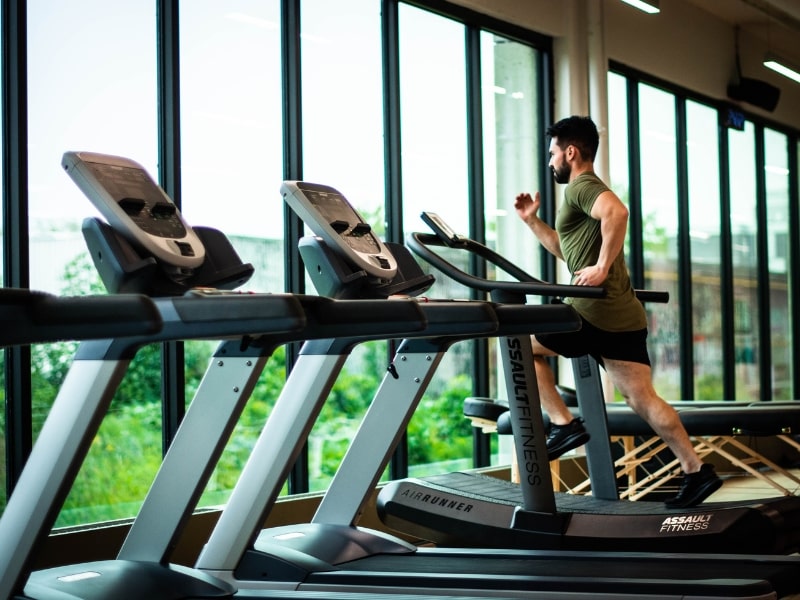
Mastering how to meditate before cardio empowers you to create a balanced and effective workout regimen. With consistent practice, you will notice improvements in focus, energy, and recovery, transforming your fitness journey into a more mindful and rewarding experience. Embrace these techniques to elevate your exercise routine and enjoy the holistic benefits of both meditation and cardio.