Discover how to quickly prepare your mind with a one-minute meditation before heading out for a run. This simple yet effective practice can significantly enhance your focus, calm your nerves, and boost your overall running experience, all within just a minute of your time.
Learn practical steps to create a peaceful environment, execute a quick breathing and mindfulness routine, and incorporate visualization techniques that help you start your run with clarity and energy. This guide is designed to fit seamlessly into your pre-run routine, ensuring you gain maximum benefit in minimal time.
Introduction to Quick Meditation Before Running

Engaging in a brief meditation session prior to running can significantly enhance performance, mental clarity, and overall well-being. For runners, especially those with busy schedules, incorporating a quick meditation routine offers a practical way to prepare the mind and body for physical activity without adding time constraints. Even a focused one-minute meditation can serve as a powerful tool to center oneself, reduce pre-run anxiety, and increase focus.
The importance of short meditation routines lies in their ability to deliver immediate mental benefits while seamlessly fitting into a pre-run ritual. Such routines help in calming the nervous system, fostering positive anticipation, and aligning mental energy with physical intent. The benefits are not solely psychological; they can also lead to improved breathing patterns, better coordination, and heightened awareness during the run.
Preparing Quickly for Meditation
Preparation for a one-minute meditation before running involves simple, quick steps that set the stage for effective practice. These steps ensure that the mind is focused and the body is ready to relax without the need for complex setups or extensive instructions. The primary goal is to create an environment conducive to mindfulness within a very short time frame.
Effective preparation includes choosing a quiet space, adopting a comfortable posture, and setting a clear intention for the meditation. This can be as simple as standing still, sitting on a park bench, or even leaning against a wall. The key is to minimize distractions and to approach the practice with a sense of purpose, allowing your attention to shift inward swiftly and efficiently.
Proper preparation ensures that even in just 60 seconds, the meditation is impactful and sets a positive tone for the run ahead.
Setting up a 1-minute meditation environment
Establishing a quiet and calming space within a minute is essential for effectively centering your mind before a run. Creating an environment that minimizes distractions and promotes focus allows you to quickly transition into a state of mindfulness, enhancing your physical performance and mental clarity. Even in limited time, small adjustments can make a significant difference in preparing your mind for the activity ahead.A well-prepared meditation space need not be elaborate.
It involves simple steps that can be executed swiftly, ensuring you maximize your brief meditation interval. The goal is to foster a sense of tranquility and focus, setting a positive tone for your run.
Creating a calming space in under a minute
To efficiently set up a meditation-friendly environment, follow these quick steps designed to clear mental and physical clutter, enabling a focused meditation session:
- Identify a quiet corner: Find a spot away from noise, traffic, or household distractions. This could be a corner of your room, a peaceful outdoor bench, or a quiet section of your office.
- Remove visual clutter: Quickly tidy or turn away from clutter or screens to reduce visual distractions. Simplify your surroundings as much as possible within the time frame.
- Adopt a simple posture: Sit comfortably with your back straight but relaxed, either cross-legged on the ground, on a chair with feet flat, or in a standing position if necessary. Rest your hands gently on your lap or knees.
- Adjust lighting: Dim harsh lighting or close curtains if indoors. If outdoors, choose a shaded spot to avoid glare, creating a soft, soothing environment.
- Activate a calming gesture: Take a few deep breaths, gently close your eyes, or focus your gaze softly downward to minimize external stimuli and direct attention inward.
Implementing these steps swiftly ensures that, even with limited time, your environment becomes conducive to focused breathing and mindfulness, setting a solid foundation for your quick meditation.
Environment elements, purpose, and positioning
To visualize and optimize the environment setup, consider the following table which details key elements, their purpose, and suggested positioning:
| Environment Element | Purpose | Suggested Positioning |
|---|---|---|
| Quiet corner or space | Minimize external noise and distractions | A secluded, low-traffic area, preferably away from open windows or loud appliances |
| Clean, clutter-free surface | Reduce visual clutter for mental clarity | On a flat surface such as a chair seat, cushion, or floor mat in the chosen space |
| Soft lighting or shade | Create a calming ambiance | Near windows with curtains drawn, or with lamps on a dim setting to soften the environment |
| Comfortable seating posture | Support relaxed but alert sitting | On a chair, cushion, or directly on the ground, ensuring the spine is upright |
| Minimal external stimuli | Enhance focus and reduce distractions | Switch off or silence electronic devices; close doors/windows to reduce noise |
“Fostering an environment that promotes calmness and focus within a minute can significantly enhance the effectiveness of your quick meditation. Prioritize simplicity, comfort, and minimal distractions.”
Step-by-step guide to meditate in 1 minute
Engaging in a quick meditation before running can significantly enhance focus, reduce pre-exercise anxiety, and improve overall performance. This brief practice requires a structured approach that fits seamlessly into your pre-run routine, ensuring you can quickly center your mind and prepare your body for activity. By following a concise, effective technique, you can harness the benefits of meditation in just one minute, setting a calm and alert tone for your run.This guide provides clear, practical steps to help you maximize this short meditation session.
It emphasizes proper breathing, mental focus, and posture, all tailored to fit into a busy or time-restricted schedule. Incorporating these steps into your routine can lead to immediate mental clarity and physical readiness, making your running experience more enjoyable and mindful.
Concise breathing exercise to calm the mind rapidly
Breathing is a fundamental component of effective meditation, especially when time is limited. A simple yet powerful technique involves deep, diaphragmatic breathing to activate the parasympathetic nervous system, which promotes relaxation. This exercise can be completed in a matter of seconds and helps diminish stress and mental clutter before starting your run.Begin by inhaling slowly through your nose for a count of four, allowing your abdomen to expand as your lungs fill with air.
Hold your breath gently for a count of two. Then, exhale smoothly through your mouth or nose for a count of four, fully releasing tension. Repeat this cycle two to three times, focusing solely on your breath to anchor your attention.
Inhale calmly for four seconds, hold briefly, then exhale slowly for four seconds. Repeat as needed to create a sense of calm and focus.
Quick mindfulness technique to focus attention
Developing present-moment awareness quickly redirects your focus from any pre-run jitters to the here and now. A straightforward mindfulness practice involves observing your surroundings and sensations without judgment. This technique can be performed in a few seconds and greatly enhances your mental clarity.Focus your attention on your breath, feeling the sensation of air entering and leaving your nostrils or chest rising and falling.
Alternatively, listen intently to the ambient sounds around you or notice the physical contact points—such as your feet on the ground or hands resting on your thighs. As you do this, gently dismiss any distracting thoughts, bringing your focus back to the chosen anchor.
Proper posture during brief meditation, including visual cues
Maintaining correct posture ensures that your body is aligned for optimal breathing and mental relaxation. Even in a short meditation, proper positioning supports focus and comfort. Visual cues such as a straight spine, relaxed shoulders, and an open chest facilitate effective breathing and mental alertness.Sit or stand upright with your back straight but relaxed. Keep your shoulders down and away from your ears, allowing your chest to open slightly.
Rest your hands on your lap or thighs if seated, or let your arms hang naturally if standing. Keep your head aligned with your spine, chin slightly tucked. Visualize a string gently pulling the top of your head upward, lengthening your spine while keeping your neck relaxed. This posture encourages alertness without tension and creates a stable base for your meditation.
| Step | Action | Duration |
|---|---|---|
| 1 | Find a comfortable seated or standing position, elongate your spine, relax shoulders. | 10 seconds |
| 2 | Begin deep breathing: inhale through nose for 4 seconds, hold for 2 seconds, exhale through mouth or nose for 4 seconds. | 20 seconds |
| 3 | Focus on breath sensations or ambient sounds, dismissing distractions. | 20 seconds |
| 4 | Gently return awareness to your body, prepare mentally and physically for your run. | 10 seconds |
Techniques to Enhance Focus Before Running
Preparing your mind for a run involves more than just physical readiness; mental focus significantly impacts performance and enjoyment. Effective focus techniques can help clear mental clutter, boost confidence, and create a positive mindset, ensuring that your run is both productive and fulfilling. Incorporating specific mental exercises prior to running can lead to improved concentration, reduced anxiety, and heightened awareness of your body and surroundings.
Utilizing methods such as visualization and positive affirmations engages the mind in a way that optimizes readiness and motivation. These techniques encourage a calm yet alert state, allowing you to approach your run with clarity and purpose. Below are some proven strategies to sharpen your mental focus before heading out.
Focus Enhancement Techniques
| Technique | Description | Tips |
|---|---|---|
| Visualization | This involves creating a vivid mental image of yourself running successfully, experiencing smooth movement, and feeling confident. It helps align your mind with your physical goal, reducing pre-run anxiety and increasing focus. | Imagine the course, your stride, and the feeling of exertion. Use all senses—visual, auditory, and kinesthetic—to make the scene as real as possible. Practice this for a minute before your run. |
| Positive Affirmations | Repeating uplifting and motivating statements to reinforce self-confidence and mental readiness. Affirmations help counteract negative thoughts and foster a resilient mindset. | Choose affirmations tailored to your goals, such as “I am strong and ready,” “I enjoy my run,” or “I am focused and energized.” Repeat silently during your pre-run meditation or just before starting. |
| Breathing Exercises | Deep, controlled breathing calms the nervous system, enhances oxygen flow, and centers your attention on the present moment. This reduces distraction and mental noise. | Practice diaphragmatic breathing—inhale slowly through the nose, allowing your abdomen to rise, then exhale gradually through the mouth. Focus on each breath cycle to cultivate calmness. |
| Body Scan Meditation | Focusing attention sequentially on different parts of the body helps release tension and heighten bodily awareness, promoting a mindful state conducive to focused running. | Start from your toes and move upward, noticing sensations without judgment. Incorporate this brief scan into your one-minute meditation to anchor your focus. |
“Mindfulness and visualization are powerful tools to prime your mental state, transforming pre-run nerves into focused energy.” — Sports Psychologist
Common challenges and solutions in quick meditation
Engaging in a one-minute meditation before running can be highly effective for mental clarity and focus. However, several common challenges may arise during such brief sessions. Recognizing these obstacles and implementing practical solutions ensures that your meditation remains effective and integrates seamlessly into your pre-run routine. Addressing distractions, maintaining focus, and troubleshooting common issues like wandering thoughts or impatience can significantly enhance your meditation experience and overall performance.Understanding and overcoming these challenges is essential for cultivating a consistent meditation habit that optimally prepares you for your run.
By adopting targeted strategies, you can turn potential disruptions into opportunities for deeper mindfulness even within a limited timeframe.
Identifying and Eliminating Distractions
In a busy environment, external distractions such as noise, movement, or interruptions can divert attention during your quick meditation. Rapidly minimizing these distractions helps you stay centered and maximize the benefits of your session. Setting up a dedicated, quiet corner or choosing a time when the environment is calmer can be effective. Additionally, turning off notifications on your devices, closing windows, or using noise-canceling headphones can help create a peaceful space.To swiftly eliminate distractions:
- Use a physical barrier or quiet corner where external noise is minimized.
- Silence or turn off notifications on your phone and other devices.
- Inform others around you of your meditation time to prevent interruptions.
- Opt for a time when household or environmental activity is low, such as early morning or late evening.
Maintaining Focus During a Short Session
Focus can easily drift during even a brief meditation, especially when the mind is restless or impatient. Developing mental strategies to sustain attention is crucial. Employing simple techniques like focusing on the breath, repeating a calming phrase, or visualizing a peaceful scene can anchor your awareness. Remember, the goal is not to eliminate all thoughts but to gently return attention to your chosen focal point whenever distraction occurs.To enhance focus:
- Choose a specific and simple focus point, such as your breath or a calming phrase.
- Gently acknowledge wandering thoughts without judgment and redirect your attention.
- Maintain a relaxed posture to prevent physical discomfort that might distract you.
- Use a subtle mental cue, like a soft “inhale-exhale” count, to keep your mind anchored.
Troubleshooting Common Issues
Even with preparation, you may encounter persistent issues like a wandering mind or impatience. Recognizing these problems early allows you to address them effectively. Addressing these issues with specific strategies can help you stay on track and derive maximum benefit from your quick meditation practice.
- Wandering mind: When thoughts drift away, acknowledge their presence without engagement and gently bring focus back to your breath or mantra.
- Impatience or restlessness: Accept that these feelings are natural. Deepen your focus on physical sensations or the rhythm of your breathing to cultivate patience.
- Physical discomfort: Adjust your posture slightly or take a few deep breaths to release tension and improve concentration.
- External interruptions: If unavoidable, briefly pause your session, address the interruption, and resume with a renewed focus.
Remember, the key to successful quick meditation lies in gentle persistence and flexibility. Small adjustments and a forgiving attitude toward distractions can significantly improve your experience and effectiveness.
Integrating 1-minute meditation seamlessly into pre-run routine
Establishing a smooth transition between your warm-up activities and your run can significantly enhance performance and mental clarity. Incorporating a quick, focused meditation into this routine allows runners to center themselves, reduce pre-exercise anxiety, and boost concentration. When integrated thoughtfully, this practice becomes a natural part of your pre-run preparedness, setting a positive tone for your workout ahead.A well-structured pre-run routine that combines stretching and meditation ensures that both the body and mind are optimally prepared.
Timing and sequencing are crucial to maximize benefits without delaying your start. Implementing concise, organized routines allows runners to efficiently utilize their time, fostering consistency and mental readiness with minimal disruption.
Quick routines combining stretching and meditation
To optimize your pre-run preparation, consider the following routines that blend gentle stretching with a brief meditation session. These routines are designed to fit into a 5- to 10-minute window, with the meditation as the final step before heading out. Each routine can be adjusted based on individual preferences, available time, and specific needs.
| Routine | Time Allocation | Steps |
|---|---|---|
| Routine A: Dynamic Stretching + Focused Breathing | 7 minutes |
|
| Routine B: Static Stretching + Mindful Pause | 8 minutes |
|
| Routine C: Combined Movement & Meditation | 10 minutes |
|
Incorporating these routines consistently can help establish a mental and physical state conducive to a successful run. The key is to maintain a steady sequence that emphasizes gradual preparation, with meditation serving as the calming and centering element at the end of each session.
Optimal timing and sequence ensure that physical readiness is complemented by mental focus, leading to improved performance and enjoyment during your run.
Visual and Descriptive Explainings for Meditation Cues

Engaging the senses through vivid imagery and sensory awareness enhances the effectiveness of a quick meditation practice before running. By anchoring your attention to specific visualizations and physical sensations, you deepen your focus, calm your mind, and prepare your body for the activity ahead. Carefully crafted cues foster a sense of presence and clarity, setting a positive tone for your run.During meditation, incorporating rich visual and sensory cues helps anchor your awareness.
These cues serve as guides, allowing your mind to settle into a state of calmness and focus, ultimately reducing pre-run anxiety and increasing performance readiness.
Imagery and Sensory Focus During Meditation
The power of visualization lies in creating a mental environment that promotes tranquility and focus. Descriptive imagery can evoke feelings of peacefulness, strength, and clarity, which are essential for a productive pre-run meditation. Sensory experiences, such as sensations of breath or bodily contact, anchor your attention and reinforce mindfulness.To enhance concentration during your brief meditation, focus on the following visual and sensory cues:
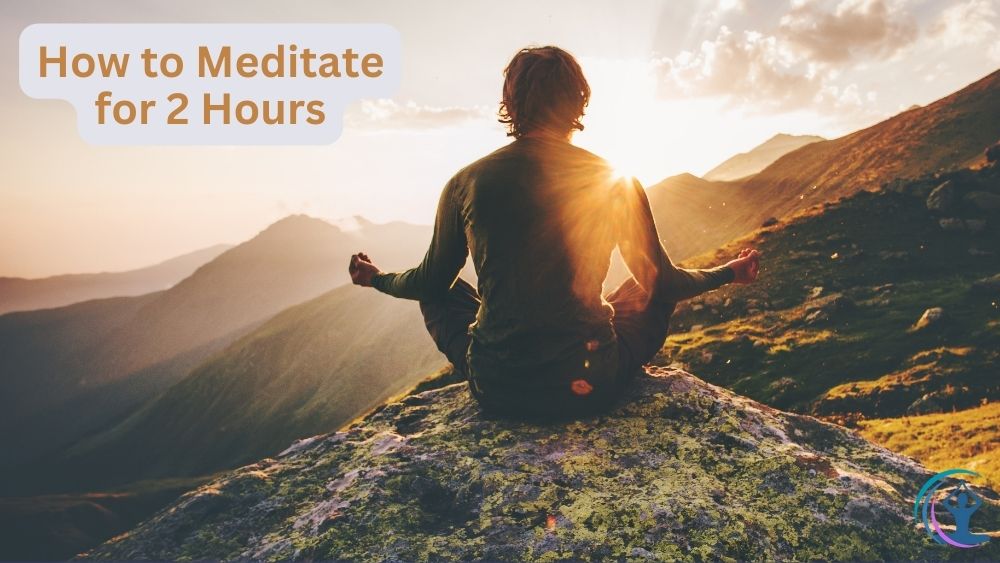
- Nature Scenes: Imagine yourself in a serene natural setting—such as a quiet forest, a peaceful beach at sunrise, or a tranquil mountain vista. Visualize the gentle sway of trees, the rhythmic ebb of waves, or the expansive horizon stretching endlessly. Picture the sunlight filtering through leaves or casting a warm glow, creating a calming atmosphere.
- Color and Light: Focus on calming colors like soft blues, gentle greens, or warm oranges. Visualize these hues enveloping your surroundings, filling your mind with serenity. Imagine the way light dances across your visual field, gradually intensifying or softening to match your breathing rhythm.
- Physical Sensations: Pay attention to sensations like the feeling of your feet firmly grounded, the gentle rise and fall of your chest with each breath, or the sensation of air passing through your nose or mouth. These sensations serve as anchors to keep your mind present and focused.
- Breath Visualization: Envision your breath as a calming wave or a gentle breeze. As you inhale, imagine drawing in fresh, vital energy, and as you exhale, picture releasing tension and stress. This visualizes the breath as a natural flow that calms your nervous system.
Body Awareness and Breath Sensations
Deepening your awareness of bodily sensations and breath can significantly enhance your meditation’s impact. In a short span, focusing on these physical cues can calm the nervous system, improve concentration, and boost confidence before running.Start by directing attention to key body areas:
- Feet and Legs: Feel the contact points where your feet meet the ground. Notice any pressure, warmth, or texture—imagine roots anchoring you firmly to the earth, providing stability and strength.
- Core and Posture: Recognize the alignment of your spine, the gentle engagement of your abdominal muscles, and the relaxed openness of your chest. Visualize your posture as poised and resilient, ready for movement.
- Shoulders and Arms: Detect any tension or tightness, consciously relaxing these areas. Visualize your shoulders broadening slightly, becoming loose and free, as if releasing unnecessary weight.
- Breath Sensations: Focus on the air entering and leaving your body. Feel the coolness as you inhale through your nose or mouth, and the warmth as you exhale. Notice the rise and fall of your chest and abdomen, synchronizing your awareness with each breath cycle.
To deepen this awareness, imagine your breath as a gentle tide flowing through your body—rising during inhalation and ebbing during exhalation, each cycle bringing calmness and clarity. As your attention remains fixed on these sensations, distractions fade, and a sense of centered calm emerges, priming you physically and mentally for the run ahead.
Closing Summary

Incorporating a one-minute meditation before your run is a powerful way to set a positive tone for your exercise session. By applying these quick techniques, you can improve mental focus, reduce stress, and enhance overall performance, making your runs more enjoyable and effective.