Discover how a brief 15-minute morning meditation can transform your day by enhancing focus and boosting productivity. Starting your day with this simple yet effective practice sets a calm and centered tone, helping you approach daily tasks with clarity and purpose.
In this guide, you’ll learn practical steps to prepare your environment, follow a structured meditation routine, and incorporate techniques that maximize your focus within a short time frame. Embracing this routine can lead to improved mental clarity, reduced stress, and a more mindful start to your mornings.
Introduction to 15-minute morning meditation for focus
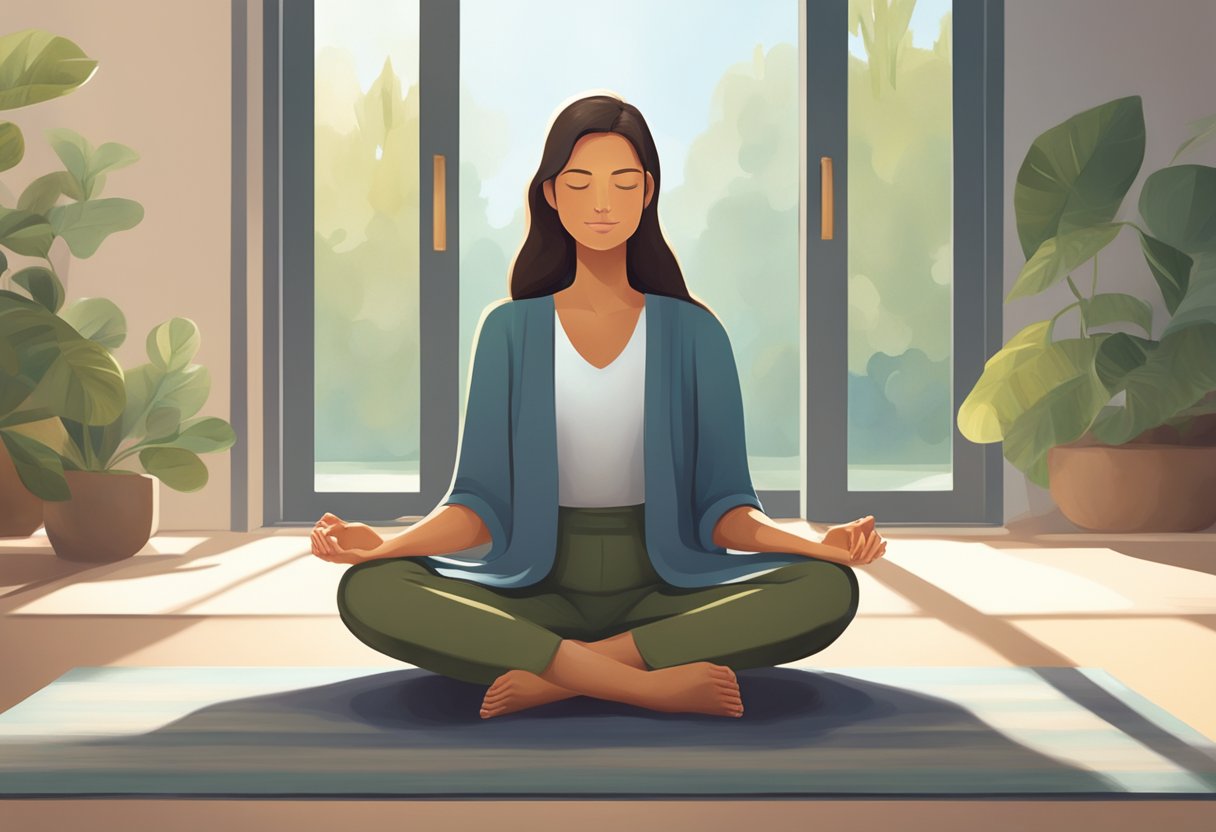
Starting the day with a brief meditation session can significantly influence your mental clarity and overall productivity. A concise 15-minute morning meditation offers an accessible way to cultivate focus and calmness before engaging in daily tasks. This practice is particularly beneficial for busy individuals seeking a manageable yet impactful routine that enhances their mental state from the moment they wake up.
Engaging in a structured 15-minute meditation helps set a positive tone for the day, allowing individuals to clear mental clutter and establish a centered mindset. Such a routine not only improves concentration but also fosters emotional resilience, reduces stress, and promotes a sense of well-being. When integrated consistently, this short meditation session can lead to noticeable improvements in daily focus, decision-making, and overall productivity, making it an invaluable habit for personal and professional growth.
Overview of the structure and purpose of this meditation practice
This meditation practice is designed to be straightforward and efficient, fitting seamlessly into a busy morning schedule. It typically involves a combination of breathing exercises, mindfulness techniques, and gentle visualization to anchor attention and promote mental clarity.
The primary purpose of this 15-minute routine is to create a dedicated space for mental reset and focus enhancement. By dedicating this brief period each morning, practitioners can develop a consistent habit that cultivates mindfulness, improves concentration, and prepares the mind to handle daily challenges with greater ease and composure.
Step-by-step guide to meditating in 15 minutes

Embarking on a 15-minute morning meditation session can significantly enhance your focus and mental clarity throughout the day. To maximize the benefits within this brief period, it is essential to follow a structured approach that balances breathing exercises, visualization, and grounding techniques. This guide provides an organized timetable and clear instructions to help you seamlessly incorporate meditation into your morning routine with ease and consistency.
By allocating specific intervals for each phase, you create a disciplined yet flexible framework that fosters mindfulness and relaxation. Understanding and practicing techniques such as mindful breathing, body scan, and gratitude reflection will deepen your meditation experience, setting a positive tone for the day ahead.
Structured Timetable for 15-minute Meditation
To make the most of your 15-minute meditation, follow this detailed timetable that divides the session into distinct phases. Each segment is designed to gradually calm the mind, promote awareness, and ground your thoughts in gratitude and presence.
| Time Allocation | Phase | Description |
|---|---|---|
| 0:00 – 3:00 minutes | Preparation & Settling | Find a comfortable seated position, close your eyes gently, and take a few deep breaths to relax your body and mind. Focus on settling into the space around you. |
| 3:00 – 8:00 minutes | Mindful Breathing & Body Scan | Practice mindful breathing by inhaling slowly through the nose, holding briefly, then exhaling gently through the mouth. Simultaneously, perform a body scan, bringing awareness to each part from head to toes, releasing tension as you go. |
| 8:00 – 12:00 minutes | Visualization & Focus | Engage in visualization, imagining a peaceful place or a positive outcome for the day. Maintain a gentle focus on this image, allowing it to anchor your attention. |
| 12:00 – 15:00 minutes | Grounding & Gratitude Reflection | Conclude with grounding techniques such as feeling the contact points with the chair or floor. Reflect on things you are grateful for, fostering a sense of appreciation and contentment to carry into your day. |
Specific Techniques for a Focused Morning Meditation
Implementing particular mindfulness techniques enhances the effectiveness of your meditation, especially when time is limited. These methods serve to deepen your awareness, promote relaxation, and cultivate a positive mindset.
Mindful breathing, body scan, visualization, and gratitude reflection are foundational practices that, when combined, create a comprehensive approach to morning meditation.
Mindful Breathing
Begin with slow, deliberate breaths, focusing entirely on the sensation of air entering and leaving your nostrils or chest. This practice anchors your awareness to the present moment, reducing mental chatter. If your mind wanders, gently redirect your focus back to your breath without judgment.
Body Scan
Perform a systematic scan of your body, starting from the crown of your head down to your toes. Pay close attention to areas of tension or discomfort, consciously releasing any tightness. This technique fosters physical relaxation and heightened bodily awareness, which enhances mental calmness.
Gratitude Reflection
Dedicate a few moments to reflect on aspects of your life for which you feel grateful. Focus on sensations of thankfulness, and silently acknowledge these blessings. This practice shifts your mindset towards positivity, setting an optimistic tone for your day.
Techniques to Maximize Focus During Short Meditation

Achieving optimal focus within a brief 15-minute meditation session requires intentional techniques that help anchor attention and cultivate present-moment awareness. Employing specific strategies can significantly improve concentration, reduce mental distractions, and enhance the overall effectiveness of your practice. By integrating these methods, practitioners can make the most of their limited time, fostering clarity and mental calmness that carry over into daily activities.
This segment explores practical techniques to enhance focus during a short meditation. By understanding and applying these methods, practitioners can create a structured approach that maintains engagement, minimizes wandering thoughts, and deepens their meditative experience.
Anchoring with Breath
Anchoring with the breath is a foundational technique that helps sustain attention by concentrating on the natural rhythm of breathing. It provides a simple, always-available focal point that echoes the body’s most automatic process, making it ideal for short sessions.
| Technique | Purpose | Steps |
|---|---|---|
| Anchoring with Breath | To ground attention and prevent mind wandering |
|
“Breath awareness anchors your attention in the present moment, reducing mental clutter.”
Sensory Awareness
Enhancing focus through sensory awareness involves deliberately observing your surroundings and bodily sensations. This technique anchors your mind by engaging your senses, fostering a state of mindful presence that naturally diminishes distractions.
| Technique | Purpose | Steps |
|---|---|---|
| Sensory Awareness | To deepen present-moment focus and reduce mental noise |
|
“Sensory engagement grounds your consciousness, making it easier to stay focused during brief meditation.”
Mantra Repetition
Mantra repetition involves silently or softly vocalizing a word or phrase, serving as a mental anchor that keeps the mind engaged and prevents distraction. This method can be especially effective in limited time frames, providing a repetitive focal point that calms the mind.
| Technique | Purpose | Steps |
|---|---|---|
| Mantra Repetition | To stabilize attention and cultivate mental calmness |
|
“Repetition of a mantra fosters a meditative rhythm, helping maintain focus amidst a busy mind.”
Contrasting Meditation Styles Suitable for 15 Minutes
Different meditation styles can be tailored to fit a short, 15-minute session, each with unique focus techniques that can enhance concentration in various ways. Understanding these styles enables practitioners to select the most effective approach based on personal preference or specific focus goals.
| Style | Description | Focus Method |
|---|---|---|
| Mindfulness Meditation | This style emphasizes observing thoughts, feelings, and bodily sensations non-judgmentally. | Focus on breath, sensations, or thoughts as they arise, gently redirecting attention when distractions occur. |
| Focused Attention Meditation | Centers on concentrating intensely on a single object, such as a breath, mantra, or visual focus point. | Use a specific focus point and bring attention back whenever the mind wanders. |
| Body Scan | Involves systematically paying attention to different parts of the body, promoting relaxation and awareness. | Progressively focus on each body part, noting sensations without judgment, which anchors the mind in physical awareness. |
| Guided Visualization | Uses mental imagery to evoke feelings of calm and focus, often guided by an audio track. | Engage the imagination with detailed images, anchoring attention on vivid mental scenes, which can be effective in short durations. |
Choosing a meditation style depends on individual preferences and focus objectives. For instance, mindfulness and focused attention are highly effective for sharpening concentration, while body scan fosters physical relaxation and present-moment awareness. Guided visualization offers a creative mental break, helping clear mental clutter efficiently within 15 minutes.
Common challenges and solutions in quick morning meditation
Engaging in a brief morning meditation session can significantly enhance focus and mental clarity throughout the day. However, even with the best intentions, practitioners often encounter obstacles that hinder consistency and effectiveness. Understanding these common challenges and implementing practical solutions can help individuals maintain a steady meditation practice, especially during busy mornings when time and focus are limited.Meditation, especially when condensed into just 15 minutes, requires discipline and adaptability.
Challenges such as restlessness, distraction, or poor time management are typical and can diminish the benefits if not addressed effectively. Recognizing these issues and knowing how to respond ensures that meditation remains a positive and sustainable part of your morning routine.
Restlessness and difficulty settling the mind
Restlessness is one of the most prevalent hurdles faced during quick morning meditation sessions. An active mind or physical discomfort can make it difficult to settle into a peaceful state. To overcome this, practitioners can incorporate simple breathing exercises that promote relaxation and help harness mental energy productively. For instance, deep diaphragmatic breathing, where one inhales slowly through the nose, holds briefly, then exhales fully through the mouth or nose, can calm the nervous system and reduce agitation.Using guided meditation scripts designed specifically for short sessions can also be highly effective.
These scripts often include calming visualizations or affirmations that anchor your attention and diminish restless thoughts. Additionally, creating a dedicated, comfortable space for meditation, free from distractions, encourages relaxation and signals to your mind that it is time to focus.
Distraction and environmental interruptions
External distractions such as noise, interruptions from family members, or notifications from electronic devices can derail a quick meditation session. To address this, setting a specific time for meditation and informing others of this commitment can reduce interruptions. Using a gentle alarm or meditation timer helps to structure the session and signals its start and end, preventing the temptation to check your phone or get distracted.Employing guided meditations with headphones can create a sense of personal space, blocking out ambient noise.
Additionally, practicing mindfulness techniques that involve gently acknowledging distractions without judgment fosters resilience and helps maintain focus despite environmental interruptions. Lighting a candle or playing soft ambient sounds can also enhance concentration and create a calm atmosphere conducive to focused meditation.
Time management and establishing consistency
Finding time for meditation within a busy morning schedule is often a significant challenge. Prioritizing this practice requires intentional planning and commitment. Setting an alarm or integrating meditation into existing routines—such as immediately after waking up or before starting breakfast—can make it easier to stick with it.To foster consistency, it is beneficial to keep a meditation journal or schedule reminders.
Establishing a specific time each morning creates a routine that becomes a natural part of your day. Recognizing the tangible benefits of regular practice, such as increased focus, reduced stress, and improved mood, can motivate ongoing commitment. Remember that even on days when time seems limited, a few deep breaths or a short centering exercise can make a meaningful difference.
Making meditation a non-negotiable part of your morning routine transforms it from a task into a simple, rewarding ritual that supports your overall well-being.
Incorporating Meditation into a Morning Routine

Establishing a morning meditation session as part of your daily routine can significantly enhance your mental clarity, emotional balance, and overall focus throughout the day. When seamlessly integrated with other morning activities, meditation becomes more consistent, less of a chore, and more a natural component of your wake-up process. Developing a structured approach helps in creating lasting habits that support your well-being and productivity.By pairing meditation with other morning tasks, you can create a cohesive routine that sets a positive tone for the day ahead, ensuring that the benefits of meditation are maximized and maintained over time.
Thoughtful planning and strategic scheduling are key to embedding meditation into your daily habits effectively.
Pairing Meditation with Other Morning Activities
Incorporating meditation into your existing morning activities can make the process more enjoyable and sustainable. Here are some effective ways to combine meditation with other routines:
- Stretching or Gentle Movement: Following a few minutes of stretching or yoga can help loosen muscles, enhance circulation, and prepare the mind for meditation. Gentle movements like neck rolls, shoulder shrugs, or cat-cow stretches, lasting around 5 minutes, can complement your meditation session.
- Journaling or Reflection: After meditation, spend a few minutes jotting down your intentions, gratitude, or thoughts. This practice reinforces mindfulness and helps set a purposeful tone for the day.
- Hydration and Morning Refresh: Drinking a glass of water or rinsing your face before meditation can invigorate your senses, making it easier to focus and stay present during the session.
- Breathing Exercises or Mindful Walking: Combining short breathing exercises or a brief mindful walk before or after meditation can deepen your focus and promote a calm, centered mindset.
Example Morning Schedule Featuring 15-Minute Meditation
Creating a structured schedule ensures that meditation becomes a natural part of your morning. An example schedule might look like this:
| Time | Activity |
|---|---|
| 6:30 AM | Wake up and hydrate (drink a glass of water) |
| 6:35 AM | Gentle stretching or yoga for 5 minutes to wake up the body |
| 6:40 AM | 15-minute meditation session focused on breath awareness or mindfulness |
| 6:55 AM | Journaling or setting intentions for the day (5 minutes) |
| 7:00 AM | Prepare for the day, shower, or get ready |
This schedule allows a smooth progression from waking up to focusing the mind, establishing a calm and productive start.
Reminders and Cues for Habit Formation
Consistent cues and reminders are essential in transforming meditation into a lasting habit. These tools help reinforce your intent and make it easier to remember and prioritize your practice:
- Visual Cues: Place a meditation cushion or a calming object on your bedside table or in a designated meditation space. Seeing it first thing in the morning prompts you to start your practice.
- Digital Reminders: Set daily alarm notifications or calendar alerts on your phone labeled “Morning Meditation” to prompt you at the same time each day.
- Habit Stacking: Attach your meditation practice to an existing routine, such as brushing your teeth or brewing coffee. For example, meditate immediately after brushing your teeth, creating an automatic cue.
- Positive Reinforcement: Reward yourself with a small treat or acknowledgment after completing your meditation. This positive association strengthens the habit loop.
- Consistent Timing: Meditate at the same time each morning to establish a routine that your body and mind come to expect, reducing decision fatigue and increasing adherence.
Incorporating meditation into your morning routine with these strategies ensures that it becomes an integral, effortless part of your day, empowering you to start each morning with clarity and focus.
Visualization and Imagery for Morning Meditation
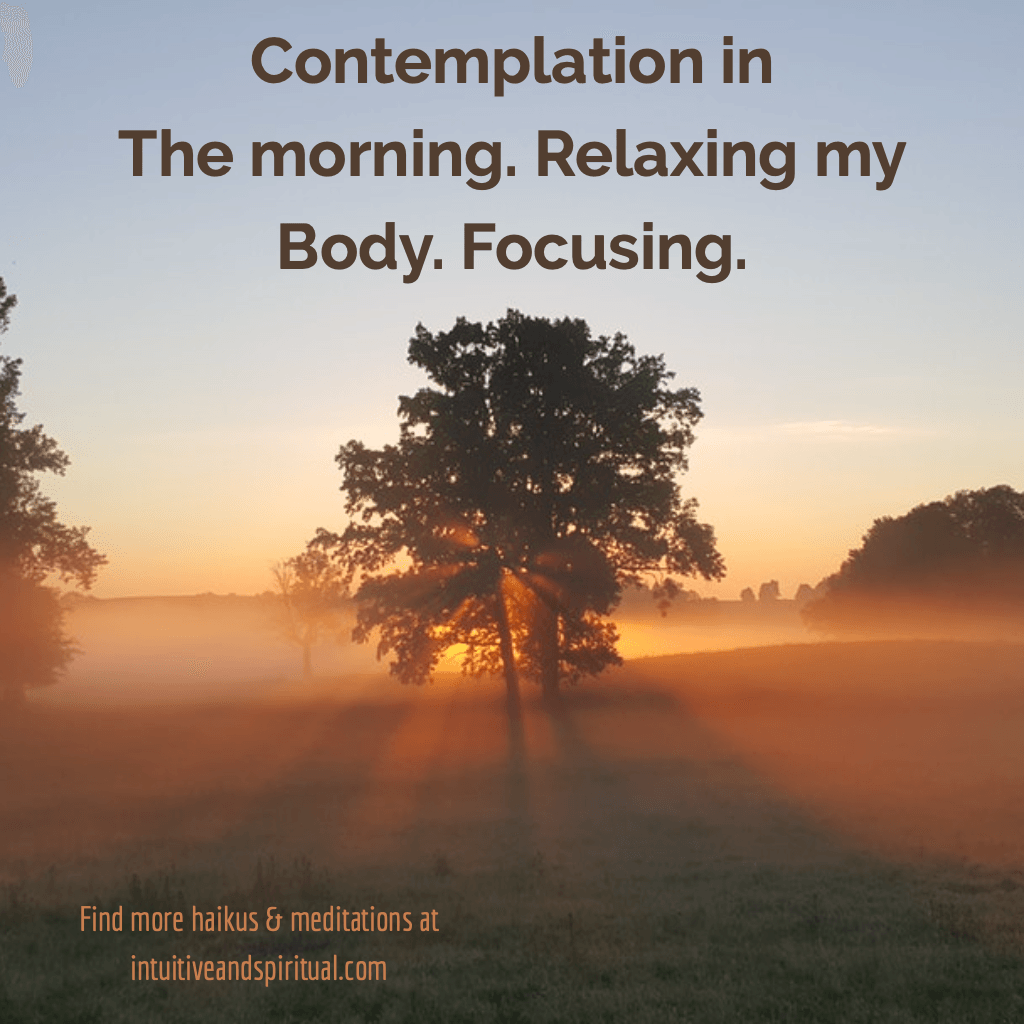
Starting your morning meditation with vivid visualization techniques can significantly enhance your focus and set a peaceful tone for the day. Guided imagery allows you to craft serene mental scenes that foster tranquility, clarity, and motivation. By consciously engaging your senses and imagination, you deepen your meditation practice and cultivate a sense of presence and purpose.Visualization leverages the mind’s capacity to create detailed and calming scenes that align with your goals of focus and serenity.
When these mental images are rich and vivid, they serve as anchors, reducing distractions and heightening your awareness. Effective imagery can also reinforce positive intentions, boost mood, and promote mental resilience throughout the day.
Creating Peaceful Scenes for Morning Meditation
During your 15-minute meditation, envision tranquil landscapes or calming environments that resonate with your inner peace. These scenes should evoke a sense of calmness and stability, helping you detach from daily stressors and center your thoughts.Imagine yourself sitting comfortably in a sunlit forest clearing, where gentle breezes rustle through leaves and the scent of fresh pine fills the air. Visualize the sunlight filtering through the canopy, casting dappled patterns on the soft moss beneath you.
Feel the warmth of the sun on your skin and listen to the distant chirping of birds, anchoring your attention in the present moment.Likewise, picture a peaceful beach at dawn, where soft waves gently kiss the shore. Feel the coolness of the morning air and the granular texture of sand beneath your feet. Observe the horizon where the sky begins to lighten with hues of pink and orange, symbolizing new beginnings and opportunities.
Guided Mental Imagery for Clarity and Focus
Effective visualization involves more than just imagining pleasant scenes; it requires engaging all your senses and focusing your mind to enhance clarity and concentration.Begin by selecting a serene image that represents your goal—such as a mountain summit, a peaceful garden, or a calm lake. Close your eyes and breathe deeply, then imagine yourself immersed in this scene. Visualize every detail—the colors, textures, sounds, and even the subtle sensations like temperature or scent.For example, if you choose a mountain summit, see the rugged terrain under your feet, feel the cool breeze against your face, hear the distant call of an eagle soaring overhead, and smell the crisp, alpine air.
As you deepen this imagery, mentally affirm your focus and clarity, such as “My mind is sharp” or “I am centered and attentive.” This practice helps reinforce your intentions and maintains your concentration during the meditation.
“Visualization transforms your mental landscape, turning abstract intentions into concrete experiences that anchor your focus and cultivate inner calm.”
Last Recap
Incorporating a 15-minute morning meditation into your daily routine can significantly impact your focus, mood, and overall well-being. With consistent practice, you’ll notice enhanced decision-making, increased productivity, and a more peaceful approach to daily challenges. Make this mindful habit a cornerstone of your mornings and experience its lasting benefits.