Preparing mentally before a football match is essential for peak performance, and meditation offers a powerful method to achieve this readiness. By following a structured 11-step process, players can harness the benefits of enhanced focus, reduced anxiety, and increased confidence, setting the stage for a successful game.
This comprehensive guide details each step of the meditation routine, from creating the ideal environment to specific techniques that foster mental clarity and physical awareness. Implementing these practices can help athletes enter the field with a calm, focused mind and a heightened sense of readiness.
Introduction to Meditation Before Football
Preparing mentally before a football game is as crucial as physical training. A focused and calm mind enhances decision-making, reaction times, and overall performance on the field. As athletes face high-pressure situations, cultivating mental resilience becomes essential for optimal results.
Meditation offers a powerful tool to achieve this mental clarity. By incorporating a structured meditation routine prior to the game, players can significantly reduce pre-match anxiety, sharpen their concentration, and foster a sense of confidence. This mental preparation sets the stage for peak performance, enabling players to remain composed and alert throughout the match.
Enhancing Focus, Reducing Anxiety, and Improving Performance
Meditation helps athletes develop a heightened state of awareness and mindfulness, which translate directly into better focus during gameplay. It allows players to clear their minds of distracting thoughts and emotional stressors that may impair their judgment or reaction times. Moreover, meditation aids in alleviating anxiety by promoting relaxation and a sense of control over one’s mental state, which is particularly beneficial during high-stakes matches or tense situations.
Empirical studies support these benefits, showing that athletes who practice meditation regularly experience improvements in concentration, emotional regulation, and resilience. For example, professional football players who incorporate mindfulness and meditation into their routines report heightened alertness and reduced nervousness before key matches. By adopting an 11-step meditation process tailored specifically for football players, individuals can systematically prepare their minds for competition, ensuring they enter the game with a calm, focused, and confident mindset.
Setting Up the Environment for Meditation
Creating an optimal environment for meditation prior to a football game is essential to maximize focus, relaxation, and mental clarity. A well-prepared space helps players transition from the hustle of daily routines to a calm, centered state that primes their minds for peak performance on the field. The right setting minimizes distractions and enhances the effectiveness of meditation as part of pre-game preparation.
Ensuring the environment is quiet, comfortable, and free from disruptions allows athletes to fully immerse themselves in their meditation practice. Incorporating elements such as appropriate lighting, seating arrangements, and soothing scents or sounds can significantly elevate the quality of meditation, fostering a sense of tranquility and focus that carries over into the game.
Creating a Quiet and Comfortable Space
The foundation of an effective meditation environment is a space that promotes tranquility and comfort. This area should be located away from noise, foot traffic, or any other sources of disturbance. Ideally, it is a quiet corner within the locker room, a dedicated meditation room, or a secluded outdoor spot with minimal activity.
A comfortable seating arrangement is crucial; players can use cushions, mats, or chairs that support an upright posture without causing discomfort. The temperature of the space should be moderate, neither too hot nor too cold, to prevent physical discomfort that could distract from meditation. Ensuring good ventilation and fresh air circulation further contributes to a calming atmosphere.
Organizing Tips for a Distraction-Free Zone
To foster deep concentration, it is important to eliminate potential interruptions that could divert attention during meditation. Here are practical tips for establishing a distraction-free zone:
- Choose a location with minimal foot traffic and sound disturbances, such as a quiet corner or a separate room.
- Use soft, natural lighting or dimmed artificial lights to create a serene ambiance, avoiding harsh or fluorescent lighting that can cause discomfort.
- Arrange seating to ensure stability and comfort, using cushions or ergonomic chairs as needed to promote an upright yet relaxed posture.
- Remove electronic devices or switch them to silent mode to prevent notifications or calls from disrupting the session.
- Use screens or partitions, if necessary, to block visual distractions from the surrounding environment.
Incorporating Calming Scents and Sounds
Enhancing the meditation environment with calming scents or sounds can deepen relaxation and aid in achieving a focused state. These sensory elements serve to mask any residual background noise and create a soothing atmosphere conducive to meditation.
Natural scents such as lavender, chamomile, or sandalwood are renowned for their relaxing properties. They can be introduced via essential oils diffusers, scented candles, or aromatic sprays placed strategically within the space. It is important to ensure that the scents are not overpowering, as excessive fragrances can be distracting or cause discomfort.
Similarly, ambient sounds or music designed for relaxation can help maintain concentration. Gentle sounds like flowing water, nature sounds (birds, ocean waves), or soft instrumental music can be played at low volume through speakers. These sounds not only foster tranquility but also mask any unexpected noises, helping athletes stay immersed in their meditation practice.
Step 1: Grounding Techniques to Center Focus
Engaging in grounding techniques before meditation helps athletes transition from the physical activity of football into a calm, focused mental state. This initial step establishes a foundational sense of presence, allowing players to clear mental clutter and sharpen concentration. Properly grounded individuals often experience increased mental clarity, reduced anxiety, and enhanced readiness to engage in mindful meditation, which ultimately benefits their performance on the field.Grounding exercises serve as a bridge, anchoring the mind to the present moment through physical sensations and controlled breathing.
These techniques foster a stable mental environment, essential for effective meditation and focused athletic performance. Implementing simple yet effective grounding methods can greatly improve a player’s ability to enter a meditative state with ease and confidence.
Grounding Posture and Hand Placements
Achieving an optimal grounding posture involves sitting comfortably with a straight back, relaxed shoulders, and feet flat on the ground. This position promotes alertness while maintaining relaxation. The hands are typically placed resting on the thighs or knees, with palms facing downward or upward, depending on personal preference. Resting the hands gently allows for a sense of stability and ease, minimizing unnecessary tension.Visualize the grounding posture as sitting upright with your spine aligned, shoulders relaxed, and the weight evenly distributed on both sit bones.
Your hands rest naturally on your legs, with fingers softly extended or gently curled. This posture not only supports physical stability but also encourages mental focus, creating an environment conducive to successful grounding exercises.
Deep Breathing as a Grounding Exercise
Deep breathing is a fundamental grounding technique that helps regulate the nervous system and cultivate present-moment awareness. To practice, inhale slowly through the nose, allowing the diaphragm to expand and fill the lungs completely. Hold the breath briefly, then exhale slowly through the mouth or nose, releasing tension and promoting relaxation.This process emphasizes diaphragmatic breathing, which is characterized by steady, deep breaths that engage the abdomen.
For example, inhaling for a count of four, pausing for a count of four, then exhaling for a count of four creates a rhythmic pattern that calms the mind and reduces physiological arousal often associated with pre-competition nerves. Regular practice of deep breathing enhances concentration by anchoring attention to the breath, thereby improving focus during meditation and subsequent athletic performance.
Body Scan for Physical and Mental Grounding
The body scan is an effective grounding exercise that involves systematically bringing awareness to different parts of the body. Starting from the crown of the head and moving downward, athletes focus on sensations such as contact with the ground, tension, or relaxation in each area. This practice fosters a stronger mind-body connection and helps release physical tension accumulated during physical activity.During a body scan, maintain a comfortable seated posture and close the eyes if preferred.
As you mentally “scan” each body part—head, shoulders, arms, torso, legs—note any areas of tightness or discomfort without judgment. Visualize breathing into those areas, imagining tension melting away with each exhale. The body scan amplifies grounding by anchoring attention to physical sensations, which in turn minimizes mental distractions and enhances overall focus before meditation and action on the field.
Step 2: Breathing Exercises for Calmness
Engaging in mindful breathing exercises before a football match can significantly reduce pre-game nerves and enhance focus. Proper control of breath not only calms the mind but also prepares the body physically and mentally for optimal performance. Incorporating these techniques into your pre-game routine helps establish a sense of tranquility and readiness, allowing you to approach the game with confidence and clarity.Controlled breathing exercises serve as a powerful tool to manage anxiety, stabilize heart rate, and foster mental resilience.
By consciously regulating your breathing pattern, you create a physiological state conducive to concentration and calmness, which are essential for executing skills and making strategic decisions on the field. These exercises are simple to learn and can be practiced anywhere, making them an accessible method to enhance your mental game.
Diaphragmatic Breathing
Diaphragmatic breathing, also known as belly breathing, emphasizes deep inhalations that engage the diaphragm fully. This technique helps increase oxygen intake, relaxes the nervous system, and reduces stress levels. It is especially effective for athletes experiencing pre-game tension or adrenaline surges.
To practice diaphragmatic breathing:
- Find a comfortable seated or lying position in a quiet space.
- Place one hand on your chest and the other on your abdomen.
- Inhale slowly through your nose, directing the breath toward your abdomen, so the hand on your stomach rises while the chest remains relatively still.
- Pause briefly when you’ve filled your lungs fully.
- Exhale gently through pursed lips or your nose, feeling your abdomen fall as you release the air.
- Repeat this cycle for 5 to 10 minutes, maintaining a steady, unforced rhythm.
“Focus on expanding your belly with each inhale and gently contracting it with each exhale to maximize relaxation.”
Box Breathing
Box breathing, also known as four-square breathing, is a rhythmic pattern that involves inhaling, holding, exhaling, and pausing, each for a count of four. This method promotes mental clarity, emotional stability, and focus by creating a consistent breath rhythm.
Implementing box breathing involves:
- Inhale slowly through your nose for a count of four, filling your lungs completely.
- Hold your breath consciously for four seconds, maintaining awareness of your internal state.
- Exhale smoothly and fully through your mouth or nose for four seconds, releasing all tension.
- Pause and hold your breath after exhalation for another four seconds before beginning the cycle again.
This pattern can be extended or shortened based on comfort, but maintaining a steady four-second rhythm fosters a sense of control and calmness. Visualizing the flow of breath as a rhythmic wave—rising during inhalation, pausing at the peak, then falling during exhalation—can reinforce the calming effect and help synchronize your mental and physical states.
“Imagine each breath as a gentle wave—rising, pausing, and falling—anchoring your focus and soothing your nerves.”
Regular practice of these breathing exercises before a football game can lead to a natural reduction in stress and enhance your overall performance. Integrating controlled breathing into your pre-game meditation routine establishes a focused, composed, and resilient mindset essential for competitive play.
Visualization of Successful Performance
Visualization is a powerful mental tool that can significantly enhance athletic performance by creating a vivid mental blueprint of successful execution on the field. This step involves consciously imagining yourself performing at your best during a football game, which can boost confidence, reduce anxiety, and reinforce positive habits. Mastering this technique allows players to precondition their minds for success, translating mental imagery into real-world performance.
Engaging in guided visualization helps athletes develop a clear, detailed, and positive mental picture of their ideal game. By repeatedly practicing this process, players can strengthen their focus, improve reaction times, and foster a resilient mindset. The key is to make these mental images as realistic and sensory-rich as possible, so the brain perceives them as actual experiences, thereby influencing physical performance in a beneficial manner.
Creating Vivid Mental Images of Executes and Outcomes
Effective visualization involves constructing detailed scenarios that simulate real-game plays, emphasizing successful outcomes. This process not only reinforces technical skills but also cultivates a confident and calm mental state before stepping onto the field.
- Start by closing your eyes in a quiet, comfortable environment and take a few deep breaths to center yourself.
- Imagine yourself in the specific setting of a game—visualize the stadium, the sounds of the crowd, and the atmosphere around you. Engage all your senses to make the scene as vivid as possible.
- Focus on a particular play or situation, such as making a successful pass, executing a perfect tackle, or scoring a goal. Picture yourself performing each movement smoothly and with precision.
- Visualize the details of the play: the positioning of teammates and opponents, the movement of the ball, and your own body mechanics. Feel the texture of the ball, the pressure of the turf beneath your feet, and the rhythm of your breathing.
- See yourself responding confidently to unexpected challenges or opponent actions, maintaining composure and executing your skills flawlessly.
- Emphasize positive outcomes, such as the crowd cheering, teammates congratulating you, and yourself feeling accomplished and focused after the successful move.
“Create mental images that are not only clear and detailed but also positively reinforce your capabilities and confidence.”
Guided visualization sessions can be enhanced by using recorded recordings or a coach’s instructions that lead you through these detailed scenarios. Regular practice ensures that these vivid images become second nature, seamlessly translating into heightened performance during actual matches.
Step 4: Affirmation Statements to Boost Confidence
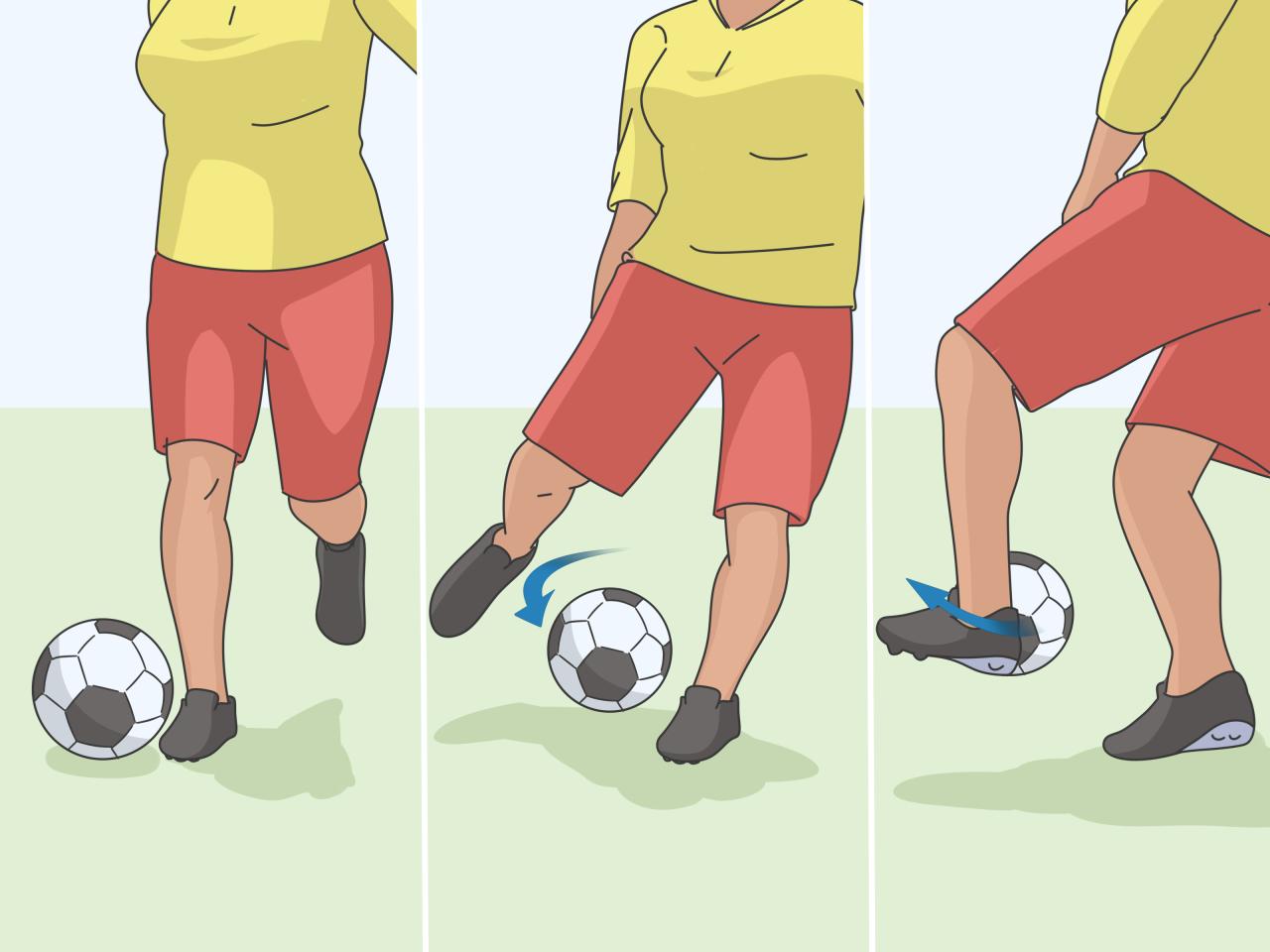
In the journey towards optimal mental preparedness before football, positive affirmation statements serve as powerful tools to reinforce self-belief and enhance focus. Incorporating affirmations into your meditation routine can significantly elevate your confidence levels, helping you perform at your best on the field.
Effective affirmations are concise, positive, and present tense statements that counteract negative thoughts and cultivate a mindset of success. When used consistently during meditation, they can reprogram your subconscious mind, making confidence an automatic response during crucial moments in the game.
Crafting Personalized Affirmations for Motivation
Creating personalized affirmations requires understanding your strengths, goals, and areas where you seek reinforcement. Tailoring affirmations ensures they resonate deeply and are more impactful during meditation sessions. To craft effective statements, focus on specific qualities or outcomes relevant to your football performance, such as agility, resilience, or team coordination.
Begin by identifying your core motivations and areas needing reinforcement. Use positive language that affirms your capabilities and commitment. For example, instead of saying “I am not nervous,” rephrase to “I am confident and composed on the field.” Personal affirmations should reflect your aspirations and encourage a growth-oriented mindset.
Methods for Repeating Affirmations During Meditation
Repetition amplifies the effectiveness of affirmations by embedding them into your subconscious. During meditation, dedicated time should be allocated for silently or audibly repeating your affirmations, allowing the words to resonate deeply within your mind.
One effective method is to incorporate affirmations into your breathing cycle—say the affirmation slowly as you inhale, and reinforce it as you exhale. This creates a rhythmic pattern that enhances focus and emotional connection. Additionally, visualizing yourself successfully executing plays while repeating affirmations strengthens mental imagery and boosts confidence.
“Consistency in affirmation repetition during meditation cultivates unwavering self-belief and resilience, essential qualities for peak football performance.”
Step 5: Focusing on Body and Movement Awareness
Meditation before a football game is essential for cultivating physical readiness and mental sharpness. Step 5 emphasizes developing an acute awareness of bodily sensations and movements, which enhances both confidence and agility on the field. By integrating focused attention on the body, athletes can fine-tune their physical readiness, prevent injuries, and optimize their performance with clarity and control.Understanding and cultivating body and movement awareness involves engaging in specific exercises that help athletes tune into their physical state.
This process allows players to recognize areas of tension, relaxation, or imbalance, fostering a harmonious connection between mind and body. Additionally, mentally rehearsing movements and techniques through visualization enhances muscle memory and prepares the athlete for quick, precise actions during the game. Visualizing physical agility and strength not only boosts confidence but also primes the nervous system for responsive, dynamic movements.
Body and Movement Sensation Exercises
Developing a heightened awareness of bodily sensations requires intentional focus on how different parts of the body feel in the present moment. These exercises help athletes detect subtle signals of tension, fatigue, or readiness, enabling prompt adjustments.
- Body Scan Meditation: Sit comfortably with eyes closed and systematically focus attention on each part of the body, starting from the toes up to the head. Notice sensations such as warmth, tingling, tension, or relaxation. This practice helps identify areas needing release or increased awareness.
- Progressive Muscle Relaxation: Tense and then release muscle groups sequentially, beginning with the feet and progressing upward. This method enhances understanding of muscle engagement versus relaxation, fostering better control over physical responses during gameplay.
- Kinesthetic Awareness Drills: Engage in slow, deliberate movements like walking, stretching, or controlled throws, paying close attention to how muscles, joints, and limbs feel during each action. This cultivates a conscious connection to physical execution.
Mentally Rehearsing Movements and Techniques
Visualizing and mentally practicing key movements and tactical techniques enhances coordination, timing, and confidence. Mental rehearsal creates neural pathways similar to physical practice, leading to improved performance under pressure.
- Imagery of Movement Sequences: Visualize executing specific football skills, such as dribbling, passing, tackling, or shooting. Envision the precise motion, timing, and body positioning involved, ensuring smooth, efficient execution during the actual game.
- Simulating Game Situations: Mentally place yourself in different scenarios—receiving a pass, defending against an opponent, or making quick decisions. Practice the appropriate physical responses and movements for each situation, reinforcing readiness and adaptability.
- Focus on Technique Precision: Rehearse fundamental movements with attention to detail, such as foot placement, body posture, and arm movements. This deep focus enhances muscle memory and reduces errors during live play.
Visualizing Physical Agility and Strength
Effective visualization of agility and strength not only boosts confidence but also enhances actual physical capacity through mental priming. Athletes can imagine themselves executing rapid movements, quick direction changes, and powerful actions with ease and control.
“Visualization of physical prowess prepares the mind and body to perform seamlessly during competition.” — Sports Psychology Expert
This involves creating detailed mental images of yourself moving with speed, power, and precision. Imagine yourself swiftly changing directions, jumping higher, or striking with force—all with fluidity and control. Such vivid imagery stimulates the neural circuits involved in movement, leading to improved coordination and reaction times when physically executing skills on the field. Athletes who regularly employ this technique report feeling more confident and prepared, with their bodies responding instinctively to the demands of the game.
Step 6: Mindfulness of the Present Moment
Engaging in mindfulness of the present moment during meditation enhances focus, reduces pre-game anxiety, and cultivates mental clarity. Developing this habit ensures that athletes remain centered and fully engaged with the task at hand, both during training and in the high-pressure environment of a football match.Practicing present-moment awareness involves intentionally directing attention to current experiences without distraction or judgment. It is a fundamental aspect of meditation that can be seamlessly integrated into pre-game routines to foster calmness and sharpen concentration.
Habits for Cultivating Present-Moment Awareness During Meditation
Incorporating consistent habits that reinforce mindfulness helps athletes stay grounded during meditation sessions. These habits encourage a non-reactive stance toward thoughts and sensations, anchoring focus on the here-and-now.
- Regular Practice: Dedicate specific times each day for mindfulness meditation, such as before practice or games, to build familiarity and deepen the habit.
- Focused Attention: Use a single anchor point, like breath or bodily sensations, to direct attention during meditation, minimizing wandering thoughts.
- Gentle Acknowledgment: When distracting thoughts arise, acknowledge their presence without judgment and gently redirect focus back to the present moment.
- Consistent Environment: Meditate in a quiet, comfortable space to reinforce a mental association between the environment and mindfulness practice.
Procedures for Observing Thoughts Without Judgment
Observing thoughts non-judgmentally is essential for maintaining mindfulness during meditation. This process involves recognizing thoughts as passing phenomena rather than personal judgments or distractions.
To effectively observe thoughts without judgment, athletes can follow these steps:
- Notice the Thought: When a thought arises, simply observe its presence without trying to suppress or engage with it.
- Label the Thought: Mentally categorize the thought as “thinking,” “planning,” “judging,” or other neutral labels, which helps create a sense of detachment.
- Use a Gentle Redirect: Return attention to the chosen anchor point, such as the breath or bodily sensation, without criticizing oneself for wandering.
- Practice Patience: Recognize that wandering thoughts are normal; with practice, the ability to observe them without reaction improves.
Tips for Integrating Mindfulness Into Pre-Game Routines
Seamlessly incorporating mindfulness into pre-game routines ensures athletes remain calm and prepared. These tips help make mindfulness a natural part of the overall mental preparation for football.
- Start with Short Sessions: Begin with 3-5 minutes of mindful breathing or body scans before heading onto the field to establish a habit.
- Use Anchors in the Environment: Focus on ambient sounds, such as the crowd or distant whistles, as cues for grounding attention in the present.
- Establish Rituals: Incorporate specific mindfulness practices, like a short breathing exercise or body awareness scan, into the pre-game routine to create consistency.
- Employ Reminders: Wear a bracelet or use a mental cue to remind oneself to remain present during the game, especially during breaks or timeouts.
- Practice Acceptance: Accept the presence of pre-game nerves as a normal part of performance, and use mindfulness to observe and release tension.
By cultivating present-moment awareness through these habits and procedures, athletes can enhance their mental resilience, perform with clarity, and enjoy a more centered approach to each game.
Step 7: Energy Center Focus (Chakras or Energy Fields)
Engaging with your energy centers during meditation can significantly enhance your athletic performance by aligning your mental, emotional, and physical states. These centers, often referred to as chakras or energy fields, are believed to be focal points of vital energy within the body that influence overall well-being and athletic readiness. Properly focusing on and balancing these centers prior to football can foster heightened concentration, increased energy, and emotional stability on the field.
Practicing meditation techniques that activate or harmonize these energy centers can lead to a profound sense of internal balance. This process involves visualization, breathwork, and intentional attention directed toward each center, enabling athletes to access deeper levels of focus and motivation. During this practice, athletes may experience sensations such as warmth, tingling, or a gentle pulsation at specific points, indicating active energy flow.
These sensations often signal a shift towards greater energetic clarity and mental alertness, essential attributes for peak athletic performance.
Understanding Energy Centers and Their Role in Performance
Energy centers, or chakras, are conceptualized as spinning wheels of energy located along the spine, from the base to the crown of the head. Each chakra corresponds to particular physical, emotional, and mental functions that influence overall health and performance. For athletes, particular attention is often given to the root chakra (stability), sacral chakra (creativity and flow), solar plexus (confidence and power), and heart chakra (emotional balance and compassion).
Activating and balancing these centers can improve focus, resilience, and emotional regulation on the field.
For example, a balanced solar plexus chakra may enhance self-confidence and assertiveness during game moments, while a harmonized heart chakra could foster teamwork and emotional resilience when facing high-pressure situations.
Meditation Techniques for Balancing and Activating Energy Centers
The following methods are effective for focusing on and harmonizing your energy centers before football games:
- Visualization of Energy Flow: Mentally picture each chakra as a spinning wheel of vibrant color, beginning at the base of your spine and ascending to the crown. Imagine energy flowing smoothly through each center, clearing blockages and energizing each point.
- Breath-anchored Focus: Combine deep, diaphragmatic breathing with attention directed to specific energy centers. As you inhale, visualize breathing in energizing light into the chakra; as you exhale, release tension or blockages.
- Sound or Mantra Meditation: Use specific sounds, chants, or affirmations associated with each chakra to stimulate their energy. For example, the mantra “LAM” corresponds to the root chakra, helping to ground and stabilize.
- Hands-On Technique: Place your hands just above or gently touch the area corresponding to each chakra during meditation to facilitate energy transfer and focus.
Sensations and Changes During Energy Focus
As you deepen your focus on your energy centers, you may notice various physical and energetic sensations. Common experiences include a warm or tingling sensation at the point of focus, a feeling of lightness or heaviness, or a gentle pulsation that aligns with the rhythm of your breath. These sensations indicate active energy flow and reflect an opening or balancing of the energy centers.
Some individuals may also experience emotional shifts, such as increased calmness, confidence, or a sense of groundedness. These internal changes support mental clarity and emotional stability, essential qualities for high-level athletic performance. Recognizing and accepting these sensations can enhance the effectiveness of your meditation practice and deepen your connection to your internal energy system.
Step 8: Breath Retention and Release for Energy Management
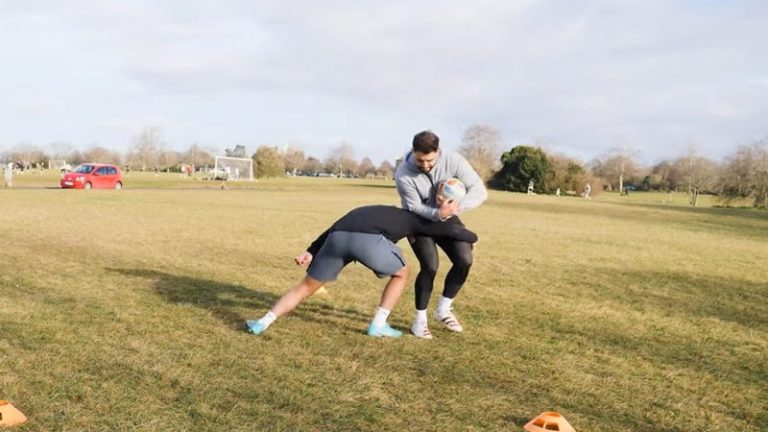
Engaging in effective breath retention and controlled exhalation techniques can significantly influence a player’s energy levels and emotional balance before a football match. Proper management of breath helps in calming the nervous system, reducing adrenaline spikes, and maintaining focus, ensuring optimal performance during the game.
Step 9: Closing Meditation and Reflection
The final phase of your pre-football meditation session involves gentle closure and mindful reflection. This step plays a crucial role in consolidating the mental clarity and calmness achieved during the practice, ensuring you carry a sense of focus and readiness into the game. By consciously ending your meditation, you reinforce the positive mental state and prepare yourself for optimal performance on the field.A thoughtful conclusion helps transition from meditation to action, allowing you to retain your peaceful mindset while shifting gears into gameplay.
Reflection also provides an opportunity to assess your mental state, acknowledge your confidence, and recognize any lingering distractions or tensions that may need attention prior to the match. Incorporating this final step ensures your mind remains aligned with your physical preparedness, fostering a balanced and composed approach during the game.
Gently Concluding the Meditation Session
Concluding your meditation involves gradually easing out of the focused mental state established during the session. To do this effectively:
- Slowly deepen your breath, inhaling gently through your nose and exhaling smoothly through your mouth. This helps bring awareness back to your body and surroundings.
- Gradually expand your awareness to include your environment, noticing sounds, sensations, and the physical space around you.
- Maintain a calm and relaxed posture, avoiding abrupt movements or mental shifts that could disrupt the serenity you’ve cultivated.
- When ready, open your eyes slowly if they were closed, allowing yourself to re-engage with the environment consciously.
Reflecting on Mental Clarity and Readiness
Post-meditation reflection is essential for consolidating the benefits of your practice. Take a moment to evaluate your mental state by considering:
- Sense of Focus: Assess whether your thoughts are clear and free from unnecessary distractions.
- Emotional Balance: Notice if your mood is calm, confident, and composed, conducive to high performance.
- Physical Readiness: Recognize any residual tension or fatigue that may need addressing before the game begins.
You can do this internally or with a few simple questions, such as:
“Do I feel mentally prepared and centered?”
“Is my mind free of clutter, and am I feeling confident?” This reflection reinforces the positive mental habits developed during meditation and helps identify any adjustments needed for optimal focus.
Carrying Calmness into the Game
Transforming the calmness cultivated during meditation into sustained focus during the game involves intentional mental strategies:
- Maintain conscious breathing: Use slow, deep breaths if you feel nerves or tension rising during play.
- Use positive affirmations: Repeat confidence-boosting statements silently to yourself, such as “I am focused and ready.”
- Stay present: Continuously bring your attention back to the current moment, avoiding dwelling on past mistakes or future worries.
- Engage in mindful movement: Pay close attention to your body’s movements, ensuring precision and fluidity in your actions.
Applying these techniques helps you leverage the mental clarity from meditation, fostering resilience, performance consistency, and a calm, confident outlook during the competitive moments of the match.
Practical Tips for Incorporating Meditation into Pre-Game Routine
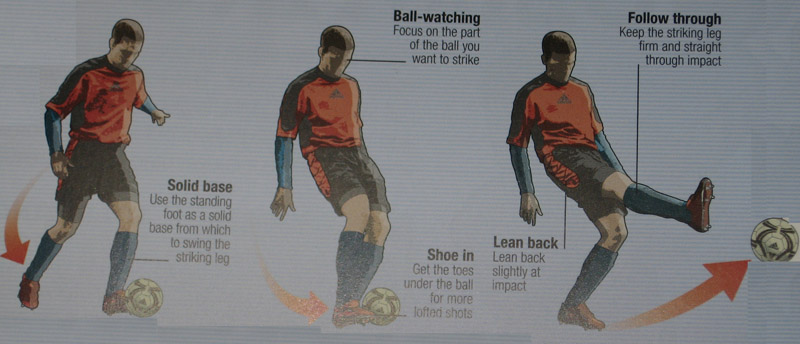
Engaging in meditation before a football match can significantly enhance focus, reduce pre-game anxiety, and improve overall performance. To successfully integrate meditation into your pre-game preparation, establishing consistent habits and creating a supportive environment are essential. Proper timing and duration will optimize the benefits, ensuring that meditation complements physical warm-ups seamlessly. Combining mindfulness techniques with your routine can cultivate mental clarity and confidence, setting a positive tone for the game ahead.Consistency is key when incorporating meditation into your pre-game routine.
Developing a habit requires commitment and deliberate scheduling. Start by designating specific times each game day for your meditation practice, ideally immediately after your physical warm-up or stretch session. Over time, this routine becomes ingrained, making it easier to access the mental clarity needed right before kickoff. Tracking your progress or maintaining a meditation journal can reinforce your commitment and highlight improvements in focus and stress management.The timing and duration of meditation should align with your overall pre-game schedule.
Typically, a 5 to 10-minute session is sufficient to achieve mental centering without causing fatigue or cutting into other preparations. Conducting meditation approximately 15-30 minutes before kickoff allows enough time to transition from physical to mental readiness. Avoid meditating too close to the start of the game, which may lead to feeling rushed or distracted; instead, aim for a moment of tranquility a little earlier in your routine.Integrating meditation smoothly into your pre-game activities can be achieved through well-organized routines that combine physical warm-ups and mental focus.
For example, after completing dynamic stretches or light jogging, find a quiet space to sit comfortably and begin your meditation session as Artikeld in your prepared steps. Following meditation, proceed to your tactical review or team huddles, feeling centered and prepared. This balanced approach ensures your body is physically warm and your mind is alert, confident, and calm as you step onto the field.
Closure
Incorporating meditation into your pre-game routine through these 11 steps can significantly improve your mental state and overall performance on the field. Consistent practice not only cultivates focus and confidence but also develops resilience against game-day nerves. Embrace these techniques to unlock your full potential and approach each match with calmness and clarity.