Learning how to meditate to reduce workout stress can significantly enhance your overall recovery process and improve your mental well-being. Incorporating meditation into your post-exercise routine offers a powerful approach to alleviating both physical tension and mental fatigue, helping you achieve a balanced and rejuvenated state.
This guide explores effective meditation techniques, preparation methods, and practical tips for seamlessly integrating these practices into your workout schedule. By understanding and applying these strategies, you can effectively manage workout-related stress and foster a more mindful, relaxing recovery process.
Introduction to Meditation for Workout Stress Relief
Engaging in physical exercise, whether at the gym, during sports, or in fitness classes, can be incredibly beneficial for overall health. However, intense or frequent workouts may also lead to physical and mental stress, affecting recovery, motivation, and well-being. Incorporating meditation into your routine offers a powerful method to manage and alleviate this workout-related tension effectively.
Workout stress manifests both physically and mentally. Physically, individuals may experience muscle soreness, fatigue, rapid heartbeat, and disrupted sleep patterns. Mentally, stress can present as anxiety, irritability, decreased focus, and a feeling of being overwhelmed. Addressing these symptoms promptly is vital to prevent burnout and to maintain consistent progress in fitness goals.
Benefits of Meditation in Reducing Workout-Related Tension
Regular meditation practice provides numerous advantages that are particularly beneficial for those engaged in frequent physical activity. It helps in calming the nervous system, reducing cortisol levels, and promoting mental clarity. These effects contribute to enhanced recovery, improved mood, and sustained motivation for workouts.
- Stress Reduction: Meditation activates the parasympathetic nervous system, which counters the stress response triggered during intense workouts. This calming effect helps in lowering heart rate and blood pressure, fostering a sense of relaxation and safety.
- Improved Recovery: By decreasing muscle tension and promoting better sleep, meditation accelerates physical recovery, reducing soreness and preventing injuries caused by overtraining.
- Enhanced Mental Focus: Consistent meditation enhances concentration and mindfulness, allowing individuals to maintain proper form during exercise and stay committed to their fitness routines without succumbing to mental fatigue.
- Emotional Balance: Managing emotions through meditation can prevent feelings of frustration or burnout, which are common among athletes pushing their limits.
Incorporating meditation into your fitness routine is a practical and effective approach to managing workout stress. It supports both physical recovery and mental resilience, enabling you to achieve your fitness goals with greater ease and well-being.
Preparing for Meditation Sessions
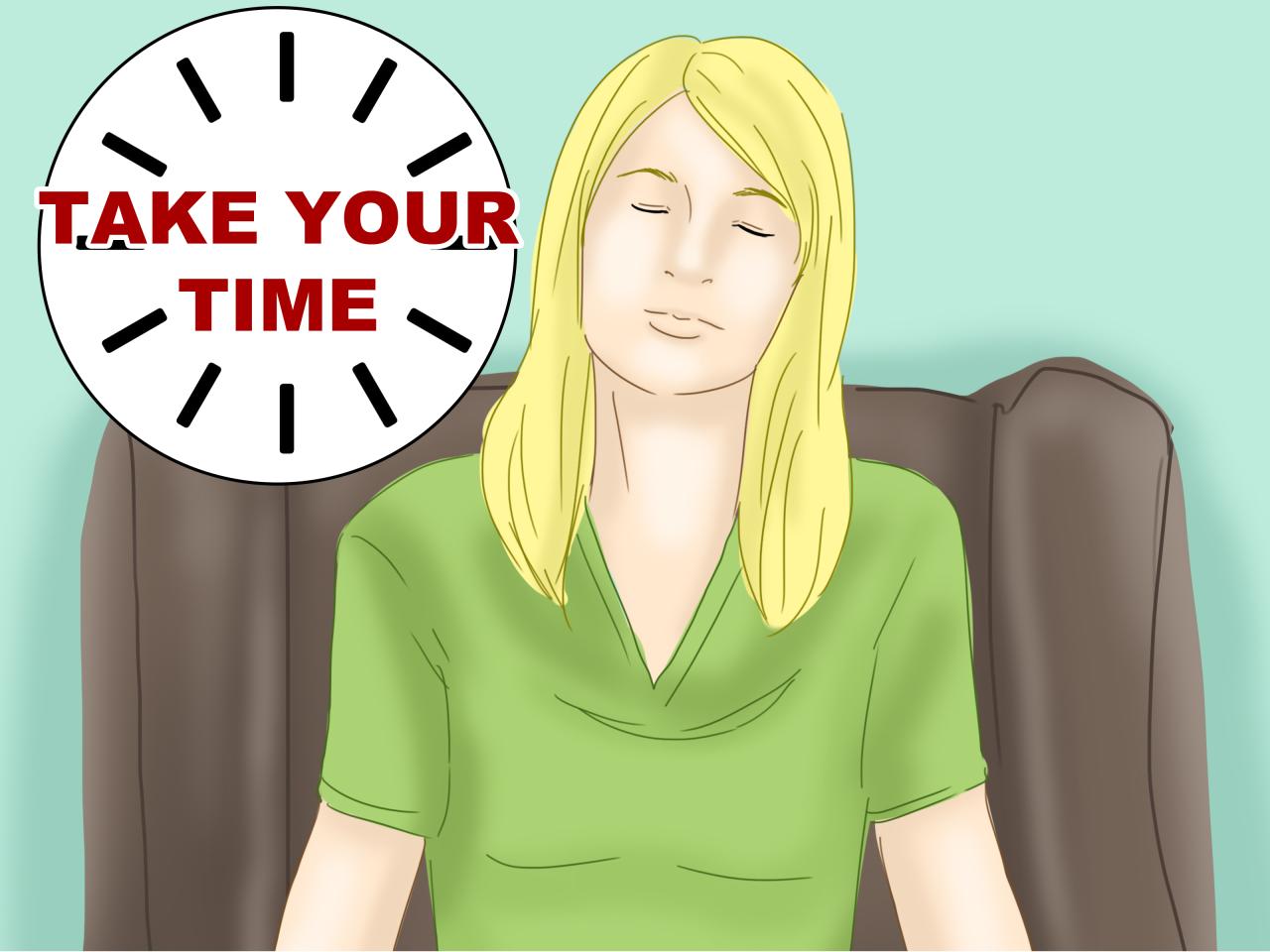
Engaging in meditation to alleviate workout-related stress requires creating a peaceful environment that fosters relaxation and focus. Proper preparation can significantly enhance the effectiveness of your meditation, enabling you to unwind more deeply and achieve a calmer mental state. Establishing a routine that includes setting up your space and clarifying your intentions ensures each session is meaningful and conducive to stress relief.A well-prepared environment minimizes external distractions and helps your mind shift into a receptive state.
This preparation involves thoughtful organization of your physical space, selection of calming elements, and mental readiness through goal setting. Implementing these steps consistently will encourage a more profound meditation experience that complements your efforts to manage workout stress.
Creating a Calming Environment
To establish a tranquil space suitable for meditation, focus on reducing noise, controlling lighting, and incorporating elements that promote serenity. Choose a quiet corner of your home or gym area where interruptions are minimized. Dim the lights or use soft, natural illumination to foster a soothing atmosphere. If external noise persists, consider using a white noise machine, calming music, or nature sounds to mask distractions.Maintaining a clutter-free space is crucial, as visual chaos can hinder relaxation.
Arrange your meditation area with comfort in mind, ensuring you have enough space to sit or lie down comfortably. Incorporate natural elements such as plants, stones, or water features if possible, as they are known to promote tranquility and grounding.
Organizing Necessary Items
Having the right tools at hand can facilitate a seamless transition into meditation, making your practice more enjoyable and effective. Here is a checklist of essential items:
- Mat or Cushions: Use a yoga mat or soft cushions to provide comfort and support during seated or lying meditation positions. Cushions help maintain proper posture, reducing physical discomfort that may distract from your practice.
- Calming Scents: Essential oils such as lavender, chamomile, or sandalwood can enhance relaxation when diffused or applied via a personal inhaler. Aromatherapy can deepen your meditation experience by engaging the sense of smell in a soothing manner.
- Lighting: Soft lighting, such as lamps with warm bulbs or candles, sets a calm mood. Avoid harsh or fluorescent lights that can create tension or discomfort.
- Sound Elements: Gentle background sounds like nature recordings or binaural beats can assist in reaching a meditative state.
- Timer: A simple timer helps you set a specific duration for your session, allowing you to focus without worrying about the time.
Setting a Specific Intention or Goal
Clarifying your purpose before each meditation session enhances your focus and aligns your mental state with your desired outcome. Identify a specific intention, such as releasing tension, cultivating gratitude, or simply being present. This focused approach provides direction and reinforces your commitment to stress relief.To set an effective intention, take a few moments to reflect on what you wish to achieve from the session.
You may choose to silently affirm your goal or write it down in a meditation journal. Visualize the outcome you desire, imagining yourself feeling relaxed and free from workout stress. Clearly defining your goal creates a mental framework that guides your concentration and helps you stay grounded throughout the practice.
Techniques to Meditate for Workout Stress Reduction
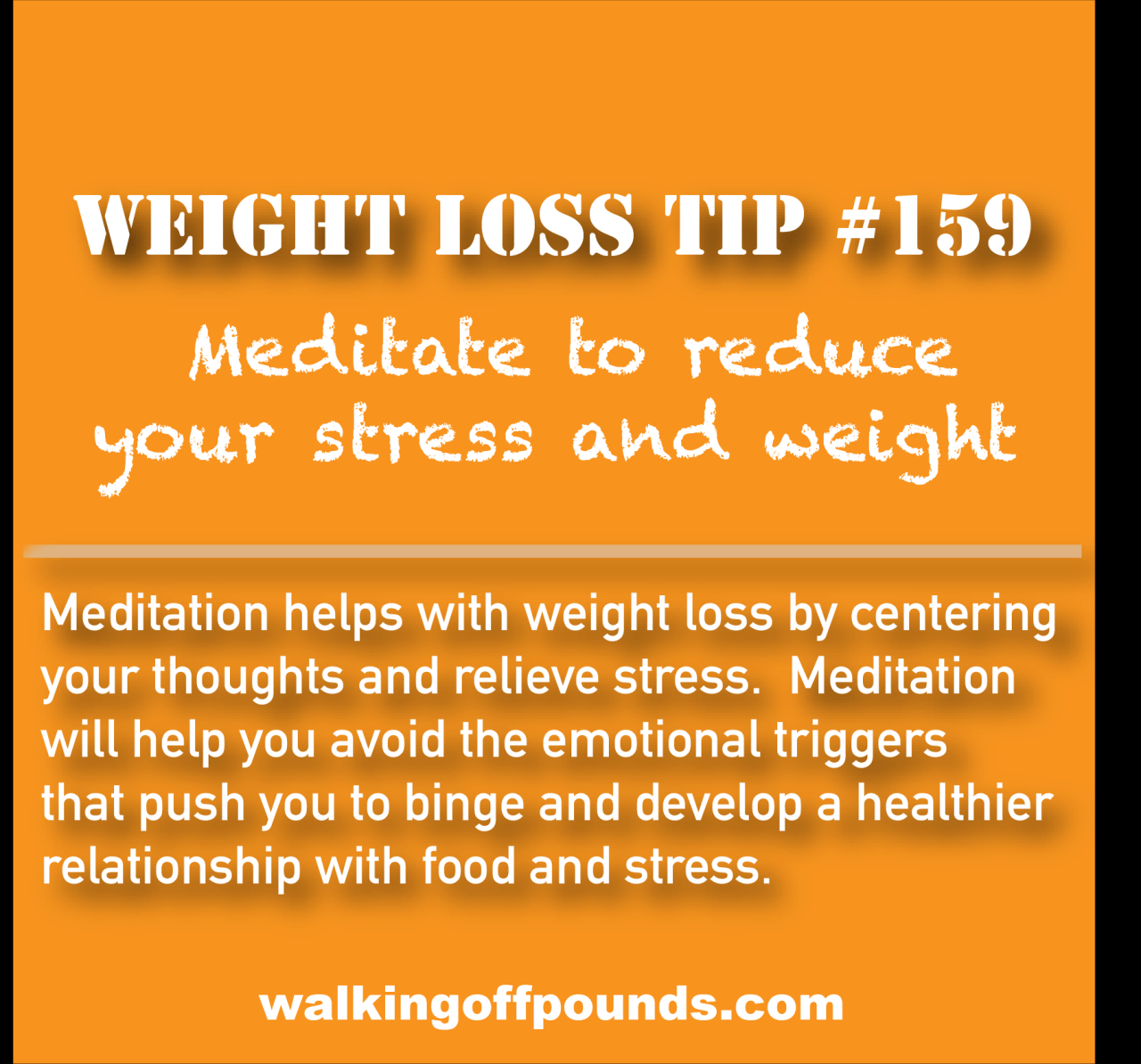
After an intense workout, the body often carries residual tension and stress that can impact overall well-being. Incorporating meditation into post-exercise routines provides a powerful method for soothing muscles, calming the mind, and fostering a sense of relaxation. Below, several effective meditation techniques are Artikeld to help alleviate workout-induced stress and promote recovery.
These techniques focus on calming breathing patterns, mindful body awareness, visualization, and muscle relaxation. Their consistent practice enhances not only physical recovery but also mental resilience, ensuring a balanced approach to fitness and wellness.
Guided Breathing Exercises for Post-Workout Relaxation
Breathing exercises serve as foundational practices for reducing stress levels and promoting relaxation after physical activity. They help slow the heart rate, lower blood pressure, and facilitate the release of tension accumulated during exercise.
Focus on deep, diaphragmatic breathing by inhaling slowly through the nose, allowing the abdomen to expand, and exhaling gently through the mouth. This technique maximizes oxygen intake and encourages parasympathetic nervous system activation, essential for calming the body.
- Box Breathing Technique: Inhale slowly for four seconds, hold the breath for four seconds, exhale for four seconds, and hold again for four seconds. Repeat this cycle for 3-5 minutes to induce a state of calmness.
- 4-7-8 Breathing Method: Inhale quietly through the nose for a count of four, hold the breath for seven counts, and then exhale completely through the mouth for eight counts. This pattern helps regulate breathing and reduces stress quickly.
Body Scan Meditation for Muscle Tension Release
The body scan is a mindfulness practice that encourages awareness of bodily sensations, focusing on releasing localized tension. It aids in identifying stiff, sore muscles and consciously relaxing them, fostering a profound sense of physical ease.
Practicing a body scan after workouts increases proprioception and ensures that muscle tightness does not persist, which could otherwise lead to injury or delayed recovery. This meditation is particularly effective when performed lying down in a quiet environment.
- Begin by closing the eyes and taking several deep breaths to settle into a comfortable position.
- Bring attention to the toes, noticing any sensations or tightness. Visualize the tension melting away as you exhale.
- Move your focus gradually upward to the calves, knees, thighs, hips, and torso, pausing at each area to observe sensations and consciously relax muscles.
- Continue the scan through the chest, shoulders, arms, neck, and finally the face, releasing tension in each region.
Visualization Practice for Mental Calmness
Visualization involves creating calming mental images to promote mental clarity and serenity. It is particularly useful for reducing residual stress from workouts by redirecting focus away from physical discomfort towards peaceful scenarios.
Imagine yourself in a serene natural setting, such as a quiet beach, lush forest, or mountain top. Engage all senses to make the experience vivid, incorporating sights, sounds, smells, and sensations.
- Begin by closing your eyes and taking gentle breaths to center yourself.
- Construct a mental image of a tranquil scene, paying attention to details that evoke comfort and safety.
- Visualize yourself feeling relaxed, with muscles soft and mind clear, as if the stress has been washed away by the environment.
- Spend 5-10 minutes immersed in this imagery, allowing the calmness to permeate your entire being.
Progressive Muscle Relaxation Routine for Post-Workout Recovery
Progressive muscle relaxation (PMR) systematically tenses and relaxes muscle groups to reduce physical tension and mental stress. It is especially effective after workouts to alleviate muscle soreness and promote restful recovery.
This routine involves contracting each muscle group for a few seconds and then releasing, enabling awareness of tension levels and fostering relaxation.
- Find a comfortable position, preferably lying down in a quiet environment.
- Start with the feet, tensing the muscles by curling toes or squeezing the muscles tightly for about five seconds.
- Gradually release the tension, noticing the sensation of relaxation. Repeat for the calves, thighs, hips, abdomen, chest, arms, shoulders, neck, and face.
- Pay special attention to areas where workout stress tends to accumulate, such as the shoulders and legs.
- Conclude the routine with a few deep breaths, feeling the overall sense of calm and release throughout the body.
Mindfulness Meditation to Stay Present and Reduce Residual Stress
Mindfulness meditation cultivates a gentle awareness of the present moment, helping to diminish lingering stress and prevent it from escalating into anxiety. This practice encourages acceptance of sensations, thoughts, and emotions without judgment, fostering mental clarity and emotional regulation.
In the context of post-workout recovery, mindfulness can be practiced by simply observing bodily sensations, thoughts, and feelings without attachment, promoting a state of equanimity.
Focus on the breath as an anchor, noting each inhalation and exhalation. When the mind wanders, gently bring attention back to the breath or the sensations in the body.
- Incorporate mindful awareness during walking or stretching routines after workouts, paying attention to each movement and sensation.
- Practice short sessions of 5-10 minutes daily, gradually increasing duration as comfort grows.
- Use guided mindfulness meditations available through apps or recordings to deepen practice and maintain consistency.
Incorporating Meditation into Workout Routines

Integrating meditation into your workout routine can significantly enhance recovery, reduce stress, and improve overall performance. By establishing a consistent practice immediately following exercise, you help your body transition smoothly from activity to rest, promoting relaxation and mental clarity. The key is to create a seamless process that aligns with your workout schedule, ensuring meditation becomes an integral part of your fitness regimen rather than an afterthought.Effective incorporation involves identifying optimal timing, selecting suitable meditation techniques, and adapting practices based on workout intensity and duration.
This structured approach not only maximizes stress reduction benefits but also fosters a sustainable and enjoyable habit that complements your physical training.
Step-by-step Guide to Integrate Meditation Immediately Post-Exercise
To effectively incorporate meditation right after your workout, follow these detailed steps:
- Cool Down and Transition: Conclude your workout with a proper cool-down session, including gentle stretching or light cardio to gradually lower your heart rate. This prepares your body mentally and physically for meditation.
- Find a Calm Space: Move to a quiet, comfortable area free from distractions. This environment enhances concentration and relaxation.
- Set a Timer and Intent: Decide on a meditation duration, typically ranging from 5 to 15 minutes. Setting a clear intention or focus, such as body awareness or breath, helps maintain engagement.
- Adopt a Suitable Posture: Sit or lie down in a relaxed posture. Use cushions or mats for added comfort if needed. Ensure your spine is straight to facilitate breathing and alertness.
- Begin Meditation: Close your eyes, focus on your breath or a calming visualization, and allow your mind to settle. Use guided meditation apps or scripts if preferred to provide structure.
- Gradually Return: When the session concludes, gently bring awareness back to your surroundings, stretch lightly if needed, and prepare to re-engage with your daily activities or proceed with your post-workout nutrition.
Timing Strategies for Effective Meditation During Recovery Periods
Timing is crucial in maximizing the benefits of post-exercise meditation. The immediate post-workout window, typically within the first 10 minutes, is ideal for meditation because your body is still in a state of heightened awareness and relaxation is most attainable.For optimal results, schedule meditation sessions during periods when your body is naturally recovering, such as after cool-down or during rest days.
Consistency enhances the body’s ability to anticipate relaxation responses, making meditation more effective over time. For athletes or busy individuals, integrating brief sessions into scheduled recovery periods—like during cooldown or in between workouts—can foster a sustainable stress management practice.
Align meditation with natural recovery phases for maximum benefit and consistency.
Examples of Quick Meditation Practices for Busy Schedules
Recognizing the demands of modern lifestyles, quick meditation techniques can provide substantial stress relief in minimal time. These practices are designed to be portable, simple, and effective, allowing you to incorporate them seamlessly into daily routines.
- Breath Awareness (2-5 minutes): Focus solely on your breath, inhaling deeply through the nose and exhaling slowly through the mouth. This technique calms the nervous system and can be done sitting or lying down immediately after exercise.
- Body Scan (3-5 minutes): While lying or sitting, systematically bring attention to different parts of the body, releasing tension with each exhale. This promotes physical relaxation and mental grounding.
- Mindful Observation (2-3 minutes): Pick an object or element in your environment, such as your breathing, a leaf, or a clock, and observe it without judgment. This sharpens focus and reduces mental clutter.
- Guided Visualization (5 minutes): Use brief audio recordings that guide you through calming imagery, such as a peaceful beach or forest, to quickly induce relaxation.
Modifying Meditation Sessions Based on Workout Intensity or Type
Adjusting meditation practices according to workout intensity and type ensures that the recovery process is tailored and effective. For high-intensity or strenuous sessions, longer and more focused meditation sessions may be necessary to fully relax muscles and calm the nervous system. In contrast, lighter workouts like yoga or stretching might benefit from shorter or more dynamic practices.For strength training or cardio sessions that elevate adrenaline and cortisol levels, prioritize calming techniques such as deep breathing or body scans.
Post-endurance workouts, practices emphasizing mindfulness and slow breathing help reduce stress hormones, facilitating quicker recovery. Conversely, after moderate workouts, brief mindfulness or breath awareness sessions can suffice to maintain consistency and promote relaxation.
Tailor meditation duration and technique to match workout demands for optimal recovery and stress management.
Tips for Consistent Meditation Practice
Maintaining a regular meditation routine is essential for effectively reducing workout-related stress and reaping the full benefits of mindfulness. Establishing a consistent practice not only enhances mental resilience but also reinforces a sense of discipline that complements your physical training. Developing habits that integrate meditation seamlessly into your workout schedule can lead to long-term stress management and overall well-being.Consistency is achieved through deliberate scheduling, creating a conducive environment, and cultivating motivation.
Overcoming common barriers such as impatience, distraction, or time constraints requires intentional strategies and perseverance. Incorporating these tips can help embed meditation into your daily routine, transforming it into an accessible and rewarding habit.
Establishing a Regular Meditation Schedule Linked to Workout Routines
Creating a structured meditation schedule that aligns with workout sessions encourages habit formation and easier adherence. For example, meditating immediately after your workout can serve as a calming cool-down, reinforcing relaxation and mental clarity. Alternatively, scheduling meditation sessions at the same time each morning or evening can help develop consistency, as routines become habitual.To facilitate this, consider setting specific reminders or alarms on your device, and integrate meditation into your pre- or post-workout checklist.
If you prefer a flexible approach, designate certain days for meditation, such as before weekend workouts or during rest days, to maintain regularity without feeling overwhelmed.
Overcoming Barriers to Consistent Practice
Many individuals face challenges such as impatience, restlessness, or distraction when establishing a meditation routine. Addressing these barriers requires practical techniques and mindset shifts. For impatience, recognizing that progress in meditation is gradual and celebrating small successes can foster patience. If distractions arise, creating a quiet, comfortable space and turning off electronic devices can minimize interruptions.Practicing mindfulness during daily activities, such as walking or stretching, can also serve as an alternative when formal meditation feels difficult.
Developing a gentle attitude towards fluctuations in focus and acknowledging setbacks without self-criticism encourages persistence and long-term commitment.
Motivational Cues and Mindset to Sustain Practice
Maintaining motivation is vital for ongoing meditation practice. Reminding oneself of the tangible benefits—such as reduced stress, improved focus, and better recovery—can reinforce commitment. Visual cues like placing a meditation cushion or a calming object in your workout area serve as physical prompts to meditate regularly.Setting achievable goals, such as meditating for five minutes daily, and gradually increasing duration fosters a sense of accomplishment.
Incorporating affirmations like “This practice helps me recover faster and stay focused” can boost motivation. Celebrating milestones, such as completing a week of consistent practice, reinforces positive behavior and sustains enthusiasm.
Optimal Meditation Durations for Different Fitness Levels
Understanding appropriate meditation durations tailored to your fitness and experience level enhances the likelihood of consistency and effectiveness. A simple chart can guide you in selecting suitable session lengths:
| Fitness Level | Recommended Meditation Duration | Notes |
|---|---|---|
| Beginner | 3 to 5 minutes | Focus on short, manageable sessions to build habit and avoid frustration. |
| Intermediate | 10 to 15 minutes | Allows deeper relaxation and better stress reduction; can incorporate more advanced techniques. |
| Advanced | 20 to 30 minutes or more | Supports sustained mental clarity and stress management, especially during heavy training cycles. |
Longer sessions can be beneficial as your practice becomes more ingrained, but consistency remains key. Adjust durations based on your schedule and comfort level, ensuring that meditation remains a sustainable part of your fitness journey.
Additional Resources and Support
Enhancing your meditation practice for workout stress relief can be greatly facilitated by exploring various resources and support networks. Whether through recommended literature, digital tools, or community engagement, these elements can deepen your understanding and consistency. Accessing the right materials and support systems ensures that your journey towards stress reduction remains sustainable and effective.
Utilizing a diverse array of resources—including books, apps, online guides, guided meditations, and community groups—can provide personalized and ongoing assistance. These tools serve to reinforce your practice, offer new techniques, and connect you with like-minded individuals who share similar goals of managing workout stress through meditation.
Recommended Books, Apps, and Online Guides
Several high-quality resources are tailored specifically for athletes and active individuals seeking meditation practices to reduce stress. These materials often include expert advice, step-by-step techniques, and athlete-specific guidance that align with physical routines and recovery needs.
- “Meditation for Athletes” by Olivia Carril: Focuses on mindfulness techniques that enhance athletic performance and reduce pre-competition anxiety.
- Headspace App: Offers guided meditations with modules dedicated to stress relief, recovery, and focus, suitable for athletes of all levels.
- The Mindful Athlete” by George Mumford: Explores how mindfulness enhances athletic performance and mental resilience.
- Online Guide – The Calm Athlete: Provides tailored meditative practices designed for post-workout recovery and stress management.
The Role of Guided Audio and Video Meditations During Recovery
Guided audio and video meditations serve as effective tools during recovery periods, helping athletes shift focus from physical exertion to mental relaxation. These guided sessions can provide structure, especially for beginners, and ensure proper technique is followed, maximizing stress reduction benefits. They often include calming sounds, visualizations, and instructions that foster deep relaxation, reduce muscle tension, and promote mental clarity.
“Guided meditations during recovery not only enhance mental calmness but also facilitate physiological relaxation, supporting muscle repair and overall well-being.”
Using guided meditations during cool-down phases can help athletes transition smoothly from intense workout states to restful recovery, reinforcing the mental discipline necessary for sustained stress management.
Community Groups and Workshops Focusing on Meditation for Stress Management
Participating in community groups or workshops dedicated to meditation and stress reduction provides valuable peer support, accountability, and shared experiences. These gatherings often include expert-led sessions, group discussions, and practical exercises tailored for athletes and active individuals.
- Local meditation centers and wellness clubs frequently host workshops specifically designed for athletes and fitness enthusiasts looking to incorporate mindfulness into their routines.
- Online communities and forums such as Insight Timer or Reddit’s Meditation Community offer virtual support, advice, and shared resources for stress relief techniques.
- Sports clubs and gym facilities may organize mindfulness sessions or retreats focused on mental resilience and recovery strategies, including meditation practices.
- Specialized retreats that combine yoga, meditation, and athletic training present immersive experiences for stress reduction and holistic health improvement.
Comparison of Meditation Tools for Workout Stress Relief
| Tool Name | Description | Cost | Suitability |
|---|---|---|---|
| Headspace | A user-friendly app offering guided meditations, sleep stories, and mindfulness courses tailored for stress relief and focus, suitable for athletes at all levels. | Monthly subscription around $12.99; annual plans available | Beginner to advanced, ideal for integrating into recovery routines |
| Calm | An app featuring guided meditation sessions, breathing exercises, sleep aids, and masterclasses led by mindfulness experts. | Approximately $14.99/month or $69.99/year | Suitable for athletes seeking comprehensive relaxation tools and sleep support |
| The Mindful Athlete (Book) | A book offering insights into applying mindfulness principles directly to athletic practice, with exercises specifically geared toward stress management. | Approximate cost: $15-$20 for a paperback | Athletes and coaches interested in integrating mindfulness into training and recovery |
| Insight Timer | A free app with a vast library of guided meditations, music tracks, and talks from mindfulness teachers, with options for sports-specific relaxation. | Free, with optional premium content | Suitable for all levels, especially those preferring a variety of free resources |
Final Wrap-Up

Incorporating meditation into your post-workout routine is a valuable investment in both your physical and mental health. Consistent practice not only helps reduce stress and muscle tension but also promotes a deeper sense of calm and resilience. Embrace these techniques to optimize your recovery and enjoy a healthier, more balanced fitness journey.