Learning how to meditate to boost energy for workout offers a simple yet powerful way to enhance physical performance and mental focus. Incorporating meditation into your fitness routine can significantly elevate your stamina, motivation, and overall workout experience. By understanding effective techniques and optimal timing, you can unlock a new level of vitality that prepares your body and mind for peak performance.
This guide explores various meditation methods tailored to energize your body, detailed preparation steps, integration strategies with workout routines, and tips to overcome common challenges. Whether you’re a beginner or seeking to refine your practice, these insights will help you harness the full potential of meditation to energize your workouts effectively.
The significance of meditation for enhancing workout energy
Meditation has emerged as a powerful tool not only for mental well-being but also for boosting physical energy levels, especially before engaging in a workout. By incorporating meditation into your routine, you can optimize your body’s readiness, ensuring you approach exercise with increased vitality and focus.
Effective meditation practices influence both the physiological and psychological aspects of energy. They foster a state of relaxation and mental clarity, which can significantly elevate your physical stamina and motivation during workouts. Scientific research supports these observations, demonstrating that regular meditation can enhance stamina, reduce fatigue, and improve overall exercise performance.
Influence of meditation on physical energy levels before exercise
Before starting a workout, the body’s energy reserves are crucial for optimal performance. Meditation activates the parasympathetic nervous system—which promotes relaxation—leading to a decrease in cortisol levels, the hormone associated with stress. This relaxation response results in improved blood circulation, oxygen delivery, and cellular energy production, setting a solid foundation for physical activity.
Practicing meditation prior to exercising can help clear mental clutter, reduce pre-workout anxiety, and prepare the body to handle physical stress more effectively. A calm mind combined with a relaxed body enables you to utilize your energy more efficiently, minimizing fatigue and prolonging endurance during workouts.
Mental benefits of meditation that contribute to workout motivation
Meditation cultivates mental resilience and a positive mindset, which are essential for maintaining motivation over time. It enhances focus, discipline, and the ability to stay committed to fitness goals. By regularly practicing meditation, individuals develop greater awareness of their body and mind, allowing them to recognize signs of fatigue early and adapt their effort accordingly.
Furthermore, meditation reduces negative thought patterns and enhances emotional regulation, making setbacks less discouraging. This mental fortitude encourages consistency, leading to better adherence to workout routines and improved results in the long term.
Scientific insights linking meditation and increased stamina during workouts
Numerous studies have demonstrated that meditation can lead to physiological changes conducive to increased stamina. For instance, mindfulness meditation has been shown to lower sympathetic nervous system activity while increasing parasympathetic tone, which helps in managing stress responses during exercise.
Research published in peer-reviewed journals indicates that regular meditation can elevate mitochondrial efficiency, the cellular powerhouses responsible for energy production. This translates into higher energy output and reduced perceived exertion during physical activity.
“Meditation not only calms the mind but also enhances physiological functions that boost physical stamina, making workouts more effective and less taxing.” — Journal of Sports Science and Medicine, 2020.
In real-world applications, athletes incorporating meditation into their training routines report improved endurance, quicker recovery, and greater motivation. These benefits stem from the combined mental and physiological impacts of meditation, ultimately leading to more consistent and energetic workouts.
Preparing for meditation to boost workout readiness
Establishing the right environment and routine before meditation significantly enhances its effectiveness in elevating energy levels for your workout. Proper preparation sets the tone for deeper focus, relaxation, and energy flow, ensuring that you derive maximum benefit from each session. Creating a conducive space and adopting a structured pre-meditation routine can transform your practice into a powerful tool for pre-workout energization.
A well-prepared meditation environment minimizes distractions and fosters a sense of calm and focus. Aligning your routine with optimal timing and setting the stage with gentle preparatory actions can amplify the energizing effects, helping you approach your workout with heightened vitality and mental clarity.
Creating an ideal meditation environment conducive to energy boosting
An environment that supports meditation for energy enhancement should be quiet, comfortable, and free of interruptions. The physical setting plays a crucial role in helping the mind transition into a focused and relaxed state, fostering better energy absorption.
- Choose a Quiet Space: Select a location away from noise, traffic, or household disturbances. Use soundproofing elements, such as soft rugs or curtains, to dampen background noise.
- Ensure Comfortable Seating: Use a cushion, chair, or mat that allows you to sit upright with a straight spine. Comfort prevents physical distractions and promotes alertness.
- Optimize Lighting and Air Quality: Keep the space well-lit with natural light or soft, warm lamps. Maintain good ventilation to keep fresh air circulating, which invigorates the mind and body.
- Declutter the Area: A tidy environment minimizes mental clutter, helping you focus solely on your meditation practice and energy goals.
Adding elements such as calming aromas from essential oils (like peppermint or citrus) or soothing background sounds can further enhance the ambiance, making it more inviting and energizing.
Organizing a simple pre-meditation routine to maximize focus and effectiveness
Implementing a brief, structured routine before meditation can significantly elevate focus and prepare your mind and body for maximum energy benefits. This routine should be easy to integrate into your daily schedule and serve as a mental switch to shift from daily stressors to a focused energy-boosting practice.
- Hydrate: Drinking a glass of water before meditation ensures hydration, which is essential for optimal energy levels and mental clarity.
- Stretch or Gentle Movement: Engage in light stretching or yoga poses to release physical tension and activate circulation, fostering a receptive state for meditation.
- Set an Intention: Clearly define your goal for the session, such as increasing energy for your workout. Focus your thoughts on this purpose to align your mind towards energetic outcomes.
- Practice Deep Breathing: Spend a few moments doing deep diaphragmatic breaths to oxygenate your body, calm the mind, and prepare for focused meditation.
- Visualize Energy Flow: Close your eyes and imagine a wave of vibrant energy flowing through your body, energizing your muscles and mind in preparation for physical activity.
This simple routine can be completed in five to ten minutes, creating a mental and physical state primed for energetic meditation that translates to a more vigorous workout.
Identifying the best times of day to meditate for optimal workout energy enhancement
The timing of your meditation influences its capacity to boost energy levels effectively. Aligning your practice with natural circadian rhythms and personal schedules can maximize the energizing effects, ensuring you approach your workout with heightened vitality.
Morning meditation, especially shortly after waking, can invigorate your senses and set a positive, energetic tone for the day. It awakens the mind and prepares the body for high performance, making it an ideal time for energy-focused meditation before exercise.
Midday meditation can serve as an energizing reset, combating fatigue and refreshing mental clarity. A brief session during lunch breaks or early afternoon can restore motivation and physical vitality for later workouts or activities.
Evening meditation, particularly before engaging in a workout or physical activity, can help release accumulated stress and stimulate energy flow. However, it is essential to keep the session moderate to avoid excessive alertness that might interfere with sleep if done too late.
Tip: Consistency is key. Choose a time when you can meditate regularly, integrating it into your daily routine to maximize its energizing benefits for your workouts.
Techniques of meditation specifically aimed at boosting energy

Meditation offers powerful tools to elevate your energy levels, preparing your mind and body for an effective workout. By engaging in specific techniques, you can stimulate vitality, reduce fatigue, and enhance motivation. These methods are designed to activate your body’s energy centers, promote mental clarity, and foster a sense of alertness that translates seamlessly into physical performance.Understanding and practicing these targeted meditation techniques can transform your pre-workout routine, making it more dynamic and energizing.
Incorporating breathing exercises, visualization methods, and body awareness practices can significantly improve your workout readiness by boosting overall energy and focus.
Breathing exercises to energize
Breathing plays a crucial role in regulating energy and alertness. Techniques such as diaphragmatic breathing and box breathing are particularly effective in invigorating the nervous system and increasing oxygen flow to the brain and muscles.
Diaphragmatic breathing involves deep, intentional breaths that expand the diaphragm, maximizing oxygen intake and promoting relaxation while simultaneously energizing the body. To perform this exercise, sit comfortably with your hands on your abdomen, inhale slowly through your nose, allowing your belly to rise, then exhale fully through your mouth or nose, feeling your belly fall. Repeat for several minutes to stimulate vitality.
Box breathing, also known as four-square breathing, structures each breath into four equal parts: inhale, hold, exhale, and hold again. Each phase lasts for a count of four seconds, helping to balance the nervous system and foster a heightened state of alertness. This technique can be particularly useful before workouts to clear mental fog and increase energy levels.
Guided visualization methods to stimulate vitality and motivation
Visualization taps into the mind’s creative capacity to generate feelings of vitality, enthusiasm, and motivation, directly translating into physical energy. Guided visualization involves imagining oneself in a vibrant, energized state, experiencing feelings of strength and readiness for movement.
Begin by sitting comfortably and closing your eyes. Picture yourself in a setting that inspires vitality, such as a bright morning outdoors or a lively gym. Visualize energy flowing through your body like a radiant light, filling your muscles with strength and your mind with motivation. Focus on the sensations of warmth, power, and enthusiasm radiating from within. Repeating this process before a workout can mentally prepare you to perform at your peak, increasing your drive and reducing fatigue.
Body scan meditation to release tension and invigorate the body
The body scan meditation enhances awareness of physical sensations, allowing you to identify and release areas of tension that may diminish your energy. By systematically relaxing different parts of your body, you free up vital energy and promote a sense of physical invigoration.
Start by lying down or sitting comfortably. Close your eyes and bring your attention to your toes, noticing any tension or discomfort. Gradually move your focus upward through your feet, ankles, calves, thighs, abdomen, chest, shoulders, arms, neck, and face. As you breathe out, imagine releasing tension from each area, allowing muscles to soften and relax. An invigorated body is more prepared for exercise, with increased blood flow and reduced fatigue.
Structured short meditation session for energy boost
A concise, step-by-step meditation routine can efficiently enhance your energy levels before a workout. Here is a suggested sequence that combines the techniques discussed:
- Preparation: Find a quiet, comfortable space and sit in an upright position to facilitate alertness.
- Diaphragmatic breathing: Take deep, slow breaths through the nose for 1-2 minutes, focusing on expanding the abdomen with each inhale and contracting it with each exhale.
- Guided visualization: Close your eyes and imagine a wave of vibrant energy coursing through your body, filling you with motivation and strength. Visualize yourself performing at your best in your upcoming workout for about 2 minutes.
- Body scan: Perform a quick body scan, releasing tension from your muscles, especially in areas prone to stiffness or fatigue, for about 2 minutes.
- Final energizing breath: Conclude with a few rapid, energizing breaths—quick inhales through the nose, followed by short exhales—to reinforce alertness.
Engaging in this brief meditation session just before your workout can significantly elevate your energy, sharpen your focus, and enhance overall performance. Regular practice of these techniques can cultivate a sustained sense of vitality that supports your fitness goals over time.
Incorporating Meditation into Workout Routines
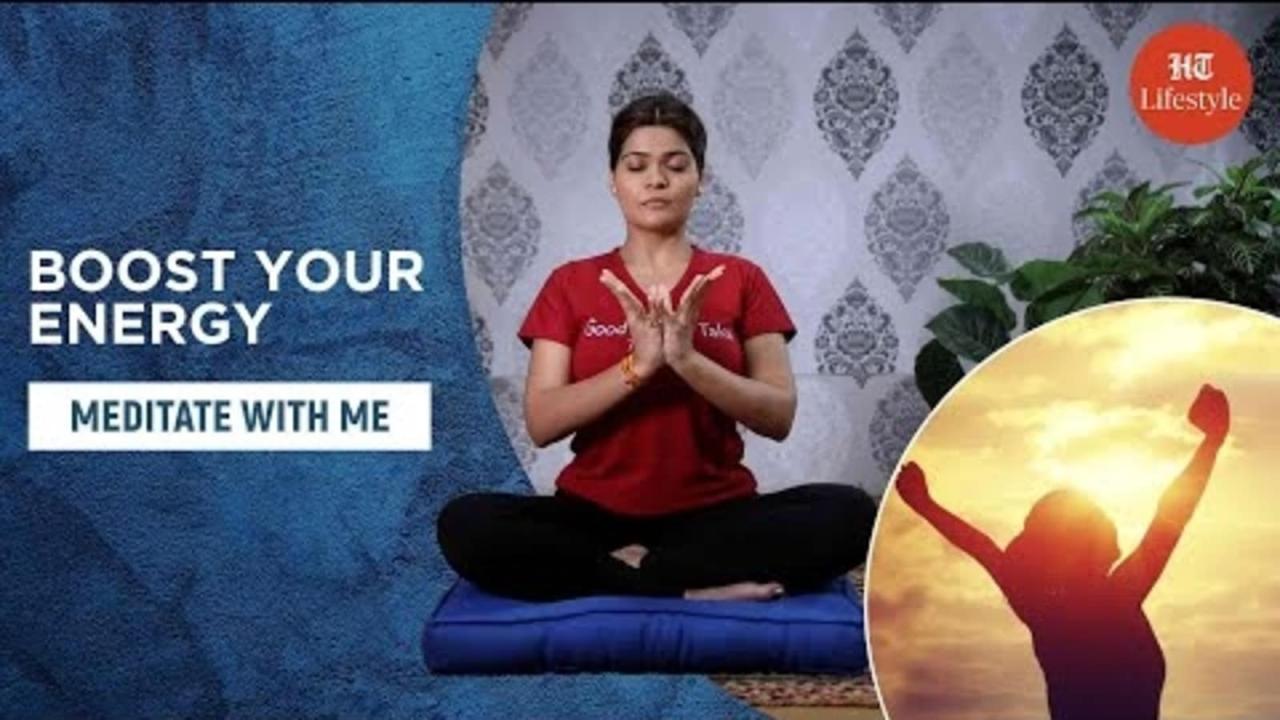
Integrating meditation seamlessly into your workout regimen can significantly enhance your energy levels, focus, and overall performance. When meditation becomes a regular part of your exercise routine, it aids in mental clarity and physical readiness, setting a positive tone for each session. Properly timed meditation sessions can also serve as quick refreshers during intense workout periods, helping to maintain stamina and motivation throughout your fitness journey.
The key lies in creating a structured approach that complements your workout schedule, ensuring consistency and maximum benefit.A well-organized routine that combines meditation with exercise not only boosts energy but also improves recovery and reduces the risk of injury by fostering mindfulness and body awareness. Adapting meditation practices to different workout phases—warm-up, active breaks, or cool-down—can optimize your performance and recovery, making your fitness regimen more effective and enjoyable.
Sample Schedule Integrating Meditation Before Exercise Sessions
To effectively incorporate meditation into your workout schedule, consider the following sample plan:
- Pre-workout Meditation (10-15 minutes): Begin with a calming meditation session focused on breathing and mental centering. Find a quiet space, sit comfortably, and practice deep diaphragmatic breathing to relax your mind and body. This prepares you mentally and physically for the upcoming workout.
- Warm-up with Meditation (5-10 minutes): Combine light physical activity such as dynamic stretching with mindful breathing exercises. Focus on sensing your body movements and maintaining awareness to enhance muscle readiness and reduce injury risk.
- Mid-workout Breaks (2-5 minutes): During rest periods, perform quick energy-boosting meditations, such as energizing breathwork or visualization techniques, to sustain stamina and mental alertness.
- Post-workout Cool-down and Meditation (10 minutes): Finish with a calming meditation to facilitate recovery, reduce muscle tension, and improve mental clarity, reinforcing a positive workout experience.
Methods for Quick Energy-Boosting Meditation During Workout Breaks
Effective strategies for quick energy boosts during exercise sessions are essential for maintaining momentum. These methods focus on revitalizing your mental and physical energy in short periods, making them ideal for intense training sessions or prolonged workouts.
During workout breaks, engaging in specific meditation techniques can help elevate your energy levels rapidly:
- Power Breathing: Practice rapid, rhythmic breathing—such as inhaling deeply through the nose for four counts and exhaling forcefully through the mouth for six counts—to increase oxygen flow and stimulate alertness.
- Visualization: Close your eyes briefly and imagine a burst of energy or a motivating scene, like a victorious finish line or a bright, energizing light filling your body, to enhance motivation and focus.
- Body Scan Meditation: Rapidly scan your body from head to toe, releasing tension and rejuvenating your muscles, which helps restore energy and prepares you for the next exercise segment.
Routines Combining Meditation with Warm-Up Activities for Enhanced Performance
Merging meditation techniques with physical warm-up routines can prime both mind and body, resulting in improved exercise efficiency and reduced injury risk. These integrated routines foster a state of mindfulness that enhances movement quality and concentration.
Here are some effective approaches:
- Breath-Integrated Dynamic Stretching: As you perform dynamic stretches like leg swings or arm circles, synchronize each movement with controlled breathing. Focus on inhaling during the stretch and exhaling during the return to a neutral position, cultivating mindfulness and muscle activation.
- Mindful Movement Drills: Incorporate slow, deliberate movements such as tai chi-inspired exercises, paying close attention to the sensation of each motion. This prepares your nervous system for more vigorous activity while establishing mental focus.
- Pre-Workout Meditation-Enhanced Warm-up: Begin with a guided meditation session centered on body awareness, followed by light cardio or mobility exercises. This transition from mental clarity to physical readiness enhances overall workout performance.
Examples of Meditation Practices Tailored for Different Types of Workouts
Different workouts demand specific mental and physical readiness. Tailoring meditation practices to suit various training types maximizes benefits and aligns with workout goals.
Below are tailored meditation approaches for common workout categories:
| Workout Type | Recommended Meditation Practice | Purpose and Benefits |
|---|---|---|
| Cardiovascular Training (Running, Cycling) | Pre-session energizing breathwork combined with visualization of endurance and pace. | Boosts stamina, mental resilience, and focus, helping maintain consistent pace and motivation. |
| Strength Training | Body scan meditation emphasizing muscle activation and mental focus on form. | Enhances concentration on proper technique, reduces injury risk, and increases neural engagement. |
| Flexibility and Yoga | Gentle mindful breathing and body awareness meditation during warm-up and cool-down. | Deepens stretch effectiveness, improves relaxation, and promotes mental calmness. |
| High-Intensity Interval Training (HIIT) | Quick energizing breath exercises during short rest periods, coupled with visualization of power. | Replenishes energy rapidly, maintains motivation, and sustains high-intensity effort. |
Troubleshooting common challenges in meditating for energy
Meditating to boost energy for workouts can sometimes present obstacles that impede effectiveness. Understanding these common challenges and implementing practical solutions ensures that meditation remains a beneficial part of your fitness routine. Recognizing and addressing these issues helps maintain motivation, deepen focus, and optimize energy enhancement through meditation.Meditation for energy enhancement requires mental clarity, consistency, and adaptability. When difficulties arise, they can diminish the perceived benefits and discourage continuation.
Being aware of typical challenges, along with effective strategies to overcome them, ensures that your meditation practice remains productive and aligned with your workout goals.
Difficulty in maintaining focus during meditation
Maintaining unwavering focus during meditation can be challenging, especially amidst daily distractions or restless thoughts. Distraction can significantly reduce the meditation’s energy-boosting effects, making it harder to achieve the desired mental clarity and vitality.To counteract this, consider the following solutions:
- Use guided meditations or audio recordings that provide clear instructions, helping anchor your attention.
- Incorporate gentle visualizations, such as imagining a bright light or energetic wave, to keep your mind engaged.
- Practice mindfulness by gently returning your focus to your breathing whenever your mind wanders, without self-criticism.
- Establish a dedicated, clutter-free meditation space that minimizes external disturbances.
Regularly practicing these techniques can strengthen your concentration over time, making your meditation sessions more effective and energizing.
Adapting meditation practices for busy or constrained schedules
Time constraints often pose a challenge for consistent meditation, especially for individuals with demanding schedules. Finding ways to incorporate short, effective sessions ensures that meditation remains a feasible part of your routine without sacrificing other commitments.Strategies to adapt include:
- Implementing brief, focused meditation sessions lasting just 5-10 minutes, which can be easily integrated into mornings, breaks, or post-work routines.
- Utilizing quick breathing exercises, such as box breathing or diaphragmatic breathing, that can be performed during a busy day to rejuvenate energy levels.
- Breaking longer sessions into multiple mini-meditations throughout the day to sustain energy and focus.
- Leveraging mobile apps designed for quick meditative practices, providing guided sessions tailored for limited timeframes.
Consistent, manageable practices ensure that even the busiest individuals can harness meditation’s energizing benefits to enhance workout readiness.
Techniques to deepen energy-boosting effects when meditation feels ineffective
Occasionally, meditation sessions may not produce the expected increase in energy, which can be discouraging. To deepen the effects, practitioners can employ advanced techniques or modify existing practices.Effective approaches include:
- Integrating breathwork techniques such as energizing breaths—rapid inhalations followed by controlled exhalations—to invigorate the body.
- Using visualization methods that focus on awakening internal energy centers, like imagining roots extending from the feet or rays of light filling the body with vitality.
- Practicing active meditation forms, such as walking meditation or gentle movement, to stimulate energy flow while maintaining mindfulness.
- Extending meditation duration gradually, starting with shorter sessions and increasing as energy levels improve, to allow deeper mental and energetic engagement.
Incorporating these techniques can heighten the energizing impact, especially when initial meditation efforts feel insufficient.
Modifying meditation duration and methods based on personal energy levels
Understanding personal energy fluctuations throughout the day allows for tailoring meditation practices to maximize benefits. Some individuals may find shorter sessions more effective during low-energy periods, while others might benefit from longer, more immersive practices when highly energetic.Guidelines for modification include:
- Performing brief, focused meditation sessions during mid-afternoon slumps to quickly restore vitality.
- Extending meditation duration before workouts to enhance mental clarity and physical readiness, especially on days with low baseline energy.
- Switching between different meditation techniques—such as mindfulness, breathwork, or visualizations—based on current energy levels and personal preferences.
- Listening to your body’s signals to determine optimal times and durations, gradually adjusting practices to suit your evolving energy patterns.
Personalizing meditation duration and style ensures that your energy-boosting efforts are both effective and sustainable, fitting seamlessly into your lifestyle and workout schedule.
Visualizations and Mental Imagery to Energize Workouts
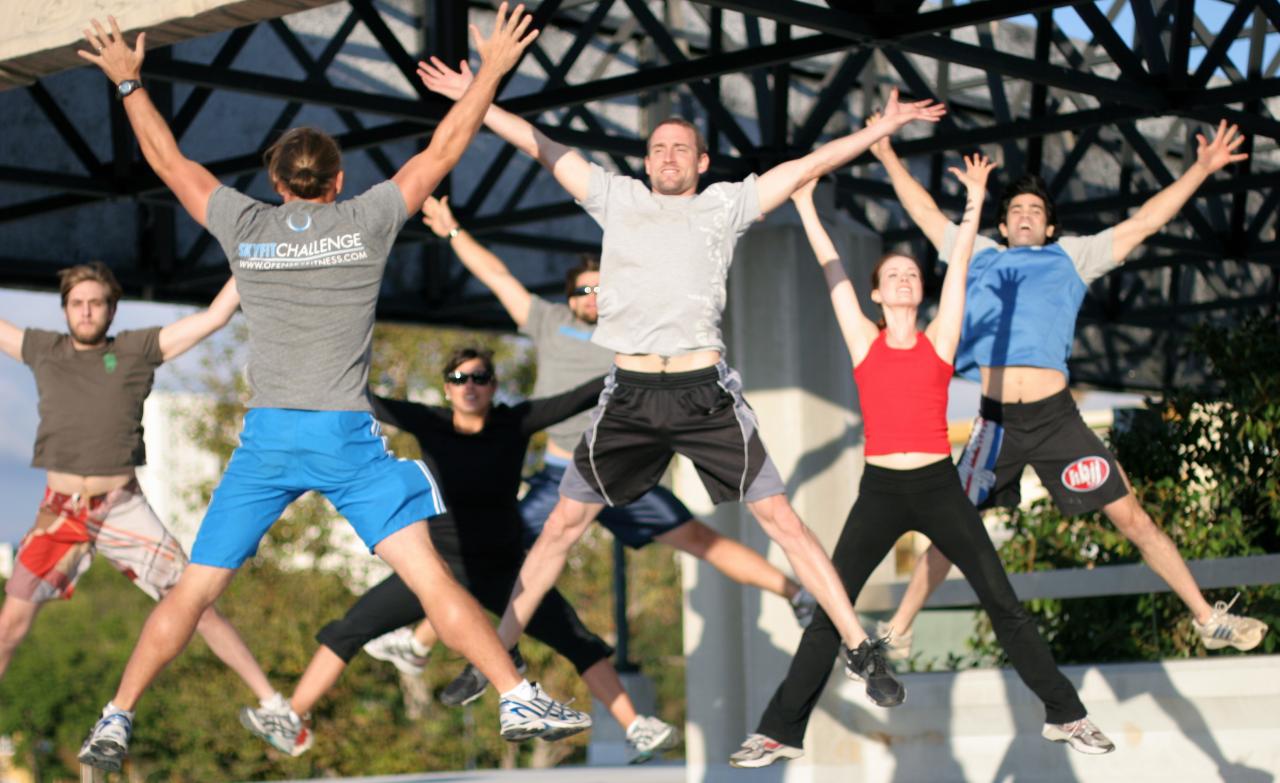
Harnessing the power of visualizations and mental imagery is a potent method to enhance your workout energy levels. When you create vivid mental images, you activate your subconscious mind, boosting motivation and preparing your body for high-performance activity. This mental practice can significantly improve your confidence, focus, and overall enthusiasm, making your workouts more effective and invigorating.
By engaging in visualization techniques, you can simulate the sensations of strength, vitality, and endurance, which primes your nervous system to respond with greater energy and resilience during exercise. These mental images serve as an internal catalyst, fostering a positive mindset that translates into physical vigor. Integrating visualization into your workout routine is a strategic way to elevate your energy and achieve better results.
Creating Vivid Mental Images of Strength and Vitality
The foundation of effective visualization lies in forming detailed, multisensory images that evoke feelings of power and vitality. The more specific and immersive your images, the more impactful they become. Focus on engaging all your senses—visual, auditory, kinesthetic, and even tactile—to craft a compelling mental scene that energizes you for your workout.
Begin by imagining yourself performing your exercise with optimal strength, feeling the muscle engagement and the rush of adrenaline coursing through your body. Picture yourself lifting weights effortlessly, sprinting with speed, or executing a perfect yoga pose with balance and ease. Incorporate sensory details like the sound of your breath, the texture of equipment, or the warmth of your muscles to deepen the experience.
Visualization Scripts for High-Energy Preparation
Structured visualization scripts serve as guided mental rehearsals that prime your mind and body before starting your workout. These scripts should be designed to evoke feelings of energy, confidence, and readiness, setting a positive tone for your exercise session.
Example script: “Imagine yourself stepping into your workout space, feeling a surge of excitement. Visualize each movement as powerful and controlled, your muscles energized and responsive. See yourself completing each exercise with ease and enthusiasm. Feel the vitality coursing through your veins, fueling your effort and determination. Picture the satisfaction as you finish strong, with your body invigorated and your mind focused.”
Repeatedly practicing this script helps embed a mental state of high energy, making it easier to access during actual workouts.
Positive Affirmations to Reinforce Energy and Motivation
Positive affirmations are concise, empowering statements that reinforce your desire for energy, strength, and motivation. When repeated regularly, these affirmations can reprogram your mindset, enhance self-belief, and boost your physical performance.
Examples include: “I am full of energy and ready to conquer my workout,” “My body is strong, and my mind is focused,” “Every movement I make is powered by vitality and determination,” and “I am capable of exceeding my limits.”
Integrating affirmations into your visualization routine amplifies their effectiveness, creating a resilient mental foundation for sustained energy during workouts.
Guided Imagery Exercise to Start Each Workout with Enthusiasm
Implementing a brief guided imagery exercise at the beginning of each workout can set a tone of enthusiasm and energy. This practice involves a focused visualization session that primes your mind and body for high-energy activity.
- Find a comfortable, quiet space where you won’t be disturbed. Sit or lie down in a relaxed position.
- Close your eyes and take several deep breaths, inhaling slowly through your nose and exhaling through your mouth to calm your mind.
- Begin imagining yourself in a state of peak energy. Visualize your muscles awakening, feeling warm, strong, and responsive.
- Picture yourself moving through your planned workout with enthusiasm and confidence, noticing the power in each movement and the rhythm of your breath.
- Repeat positive affirmations silently or aloud, such as “I am energized and ready,” or “My body is prepared to perform at its best.”
- Spend a few moments immersed in this vivid scene, feeling your energy build and your motivation heighten.
- Gradually bring your awareness back to the present moment, opening your eyes and carrying this energized mindset into your workout.
This routine, practiced consistently, transforms your mental preparation into a reliable source of energy, helping you approach each workout with enthusiasm and vigor.
Additional Tips for Maximizing Meditation Impact on Workout Energy

Enhancing your workout performance through meditation involves more than just practice; it requires strategic adjustments to your lifestyle, environment, and routine. Incorporating these additional tips can significantly amplify the energizing effects of meditation, helping you achieve higher levels of stamina, focus, and motivation during your workouts. Consistency and intentionality are key to transforming meditation from a simple relaxation technique into a powerful tool for athletic vitality.A holistic approach that combines mindful habits, supportive dietary choices, and sensory enhancements can foster an optimal mental and physical state.
By paying attention to your daily routines and environment, you can create a sustainable practice that continually boosts your workout energy.
Importance of Consistency and Routine in Meditation Practice
Maintaining a regular meditation schedule is crucial for reaping its full energizing benefits. Consistency helps reinforce neural pathways associated with focus, calmness, and vitality, making energizing states more accessible during workouts. Establishing a fixed time—such as morning or before exercise—creates a habitual rhythm that signals your mind and body to prepare for activity. A routine fosters discipline and reduces resistance to meditation, making it an integral part of your lifestyle.
Over time, this consistent practice enhances your ability to quickly access mental clarity and energetic reserves, leading to more effective workout sessions.
Dietary and Lifestyle Considerations Supporting Meditation Benefits
Optimizing your diet and lifestyle can substantially support the positive effects of meditation on your workout energy. Proper nutrition fuels your body and brain, enabling better focus and vitality. Prioritize a balanced intake of complex carbohydrates, lean proteins, healthy fats, and hydration, especially before meditative sessions aimed at energizing.Limit processed foods, excessive caffeine, and sugar intake, which can cause energy fluctuations or crashes.
Incorporating antioxidant-rich foods like berries, leafy greens, and nuts enhances overall vitality and reduces inflammation, supporting sustained energy levels.Lifestyle habits such as adequate sleep, moderate physical activity, and stress management complement meditation efforts. Sleep is particularly vital, as restorative rest consolidates mental clarity and physical readiness. Avoiding overstimulation and managing daily stressors can prevent energy depletion, allowing meditation to effectively boost your workout preparedness.
Suggestions for Incorporating Music or Ambient Sounds to Enhance Focus
Adding carefully selected music or ambient sounds can deepen your meditation experience and enhance its energizing effects. Background sounds serve as auditory anchors that improve concentration, block distractions, and elevate your mood. Upbeat, rhythmic music with motivating tempos can invigorate your mind while maintaining a calm state conducive to meditation.Alternatively, nature sounds such as flowing water, gentle rain, or wind can foster a serene environment that promotes mental relaxation and vitality.
Use high-quality speakers or noise-cancelling headphones to create an immersive experience, ensuring your focus remains undisturbed. Experimenting with different soundscapes allows you to find the auditory environment that best energizes your meditation sessions.
Tracking Energy Levels to Measure Meditation Effectiveness
Monitoring your energy levels before and after meditation sessions provides valuable insights into its effectiveness as an energizing tool. Keeping a journal or using digital apps designed for mood and energy tracking helps identify patterns and progress over time.Record specific details such as time of meditation, duration, environmental conditions, and perceived energy. Notice how your energy fluctuates during workouts after consistent meditation practice.
Objective measures like heart rate variability (HRV) or wearable fitness trackers can offer additional data points, reflecting improvements in overall vitality and stress resilience.Regular evaluation enables you to adjust your meditation techniques, routine timing, or supportive habits for maximal impact. Recognizing incremental improvements encourages continued commitment and demonstrates the tangible benefits of integrating meditation into your fitness regimen.
Conclusive Thoughts

Incorporating meditation into your workout regimen can dramatically improve your energy levels, focus, and motivation. With consistent practice and the right techniques, you’ll find yourself more prepared and enthusiastic for each session. Remember, the key lies in regularity and adapting practices to suit your individual needs, enabling you to experience sustained vitality and enhanced performance over time.