Discovering how to meditate to relax muscles after exercise offers a powerful method to enhance recovery and reduce tension. Incorporating mindfulness and targeted breathing techniques, this practice provides a calming break from post-workout fatigue, promoting both physical and mental relaxation. Engaging in these meditation routines can transform your recovery process into a soothing and revitalizing experience.
This guide explores effective methods for preparing your environment, practicing guided meditations, integrating breathing exercises, and establishing routines that support muscle relaxation after workouts. By following these steps, you can optimize your recovery, alleviate muscle soreness, and foster overall well-being.
Understanding the Benefits of Meditation for Muscle Relaxation After Exercise

Engaging in meditation following physical activity offers a multitude of advantages that extend beyond mental serenity. By focusing on relaxation and mindful awareness, individuals can significantly enhance their muscle recovery process. This practice not only alleviates residual tension but also promotes a sense of overall well-being essential for optimal physical health.
Meditation facilitates muscle relaxation through a combination of physiological and psychological mechanisms. Its calming influence helps decrease the body’s stress response, which is often heightened after intense exercise. As a result, muscles can transition more smoothly from tension to relaxation, accelerating recovery and reducing the risk of soreness and injury. Additionally, the psychological benefits—such as reduced anxiety and improved sleep—further support physical relaxation, creating a holistic environment conducive to healing and rejuvenation.
Physiological Effects of Meditation on Muscle Relaxation Mechanisms
The physiological impact of meditation on muscle relaxation is rooted in its ability to modulate the autonomic nervous system, particularly increasing parasympathetic activity. This shift promotes a state of rest and digest, counteracting the sympathetic nervous system’s fight-or-flight response that dominates during and immediately after exercise.
During meditation, several bodily processes contribute to muscle relaxation. These include:
- Reduction of cortisol levels: Meditation has been shown to decrease cortisol, a stress hormone that is often elevated after strenuous activity and can contribute to muscle tension and inflammation.
- Enhanced blood flow: Relaxation techniques encourage vasodilation, allowing increased blood circulation to muscles, which supplies oxygen and nutrients essential for recovery.
- Activation of the parasympathetic nervous system: This activation promotes a decrease in heart rate and blood pressure, creating an optimal environment for muscle fibers to relax and repair.
- Decreased muscle tension: Specific breathing and mindfulness exercises help release physical tightness, preventing the buildup of lactic acid and other metabolic waste products.
Psychological Benefits That Contribute to Physical Relaxation
Beyond the physiological effects, meditation offers profound psychological benefits that indirectly promote muscle relaxation. These mental health improvements are crucial for reducing perceived stress levels and fostering a peaceful state conducive to recovery.
The psychological advantages include:
- Stress reduction: Meditation helps lower anxiety and mental fatigue, which can contribute to muscle tightness and soreness post-exercise.
- Enhanced body awareness: Mindfulness practices increase awareness of physical sensations, allowing individuals to recognize and release tension more effectively.
- Improved sleep quality: Regular meditation can lead to deeper, more restorative sleep, during which muscle repair processes are most active.
- Reduction of emotional stress: Managing emotional stress through meditation minimizes hormonal imbalances that may hinder recovery and prolong muscle tension.
“Consistent meditation cultivates a state of mental calmness that directly influences physical relaxation, making it a vital component of post-exercise recovery.”
Integrating meditation into your post-exercise routine leverages these physiological and psychological benefits, creating a comprehensive approach to muscle relaxation that enhances overall recovery, reduces soreness, and prepares the body for future physical activities.
Preparing for Meditation to Relax Muscles Post-Workout

Creating an optimal environment and mindset for meditation significantly enhances its effectiveness in promoting muscle relaxation after exercise. Proper preparation ensures that your body and mind are receptive, allowing you to experience the full benefits of your post-workout meditation routine.
Preparation involves establishing a calming space, adopting techniques to calm the mind, and engaging in specific routines that set the stage for a successful meditation session. These steps help transition seamlessly from physical exertion to mental relaxation, fostering quicker muscle recovery and overall well-being.
Creating a Calming Environment
Designing a peaceful setting is fundamental to fostering relaxation. An environment free from distractions encourages focus and deepens the meditative experience. Consider the following elements:
- Choose a quiet, clutter-free space away from noise and interruptions.
- Optimize lighting by using soft, natural light or dim lamps to create a soothing ambiance.
- Maintain a comfortable temperature that is neither too hot nor too cold, promoting physical ease.
- Use calming scents such as lavender, chamomile, or eucalyptus through essential oils or candles to stimulate relaxation.
- Arrange comfortable seating options, such as a cushioned chair or a mat, to support proper posture during meditation.
Ensuring these elements are in place helps your mind associate the environment with tranquility, making it easier to transition into a relaxed state after exercise.
Calming the Mind Before Meditation
Before beginning your meditation, it is essential to quiet mental chatter and reduce stress levels. Employing specific techniques can facilitate this process:
- Deep Breathing Exercises: Engage in slow, diaphragmatic breaths—inhale deeply through the nose for a count of four, hold for a count of four, then exhale slowly through the mouth for a count of six. This stimulates the parasympathetic nervous system, initiating relaxation.
- Progressive Muscle Relaxation: Tense each muscle group for a few seconds, then release, moving systematically through the body. This not only relaxes muscles but also shifts focus away from stressful thoughts.
- Mindfulness and Body Scan: Focus attention on physical sensations, observing without judgment. Conduct a mental scan from head to toe, noting areas of tension and consciously releasing them.
- Avoid Stimulating Activities: Refrain from engaging in stimulating conversations or screens just before meditation, as these can heighten alertness and hinder relaxation.
Practicing these techniques prior to meditation helps clear mental clutter, fostering a state conducive to deep muscle relaxation.
Post-Exercise Routines to Enhance Meditation Effectiveness
Integrating specific routines after exercising prepares the body for meditation, allowing muscles to recover efficiently and amplifying relaxation benefits. These routines include:
- Gentle Cooling Down: Engage in light activities such as walking or stretching for 5-10 minutes to gradually lower heart rate and reduce muscle stiffness.
- Hydration and Nutrient Intake: Drink water and consume a balanced snack rich in proteins and complex carbohydrates to replenish energy stores and facilitate muscle repair.
- Targeted Stretching: Perform slow, deliberate stretches focusing on muscles worked during exercise—hamstrings, quadriceps, calves, back, and shoulders—to prevent soreness and improve flexibility.
- Mindful Breathing: After stretching, practice deep breathing exercises to further calm the nervous system and prepare the mind for meditation.
- Allow a Rest Period: Dedicate at least 5-10 minutes for rest before beginning meditation. This pause helps the body transition smoothly from physical exertion to mental relaxation, optimizing muscle recovery and meditation benefits.
Implementing these routines creates a seamless transition from workout to meditation, ensuring muscles are primed for relaxation and the mind is receptive, ultimately enhancing post-exercise recovery and overall well-being.
Guided Meditation Techniques for Relaxing Muscles
Guided meditation provides a structured and calming approach to releasing muscle tension after physical activity. These techniques involve verbal instructions and visualization to help focus attention on specific muscle groups, promoting relaxation and recovery. Engaging in guided sessions can be particularly effective for individuals new to meditation or those seeking targeted muscle relaxation post-exercise.
By following carefully crafted scripts, practitioners can systematically relax different muscle groups, reducing stiffness and preventing soreness. The importance of clear guidance and mindful awareness during each step enhances the effectiveness of the practice, making it a valuable addition to post-workout recovery routines.
Specific Guided Meditation Scripts for Muscle Relaxation
Effective guided scripts typically incorporate sequential relaxation of muscle groups, breathing techniques, and visualization strategies. These scripts are designed to be easy to follow and can vary in length from short 5-minute sessions to more comprehensive 20-minute practices.
Sample scripts often begin with deep breathing exercises to center attention and promote calmness. This is followed by a gradual focus on different muscle groups, encouraging the practitioner to tense and then release each area consciously. Visualization may include imagining warmth or light easing tension, enhancing relaxation.
Creating personalized scripts can involve scripting up to the toes, calves, thighs, hips, lower back, upper back, shoulders, arms, neck, and face. Emphasizing the sensation of releasing tension from each group helps deepen relaxation and improve post-exercise recovery.
Sample Meditation Sessions with Duration and Focus
Structured meditation sessions help individuals incorporate muscle relaxation into their recovery routine with clarity and consistency. Below are sample Artikeld sessions with suggested durations and focal points:
- Short Relaxation Session (5-7 minutes): Focuses on the shoulders, neck, and face.
- Medium Duration Session (10-12 minutes): Encompasses the legs, hips, and lower back, followed by upper back and shoulders.
- Extended Session (15-20 minutes): Covers the entire body, systematically relaxing from toes to head, with emphasis on areas prone to tension after exercise such as calves, thighs, and lower back.
Each session begins with a few deep breaths to establish calmness, followed by guided visualization and tension-release instructions for targeted muscle groups. For example, a session might instruct the practitioner to tighten and hold the calves for a few seconds, then release and imagine warmth flowing through the area, easing stiffness.
Focusing attention on different muscle groups during meditation can involve visualizing tension melting away or warmth enveloping the area, facilitating a deeper state of relaxation. Repeating this process for each group ensures comprehensive muscle release, supporting faster recovery and reduced soreness.
Breathing Exercises Complementing Meditation for Muscle Relief
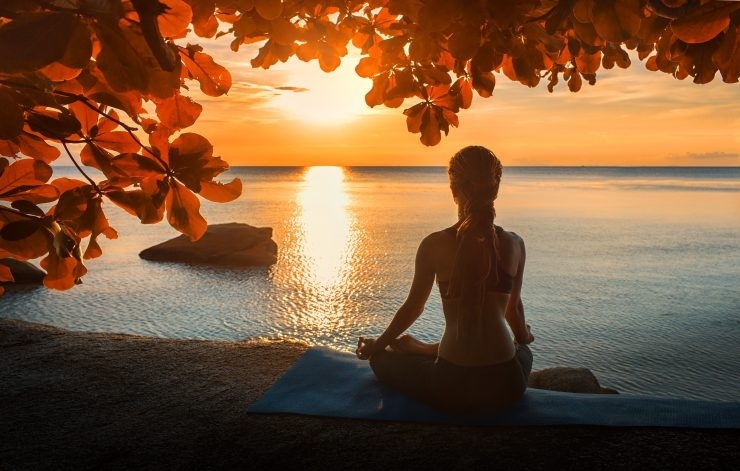
Engaging in proper breathing exercises alongside meditation can significantly enhance muscle relaxation after exercise. These techniques help calm the nervous system, reduce tension, and improve the effectiveness of your post-workout recovery routine. When combined thoughtfully, breathing exercises serve as a powerful tool to deepen relaxation and facilitate quicker muscle recovery, making them an invaluable addition to your post-exercise regimen.Breathing exercises that focus on controlled and mindful inhalation and exhalation can amplify the calming effects of meditation.
They work by slowing the heart rate, decreasing cortisol levels, and promoting parasympathetic nervous system activation. This synergy not only alleviates muscle tension but also reduces overall stress, fostering a comprehensive sense of well-being and physical recovery.
Deep Breathing Techniques for Muscle Relaxation
Deep breathing involves intentional and slow inhalation and exhalation, targeting the diaphragm to maximize oxygen intake and promote relaxation. Two widely recognized techniques, diaphragmatic breathing and box breathing, are particularly effective for muscle relief after exertion.
Diaphragmatic Breathing
This technique emphasizes engaging the diaphragm to enhance lung capacity and induce a relaxation response. It is especially useful after strenuous activity, as it decompresses tense muscles and calms the nervous system.
- Find a comfortable seated or lying position, ensuring your back is straight and shoulders are relaxed.
- Place one hand on your chest and the other on your abdomen, just below the rib cage.
- Inhale slowly through your nose, focusing on expanding your abdomen rather than your chest. Aim for a count of four seconds.
- Pause briefly at the top of the inhale, then gently exhale through pursed lips or nose, aiming for a longer exhalation of about six seconds.
- Repeat this cycle for 5-10 minutes, maintaining awareness of your breath and bodily sensations.
Box Breathing
This technique involves inhaling, holding, exhaling, and pausing in equal durations, creating a “box” pattern that fosters mental clarity and physical relaxation.
- Sit comfortably with your back aligned and shoulders relaxed.
- Inhale slowly through your nose for a count of four, filling your lungs completely.
- Hold your breath for a four-count, maintaining a gentle tension in your body.
- Exhale smoothly and fully through your mouth or nose for four counts, releasing tension from muscles.
- Pause after exhaling for another four counts before beginning the next cycle.
- Repeat the pattern for 5-10 minutes, paying close attention to the rhythm and sensation of your breath.
Visualizing these breathing patterns can enhance their effectiveness. For diaphragmatic breathing, imagine your abdomen expanding like a balloon with each inhale and deflating as you exhale. For box breathing, picture a square with equal sides, synchronizing your breath with each side to maintain consistency and focus. Regular practice of these techniques not only reduces muscle tightness but also cultivates a calming state that facilitates quicker recovery after exercise.
Incorporating Mindfulness and Body Scan Practices
Integrating mindfulness and body scan techniques into post-exercise routines enhances muscle relaxation, reduces residual tension, and promotes overall mental clarity. These practices foster a deeper connection between the mind and body, enabling individuals to release physical stress more effectively and deepen their relaxation experience.
Mindfulness involves maintaining a moment-by-moment awareness of bodily sensations, thoughts, and emotions without judgment. When combined with body scan practices, it guides individuals to systematically observe and release tension in specific muscle groups, leading to a profound sense of calm and physical relief after exercise.
Steps for Conducting a Body Scan Meditation to Release Muscle Tension
The body scan meditation is a structured approach that encourages awareness of each body part, fostering relaxation and tension release. The following steps Artikel a typical process:
- Find a Comfortable Position: Lie down on a flat surface or sit comfortably in a supportive chair, ensuring your body is fully relaxed and supported.
- Set an Intention: Briefly acknowledge your goal of releasing muscle tension and cultivating mindfulness during this session.
- Begin with Breath Awareness: Take slow, deep breaths to center your attention and prepare for the scan.
- Start at the Feet: Bring awareness to your toes, noticing any sensations, warmth, or tension. Visualize releasing any tightness as you exhale.
- Progress Upward: Gradually shift attention to the ankles, calves, knees, thighs, hips, abdomen, chest, back, shoulders, arms, hands, neck, and finally the face. Spend adequate time on each region, observing sensations without judgment.
- Release Tension: As you become aware of tension or discomfort, imagine it dissolving with each exhale, fostering a sense of relaxation in that area.
- Complete the Scan: Finish at the top of the head, maintaining awareness of your entire body and the overall sense of calm.
- Return Gently: Slowly bring your awareness back to your environment, opening your eyes if closed, and carry the sense of relaxation with you.
This systematic approach helps to identify areas of residual tension and promotes a deep state of relaxation, supporting recovery and mental clarity post-exercise.
Tips for Maintaining Mindfulness During Post-Exercise Relaxation
Practicing mindfulness consistently enhances the effectiveness of post-exercise muscle relaxation. Here are key tips to sustain mindfulness during these sessions:
- Focus on Breath: Use slow, deliberate breathing as an anchor to stay present and centered during your relaxation routine.
- Observe Sensations Non-Judgmentally: Acknowledge physical sensations without labeling them as good or bad, fostering acceptance and reducing stress.
- Limit Distractions: Find a quiet, comfortable environment free from interruptions to enhance your ability to stay present.
- Practice Regularly: Consistency strengthens mindfulness skills, making relaxation techniques more effective over time.
- Use Affirmations: Incorporate calming phrases like “I am relaxed” or “My body is at ease” to reinforce a mindful state.
Comparison of Body Scan Techniques and Their Benefits
| Technique | Description | Benefits |
|---|---|---|
| Progressive Body Scan | Focuses on systematically tensing and then relaxing each muscle group, often starting from the feet or head. | Enhances awareness of tension and promotes deep muscle relaxation; effective for reducing chronic stress and anxiety. |
| Mindfulness Body Scan | Involves observing sensations in each body part with gentle curiosity, without intentionally tensing muscles. | Fosters acceptance and non-judgmental awareness, leading to sustainable relaxation and improved emotional resilience. |
| Guided Visualization Body Scan | Includes mental imagery, such as imagining a warm wave flowing through muscles, facilitating relaxation. | Provides a calming focus that can deepen relaxation and make the practice more engaging, especially for beginners. |
| Self-Guided Body Scan | Performed independently without external guidance, often following a set routine or script. | Flexible and accessible; promotes self-awareness and can be tailored to individual needs for effective tension release. |
Choosing the appropriate body scan method depends on personal preferences and specific relaxation goals. Integrating these practices into post-workout routines can significantly enhance muscle recovery and mental well-being.
Common Challenges and Solutions in Meditation for Muscle Relaxation
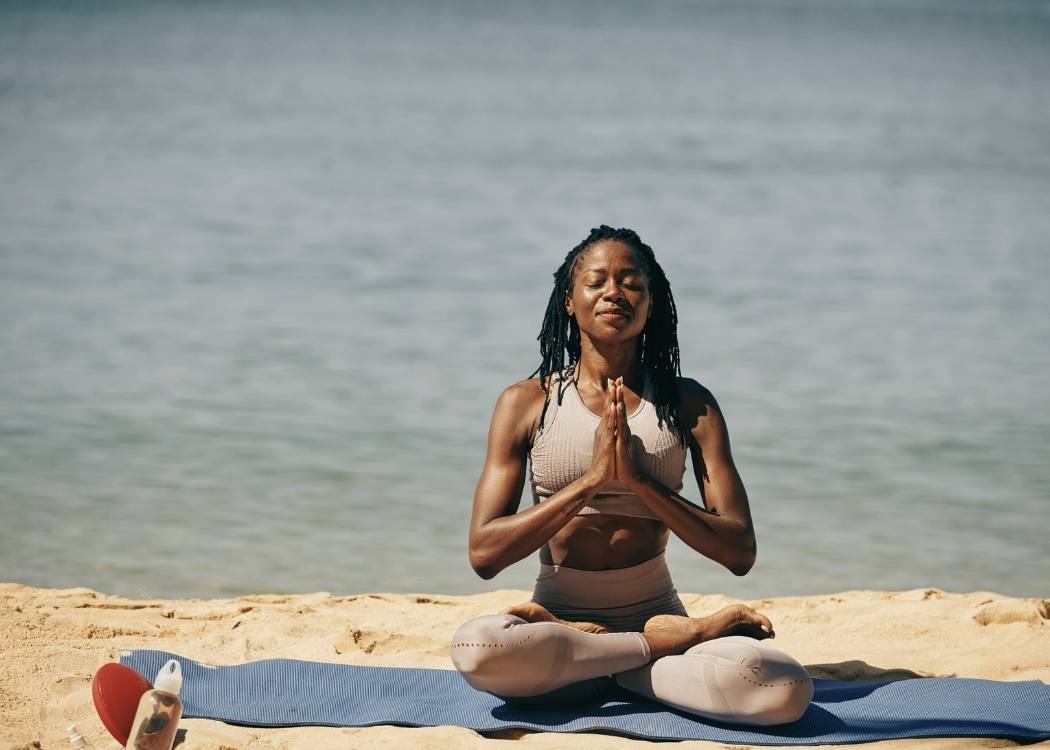
Engaging in meditation after exercise can significantly enhance muscle recovery and overall well-being. However, practitioners often encounter obstacles that may hinder the effectiveness of their sessions. Recognizing these common challenges and implementing practical solutions is essential to establish a consistent and beneficial meditation practice tailored to muscle relaxation.Physical and mental hurdles can disrupt the meditation process, especially when muscles are sore or tense.
External distractions or internal restlessness may reduce focus, making it difficult to attain deep relaxation. Additionally, personal discomforts or habitual barriers might deter individuals from maintaining their practice regularly. Addressing these issues with targeted strategies allows for a more comfortable and focused meditation experience, ultimately leading to improved muscle relief and recovery.
Distractions and Environmental Obstacles
External noise, interruptions, and an uncomfortable environment are frequent barriers faced during post-workout meditation. These factors can divert attention, making it challenging to concentrate on relaxation. To mitigate these issues, creating a dedicated calming space that minimizes noise and visual distractions is advantageous. Using soft lighting, calming scents, or white noise machines can establish a peaceful setting. Informing household members about meditation times also reduces unexpected interruptions, fostering a more focused environment.
Physical Discomfort and Muscle Tension
Muscle soreness, stiffness, or discomfort often make sustained sitting or lying positions uncomfortable, impeding relaxation. To counteract this, selecting a comfortable posture—such as using cushions or reclining supports—is beneficial. Gentle stretching or light movement prior to meditation can alleviate stiffness. Incorporating props like bolsters or blankets ensures proper support, reducing strain and allowing muscles to relax more effectively during the session.
Overcoming Mental Restlessness and Distractions
A busy mind or racing thoughts can hinder deep meditation, especially after an active workout. Techniques such as focused breathing, body scans, or guided imagery help channel attention away from intrusive thoughts. Setting a specific, manageable duration for meditation and gradually increasing it allows the mind to adapt more comfortably. Practice patience and self-compassion, recognizing that mental restlessness diminishes with consistent effort and time.
Personalizing Meditation Practices for Better Results
Every individual responds differently to various meditation styles and techniques. Tailoring practices to personal preferences and physical needs enhances engagement and effectiveness. For example, some may find body scan meditation more soothing, while others prefer guided visualizations or breathing exercises. Experimenting with different methods, adjusting session lengths, and incorporating preferred environmental elements can create a personalized routine that resonates deeply, fostering more consistent and effective muscle relaxation outcomes.
Concluding Remarks
Incorporating meditation into your post-exercise routine offers a holistic approach to muscle relaxation and recovery. By consistently applying these techniques, you can experience less tension, quicker healing, and a greater sense of calm. Embrace these practices to transform your recovery time into a moment of rejuvenation and mindfulness, ultimately enhancing your overall fitness journey.