Understanding how to meditate during yoga can significantly deepen your overall practice, fostering greater mental clarity and physical relaxation. Incorporating meditation into your yoga sessions allows for a more holistic approach, promoting mindfulness and emotional balance while enhancing physical well-being.
Whether you are a beginner or an experienced practitioner, learning effective techniques and preparations can help you seamlessly integrate meditation into your yoga routine. From creating a conducive environment to adopting proper postures, this guide offers practical insights to elevate your meditation experience during yoga.
Understanding the Role of Meditation in Yoga
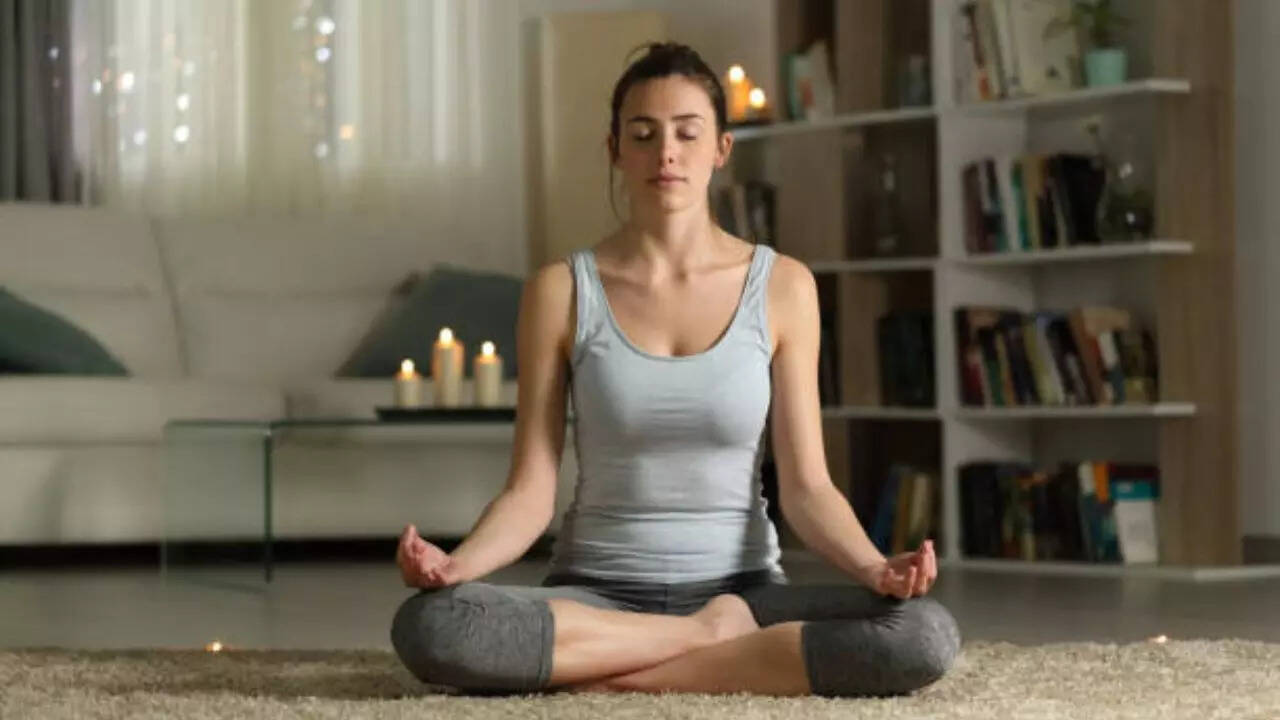
Meditation is an integral component of yoga practice that transcends physical postures to cultivate mental clarity and emotional stability. Its significance lies in its ability to deepen the connection between mind and body, fostering a holistic approach to well-being. Integrating meditation into yoga routines not only enhances physical flexibility and strength but also nurtures mental resilience, leading to a balanced state of mind that contributes positively to everyday life.
Recognizing the multifaceted role of meditation helps practitioners appreciate its value as a complementary practice that amplifies the benefits of yoga.
Within the broad spectrum of yoga traditions, meditation is viewed from various perspectives. Some see it as a pathway to spiritual enlightenment, while others focus on its mental health benefits, such as reducing stress and improving concentration. The way meditation is incorporated can vary from brief mindfulness pauses during physical postures to extended periods of seated meditation at the end of a yoga session.
This diversity reflects the versatility of yoga as a practice that can be tailored to individual needs, making meditation a flexible and accessible tool for personal growth and well-being.
Significance of Meditation in Enhancing Mental and Physical Well-Being
Meditation during yoga plays a crucial role in fostering mental clarity and emotional stability. By focusing attention inward and cultivating mindfulness, practitioners can reduce the effects of stress, anxiety, and depression. Scientific studies have demonstrated that consistent meditation can lower cortisol levels, improve sleep quality, and enhance emotional regulation. Physically, meditation activates the parasympathetic nervous system, promoting relaxation, decreasing heart rate, and reducing muscle tension.
This combination of mental calmness and physical relaxation contributes to overall health, making meditation an essential aspect of a comprehensive yoga practice.
Different Perspectives on Integrating Meditation into Yoga Routines
There are multiple approaches to incorporating meditation within yoga sessions, each emphasizing different aspects of the practice. Some traditions advocate for dedicated meditation sessions before or after physical postures to prepare the mind or consolidate the benefits gained. Others integrate mindfulness techniques into active postures, emphasizing breath awareness and present-moment focus throughout the practice. For example, mindful breathing exercises can be seamlessly embedded into asanas, enhancing concentration and stability.
Additionally, some practitioners prefer a brief meditation segment at the conclusion of their yoga session to consolidate the mental calm achieved. The choice of approach depends on individual goals, tradition, and personal preference, making the integration of meditation a highly adaptable element of yoga practice.
Preparing to Meditate During Yoga
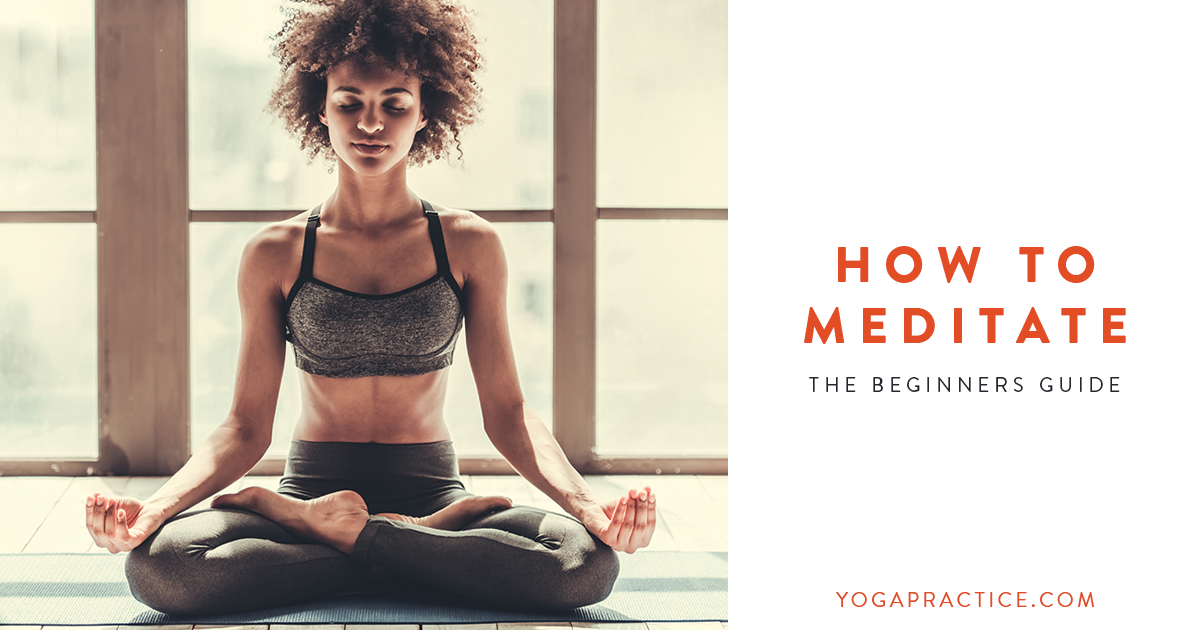
Creating the right environment and mindset before beginning meditation during yoga is essential to enhance focus, deepen relaxation, and achieve a more meaningful practice. Preparation involves both physical arrangements and mental intentions, ensuring that distractions are minimized and the mind is receptive to stillness and awareness. By establishing a calm setting and clear personal goals, practitioners can cultivate a more effective meditation experience integrated seamlessly into their yoga routine.
Proper preparation sets the foundation for mindfulness and concentration, allowing the practitioner to fully engage with each moment of meditation. It involves thoughtful organization of space, mindful intention setting, and adopting supportive habits that foster tranquility and focus during the practice.
Creating a Calm and Distraction-Free Environment
Developing a serene space free from interruptions is crucial for successful meditation during yoga. The environment should promote relaxation, free from external noises and visual distractions. Consider the following steps to establish such an atmosphere:
- Choose a quiet location: Select a dedicated corner or room where external noise is minimal. Avoid spaces near busy streets or household disturbances.
- Ensure comfortable temperature and ventilation: Maintain a moderate temperature, and ensure good airflow to prevent discomfort during extended meditation periods.
- Declutter the space: Keep the area clean and free of unnecessary objects that may divert attention. A tidy environment encourages mental clarity.
- Use calming elements: Incorporate soft lighting, such as candles or dim lamps, and natural elements like plants or stones to enhance tranquility.
- Limit electronic disturbances: Turn off or mute electronic devices to avoid interruptions. Inform household members to respect your practice time.
Implementing these steps creates an oasis of calm that supports focused meditation, allowing the practitioner to settle deeply into silence and awareness.
Setting an Intention Before Meditating in Yoga
Intention setting acts as a guiding purpose for meditation, aligning the mind and heart toward a specific goal or quality. It helps to anchor the practice and deepen its significance beyond mere relaxation. Establishing a clear, heartfelt intention can transform meditation into a purposeful journey of self-awareness and growth.
Practitioners can follow these techniques to craft meaningful intentions:
- Reflect on personal needs or goals: Consider what qualities or outcomes you wish to cultivate, such as patience, gratitude, or clarity.
- Formulate a positive affirmation: Create a short, present-tense statement that embodies your intention, e.g., “I am open to peace and acceptance.”
- Visualize the intention: Imagine embodying the qualities associated with your intention, feeling them as real and accessible.
- Repeat mentally or aloud: During the initial moments of meditation, softly repeat or silently affirm your intention to reinforce focus and commitment.
“Setting an intention acts as a compass, guiding your awareness and actions within the practice of meditation during yoga.”
Checklist of Necessary Items or Conditions for Effective Meditation
To optimize meditation during yoga, certain items and conditions are helpful to ensure comfort and focus. Having these elements in place facilitates a smoother, more profound experience:
| Item/Condition | Description | Purpose |
|---|---|---|
| Comfortable Seating | A cushion, meditation pillow, or folded blanket to support the sit bones and maintain an upright posture. | Promotes stability and prevents discomfort, allowing sustained focus. |
| Quiet Environment | As discussed in creating a distraction-free space, a peaceful setting minimizes external interruptions. | Enhances concentration and inner calm. |
| Proper Lighting | Soft, ambient lighting or natural daylight that is not overpowering. | Sets a tranquil mood and prevents glare that can distract the eyes. |
| Comfortable Clothing | Loose, breathable garments that do not restrict movement or breathing. | Ensures physical ease during prolonged meditation sessions. |
| Optional Items | Incense, calming essential oils, or soft background music (if it supports your practice). | Enhances sensory environment but should not be intrusive. |
| Time Allocation | A designated, consistent time slot free from overlapping commitments. | Fosters discipline and creates a habit of regular practice. |
By preparing these items and conditions in advance, practitioners are better equipped to enter a receptive state of mindfulness, making meditation during yoga more effective and fulfilling.
Techniques for Meditating During Yoga Sessions
Integrating meditation into yoga practice enhances mindfulness, increases focus, and deepens the overall experience. Employing various meditation methods tailored for yoga practitioners allows for a more versatile and effective approach to mental clarity and relaxation during sessions. These techniques can be seamlessly incorporated into different stages of a yoga flow, promoting a harmonious balance between movement and stillness.
Below are several meditation methods suitable for yoga practitioners, along with a structured breathing exercise sequence designed to facilitate meditation. Additionally, a comprehensive comparison table highlights the benefits and suitability of each technique, aiding practitioners in selecting the most appropriate method for their needs.
Various Meditation Methods Suitable for Yoga Practitioners
Practicing meditation during yoga can employ different approaches, each with unique benefits. These methods can be adapted based on individual preferences, experience levels, and specific goals such as stress reduction, concentration, or spiritual growth.
- Mindfulness Meditation: Involves paying deliberate attention to the present moment without judgment, often focusing on breath, sensations, or sounds. It cultivates awareness and acceptance, making it ideal for integrating into yoga flows to enhance sensory perception.
- Guided Visualization: Entails imagining calming scenes or positive outcomes guided by a recorded voice or mental image. This method can deepen relaxation and foster mental clarity during restorative yoga poses.
- Mantra Meditation: Uses repeated sounds, words, or phrases to focus the mind, such as “Om” or other meaningful mantras. It helps reduce mental chatter and deepen concentration, suitable for both dynamic and calming yoga practices.
- Breath Awareness: Centers attention on the natural rhythm of breathing, observing inhalation and exhalation without altering it. This technique anchors the mind and can be easily combined with physical postures.
Breathing Exercises to Facilitate Meditation During Yoga
Breathing exercises serve as foundational tools to prepare the mind and body for meditation, creating a tranquil state conducive to deep inner focus. A well-structured sequence of breathing techniques can smooth the transition from active movement to stillness and meditation within a yoga session.
- Deep Diaphragmatic Breathing: Inhale slowly through the nose, expanding the diaphragm and filling the lungs completely. Exhale gently through the nose, releasing all air. Repeat for 3-5 minutes to promote relaxation.
- Alternate Nostril Breathing (Nadi Shodhana): Use your thumb to close the right nostril and inhale through the left, then close the left nostril with the ring finger and exhale through the right. Switch sides and repeat for 5-10 cycles. This balances mental energies and calms the nervous system.
- Ujjayi Breath: Slightly constrict the back of the throat to create a gentle hissing sound during inhalation and exhalation. This breath deepens concentration and maintains a steady rhythm, especially useful during flow sequences.
Structured Meditation Practice for Integration Into Yoga Flow
Designing a structured meditation practice involves selecting appropriate techniques and timing them within the yoga session to maximize benefits. The following framework demonstrates how to incorporate meditation seamlessly:
- Preparation: Begin with a few minutes of deep diaphragmatic breathing to settle the mind and body.
- Active Yoga Poses: Perform physical postures while maintaining awareness of breath and sensations, employing breath awareness or mantra techniques during transitions.
- Transition to Stillness: Conclude the physical practice with a seated or supine posture, such as Sukhasana or Savasana.
- Meditation Phase: Engage in a chosen meditation method like mindfulness or guided visualization for 10-15 minutes, focusing on breath or mental imagery.
- Closing: Gradually bring awareness back to the surroundings, take a few deep breaths, and slowly open the eyes, carrying the sense of calm into daily life.
Comparison Table of Meditation Techniques
| Technique | Primary Focus | Benefits | Best Suited For |
|---|---|---|---|
| Mindfulness Meditation | Present moment awareness | Reduces stress, improves focus, fosters acceptance | Beginners, stress relief, concentration enhancement |
| Guided Visualization | Imaginary calming scenes | Deep relaxation, mental clarity, emotional balance | Restorative yoga, stress management, mental rejuvenation |
| Mantra Meditation | Repeating sounds or phrases | Reduces mental chatter, enhances concentration, spiritual growth | Intermediate to advanced practitioners, spiritual practices |
| Breath Awareness | Natural breathing rhythm | Calms nervous system, improves focus, prepares for meditation | Beginners, stress reduction, mindfulness integration |
Posture and Body Positioning for Meditation in Yoga
Achieving the right posture and body positioning during meditation in yoga is essential for fostering comfort, enhancing focus, and deepening the meditation experience. Proper alignment helps minimize physical distractions and allows energy to flow freely, supporting mental clarity and relaxation. Whether seated or lying down, adopting optimal postures ensures that the body remains at ease, enabling practitioners to sustain their meditation practice effectively.
In yoga, the significance of body positioning lies in creating a stable and balanced foundation. This stability not only prevents discomfort but also encourages mindfulness of the physical sensations, which is fundamental for meditation. Correct posture aligns the spine, relaxes muscles, and facilitates steady breathing, all of which contribute to a more profound meditative state.
Optimal Seated and Lying Postures for Meditation
Choosing the appropriate posture depends on individual comfort and the specific meditation technique being employed. Both seated and lying positions can be effective if they promote relaxation and alertness. It is important to select a posture that can be maintained comfortably for the duration of the session, avoiding strain or fatigue.
Seated postures are traditionally preferred for meditation due to their stability and energy alignment. Common seated positions include the cross-legged Sukhasana (Easy Pose), the Lotus Pose (Padmasana), and half-lotus variations. Alternatively, sitting on a chair with feet flat on the floor can be suitable for those with limited mobility or discomfort in the hips or knees. When seated, the spine should be erect but relaxed, with the shoulders gently back and the chest open.
Lying down, such as in Savasana (Corpse Pose), offers an excellent option for those who find sitting uncomfortable or wish to relax deeply. In this position, the body is fully supported on the back with arms resting comfortably by the sides. Ensuring the head, neck, and spine are aligned helps prevent tension and promotes a calm, restful state.
Proper Alignment to Promote Comfort and Focus
Proper alignment during meditation ensures that the body remains comfortable and free from unnecessary tension, which is vital for maintaining focus. Key aspects of alignment include:
- Spinal Alignment: The spine should be elongated and upright, with the natural curve of the neck maintained. This prevents fatigue and encourages mental alertness.
- Shoulder Position: Shoulders should be relaxed and slightly drawn back, avoiding hunching or slumping forward, which can cause tension and distract from meditation.
- Head and Neck: The head should be balanced naturally over the spine, with the chin slightly tucked in to lengthen the back of the neck, promoting openness and ease in breathing.
- Legs and Feet: In seated positions, legs crossed comfortably or feet flat on the floor ensure stability. In lying positions, legs are extended with feet naturally apart, supporting full relaxation.
Maintaining proper alignment often involves a gentle awareness of the body’s position throughout the practice. Developing this awareness can be enhanced through the use of props or supports, which help sustain proper posture without strain.
Use of Props or Supports to Enhance Meditation Posture
Props and supports are valuable tools that assist practitioners in achieving and maintaining correct posture during meditation, especially for those with physical limitations or discomfort. Proper use of props can improve comfort, reduce strain, and allow deeper focus on meditation rather than bodily sensations.
Useful supports include cushions, bolsters, blocks, or folded blankets. These serve to elevate the hips, support the back, or stabilize the limbs, ensuring the spine remains upright and relaxed. For seated meditation, placing a cushion or bolster under the hips can help tilt the pelvis slightly forward, encouraging a natural lumbar curve and reducing pressure on the knees or hips.
A small pillow or rolled towel can be placed behind the lower back for additional lumbar support.
When lying down, props such as a bolster under the knees or a rolled blanket under the head can prevent discomfort and promote relaxation. These supports help distribute body weight evenly, alleviating pressure points and facilitating a restful state.
Incorporating props thoughtfully into meditation practice ensures that physical comfort supports mental focus, thereby enhancing the overall effectiveness of the session. Regularly adjusting and customizing support based on individual needs leads to a more sustainable and enjoyable meditation experience.
Overcoming Common Challenges in Meditating During Yoga
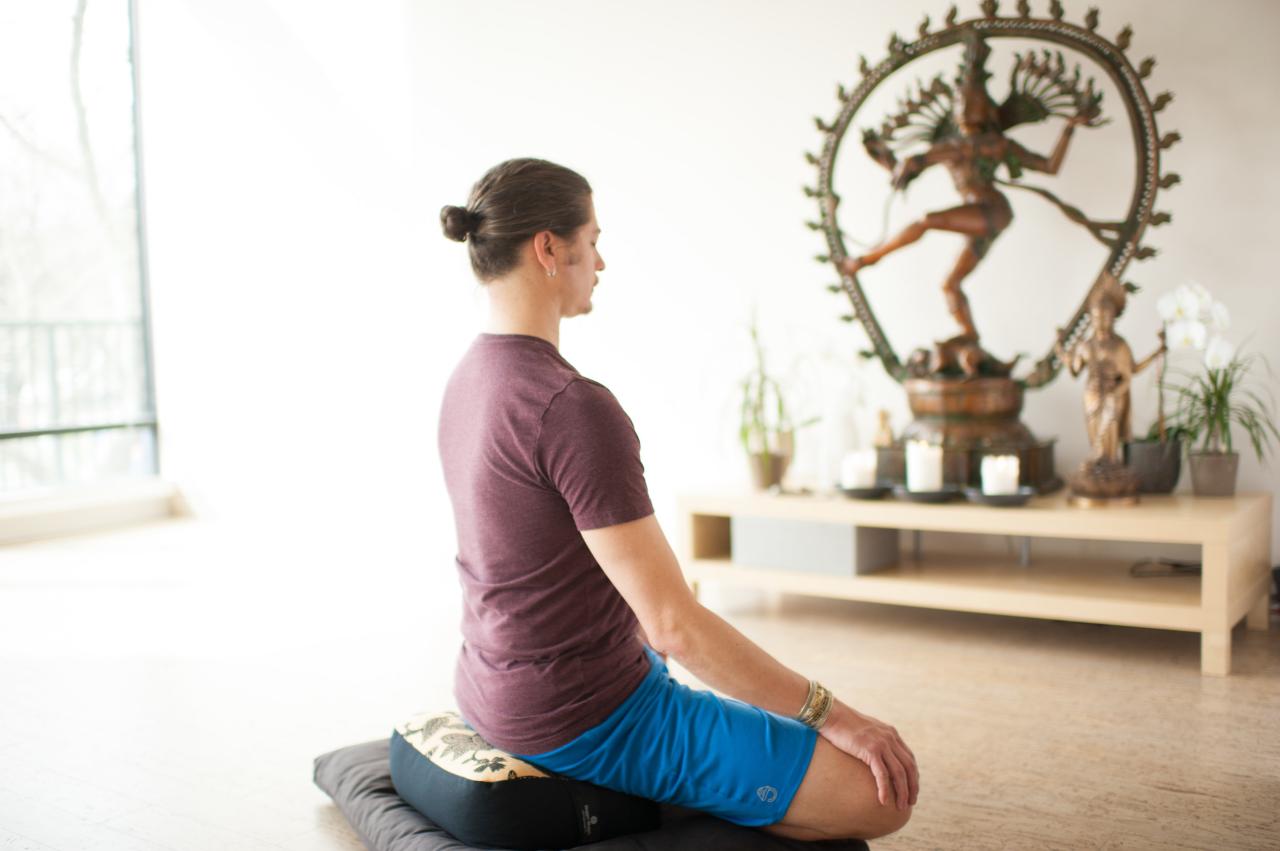
Meditating during yoga sessions can significantly enhance mental clarity, focus, and overall well-being. However, practitioners often encounter obstacles that hinder their ability to meditate effectively amidst physical postures and environmental distractions. Recognizing these challenges and developing practical strategies is essential for cultivating a deeper, more consistent meditation practice during yoga.Understanding and addressing the common hurdles faced during meditation within yoga sessions can lead to more meaningful and sustained experiences.
By learning how to maintain focus, manage distractions, and deepen concentration, practitioners can unlock the full benefits of integrating meditation into their yoga routine.
Managing Distractions
During yoga and meditation, external noises, environmental disturbances, or wandering thoughts can disrupt concentration. These distractions are natural but can be mitigated through specific techniques that help refocus the mind.It is important to create a conducive environment that minimizes interruptions, such as practicing in a quiet space, using soft background sounds like gentle music or nature sounds, or incorporating sensory aids like a focus object.
Breathing exercises, such as diaphragmatic or alternate nostril breathing, can serve as anchors to bring attention back when the mind drifts. Practitioners should acknowledge distractions without judgment, gently redirecting their focus to the breath or mantra. Consistent practice in managing these interruptions fosters resilience and builds mental discipline over time.
Maintaining Focus and Deepening Concentration
Achieving sustained focus during meditation in yoga requires intentional effort and specific mental techniques. The mind naturally tends to wander, especially during extended periods of stillness or relaxation.To deepen concentration, practitioners can employ the following methods:
- Use a Focus Point: Select a specific point of concentration, such as the breath, a mental image, or a mantra, and return to it whenever the mind wanders.
- Implement Mindfulness Practices: Cultivate non-judgmental awareness of thoughts, sensations, and emotions, observing them without attachment or aversion, which helps reduce mental clutter.
- Set Intentions: Begin each session with a clear intention or affirmation that guides attention and purpose during meditation.
- Progress Gradually: Start with shorter meditation periods and gradually increase duration to build concentration endurance without feeling overwhelmed.
- Practice Regularly: Consistency enhances neural pathways associated with focus, making it easier to remain attentive over time.
Additionally, deepening concentration can be supported by integrating mindfulness into daily activities outside of yoga sessions. This holistic approach strengthens the mental muscles necessary for sustained meditation during yoga practices.
“Distraction is inevitable, but mastery lies in our ability to gently refocus and sustain attention.”
Incorporating Mindfulness and Mantras in Yoga Meditation
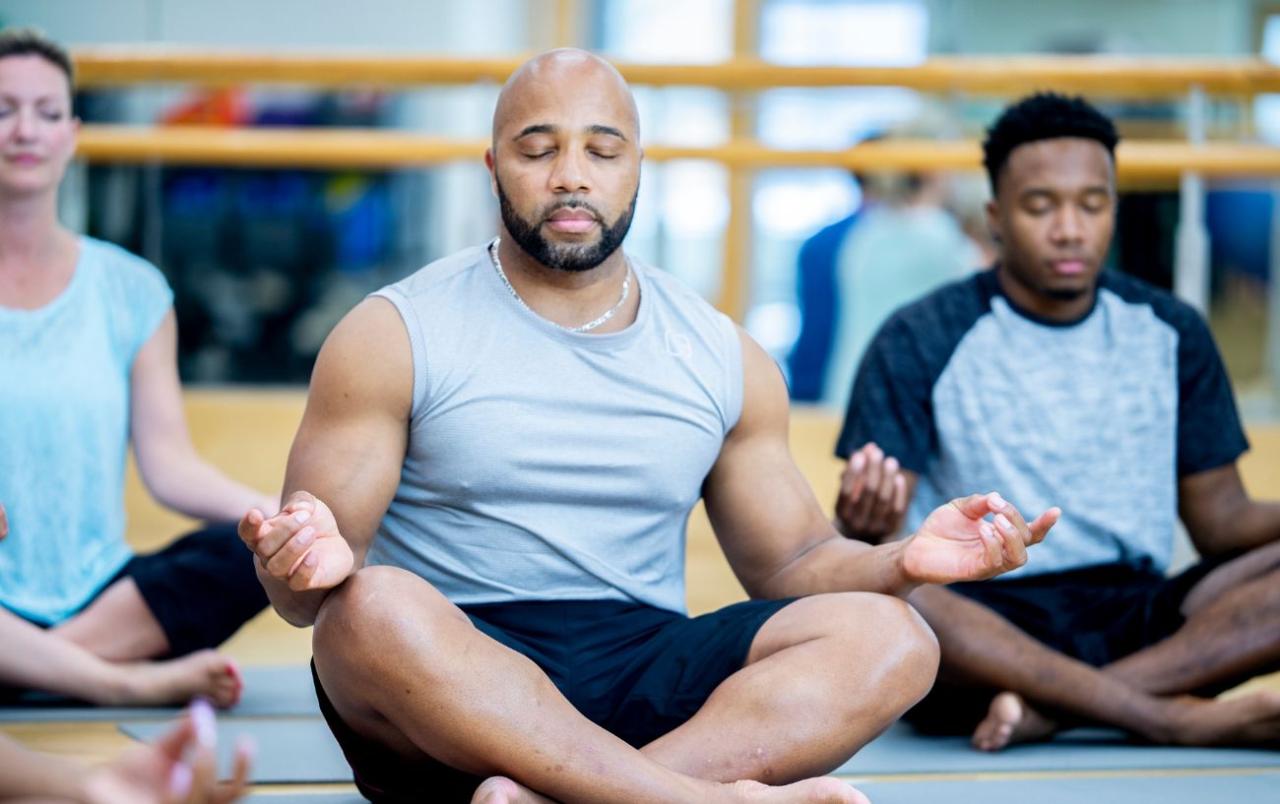
Integrating mindfulness and the use of mantras during yoga meditation enhances focus, cultivates inner awareness, and deepens the meditative experience. These practices serve as valuable tools to anchor attention, reduce distractions, and foster a greater sense of presence during yoga sessions. When combined thoughtfully, they transform meditation into a more accessible and enriching practice for practitioners at all levels.Mindfulness involves consciously paying attention to the present moment with a sense of openness and non-judgment.
Incorporating mindfulness during yoga meditation encourages practitioners to observe their bodily sensations, breath, thoughts, and emotions without attachment or aversion. The use of mantras—repetitive sounds, words, or affirmations—acts as a focal point that cultivates mental stability and concentration, anchoring the mind amidst the natural flow of thoughts.
Integrating Mindfulness Practices During Yoga Meditation
To effectively incorporate mindfulness into yoga meditation, practitioners should adopt a gentle, non-judgmental awareness of their experiences. Begin by bringing full attention to the current moment, noting sensations such as the contact of the body with the ground or the rhythm of the breath. As thoughts arise, acknowledge them without self-criticism, gently guiding awareness back to the present. This practice fosters a compassionate attitude towards oneself and enhances mental clarity.Engaging in mindful observation of breath, bodily sensations, or sounds in the environment can deepen the meditative state.
For example, focusing on the rise and fall of the chest or the sensation of air passing through the nostrils helps anchor attention. Maintaining a regular, gentle reminder to return awareness to the present moment throughout the session cultivates sustained mindfulness and enhances overall mental well-being.
Examples of Mantras and Affirmations to Enhance Meditation Focus
Mantras and affirmations serve as powerful mental tools to maintain focus and deepen concentration during yoga meditation. Selecting a mantra that resonates personally can significantly heighten the meditative experience and evoke positive emotional states. Common examples include:
- “Om” – A universal sound symbolizing the divine consciousness and unity of everything.
- “Sat Nam” – A mantra from Kundalini Yoga meaning “Truth is my essence,” fostering authenticity and inner truth.
- “So Hum” – Translates to “I am that,” aligning the practitioner with the universe and emphasizing self-awareness.
- “Peace” – A simple affirmation to promote calmness and mental clarity.
- “I am present” – Reinforces mindfulness and anchoring in the current moment.
These mantras can be repeated silently or aloud, depending on personal preference, and should be chosen based on their resonance and ability to evoke a sense of tranquility or focus.
Step-by-Step Process for Using Mantras Effectively in Yoga Sessions
Implementing mantras during yoga meditation requires a structured approach to maximize their benefits. The following steps provide a practical guide:
- Select a Suitable Mantra: Choose a word or phrase that resonates personally and evokes positive feelings or calmness.
- Set an Intention: Before beginning, clarify the purpose of the meditation, such as cultivating peace, focus, or self-awareness.
- Find a Comfortable Posture: Sit in a relaxed but upright position, ensuring the spine is straight to facilitate steady breathing and vocalization if needed.
- Begin with Mindful Breathing: Take several deep breaths to center yourself and prepare the mind for focused practice.
- Introduce the Mantra: Start repeating the mantra either silently in the mind or softly aloud, synchronizing it with your breath—e.g., “Inhale, I am peaceful. Exhale, I release tension.”
- Maintain Consistency: Repeat the mantra with gentle focus, allowing it to become a rhythm that anchors your attention. If your mind wanders, gently bring it back to the mantra.
- Use Visualization (Optional): Visualize a calming image or feeling associated with the mantra to deepen its impact.
- Gradually Transition: After several minutes, slowly reduce the repetition, shifting attention back to the breath or bodily sensations, and conclude with gratitude or positive affirmations.
Practicing this step-by-step method consistently enhances concentration, cultivates inner peace, and transforms the meditative experience into a powerful tool for personal growth and mindfulness during yoga sessions.
End of Discussion
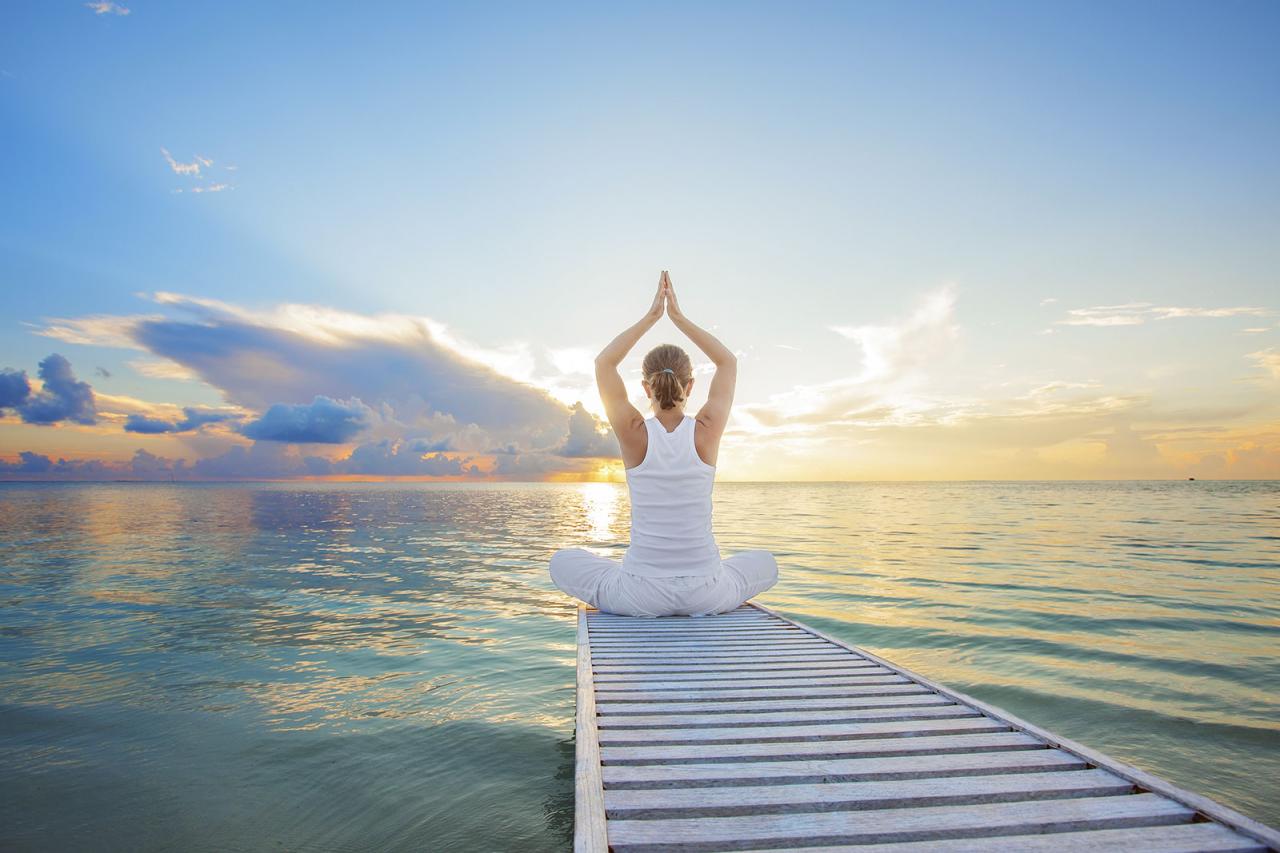
Incorporating meditation into your yoga practice can transform your sessions into a powerful journey of self-discovery and inner peace. By practicing regularly and employing effective techniques, you can cultivate lasting calmness and mindfulness that extend beyond the mat. Embrace these methods to enjoy a more balanced, focused, and enriching yoga experience.