Learning how to meditate during martial arts can significantly enhance mental clarity, focus, and physical performance. Incorporating meditative practices into training routines allows practitioners to cultivate mindfulness, reduce stress, and improve overall effectiveness in their techniques. This guide offers practical insights and methods to seamlessly integrate meditation into your martial arts journey, helping you achieve a harmonious balance between mind and body.
Introduction to Meditative Practices in Martial Arts
Meditation has long been an integral component of martial arts training, serving as a bridge between mental clarity and physical mastery. Its significance lies in fostering a balanced state of mind, enhancing focus, and cultivating inner calmness—qualities essential for effective martial arts performance. Incorporating meditation into martial arts routines not only refines a practitioner’s mental acuity but also amplifies physical capabilities, enabling a more harmonious integration of body and mind.
By engaging regularly in meditative practices, martial artists can experience a range of benefits that contribute to their overall growth. From improved concentration during combat to increased resilience in challenging situations, meditation acts as a foundational tool for elevating martial arts skills. This section explores the key advantages of integrating meditation into martial arts training, highlighting how such practices can lead to more mindful, focused, and confident practitioners.
Benefits of Integrating Meditation into Martial Arts Routines
Understanding the tangible benefits of meditation helps martial artists recognize its value as a core training component. Below is a detailed table summarizing the primary advantages, their descriptions, practical applications, and real-world examples that illustrate their impact.
| Benefit | Description | Practical Application | Example |
|---|---|---|---|
| Enhanced Mental Focus | Meditation trains the mind to stay present, reducing distractions during training and sparring sessions. | Practicing breath-focused meditation before training sessions to clear mental clutter and improve concentration on techniques. | A martial artist preparing for a competition uses visualization and breathing exercises to maintain focus amidst a noisy environment. |
| Stress Reduction | Regular meditation alleviates anxiety and stress, leading to calmer reactions during intense situations. | Incorporating mindfulness meditation during breaks to reset mental state and cultivate composure before demonstrations or matches. | During a high-stakes tournament, a competitor remains calm and centered, thanks to pre-match meditation routines. |
| Improved Physical Performance | Meditative practices optimize neuromuscular coordination and breathing control, enhancing physical execution. | Utilizing body scan meditation to increase awareness of muscle engagement and fluid movements during training. | A practitioner improves their kick speed and power by focusing on breath control and muscle relaxation through meditation. |
| Inner Peace and Confidence | Meditation fosters self-awareness and self-assurance, translating into more assertive and mindful actions. | Engaging in affirmations and visualizations to build confidence before demonstrations or competitions. | A martial artist visualizes successful performance and recites positive affirmations to boost self-esteem prior to a fight. |
Preparing for Meditation in Martial Arts
Establishing an optimal environment for meditation before martial arts training enhances focus, promotes relaxation, and maximizes the benefits of your practice. Proper preparation helps to clear the mind and set a tranquil tone, enabling practitioners to connect more deeply with their internal state and improve their overall martial arts performance.
A well-prepared meditation space and appropriate attire create a conducive atmosphere that fosters concentration and mindfulness. Clear guidelines ensure consistency in your practice, making meditation an integral and effective part of your martial arts routine.
Creating an Optimal Environment for Meditation
Designing a peaceful and distraction-free area is fundamental to effective meditation. The environment should be quiet, comfortable, and free from interruptions, allowing the practitioner to focus inwardly without external disturbances. Including elements that evoke calmness, such as natural lighting, calming scents, or minimalistic decoration, can enhance the meditative experience.
Proper environmental setup involves considering both the physical space and the ambient conditions to support sustained concentration and relaxation. This preparation ensures that each meditation session begins on a stable and serene basis, fostering mental clarity and emotional stability essential in martial arts training.
Guidelines for Selecting Clothing and Setting Up the Space
Comfortable clothing and an appropriately arranged space are vital in creating an effective meditation environment. Clothing should allow free movement and be non-restrictive, enabling ease of posture and breathing. Typically, loose-fitting or stretchable attire, such as martial arts gi or comfortable athletic wear, is preferred.
The meditation space should be dedicated, clean, and organized, ideally situated in a quiet corner away from high traffic areas. It is beneficial to choose a flat, stable surface for sitting or lying down. Using a cushion or mat can improve comfort and support proper posture, facilitating longer and more effective meditation sessions.
Below is a procedural list outlining the preparation process:
- Identify a quiet, undisturbed area suitable for meditation, free from noise and interruptions.
- Clear the space of clutter and ensure a clean environment to promote calmness and focus.
- Choose comfortable clothing that allows unrestricted movement and breathability.
- Prepare a cushion, mat, or seat that supports a relaxed yet upright posture.
- Adjust lighting to a soft, natural or dimmed level, avoiding harsh or direct light that can cause distraction.
- Optional: Incorporate calming elements such as incense, essential oils, or gentle music to enhance the atmosphere.
- Ensure all necessary items are within easy reach, so the practitioner can focus solely on the meditation process without interruption.
Creating an environment conducive to meditation involves attention to both physical surroundings and personal attire, fostering a mindset ready for mindfulness and internal focus.
Techniques for Meditating During Martial Arts Practice
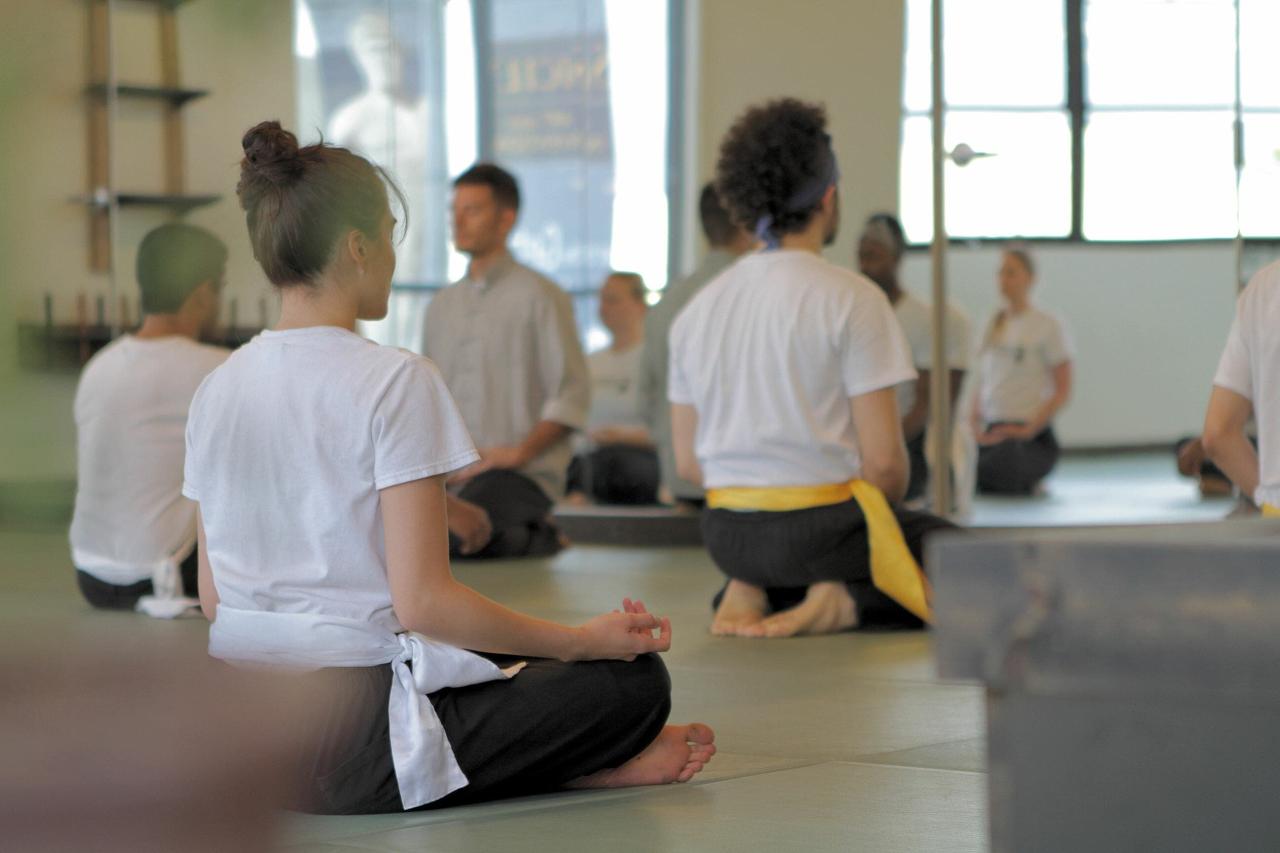
Integrating meditation techniques into martial arts training enhances focus, cultivates mental clarity, and promotes a state of calmness amidst physical exertion. Employing specific methods such as breath awareness and visualization allows practitioners to deepen their connection to their movements and inner experience, fostering both physical and mental harmony during practice.
Each technique offers unique benefits and can be adapted to suit different martial arts styles and training phases. Understanding the proper posture, timing, and focus is essential to maximize these meditative practices effectively within a martial arts context.
Breath Awareness During Martial Arts
Breath awareness involves consciously monitoring and controlling breathing patterns to cultivate mindfulness and physical stability. This technique helps practitioners remain centered during dynamic movements and enhances endurance by regulating oxygen flow.
Practicing breath awareness requires maintaining an upright, relaxed posture—either standing in horse stance or sitting in a meditative cross-legged position—ensuring the spine is straight and shoulders are relaxed. Focus on the natural rhythm of your breath, observing each inhale and exhale without attempting to control it initially. Over time, you can deepen the practice by integrating breath control techniques such as diaphragmatic breathing or counting breaths.
Timing the breath awareness exercises can be during specific training segments, such as between drills or during slow-paced forms, to promote sustained focus and calmness. It is important to maintain gentle concentration, allowing the mind to settle on the sensation of breathing, which enhances overall mental clarity and physical stability.
Visualization Techniques in Martial Arts
Visualization involves mentally rehearsing movements, techniques, or performance scenarios to reinforce muscle memory and mental preparedness. This practice can be especially beneficial before sparring or competition, helping to reduce anxiety and improve focus.
Adopting proper posture, such as standing with feet shoulder-width apart and maintaining a relaxed yet alert stance, facilitates effective visualization. The eyes can be closed or softly focused, with attention directed inward to imagine successful execution of techniques, opponents’ movements, or desired outcomes in detail.
Timing visualization exercises can be integrated during warm-up routines, post-training reflections, or as part of mental rehearsal before competitions. Deep concentration on the vivid mental imagery enhances neural pathways associated with motor skills, leading to improved physical performance and confidence.
Examples of Meditation Exercises in Martial Arts
Below are structured exercises that incorporate these meditation techniques to enhance martial arts training:
-
Breath Awareness Exercise
- Assume a comfortable seated or standing position with a straight spine and relaxed shoulders.
- Close your eyes or soften your gaze, bringing full attention to your breath.
- Begin to observe each inhale and exhale, noticing the natural rhythm without attempting to modify it.
- If your mind wanders, gently redirect focus back to your breath, maintaining a gentle, non-judgmental awareness.
- Continue for 3–5 minutes, gradually increasing duration as comfort develops.
-
Visualization of Technique Execution
- Stand in a natural stance, with eyes closed if comfortable, and take a few deep breaths to center yourself.
- Vividly imagine performing a specific technique, such as a punch or kick, in slow motion.
- Focus on the details: the movement of your muscles, the positioning of your hands and feet, the flow of energy, and your breathing pattern during the action.
- Visualize overcoming an opponent or successfully completing a form, emphasizing precision and fluidity.
- Hold the visualization for 5 minutes, then gradually transition back to physical practice or reflection.
-
Focused Mindfulness During Movement
- Begin moving slowly through a kata or form, maintaining awareness of each motion and breath cycle.
- Synchronize your breath with your movements, ensuring inhale and exhale align with specific actions, such as inhaling during preparation and exhaling during strikes.
- Maintain a relaxed but attentive posture, with a focus on internal sensations rather than external distractions.
- Periodically pause during practice to observe your internal state—checking for tension or distraction—and gently refocus.
- Continue this mindful movement for the duration of your practice session to cultivate sustained concentration and physical calmness.
By systematically practicing these techniques, martial artists can foster a deeper mental connection to their physical training, leading to improved focus, resilience, and overall performance within their discipline.
Incorporating Meditation into Martial Arts Training Sessions
Integrating meditation into martial arts routines enhances focus, mental clarity, and emotional balance, which are essential components of effective practice and mastery. When meditation is embedded thoughtfully into training sessions, practitioners can experience improved performance, reduced stress, and a deeper connection between mind and body. Properly structured meditation segments can serve as restorative breaks, refocusing energy and preparing practitioners for subsequent training phases.Embedding meditation into martial arts training requires strategic planning to ensure it complements physical drills without disrupting the flow of practice.
By incorporating short meditation breaks at appropriate intervals, practitioners can maintain high levels of concentration and emotional calmness throughout their session. Additionally, the timing and duration of these segments should be tailored to individual needs and the intensity of the training, ensuring they serve as effective mental resets rather than interruptions.
Strategies for Integrating Short Meditation Breaks
Implementing brief meditation intervals within training routines involves selecting natural transition points and establishing consistency. These intervals can be scheduled after intense physical drills or at specific milestones within the session. For example, after a series of vigorous sparring exercises, a 2-3 minute meditation focused on breath awareness can help practitioners decompress and reset their energy. Incorporating mindfulness moments during warm-up or cool-down phases also encourages mental clarity and emotional regulation.
It is beneficial to educate practitioners on the purpose of these meditation breaks, emphasizing their role in enhancing overall martial arts effectiveness. Using guided meditation recordings or instructor-led sessions can facilitate smooth integration, especially for beginners unfamiliar with meditative practices.
Timing and Duration of Meditation Segments
The effectiveness of meditation segments depends largely on their timing and length. Short durations, typically ranging from 1 to 5 minutes, are sufficient for quick mental resets without disrupting training flow. For more experienced practitioners, longer sessions of up to 10 minutes may be incorporated during less intensive parts of the session or as a dedicated meditation phase before or after training.
Optimal meditation timing balances the need for mental clarity with the physical demands of martial arts practice, ensuring practitioners remain engaged and focused throughout.
For instance, a typical training session could include brief meditation pauses after warm-up, post intense drills, and before cool-down, aligning with natural practice transitions to maximize their benefits without extending overall session length unnecessarily.
Procedural Structure of a Training Session with Embedded Meditation Segments
| Phase | Duration | Technique | Focus |
|---|---|---|---|
| Warm-up and Mental Preparation | 10 minutes | Breath awareness, body scan | Relaxation, focus setting |
| Physical Drills (Technique & Conditioning) | 20-30 minutes | Basic techniques, sparring, forms | Skill development, endurance |
| Post-Drill Meditation Break | 3 minutes | Guided mindfulness, heartbeat focus | Mental reset, stress reduction |
| Skill Refinement & Light Training | 10-15 minutes | Partner work, kata refinement | Concentration, precision |
| Cool-down and Reflection | 10 minutes | Progressive relaxation, gratitude meditation | Recovery, mental clarity |
This structure ensures that meditation is seamlessly woven into the training, providing moments for mental reinforcement and emotional stability without compromising physical development.
Mindfulness and Focus Enhancement During Martial Arts
Integrating mindfulness practices into martial arts training can significantly sharpen focus, improve reaction times, and deepen the overall awareness of movement and breath. Cultivating a heightened state of consciousness during practice allows martial artists to execute techniques with precision and clarity, fostering both mental resilience and physical effectiveness. This section explores methods to develop mindfulness specifically tailored to martial arts, providing practical exercises and step-by-step practices to enhance concentration during sparring, forms, and other training scenarios.
By systematically applying mindfulness techniques, practitioners can transition from automatic responses to deliberate, conscious actions. This heightened awareness not only elevates performance but also promotes mental calmness and emotional control, making martial arts a holistic discipline that nurtures both body and mind.
Methods to Cultivate Mindfulness for Sharper Combat Focus
Developing mindfulness within martial arts involves consistent practice of techniques that anchor attention to the present moment. These methods help practitioners become aware of their internal states and external surroundings, fostering a state of alertness that is both relaxed and focused. The following strategies are essential for cultivating this mental acuity:
- Focused Breathing Exercises: Engaging in slow, deep diaphragmatic breathing helps center the mind and reduces distractions. Practicing inhalation and exhalation with full awareness establishes a foundation for sustained focus during training and combat.
- Body Scan Meditation: Systematically directing attention to different parts of the body enhances proprioception and helps identify tension or imbalance that may hinder movement or reaction. This awareness promotes fluidity and control during martial arts execution.
- Observation of Sensory Inputs: Cultivating awareness of sounds, smells, and tactile sensations in the environment sharpens sensory perception, making practitioners more attuned to their surroundings during sparring or forms.
Exercises to Increase Movement and Breath Awareness During Practice
To embed mindfulness into martial arts training, practitioners should incorporate specific exercises that emphasize awareness of movement and breath. These activities are particularly effective during sparring sessions or when practicing forms, allowing practitioners to stay present and responsive.
- Slow-motion Movement Drills: Perform techniques or forms at a deliberately slow pace, focusing intently on every muscle movement, joint alignment, and breath cycle. This enhances proprioceptive awareness and helps internalize correct mechanics.
- Breath Synchronization: Coordinate each movement with an inhale or exhale, reinforcing the connection between breath and motion. For example, breathe in as you chamber a punch and breathe out as you execute the strike, maintaining rhythm and focus.
- Mindful Sparring: During controlled sparring, consciously observe the opponent’s movements, your own reactions, and your breathing pattern. Maintain a gentle awareness of tension or hesitation and gently redirect focus back to the present moment.
Mindfulness Practices to Enhance Concentration
Consistent engagement in mindfulness practices can dramatically improve concentration levels, leading to more effective training and combat performance. Below is a step-by-step approach to incorporate these practices into martial arts routines:
- Preparation Phase: Before training, find a quiet space to sit comfortably and close your eyes. Take several deep breaths to settle your mind and bring awareness to your current state.
- Focused Attention: Choose a specific focal point, such as the sensation of your breath entering and leaving your nostrils or the feeling of your feet connecting with the ground. Maintain this focus for several minutes, gently redirecting attention whenever your mind wanders.
- During Practice: Continuously bring awareness back to your breath, body movements, and sensory inputs. Use mental noting, such as silently saying “inhale,” “exhale,” “movement,” or “awareness,” to reinforce focus.
- Post-Training Reflection: After training, spend a few moments reflecting on your experience. Note moments where concentration was strong or where distractions occurred, fostering a mindful attitude for future sessions.
“Mindfulness is the practice of paying deliberate, non-judgmental attention to the present moment, fostering clarity, calmness, and heightened awareness in every aspect of martial arts.”
Challenges and Solutions in Meditating During Martial Arts
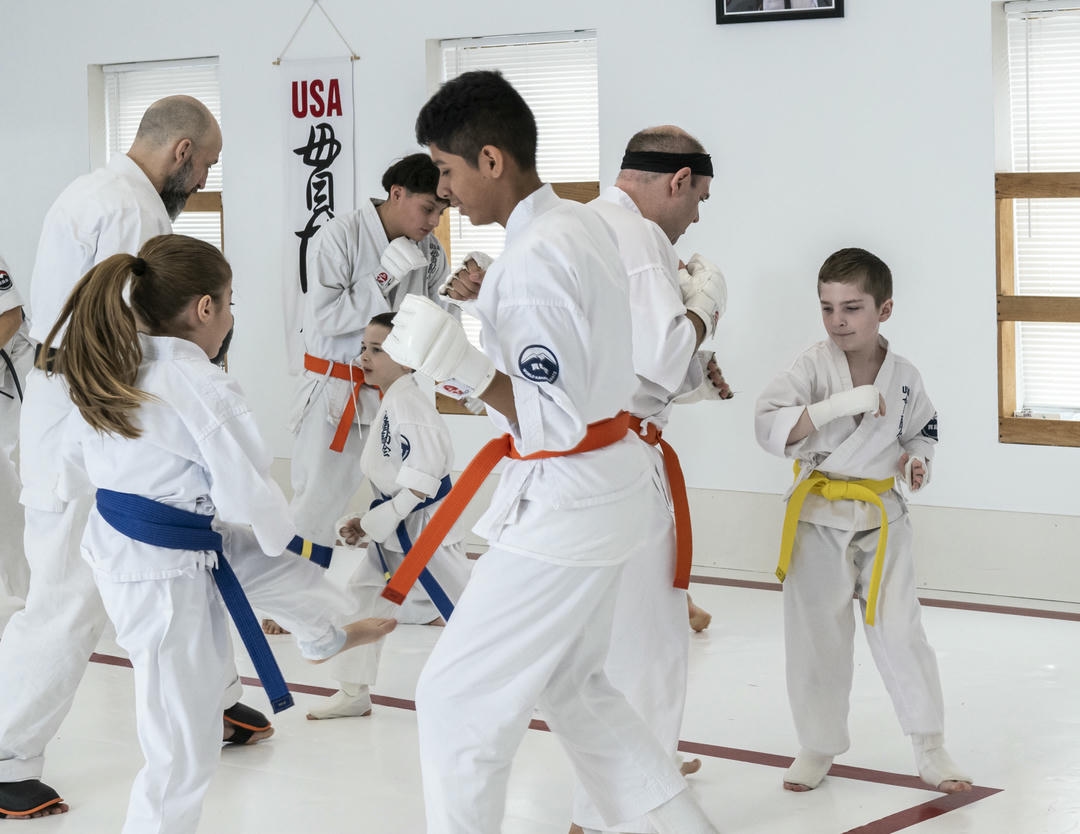
Medicating during martial arts practice can significantly enhance focus, breathing, and mental clarity, but practitioners often encounter various obstacles that hinder effective meditation amidst physical activity. Recognizing these common challenges and implementing practical solutions can make meditation a more seamless and beneficial part of martial arts training. Understanding these difficulties allows practitioners to adapt techniques appropriately, ensuring that meditation remains a constructive and integral component of their discipline.Maintaining focus and relaxation during dynamic movement or strenuous activity is inherently challenging.
Factors such as physical fatigue, environmental distractions, and fluctuating concentration levels can disrupt meditative states. By addressing these barriers with tailored strategies, martial artists can cultivate resilience, improve their meditative experience, and deepen their overall practice.
Common Obstacles Faced When Meditating Amidst Physical Activity
Practitioners frequently encounter specific difficulties that impede their ability to meditate effectively during martial arts. These include:
- Physical Fatigue and Overexertion: Intense physical activity naturally leads to exhaustion, making it difficult to sustain mental focus or remain calm during meditation sessions conducted immediately after or during training.
- Environmental Distractions: Noise, movement, or other external stimuli in training spaces can divert attention away from meditative practices, reducing concentration and relaxation.
- Inconsistent Breathing Patterns: Rapid or shallow breathing during strenuous moves can hinder the development of deep, mindful breathing essential for meditation.
- Restlessness and Impatience: The desire for quick results may lead practitioners to feel frustrated when meditation feels difficult or ineffective amidst activity.
Practical Solutions and Modifications to Overcome These Challenges
Addressing these obstacles involves adopting adaptable techniques and creating conducive environments for meditative practice within martial arts. The following solutions can assist practitioners in overcoming common difficulties:
- Timing and Sequencing: Schedule brief meditation sessions during moments of lower physical intensity, such as during rest intervals or immediately after training, to optimize focus and relaxation. For example, a 3-5 minute seated focus on breath during cooldown can be highly beneficial.
- Environmental Adjustments: Minimize external stimuli by choosing quieter practice areas or using visual cues like focusing on a fixed point to enhance concentration. Using a calm, designated space within the training facility can help create a meditative ambiance.
- Modified Breathing Techniques: Emphasize slow, diaphragmatic breathing even during movement. Practicing controlled inhalations and exhalations during less intense phases of training reinforces breath awareness without disrupting physical flow.
- Gradual Integration: Introduce meditation gradually into training routines. Starting with simple mindfulness exercises or focused breathing during warm-ups or cool-downs helps build endurance for meditating amidst activity.
- Use of Guided Meditation: Employ audio or instructor-led meditations tailored for active environments, which provide cues and structure, aiding focus despite distractions.
Troubleshooting Tips for Maintaining Focus During Dynamic Practice
To sustain concentration and achieve meditative benefits during martial arts, practitioners can rely on specific strategies and mental tools. The following tips are designed to help overcome common issues:
-
Anchor your attention to a specific point, such as the sensation of breath at your nostrils or the feeling of your feet touching the ground, to ground your awareness amid movement.
- Use short, focused sessions: Keep meditation periods brief and frequent, allowing mental reset without overwhelming the practitioner.
- Accept transient distractions: Recognize that wandering thoughts are natural; gently redirect focus back to your breath or bodily sensations without self-criticism.
- Maintain a comfortable posture: Find a balanced position that supports alertness without causing discomfort, whether seated or standing during practice.
- Employ mindful movement: Synchronize breath with movement, such as inhaling during a block or exhale during a strike, to foster continuous mindfulness.
- Develop patience and persistence: Progressively increase meditation duration and complexity, understanding that mastery requires consistent effort over time.
By strategically addressing these common challenges with practical solutions, martial artists can enhance their meditative experiences during training sessions. Over time, these adaptations foster greater mental clarity, emotional stability, and overall effectiveness within their martial arts journey.
Creating a Personal Meditation Routine for Martial Arts
Developing a tailored meditation routine is a vital step in integrating mindfulness and focus into martial arts training. A personalized schedule helps practitioners align their mental practices with their individual goals, training intensity, and daily routines, fostering greater consistency and effectiveness. When meditation becomes an integral part of your martial arts journey, it enhances mental clarity, emotional regulation, and physical performance, contributing to overall mastery and well-being.
Designing an effective routine involves understanding personal preferences, training schedules, and specific areas for mental development. By establishing a structured yet flexible plan, martial artists can cultivate a sustainable habit that complements their physical practice, reduces stress, and sharpens focus during competitions or daily training sessions.
Guidelines for Designing a Personalized Meditation Schedule
Creating a meditation schedule tailored to martial arts practitioners requires thoughtful consideration of your training goals, daily commitments, and mental needs. The following guidelines assist in crafting an effective routine:
- Assess Your Training Goals: Determine whether the focus is on improving concentration, reducing anxiety, enhancing breathing, or cultivating resilience. Clear goals help tailor meditation practices accordingly.
- Identify Optimal Timing: Choose times when your mind is most receptive, such as early mornings to set a positive tone or post-training to relax and consolidate learning.
- Determine Duration and Frequency: Start with manageable sessions, such as 5-10 minutes daily, gradually increasing as comfort and consistency develop. Regularity is more impactful than length alone.
- Select Suitable Meditation Types: Incorporate mindfulness, breathing exercises, visualization, or body scans depending on your focus areas and preferences.
- Align with Training Intensity: Adjust meditation intensity and duration based on training load; more demanding training days may benefit from shorter, restorative practices.
Tips for Maintaining Consistency and Tracking Progress
Consistency is key to reaping the mental benefits of meditation. Implementing strategies to maintain regular practice and monitoring progress fosters motivation and accountability:
- Set Reminders: Use alarms or app notifications to prompt meditation sessions at designated times.
- Keep a Meditation Journal: Record daily sessions, noting duration, techniques used, and subjective feelings or insights gained. This helps identify patterns and areas for improvement.
- Establish Accountability: Partner with a fellow martial artist or join a community that encourages regular mindfulness practice.
- Celebrate Milestones: Recognize progress, such as increased focus, reduced stress, or extended meditation duration, to sustain motivation.
- Adjust as Needed: Regularly review your routine, making modifications to suit evolving training demands or personal preferences.
Sample Weekly Meditation Routine
Below is an example of a structured weekly meditation schedule designed to complement martial arts training. It emphasizes variety and targeted focus areas to foster physical and mental harmony.
Day Meditation Type Duration Focus Area Monday Mindfulness Meditation 10 minutes Present-moment awareness to improve focus during training Tuesday Breathing Exercises (Diaphragmatic Breathing) 8 minutes Stress reduction and oxygenation for enhanced stamina Wednesday Visualization Practice 10 minutes Imagining successful techniques and combat scenarios Thursday Body Scan Meditation 12 minutes Relaxing muscular tension and increasing body awareness Friday Mindfulness or Walking Meditation 10 minutes Enhancing agility and mental clarity Saturday Focused Attention Meditation 15 minutes Sharpening concentration before intensive training sessions Sunday Restorative Meditation or Gentle Yoga 15 minutes Recovery and mental rejuvenation This routine offers a balanced approach to maintaining mental sharpness, emotional stability, and physical relaxation. Adjustments can be made based on individual preferences, training intensity, and specific goals, ensuring the routine remains sustainable and impactful over time.
Visual and Descriptive Explanations for Meditation in Martial Arts
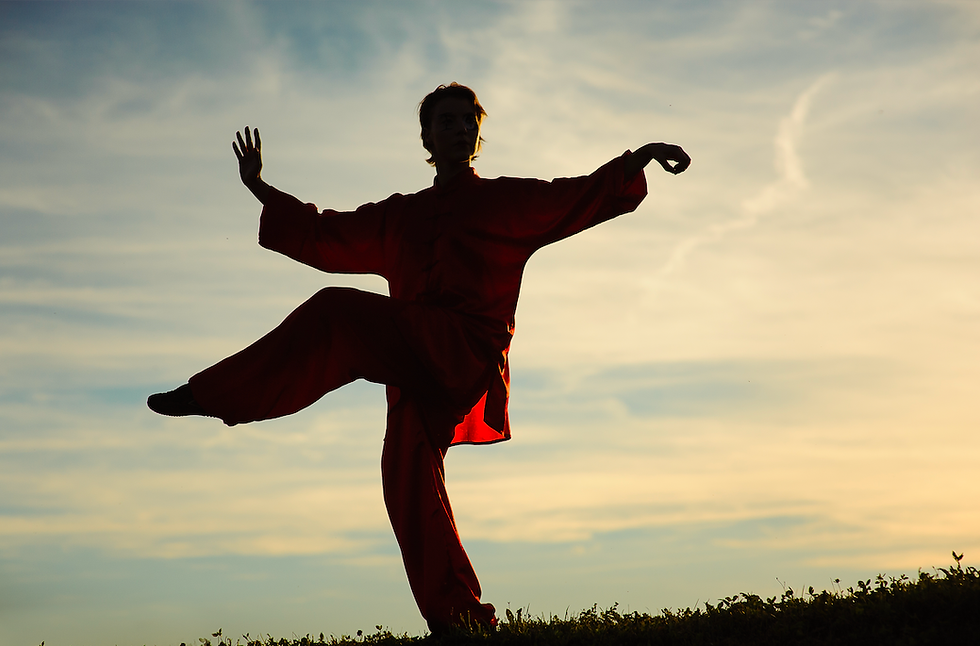
Visual and descriptive techniques serve as vital tools in deepening meditative states during martial arts practice. By harnessing vivid mental imagery, practitioners can enhance their focus, develop a heightened awareness of energy flow, and refine their understanding of combat movements. These mental exercises foster a harmonious integration of mind and body, essential for mastering martial arts through meditative discipline.
Creating detailed and immersive mental images enables practitioners to simulate real or idealized scenarios, strengthening their concentration and intuitive response. The process involves engaging all senses and employing descriptive language within the mind’s eye, transforming abstract concepts into tangible, impactful visualizations that elevate the meditative experience and improve martial arts proficiency.
Visualization Techniques for Martial Arts Meditation
Effective visualization techniques involve imagining internal energy currents, mastering opponents’ movements, or embodying a martial arts master. These vivid images facilitate a deeper meditative state, sharpening awareness and control. Below are detailed descriptions of common visualization methods used within martial arts meditation:
- Energy Flow Visualization: Envision a luminous stream of energy traveling vertically through your body, from the base of your spine up to the crown of your head. Imagine this energy as a glowing, flowing current that invigorates your entire being, clearing blockages and harmonizing your internal state. Focus on the sensation of warmth, tingling, or pulsating as this energy moves, reinforcing your connection to vitality and balance.
- Mastering Opponent’s Movements: Picture an adversary in front of you executing precise techniques. Visualize yourself reading their intentions through subtle cues, such as muscle tension or breathing patterns. Imagine intercepting their strikes with fluid, controlled movements, feeling the mastery and confidence coursing through your body. This mental rehearsal enhances your reaction time and tactical awareness during actual combat.
- Mastering Internal Energy (Qi or Ki): Envision a swirling sphere of energy within your hands or torso. Visualize this energy expanding or contracting, radiating warmth and power. Picture it as a bright, pulsating orb that you manipulate intentionally, strengthening your control over internal forces essential to martial arts mastery.
Creating Vivid Mental Images for Deepened Meditative States
Crafting clear, detailed mental images requires engaging multiple senses and employing descriptive language to make visualizations more tangible. This practice heightens focus, deepens relaxation, and cultivates a profound meditative experience that supports martial arts training. Techniques include:
- Using Sensory Details: Incorporate descriptions of sounds, textures, smells, and sensations into your visualization. For example, imagine the sound of your breath syncing with your movements, the tactile feel of a firm training surface beneath your feet, or the scent of incense during meditation. These sensory elements anchor your visualization, making it more realistic and immersive.
- Employing Dynamic Imagery: Visualize movements in motion, such as a flowing kung fu form or a series of precise strikes. See the fluidity of your movements, the shifting weight distribution, and the extension of limbs. This dynamic visualization not only enhances mental clarity but also prepares the body for real execution.
- Color and Light Imagery: Imagine the colors associated with energy centers or chakras, such as vibrant reds, calming blues, or glowing golds. Visualize these colors radiating from specific points, symbolizing vitality, calmness, or focus, which reinforce your internal state during meditation.
Imagery Descriptions for Martial Arts Meditation
Effective imagery relies on precise, vivid descriptions that evoke strong mental pictures. The following detailed descriptions serve as examples to inspire your visualization practices:
- Flowing Energy: Imagine a shimmering silver stream of energy flowing smoothly from your core outward through your limbs, illuminating your muscles and joints. Feel the coolness and strength as it energizes your entire body, akin to a river coursing through a lush landscape.
- Master’s Technique: Picture an expert martial artist executing a perfect high kick. Visualize the precise muscles contracting, the alignment of joints, and the effortless grace of movement. Feel yourself embodying that mastery, with every fiber of your being radiating confidence and control.
- Inner Light and Power: Visualize a radiant orb of golden light centered at your solar plexus, pulsing gently with each breath. See this light expanding outward, filling your chest with warmth and strength, symbolizing your internal power and readiness.
- Energy Shield: Imagine surrounding yourself with a translucent shield of shimmering blue energy, protecting you from external distractions and negative influences. Feel its solidity and flexibility, strengthening your focus and resilience during meditation and martial arts practice.
These descriptive visualizations foster a deeper connection to internal and external energies, fostering mental clarity, emotional stability, and martial prowess. Engaging all senses and employing rich imagery transforms meditation into a powerful tool for growth and mastery within martial arts.
Outcome Summary
Mastering how to meditate during martial arts opens the door to deeper concentration, resilience, and mastery of your skills. By adopting these meditation strategies, practitioners can elevate their training experience, face challenges with greater calmness, and unlock new levels of performance. Embrace these practices to cultivate a focused, mindful approach that complements and enhances your martial arts proficiency.