Understanding how to meditate to improve posture during exercise offers a valuable approach to enhancing physical alignment and overall workout effectiveness. This practice combines mental focus with body awareness, enabling individuals to maintain better posture, reduce injury risk, and optimize their performance during various physical activities. By integrating mindfulness techniques into exercise routines, both beginners and experienced athletes can cultivate a deeper connection between their mind and body, leading to lasting benefits beyond the workout session.
This guide explores effective meditation methods tailored to improve posture, practical routines to incorporate into daily exercise, and the benefits of sustained mindfulness practices. Whether during strength training, walking, or stretching, applying these meditative techniques can significantly enhance posture control and promote long-term well-being.
Understanding the connection between meditation and posture during exercise
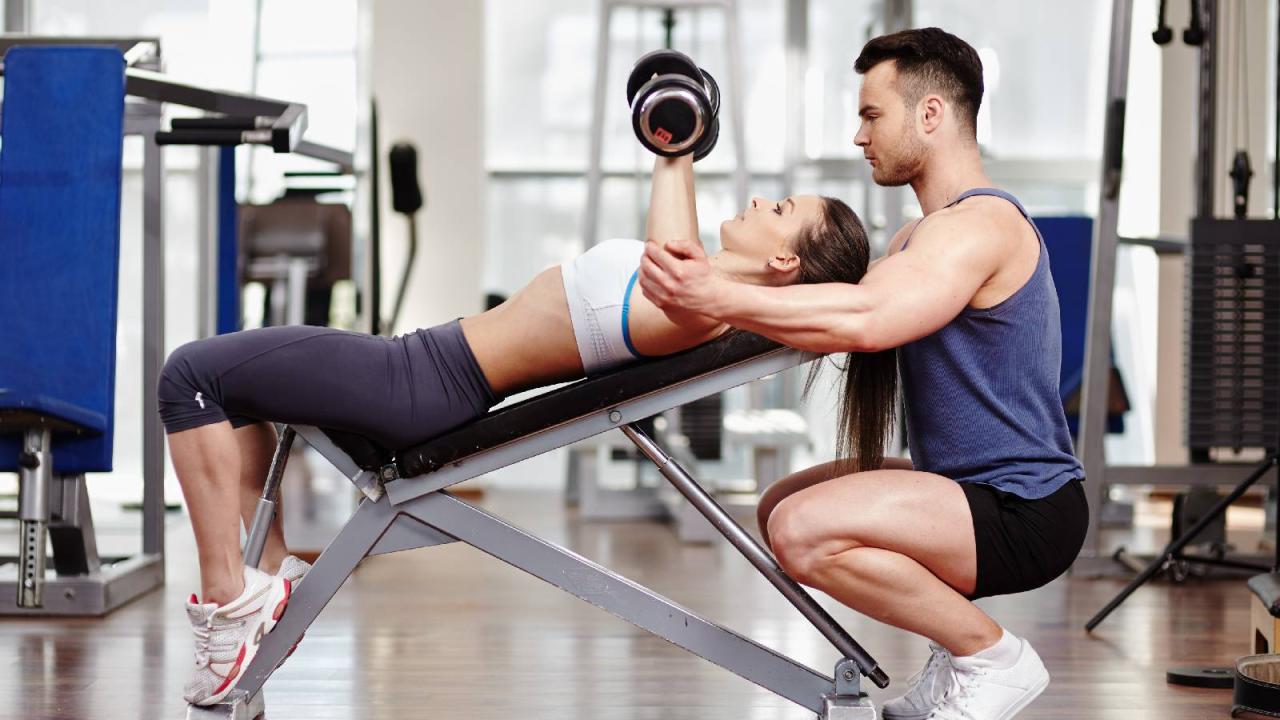
Integrating meditation into exercise routines offers a powerful approach to enhancing posture and overall physical alignment. The mental focus cultivated during meditation can significantly influence how muscles engage and how the body maintains proper positioning during physical activity. Recognizing this relationship enables individuals to develop a more mindful approach to movement, thereby improving efficiency, reducing the risk of injury, and promoting long-term musculoskeletal health.
By fostering heightened awareness of the body through meditation, practitioners can better identify areas of tension or misalignment that may go unnoticed during dynamic movements. This mindfulness translates into more intentional and controlled physical actions, supporting optimal posture during various forms of exercise. Understanding the interplay between mental focus and physical alignment forms the foundation for more effective, conscious movement practices.
The relationship between mental focus during meditation and physical alignment
During meditation, cultivating mental focus involves directing attention inward, fostering a state of heightened awareness of bodily sensations, breath, and posture. This mental clarity allows individuals to recognize subtle shifts in body positioning that can impact posture during exercise. When this focus is transferred to movement, it encourages a deliberate engagement of muscles, aligning the spine, shoulders, hips, and limbs for optimal function.
This connection underscores that a calm, attentive mind can serve as a guiding tool during physical activity, helping to maintain proper alignment under varying levels of exertion. Regular meditation enhances this mental-muscular link, enabling practitioners to detect and correct postural deviations proactively, leading to better stability and reduced strain during workouts.
How mindfulness influences muscle engagement and body awareness
Mindfulness practices foster a nuanced awareness of bodily sensations, which directly impacts muscle engagement. When individuals are mindful, they can discern areas of unnecessary tension or weakness, adjusting their muscle activation accordingly. This awareness promotes balanced muscle recruitment, supporting healthy posture and movement patterns.
For example, a person practicing mindfulness may notice that their shoulders tend to hunch forward during a squat. Recognizing this tension allows them to consciously activate the back and shoulder stabilizers, aligning the spine more effectively. Over time, this heightened awareness leads to more precise muscle engagement, reduces compensatory movements, and enhances overall exercise safety and efficacy.
Comparison of traditional meditation versus movement-based meditation for posture
Both traditional meditation and movement-based meditation serve as valuable tools in cultivating mindfulness for better posture, yet they differ in approach and application. Traditional meditation involves stillness, focusing on breath or sensations to develop mental clarity and calmness. This form is effective for fostering internal awareness and concentration, which can translate into improved body awareness during physical activities.
In contrast, movement-based meditation integrates gentle, deliberate movements with mindful attention, such as in practices like Tai Chi, Qigong, or mindful yoga. These practices combine physical motion with mental focus, directly engaging muscles and joints while maintaining awareness of alignment and balance. Movement-based meditation can be particularly beneficial for training the body to sustain proper posture dynamically, making it more applicable during exercise routines that involve continuous movement.
Both methods complement each other, with traditional meditation enhancing mental focus and calmness, and movement-based practices directly reinforcing physical awareness and muscle engagement. An integrated approach can lead to more profound improvements in posture, coordination, and overall body-mind harmony during exercise.
Techniques for meditative practices to enhance posture awareness
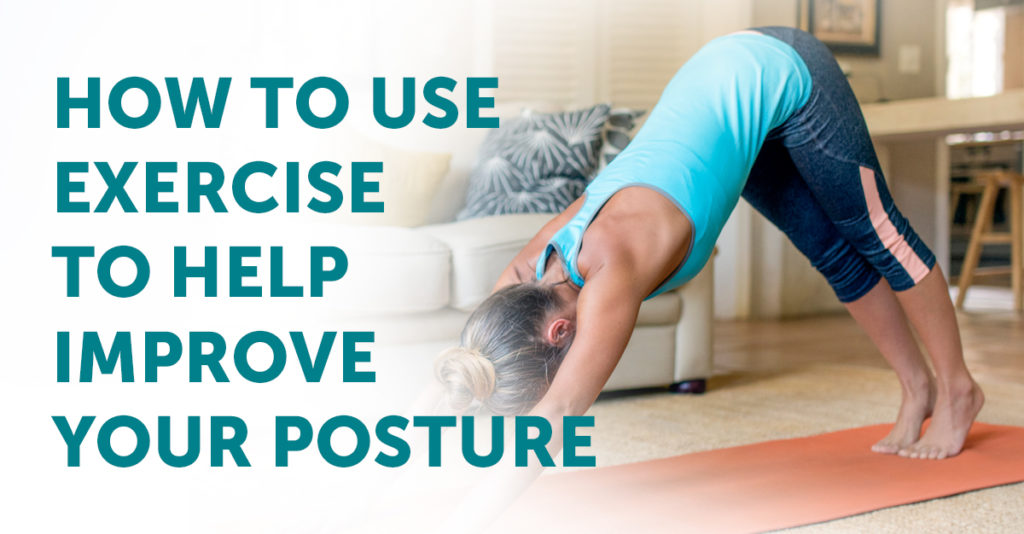
Developing a conscious connection between the mind and body is essential for improving posture during exercise. Meditative practices serve as effective tools for cultivating this awareness, enabling individuals to maintain optimal spinal alignment and muscular engagement. Incorporating specific techniques into your routine can significantly enhance your ability to monitor and correct posture in real-time, leading to more efficient and injury-free workouts.
By focusing on the present moment and cultivating a heightened sense of bodily awareness, practitioners can identify habitual misalignments and implement subtle adjustments. These techniques not only promote better posture but also contribute to overall mental clarity and physical resilience. Below are detailed methods to integrate seated meditation, breathing exercises, and mindfulness progression tailored specifically for posture improvement during exercise.
Seated Meditation Focusing on Spinal Alignment
- Find a comfortable seated position: Sit on a chair with your feet flat on the ground, hips-width apart. Alternatively, sit cross-legged on a cushion on the floor, ensuring your hips are slightly higher than your knees for comfort.
- Align your spine: Gently draw your attention to the base of your spine. Imagine a string pulling upward from the crown of your head, elongating your spine without forcing it. Keep your shoulders relaxed and away from your ears.
- Engage your core subtly: Activate your abdominal muscles lightly to support your lumbar region, maintaining natural curvature while avoiding excessive arching or slumping.
- Focus on your breath: Close your eyes if comfortable, and take slow, deep breaths, observing the flow of air into and out of your nose. Each inhale encourages a gentle lengthening of the spine, while each exhale promotes relaxation and release of tension.
- Maintain awareness: Regularly scan your body from the base of the spine to the crown, noticing any deviations from optimal alignment. Gently make micro-adjustments to re-establish a neutral posture, emphasizing a sense of integrated bodily harmony.
- Duration: Practice this meditation for 5 to 10 minutes daily, gradually increasing as comfort and familiarity develop.
Consistent practice enhances proprioception—the body’s ability to sense its position—which directly translates to better posture control during physical activities. Over time, the mindfulness cultivated during seated meditation becomes an unconscious, integral component of your exercise routine.
Breathing Exercises for Relaxation and Postural Control
Proper breathing techniques are foundational for supporting postural stability and reducing muscle tension. They facilitate relaxation of overactive muscles and promote a balanced distribution of forces across the skeletal framework. Implementing specific breathing exercises can help maintain calm focus and muscular coordination during workouts.
- Diaphragmatic (Belly) Breathing: Lie on your back or sit comfortably. Place one hand on your chest and the other on your abdomen. Inhale slowly through your nose, allowing your diaphragm to expand fully so that your abdomen rises. Exhale gently through pursed lips, feeling your abdomen fall. Repeat for 5-10 minutes, ensuring the chest remains relatively still.
- Box Breathing: Inhale for a count of four, hold your breath for four counts, exhale for four counts, and hold again for four counts. This rhythmic pattern enhances parasympathetic activity, reducing stress and muscle tightness. Practice in a seated position with an upright spine, focusing on even, controlled breaths.
- Alternate Nostril Breathing (Nadi Shodhana): Close your right nostril with your thumb, inhale slowly through the left nostril, then close the left nostril with your ring finger, exhale through the right nostril. Continue alternating for several minutes to promote calmness and neural balance.
- Deep, Slow Breathing: During exercise, consciously take deep breaths from the diaphragm rather than shallow chest breathing. This approach improves oxygen delivery, stabilizes core muscles, and supports correct posture under exertion.
Practicing these techniques regularly enables better control of muscular tension, enhances focus on posture, and fosters a relaxed yet alert state conducive to maintaining alignment during dynamic movements.
Flowchart Illustrating the Progression of Mindfulness Techniques for Posture Improvement
The following flowchart demonstrates a step-by-step progression of mindfulness practices designed to embed posture awareness into routine exercise sessions:
| Stage | Focus Area | Core Practice | Outcome |
|---|---|---|---|
| 1 | Body Scan | Briefly observe bodily sensations, noting areas of tension or misalignment | Initial awareness of habitual postural deviations |
| 2 | Breath Awareness | Focus on natural breathing pattern, linking breath to bodily sensations | Enhanced anchoring to present-moment awareness |
| 3 | Spinal Alignment Focus | Visualize and feel the lengthening of the spine with each breath | Refined perception of optimal posture |
| 4 | Micro-Adjustments in Posture | Gently correct misalignments based on awareness, integrating into breath | Automatic postural corrections during movement |
| 5 | Active Movement Integration | Apply mindfulness during exercises, maintaining spinal awareness | Sustainable posture control during physical activity |
This progression supports gradual development of posture awareness, starting with foundational sensory recognition and advancing towards automatic, mindful correction during exercise. Regularly revisiting each stage consolidates the habit of maintaining optimal spinal alignment effortlessly.
Specific Meditation Methods to Improve Posture During Different Types of Exercise
Maintaining proper posture during various forms of exercise is essential for maximizing benefits and preventing injury. Incorporating targeted meditation techniques can significantly enhance posture awareness and control during physical activity. By integrating specific meditation practices tailored to different exercise modalities, individuals can develop a deeper connection with their body mechanics, leading to more efficient and safer workouts.Different types of exercises require unique postural adjustments and muscle engagement.
Meditation methods such as body scan, walking meditation, and combined routines with stretching serve as valuable tools to cultivate mindfulness of body alignment and movement. These practices help individuals recognize subtle shifts in posture, develop muscle memory, and strengthen neuromuscular pathways that support correct form during exercise.
Integrating Body Scan Meditation Before Strength Training
Preparing the body mentally and physically before strength training can enhance posture stability and muscle engagement. The body scan meditation is an effective technique for fostering body awareness and identifying areas of tension or misalignment that could hinder proper form during weightlifting or resistance exercises.
- Find a quiet, comfortable space where you can sit or lie down without interruption. Maintain a relaxed posture with your spine aligned and limbs gently supported.
- Close your eyes and take several slow, deep breaths, focusing on the sensation of the breath entering and leaving your body.
- Begin the body scan by directing your attention sequentially from your toes to your head. Notice any areas of tightness, discomfort, or excessive tension.
- As you become aware of each body part, consciously release tension, and visualize your muscles relaxing and aligning correctly.
- Pay particular attention to your core muscles, back, shoulders, and neck, ensuring they are engaged and properly aligned before starting your strength routine.
- Complete the scan by taking a few deep breaths, bringing awareness to your entire body, and setting an intention for mindful, posture-conscious exercise.
Walking Meditation to Enhance Posture in Dynamic Activities
Walking meditation is an excellent practice to cultivate mindfulness and awareness of posture during dynamic movements. It encourages a deliberate, attentive gait, fostering balance, coordination, and postural control that can translate into improved form during running, hiking, or other weight-bearing activities.
- Begin by standing upright with your feet hip-width apart. Take a few deep breaths to center yourself and establish a calm focus.
- Start walking slowly, paying close attention to each step. Feel the contact between your feet and the ground, noting the distribution of weight across your soles.
- Maintain an upright posture with your head aligned over your shoulders, shoulders relaxed, and your core engaged.
- Synchronize your breathing with your steps—inhale for a few strides, then exhale for a few strides—promoting a rhythmic and mindful gait.
- Observe your arm movements, ensuring they swing naturally and contribute to overall balance.
- If your attention drifts, gently redirect it to the sensation of your movement and posture, fostering continuous awareness during dynamic activity.
Routines Combining Meditation and Stretching to Prepare for Exercise
Integrating meditation with stretching routines offers a comprehensive approach to prepare the body for diverse exercise forms. These combined practices enhance flexibility, reduce injury risk, and improve postural alignment by fostering mind-muscle connection and relaxation.
- Begin with a brief mindfulness meditation, such as focused breathing or a body scan, to center your mind and relax your muscles.
- Transition into gentle stretching exercises targeting major muscle groups involved in your upcoming workout, such as hip flexors, hamstrings, and back muscles.
- During each stretch, maintain a mindful awareness of your breathing, inhaling to deepen the stretch and exhaling to release tension.
- Consciously observe any areas of tightness or resistance, adjusting your stretch to promote better alignment and posture.
- Incorporate dynamic stretches, like arm circles or leg swings, while maintaining attention to posture and movement quality.
- Conclude with a calming meditation or deep breathing exercise to reinforce relaxation and focus, setting a postural mindset for exercise.
Practical routines
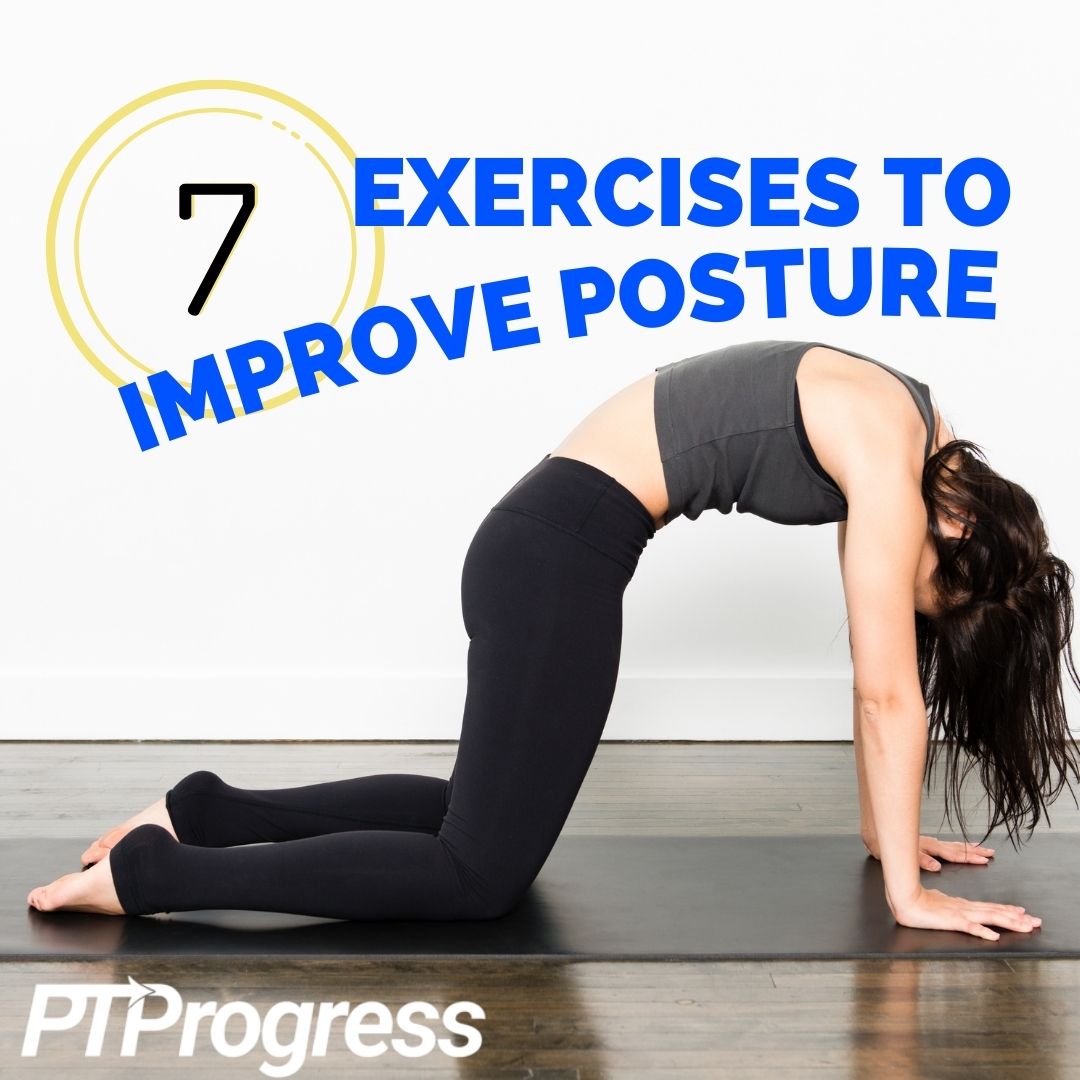
Integrating meditation into your workout sessions can significantly enhance your posture awareness and support proper alignment during exercise. Establishing a structured routine that combines mindfulness practices with physical activity helps in maintaining focus, reducing muscle tension, and promoting overall body awareness. This approach not only improves exercise effectiveness but also assists in preventing injuries caused by poor posture during high-intensity or repetitive movements.
Developing practical routines that seamlessly incorporate meditation ensures consistency and cultivates a mindful attitude toward movement, leading to long-term posture improvements and enhanced athletic performance.To maximize the benefits of meditation during exercise, it is essential to design a balanced schedule that aligns meditation sessions with different types of workouts. This integration allows for mental preparation beforehand, focus during activity, and recovery through reflection afterward.
Such routines foster a heightened sense of bodily awareness, enabling exercisers to recognize subtle misalignments and correct them proactively. Consistent practice also trains the mind to maintain focus amid physical fatigue, especially during demanding workouts, thereby supporting posture stability and reducing the risk of strain or injury.
Sample schedule pairing meditation with daily exercise routines
- Morning Session: Begin with a 5-minute mindful breathing exercise to set a focused tone for the day. Follow with a 20-minute strength training session, incorporating body awareness practices during each set.
- Midday Routine: Engage in a 10-minute body scan meditation before a cardio workout, such as jogging or cycling. Use this time to tune into posture cues like spinal alignment and shoulder positioning.
- Post-Workout Cool Down: Dedicate 5-8 minutes to guided meditation focusing on releasing tension and aligning the spine after high-intensity exercise, facilitating recovery and posture reinforcement.
- Evening Reflection: Conclude with a 10-minute meditation emphasizing gratitude for body function and mindfulness of posture habits developed throughout the day.
By pairing meditation with different workout phases, individuals can enhance their proprioception and maintain optimal posture during various physical activities. This routine encourages a holistic approach, where mental clarity supports physical alignment, and mindful movement becomes second nature. The consistent application of these practices cultivates an internal awareness that persists beyond the workout, fostering long-term posture health and overall well-being.
Methods for maintaining focus and alignment during high-intensity workouts through meditation
Maintaining focus and proper alignment during high-intensity workouts is critical for performance and injury prevention. Meditation techniques serve as effective tools to cultivate a sustained state of mindfulness amidst physical exertion. Employing breath awareness, body scanning, and visualization strategies during intense exercise can reinforce correct posture and help athletes stay centered. These methods allow practitioners to recognize early signs of misalignment or fatigue that may compromise form, enabling quick corrections without losing momentum.
During demanding activities such as weightlifting, sprinting, or circuit training, brief mindful pauses—often called micro-meditations—can be integrated into rest periods. For example, taking 15-30 seconds to focus solely on deep, diaphragmatic breathing or visualizing proper alignment helps reset focus and re-engage posture awareness. Such practices enhance mental resilience, reduce the likelihood of compensatory movements, and promote consistency in maintaining biomechanical integrity throughout the workout.
Adopting a habit of mental check-ins during exercise also supports the development of an internal feedback loop. Athletes learn to interpret bodily sensations, such as muscle engagement and joint positioning, through meditative focus. Over time, this improves the ability to sustain optimal posture even in less controlled environments or during fatigue, leading to safer and more effective physical training.
Responsive table for integrating meditation with exercise types
| Exercise Type | Meditation Technique | Duration | Benefits |
|---|---|---|---|
| Strength Training | Body scan meditation to focus on muscle engagement and posture alignment | 5-8 minutes | Enhances proprioception, reduces injury risk, improves muscle activation |
| Cardio (Running, Cycling) | Breath awareness and visualization of upright posture | 10 minutes pre-workout; 5 minutes cool-down | Maintains spinal alignment, supports breathing efficiency, reduces fatigue |
| High-Intensity Interval Training (HIIT) | Mindful breathing and quick body scans during rest periods | During intervals, 30 seconds; rest periods, 1-2 minutes | Improves focus, stabilizes core during exertion, prevents form breakdown |
| Flexibility and Mobility Work | Guided meditation focusing on relaxation and awareness of joint positions | 10-15 minutes | Increases joint awareness, promotes proper alignment, reduces tension |
Benefits and challenges of meditating to improve posture during exercise
Integrating meditation into exercise routines specifically aimed at enhancing posture offers a range of physical and mental advantages. This practice fosters greater body awareness, reduces the risk of injury, and promotes mental clarity and relaxation. However, despite these benefits, several challenges can arise when attempting to incorporate meditation consistently within a fitness regimen. Addressing these obstacles with practical solutions can significantly enhance long-term commitment and effectiveness, ultimately leading to sustained improvements in posture and overall well-being.
Physical and Mental Benefits of Consistent Practice
Regular meditation aimed at posture improvement during exercise delivers numerous tangible benefits that influence both physical health and mental resilience. Physically, consistent meditation enhances proprioception—the body’s ability to sense its position and movement—which is crucial for maintaining proper alignment during physical activity. Over time, this heightened awareness can lead to better posture, reduced muscle tension, and decreased incidence of strain or injury.
Additionally, meditation encourages relaxation of overactive or tense muscles, contributing to improved flexibility and balance.
Mentally, meditation cultivates mindfulness, which helps individuals recognize postural deviations or tension patterns during exercise. This heightened state of awareness can translate into more conscious movement and better technique. Moreover, regular practice reduces stress levels, alleviates anxiety associated with performance, and fosters patience and perseverance—all vital for long-term adherence to posture-improving routines. The mental clarity gained through meditation also supports motivation and consistency, essential elements for sustained physical development.
Common Obstacles and Practical Solutions
Despite the clear benefits, integrating meditation into fitness routines often encounters several challenges. Time constraints are among the most common, as busy schedules can make it difficult to dedicate moments solely to meditation. To overcome this, individuals can incorporate short, focused sessions—such as five-minute breathing exercises—before or after workouts or during breaks within their day.
Another obstacle is perceived difficulty or unfamiliarity with meditative practices, which may discourage consistent practice. Educational resources, guided meditation apps, or brief instructional sessions can demystify the process and foster confidence. Additionally, environmental distractions—like noise or interruptions—can hinder concentration. Establishing a designated, quiet space or using noise-canceling devices can create a more conducive environment for meditation.
Motivational challenges, such as waning enthusiasm or impatience with progress, can also impede ongoing practice. Setting realistic goals, tracking improvements, and acknowledging small successes can sustain motivation. Engaging in community groups or accountability partners further encourages consistency and shared commitment.
Long-term Impact on Posture and Overall Well-Being
The sustained practice of meditation to improve posture during exercise leads to profound long-term benefits that extend beyond immediate physical alignment. Improved posture reduces the strain on joints, muscles, and ligaments, decreasing the likelihood of chronic pain conditions such as back or neck pain. It also enhances respiratory function and circulation by promoting an upright, open stance, which contributes to better oxygenation and energy levels.
Mentally, ongoing meditation cultivates resilience against stressors, improves focus, and fosters a sense of calm that benefits everyday life. As posture improves, individuals often experience greater confidence and a more positive body image, further motivating continuous self-care. Over time, these cumulative effects contribute to a higher quality of life, increased physical functionality, and a more balanced mental state, supporting overall health and longevity.
Outcome Summary
Incorporating meditation into your exercise routine to improve posture can lead to remarkable physical and mental benefits. Consistent practice fosters better body awareness, reduces strain, and supports sustainable progress in fitness and health. Overcoming common challenges requires patience and persistence, but the long-term improvements in posture and overall wellness are well worth the effort. Embracing these mindfulness strategies can transform your approach to exercise, making it more mindful, effective, and enjoyable.