Discovering how to meditate to enjoy running can transform your athletic experience by enhancing mental clarity, reducing stress, and fostering a deeper connection with your body. Incorporating mindful meditation into your running routine allows you to achieve a state of heightened focus and tranquility, making each session more rewarding and sustainable.
This guide explores effective meditation techniques tailored specifically for runners, offering practical steps to prepare, incorporate, and sustain mindfulness practices before, during, and after your runs. By understanding these methods, you can unlock greater enjoyment and performance in your running journey.
Introduction to Meditative Practices for Runners
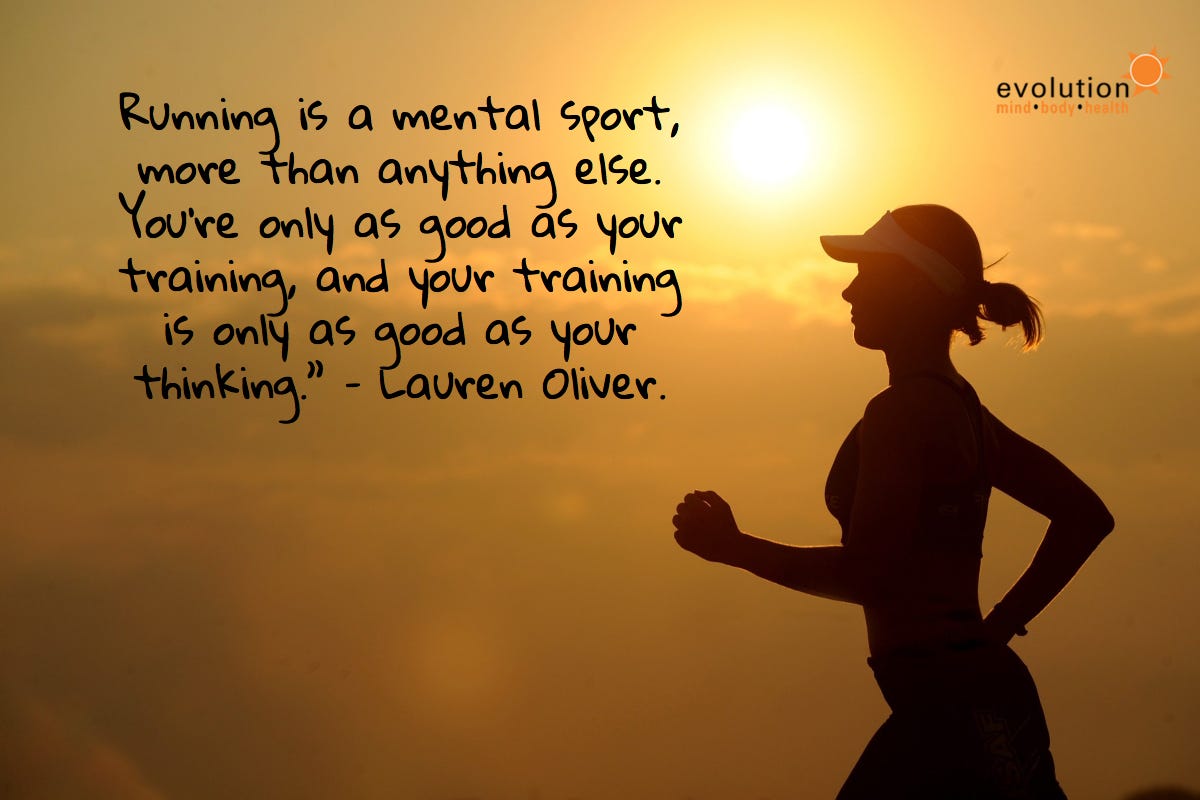
Combining meditation with running routines offers a holistic approach to enhancing both physical performance and mental well-being. As runners seek to push their limits while maintaining a sense of balance and enjoyment, integrating meditative practices becomes a valuable tool. This fusion not only improves endurance and focus but also cultivates a state of relaxation that can make running a more mindful and pleasurable experience.
Meditation helps runners develop mental clarity, reduce stress, and increase awareness of their body and surroundings. By fostering a calm and centered mind, runners can better manage fatigue, stay motivated, and enjoy each stride with greater presence. The importance of mental focus and relaxation cannot be overstated in achieving a sustainable and joyful running routine, especially in a world filled with distractions and stressors.
Meditation Principles Tailored for Runners
To effectively incorporate meditation into running practices, it is essential to understand foundational principles that cater specifically to runners’ needs. These principles include maintaining mindfulness, practicing controlled breathing, and cultivating a non-judgmental awareness of the present moment. Adapting meditation techniques for a physically active lifestyle involves focusing on breath awareness, body sensations, and mental clarity, all of which contribute to a more enjoyable running experience.
Here are key meditation principles tailored for runners:
- Mindfulness: Developing a heightened awareness of your thoughts, emotions, and physical sensations during runs helps in maintaining focus and reducing negative self-talk. Mindfulness encourages a non-reactive attitude toward discomfort or fatigue, allowing runners to stay present and enjoy the process.
- Controlled Breathing: Synchronizing breath with movement enhances oxygen flow and promotes relaxation. Techniques such as diaphragmatic breathing or rhythmic inhalation and exhalation can improve stamina and mental calmness during runs.
- Body Awareness: Paying close attention to muscle engagement, joint movements, and overall body posture fosters better biomechanics and reduces injury risk. This awareness also deepens the connection between mind and body, making runs more mindful and fulfilling.
- Visualization: Using mental imagery to envisage successful runs or serene environments can boost motivation and reduce anxiety. Visualization aligns with meditative focus, helping runners cultivate positive mental states that enhance their outdoor experience.
By integrating these principles, runners can create a meditative foundation that complements their physical activity, leading to improved performance, increased enjoyment, and a more profound sense of well-being during their running journeys.
Preparing for Meditation Before Running
Establishing a mindful and calm state before heading out for a run enhances both the physical and mental benefits of your exercise. Proper preparation for meditation sets the tone for a focused, relaxed, and intentional running session. By creating an environment conducive to mindfulness, setting clear intentions, and organizing necessary items, runners can optimize their mental readiness, leading to a more enjoyable and purposeful experience on the trails or track.
Effective preparation involves deliberate steps to cultivate calmness, clarity, and focus. This process not only reduces pre-run anxiety but also helps in aligning your mind with your physical activity, fostering a harmonious running experience. The following guidelines Artikel practical procedures to prepare mentally and practically for meditation prior to your run.
Creating a Calm Environment for Meditation
Establishing a tranquil space is fundamental to successful meditation. The environment should minimize distractions and promote relaxation. These steps can guide you in setting up an ideal setting:
- Choose a quiet location free from noise, interruptions, or high foot traffic. This can be a dedicated corner at home, a peaceful park, or a shaded area in your backyard.
- Ensure adequate lighting—prefer natural light if possible, but soft, ambient lighting can also be effective in creating a calming atmosphere.
- Maintain a comfortable temperature that is not too hot or cold, so physical discomfort does not interfere with your focus.
- Clear the space of clutter and distractions, allowing your mind to settle without visual or auditory disturbances.
- Use elements such as soft cushions, mats, or chairs that support proper posture during meditation sessions.
Enhancing the environment with subtle, calming scents like lavender or chamomile through diffusers or candles can deepen relaxation. Soft instrumental or nature sounds may also aid in establishing a peaceful ambiance, provided they do not divert attention from your meditation practice.
Setting Intentions for a Mindful Running Session
Intentions serve as guiding principles that direct your focus and cultivate mindfulness during the run. Clearly defined goals help embed purpose into your exercise, transforming it into a more meaningful activity. Consider the following approaches:
- Reflect on what you wish to achieve from your run, whether it is physical health, mental clarity, stress relief, or enjoyment of nature.
- Formulate a positive affirmation or statement that encapsulates your intention, such as “I run with awareness and gratitude” or “My focus is on the present moment.”
- Visualize yourself running mindfully, feeling each stride and observing your surroundings without judgment. This visualization reinforces your intentions.
- Set a specific, attainable goal for each session—whether it is maintaining a relaxed breathing pattern, staying present to sensations, or simply enjoying the scenery.
- Write down your intentions or repeat them silently during your meditation to solidify your mental focus prior to the run.
“Intentions act as a mental compass, guiding your attention and fostering mindfulness during your running practice.”
Designing a Checklist of Necessary Items or Conditions
Preparing a checklist ensures that all essential items and conditions are in place, promoting a seamless transition from meditation to running. This organizational step helps save time and minimizes distractions, allowing you to focus fully on your practice.
Below is a comprehensive checklist to facilitate effective meditation preparation:
| Item / Condition | Description |
|---|---|
| Comfortable seating or meditation mat | Supports proper posture and comfort during meditation. |
| Quiet, designated space | Minimizes external disturbances and distractions. |
| Environmental adjustments | Lighting, temperature, scents, and sounds optimized for relaxation. |
| Time allocation | Dedicated time slot, ideally 5-15 minutes, before your run. |
| Intentions and affirmations written down | Helps reinforce mental focus and purpose. |
| Water bottle and comfortable running gear | Prepared and within reach for post-meditation transition. |
| Earphones or meditation cues (if applicable) | Optional tools for guided meditation or calming sounds. |
By ensuring these items and conditions are arranged beforehand, you create a conducive environment that fosters mindfulness, prepares your mind for the physical activity, and enhances overall running enjoyment.
Meditation Techniques to Enjoy Running
Integrating meditation into running routines can significantly enhance enjoyment, focus, and overall performance. By employing specific techniques, runners can cultivate a state of mindfulness that transforms physical activity into a more pleasurable and fulfilling experience. These practices help reduce stress, improve concentration, and foster a deeper connection with each stride, making running not just a workout but a form of moving meditation.
Implementing effective meditation methods during running involves cultivating awareness of breath, body, and mind. Through systematic approaches such as breathing exercises, visualization, body scans, and affirmation practices, runners can elevate their experience, turning routine runs into opportunities for mental clarity and emotional well-being.
Breathing Exercises for Focus and Relaxation
Controlled breathing techniques serve as foundational tools to anchor attention and induce relaxation during running. These exercises enhance oxygen flow, regulate heart rate, and ground the mind, leading to improved focus and a calmer state of being.
Runners can adopt several effective breathing methods, including:
- Deep Diaphragmatic Breathing: Inhale slowly through the nose, allowing the diaphragm to expand fully, then exhale gradually through the mouth or nose. This technique encourages full lung capacity utilization and reduces tension.
- Box Breathing: Inhale for four counts, hold the breath for four counts, exhale for four counts, and hold again for four counts. Repeating this cycle stabilizes breathing patterns and calms the nervous system.
- Rhythmic Breathing: Synchronize your breath with your stride rate—for example, inhale for three steps, exhale for three steps. This approach improves rhythmic focus and endurance.
“Conscious breathing during running fosters mindfulness, enhances oxygen efficiency, and reduces anxiety, turning physical exertion into a meditative experience.”
Visualization Methods to Enhance Running Enjoyment
Visualization is a powerful meditative technique that involves creating vivid mental images to boost motivation, confidence, and pleasure during runs. By mentally rehearsing positive scenarios, runners can cultivate a sense of joy and purpose, making each run more engaging and satisfying.
Effective visualization practices include:
- Targeted Scenic Imagery: Picture yourself running through your favorite natural environment—be it a lush forest, a serene beach, or a vibrant city park. Focus on sensory details like the sounds of birds, the feel of the wind, and the sight of sunlight filtering through leaves.
- Achievement Visualization: Envision completing a challenging race or reaching a personal best. Imagine the sense of accomplishment, the cheers from spectators, and the physical sensation of success.
- Flow State Visualization: Picture yourself in a state of effortless movement, where running feels smooth and natural. Visualize each stride flowing seamlessly into the next, fostering a sense of harmony with your body.
Engaging the mind with positive visual imagery transforms the physical act of running into a joyful and motivating experience, reinforcing a runner’s emotional connection to their activity.
Body Scan Meditation for Increased Awareness During Running
Performing a body scan during running enhances body awareness, allowing runners to detect and release tension, improve posture, and stay connected with physical sensations. This practice promotes mindfulness and prevents injuries caused by unnoticed strain.
The process involves systematically paying attention to different parts of the body, from head to toe, while running:
- Start by observing sensations in the head and neck, noting any tightness or discomfort.
- Progress to the shoulders, arms, and hands, consciously relaxing any areas of tension.
- Shift focus to the chest and abdomen, sensing breathing patterns and ensuring proper expansion with each inhale.
- Move downward to the hips, thighs, knees, calves, and feet, perceiving how each part interacts with the ground and supports movement.
- During the scan, consciously release tension and adjust posture or stride as needed to maintain comfort and efficiency.
This continuous awareness fosters a meditative state that keeps runners grounded, prevents injury, and enhances enjoyment by deepening the connection with their physical experience.
Developing a Meditative Mantra or Affirmation for Runners
Using a mantra or affirmation during running creates a mental anchor that encourages focus, positivity, and resilience. Such phrases can be repeated silently or aloud, helping to maintain motivation and calmness amid physical exertion.
Effective methods for developing and using mantras include:
- Select a Personal Phrase: Choose words that resonate with your goals, such as “Strength and grace,” “Flow with ease,” or “Every step is progress.” Keep it simple, positive, and meaningful.
- Incorporate Breathing with the Mantra: Synchronize the repetition with your breath cycle—for example, silently saying the mantra during inhalation and exhalation—creating rhythmic focus.
- Use Affirmations to Cultivate Mindfulness: Affirmations like “I am present,” “I am capable,” or “Enjoy every stride” foster a positive mental state that enhances the running experience.
“A well-crafted mantra acts as an anchor during physical activity, helping runners stay centered, motivated, and joyful throughout their run.”
Incorporating Meditation into Running Routines

Integrating meditation into running routines enhances focus, reduces stress, and promotes a more mindful running experience. By thoughtfully embedding meditation practices into different phases of your run—warm-up, during, and cool-down—you can cultivate a deeper connection with your body and surroundings, leading to improved performance and enjoyment. This holistic approach encourages mindfulness, helping runners stay present and centered throughout their activity.Effective integration involves establishing specific moments within your running session dedicated to meditative techniques.
These practices support mental clarity and physical relaxation, making each run not only a physical exercise but also a mental rejuvenation. Carefully planned transitions between meditation and running phases ensure a seamless and sustainable practice that complements your overall training routine.
Structuring Meditation Across Running Phases
To optimize the benefits of meditation during runs, consider the following structured approach for each phase:
Warm-up Phase
Begin with gentle breathing exercises or body scans to prepare your mind and body for the upcoming activity. Focus on inhaling deeply through the nose, filling your lungs completely, then exhaling slowly to release tension. A guided visualization can set positive intentions for the run, such as envisioning smooth strides or feeling grateful for the opportunity to move.
During Running
Incorporate brief, mindful pauses during your run, especially in natural settings or during slower segments. Focus on your breath, the sensation of your feet making contact with the ground, and the sounds around you. Use guided meditations that emphasize sensory awareness or present-moment focus, which can be delivered via a voice app or self-led prompts.
Cool-down Phase
Conclude your run with calming meditation techniques, such as progressive muscle relaxation or gratitude reflections. Deepen your breathing, visualize releasing any residual tension, and focus on sensations of accomplishment and presence. This phase helps transition your body from activity to rest and encourages mental clarity.
Sample Guided Meditation Scripts for Runners
Below are brief scripts that can be adapted for use during different running phases:
Warm-up Script: “As you begin your run, take a deep breath in, filling your lungs completely. Exhale slowly, releasing any tension. Visualize a calm, steady energy flowing through your body, preparing you for a mindful run. With each step, feel your connection to the ground and the environment around you.”
During Run Script: “Focus on your breath—inhale slowly through your nose, and exhale gently. Notice the sensation of your feet contacting the ground, the rhythm of your stride, and the sounds of nature or your surroundings. If your mind drifts, gently bring your attention back to your breath and the present moment.”
Cool-down Script: “Slow your breathing, taking deep, deliberate breaths. As you finish your run, reflect on your experience with gratitude. Visualize any tension melting away from your body and feel a sense of accomplishment and mindfulness grounding you in the present.”
Responsive Table Comparing Meditation Practices for Running Distances and Terrains
| Practice | Ideal Distance/Terrain | Benefits | Implementation Tips |
|---|---|---|---|
| Focused Breathing | Short runs, urban terrains | Enhances concentration, reduces distractions | Use rhythmic breathing patterns aligned with steps; count inhalations and exhalations for focus |
| Body Scan Meditation | Long runs, trail running | Increases bodily awareness, prevents injury | Periodically pause to scan from head to toe, noticing sensations without judgment |
| Visualization | Any distance, especially during moderate terrain | Boosts motivation, mental resilience | Imagine successful runs, overcoming obstacles, or scenic environments during pauses |
| Gratitude Reflection | Recovery runs, easy pace | Promotes positive mindset, mental relaxation | Reflect on the physical ability to run, scenery, or personal achievements post-run |
Post-run Meditation Practices

Engaging in meditation after a run provides an invaluable opportunity to reinforce positive physical and mental experiences, promote recovery, and cultivate mindfulness. This phase of meditation helps runners process their journey, acknowledge their achievements, and prepare mentally for subsequent runs. Incorporating reflective practices, mindful stretching, and journaling into post-run routines can significantly enhance overall running enjoyment and well-being.Reflective meditation after running serves to solidify positive sensations such as improved mood, increased energy, or a sense of accomplishment.
It encourages runners to consciously acknowledge their efforts and the sensations experienced during the run, fostering a deeper connection with their bodies and minds. Additionally, mindful stretching combined with meditative focus reduces the risk of injury by promoting flexibility, releasing muscle tension, and encouraging awareness of bodily signals.Documenting meditative experiences post-run helps in tracking progress, identifying patterns, and enhancing motivation.
Journaling or recording thoughts about each session allows runners to reflect on their emotional and physical states over time, making it easier to adjust training routines or meditative practices for optimal benefits.
Reflective Meditation to Reinforce Positive Experiences
To deepen the impact of your post-run meditation, dedicate a few minutes to reflective practice by focusing on your recent run’s positive aspects. Find a comfortable seated position in a quiet space, close your eyes softly, and take slow, deep breaths to center your attention.
- Visualize the run, recalling the specific moments where you felt strong, joyful, or at peace. Use your senses to re-experience the environment, the rhythm of your breath, and the sensations in your body.
- Affirmations can be powerful; repeat silently phrases such as
“I am grateful for my body’s strength,”
or
“Every step brings me closer to my goals.”
- Allow yourself to feel gratitude for the effort and the progress you’ve made, reinforcing a positive mindset for future runs.
- End the session with a few moments of silence, integrating the positive feelings into your consciousness before transitioning to other post-run activities.
Stretching Combined with Mindfulness
Integrating stretching with mindfulness during post-run routines enhances flexibility, reduces muscle tightness, and minimizes injury risk while fostering a meditative state. The key is to perform stretches slowly and deliberately, paying close attention to how your body responds.
Initiate gentle stretches targeting common running muscles
calves, hamstrings, quadriceps, hip flexors, and lower back. Hold each stretch for 20-30 seconds, breathing deeply and evenly.
- During each stretch, focus on the physical sensations—muscle elongation, tension release, or slight discomfort—and breathe into areas of tightness, encouraging relaxation.
- Use imagery or body awareness techniques; for example, visualize releasing tension as a wave flowing through your muscles or imagine your tissues becoming more flexible with each exhale.
- Avoid bouncing or rushing through stretches. Instead, adopt a mindful approach where each movement is intentional, enhancing both physical recovery and mental clarity.
Journaling and Documenting Post-run Meditative Experiences
Maintaining a journal of your post-run meditation experiences can provide insights into your progress, emotional states, and physical responses over time. This practice fosters self-awareness and helps tailor your routines for maximum benefit.
After each session, spend a few minutes writing about your meditation
the sensations experienced, thoughts that arose, emotional shifts, and overall feelings.
- Record details such as the duration of meditation, specific techniques used, and any physical or mental improvements noticed.
- Use prompts such as “Today, I felt…,” “My body responded by…,” or “My mind was focused on…” to guide reflections.
- Over weeks, review your entries to identify patterns, such as increased relaxation, better recovery, or heightened mindfulness during runs.
- Incorporate insights into your training, such as adjusting stretching routines, meditation techniques, or running distances based on your documented experiences.
Challenges and solutions in meditative running

While integrating meditation into running routines offers numerous benefits, practitioners often encounter specific hurdles that can impede their progress. Recognizing these obstacles and developing effective strategies to address them is essential for cultivating a consistent and meaningful meditative practice during or around running. This segment explores common challenges faced by runners engaging in meditative techniques, along with practical solutions to enhance focus and adaptability across various environments and weather conditions.
Understanding and overcoming these challenges not only improves the quality of the meditative experience but also reinforces mindfulness as a sustainable part of a runner’s lifestyle. By proactively managing distractions and environmental factors, runners can deepen their meditative awareness, leading to more enjoyable and mindful running sessions.
Common obstacles faced during meditative running
Engaging in meditation while running involves balancing physical activity with mental focus, which can be complicated by several common obstacles. These include environmental distractions such as noise pollution, weather variations, and uneven terrains, as well as internal issues like wandering thoughts, physical discomfort, or fatigue. Additionally, external distractions like other runners, vehicles, or animals can further divert attention from meditative awareness.
Distractions are natural, but persistent interruptions can hinder progress if not managed effectively. Recognizing these challenges is the first step toward developing resilience and adaptability in meditative running practices.
Strategies to overcome distractions and maintain focus
Maintaining concentration during meditative running requires intentional techniques to minimize interruptions and sustain mindfulness. The following strategies are highly effective:
- Establish a focal point. Choose a specific point to anchor your attention, such as your breath, a mantra, or a natural element like a tree or skyline, which helps redirect wandering thoughts back to the present moment.
- Use rhythmic breathing. Synchronizing your breath with your steps creates a natural rhythm that enhances mental focus and reduces susceptibility to external distractions.
- Practice a body scan periodically. Check in with different parts of your body during breaks in your run to maintain awareness and prevent your mind from drifting.
- Embrace gentle acceptance of distractions. Instead of resisting noise or interruptions, acknowledge their presence without judgment, allowing you to gently refocus your attention.
- Limit external stimuli when possible. Choosing quieter routes or running during times of lower activity can significantly decrease environmental distractions, fostering a more meditative experience.
Adapting meditation practices for different environments and weather conditions
Environmental and weather variations require flexibility in how meditation techniques are applied during running. Adapting these practices ensures consistency and comfort regardless of external circumstances. Key considerations include:
| Environmental Factor | Adaptation Strategy |
|---|---|
| Noise pollution (urban settings, traffic) | Utilize earplugs or noise-canceling headphones with calming sounds or guided meditations; focus on breath and bodily sensations to drown out external noise. |
| Unpredictable weather (rain, wind, heat) | Wear appropriate clothing to stay comfortable; modify meditation techniques by emphasizing visualizations or silent reflection if physical discomfort arises. |
| Uneven terrain or trail running | Focus on foot placement and ground contact; incorporate mindful walking segments if running becomes challenging; use tactile sensations for grounding. |
| Extreme cold or heat | Adjust meditation duration; practice shorter, more frequent sessions; hydrate adequately and choose shaded or sheltered routes when possible. |
| High altitude or pollution | Incorporate nasal breathing exercises to optimize oxygen intake; select cleaner routes or times of day with lower pollution levels. |
Flexibility and awareness of your environment are essential for maintaining an effective meditative practice across diverse conditions, ensuring that mindfulness remains a constant companion in your running routine.
Additional Resources and Tools

Engaging in meditation to enhance your running experience can be significantly supported by utilizing a variety of resources and tools. These aids help personalize your practice, improve consistency, and deepen your mindfulness during runs. Exploring different options allows runners to find what best suits their preferences and routines, making meditative practices more accessible and effective.Effective use of multimedia, applications, and specialized tools can elevate your meditation experience, fostering greater focus and relaxation.
Understanding the advantages and features of available resources enables runners to optimize their meditation strategies and enjoy the full benefits of mindful running.
Creating Personalized Meditation Playlists or Soundscapes
Personalized playlists and soundscapes serve as powerful tools to cultivate the right mental environment for meditative running. These auditory backgrounds can help filter out external distractions, promote calmness, and reinforce the desired meditative state. When crafting a playlist, consider selecting tracks that resonate with your mood and preferences, such as nature sounds, ambient music, or minimalist compositions.To enhance your practice, include a mix of sounds that gradually transition in volume and intensity, helping you ease into and out of meditation.
Using familiar and soothing sounds can also anchor your focus, making it easier to maintain mindfulness throughout your run. Experimenting with different genres allows you to discover which auditory environment best supports your meditative goals, whether it’s promoting relaxation, concentration, or mental clarity.
Guidelines for Using Meditation Apps or Audio Guides Suitable for Runners
Technology offers a variety of meditation apps and audio guides designed to support runners in establishing mindful practices tailored to physical activity. When selecting these tools, prioritize apps that feature guided meditations specifically crafted for active lifestyles, with options for short sessions and customizable durations.Using these apps, runners can access structured routines that incorporate breathing exercises, body scans, and mindful movement cues, all adaptable to the pace and environment of running.
It is beneficial to choose applications that provide high-quality audio, clear instructions, and the ability to download content for offline use, ensuring uninterrupted practice during outdoor runs or in areas with limited connectivity.Guidelines for optimal use include setting aside dedicated time before or after runs, integrating meditation prompts into your routine, and gradually increasing session length as comfort with the practices grows.
Regular use of these guides can foster deeper mindfulness and enhance the enjoyment and benefits of meditative running.
Comparison Table of Meditation Aids for Runners
To assist in selecting appropriate resources, consider the following comparison of common meditation aids based on cost, portability, usability, and feature set:
| Product/Tool | Cost | Portability | Usability | Features |
|---|---|---|---|---|
| Meditation Apps (e.g., Headspace, Calm) | Monthly subscription: $12-$15; some free content | Highly portable via smartphones | User-friendly interfaces, customizable sessions | Guided meditations, sleep aids, mindfulness exercises |
| Portable Sound Machines | $30-$70 | Compact, lightweight, easy to carry | Simple controls, specific sound selections | Nature sounds, white noise, customizable soundscapes |
| Wireless Headphones (e.g., Bose, Sony) | $100-$300 | Highly portable, wireless design | Comfortable fit, noise isolation options | High-quality audio for guided meditations, music, soundscapes |
| Pre-Recorded Audio Guides | $10-$50 per set or free online | Depending on format, often portable via MP3 players or smartphones | Requires compatible device, playback controls | Specific meditative routines, breathing exercises, body scans |
Utilizing these tools strategically can significantly enhance the meditative aspect of your running practice, making mindfulness more accessible, enjoyable, and effective. Selecting resources aligned with personal preferences and routine needs ensures that meditation becomes a seamless, integrated part of your athletic journey.
Closing Notes
Integrating meditation into your running routine not only elevates your physical performance but also nurtures your mental well-being. Embracing these practices can lead to a more mindful, enjoyable, and fulfilling running experience, empowering you to run with clarity and confidence in every step you take.